Table of Contents >> Show >> Hide
When the days get shorter, your motivation can shrink faster than a cheap sweater in a hot dryer. For some people, that seasonal slump is more than a case of “ugh, winter again.” It may be Seasonal Affective Disorder (SAD), a type of depression linked to seasonal changes. While winter-pattern SAD is the form most people know, some people also experience symptoms in the spring or summer. In other words, SAD is not just about disliking gloomy weather. It can affect mood, energy, sleep, appetite, concentration, and daily life in ways that are very real and very disruptive.
This guide breaks down what SAD is, what symptoms to watch for, what may cause it, how it is diagnosed, and what treatments can help. We will also look at what the day-to-day experience can feel like, because mental health articles should occasionally remember that actual humans are involved.
What Is Seasonal Affective Disorder?
Seasonal Affective Disorder is a form of depression that follows a repeating seasonal pattern. Symptoms tend to appear during a particular time of year and then improve or fully lift when the season changes. Most cases are winter-pattern SAD, which typically begins in late fall or early winter and improves in spring. A less common form, summer-pattern SAD, starts in spring or early summer and eases in fall.
It is not the same thing as briefly feeling less cheerful when the sky looks like a gray sock. SAD involves a cluster of depressive symptoms that interfere with work, school, relationships, and everyday functioning. If the pattern returns year after year, that is an important clue that something more specific than ordinary moodiness may be going on.
SAD Symptoms: What It Can Look Like
The symptoms of SAD often overlap with those of major depression. That means a person may feel persistently sad, lose interest in favorite activities, struggle to focus, feel hopeless, or have trouble functioning as usual. However, seasonal patterns can add their own twist.
Common depression-related symptoms of SAD
- Feeling sad, low, empty, or hopeless most of the day
- Losing interest in hobbies or activities that usually feel enjoyable
- Low energy or unusual fatigue
- Trouble concentrating or making decisions
- Feeling worthless, guilty, or unusually self-critical
- Changes in sleep or appetite
- Withdrawing from friends, family, or normal routines
- Thoughts of death, self-harm, or suicide in severe cases
Symptoms more common in winter-pattern SAD
Winter-pattern SAD often has a very specific personality. It tends to make people feel slowed down, sleepy, and hungry in a way that can feel almost bear-like. Unfortunately, modern life does not allow for a seasonal cave nap.
- Sleeping too much or feeling sleepy during the day
- Craving carbohydrates or eating more than usual
- Weight gain
- Heavy limbs, low motivation, and social withdrawal
- Feeling mentally foggy or emotionally flat
Symptoms more common in summer-pattern SAD
Summer-pattern SAD is less common, but it can feel almost like the mirror image of winter SAD.
- Insomnia or trouble staying asleep
- Poor appetite
- Weight loss
- Restlessness, agitation, or anxiety
- Increased irritability
Because symptoms can overlap with other mental health conditions, it is important not to self-diagnose based on one rough week or a single dramatic Monday.
What Causes Seasonal Affective Disorder?
There is no single cause of SAD, but experts believe it is tied to a combination of biological and environmental factors. Think of it less like a light switch and more like a complicated control panel with several buttons stuck at once.
1. Reduced daylight and circadian rhythm disruption
One leading theory involves the body’s internal clock, also called the circadian rhythm. Shorter daylight hours in fall and winter may throw off that rhythm, making sleep, alertness, and mood regulation less stable. If your body clock gets confused, your mood may end up paying the bill.
2. Serotonin changes
Serotonin is a brain chemical involved in mood regulation. Some research suggests reduced sunlight may contribute to lower serotonin activity in susceptible people, which may help explain why mood dips during darker months.
3. Melatonin shifts
Melatonin helps regulate sleep and wake cycles. Seasonal changes in light exposure may affect melatonin balance, which can influence sleep patterns, energy levels, and mood.
4. Genetic and family factors
People with a family history of depression or SAD may be more likely to develop it. That does not mean it is guaranteed, but it may help explain why one person breezes through winter while another feels like the sun personally betrayed them.
5. Vitamin D may play a role
Some experts also consider vitamin D part of the picture because sunlight helps the body produce it, and vitamin D may influence serotonin activity. This does not mean every low-vitamin-D result automatically equals SAD, but it can be one piece of the larger puzzle.
Who Is More Likely to Get SAD?
SAD can affect anyone, but some groups appear to be at higher risk.
- People living farther from the equator, where seasonal light changes are more dramatic
- Women, who are diagnosed more often than men
- Younger adults, especially those in early adulthood
- People with a personal or family history of depression or bipolar disorder
- People who already notice strong seasonal changes in sleep, appetite, or energy
It is also worth noting that people with bipolar disorder may have mood episodes linked to certain seasons. That is one reason why professional evaluation matters. Not every recurring seasonal slump is the same condition, and treatment should fit the diagnosis.
How SAD Is Diagnosed
There is no single blood test, scan, or magical winter detector that confirms SAD. Diagnosis usually involves a health history, symptom review, and sometimes a mental health evaluation. A clinician may ask:
- When do your symptoms start each year?
- When do they improve?
- How long have you noticed this pattern?
- How much are symptoms affecting your daily life?
- Do you have a history of depression, anxiety, or bipolar disorder?
- Could another medical issue, medication, or sleep problem explain the symptoms?
In general, diagnosis looks for a repeating seasonal pattern over time, with depressive episodes during a particular season and improvement when that season ends. A clinician may also rule out other causes of fatigue, low mood, or sleep changes, such as thyroid issues, other depressive disorders, or medication side effects.
Treatment for Seasonal Affective Disorder
The good news is that SAD is treatable. In fact, many people do very well once they find a plan that matches their symptoms, schedule, and health history.
Light therapy
Light therapy, also called phototherapy, is one of the best-known treatments for winter-pattern SAD. It typically involves sitting near a specially designed light box soon after waking up. These devices are meant to mimic bright outdoor light and may help reset the circadian rhythm and improve mood.
Many medical sources recommend high-quality light boxes that provide around 10,000 lux, though exact timing and duration can vary. Morning use is often preferred. It is smart to talk with a healthcare provider before buying one, especially if you have eye conditions, bipolar disorder, or other medical concerns.
Psychotherapy
Cognitive behavioral therapy (CBT), including approaches tailored to seasonal depression, can help people identify unhelpful thought patterns, reduce avoidance, and build routines that support better mood. Therapy is not just “talking about feelings in a decorative chair.” It can be practical, structured, and surprisingly useful for building habits that make winter less brutal.
Antidepressant medication
For some people, antidepressants are part of the treatment plan. They may be used during the symptomatic season or, in recurrent cases, started before symptoms usually begin. Bupropion is one medication with evidence for preventing recurrence in some people, but the best choice depends on the individual.
Lifestyle strategies
Lifestyle changes alone may not be enough for moderate or severe SAD, but they can still help support recovery:
- Get outside during daylight hours whenever possible
- Exercise regularly, especially earlier in the day
- Keep a steady sleep schedule
- Limit social withdrawal, even when your couch seems spiritually persuasive
- Plan enjoyable activities during the hardest months
- Pay attention to nutrition and avoid relying on sugar as an emotional support snack
Vitamin D and other add-ons
Some clinicians may check vitamin D levels or recommend supplementation in certain situations. Still, vitamin D is not a guaranteed standalone fix for SAD. It is best treated as a possible support, not a miracle shortcut in a bottle.
Can You Prevent SAD?
There is no guaranteed way to prevent SAD entirely, but early action can make a real difference. If you know your symptoms tend to start every October or November like an uninvited seasonal houseguest, it may help to begin treatment before the pattern fully kicks in.
Prevention strategies may include starting light therapy early, continuing therapy through high-risk months, adjusting sleep habits before the season changes, or discussing preventive medication with a clinician if your symptoms return every year.
When to Get Help
If seasonal mood changes are affecting your work, relationships, sleep, appetite, or ability to function, it is worth talking to a healthcare professional. This is especially true if symptoms are getting worse over time or beginning earlier each year.
If you have thoughts of self-harm or suicide, seek urgent help right away. In the United States, you can call or text 988 for immediate crisis support.
What the Experience of SAD Can Feel Like
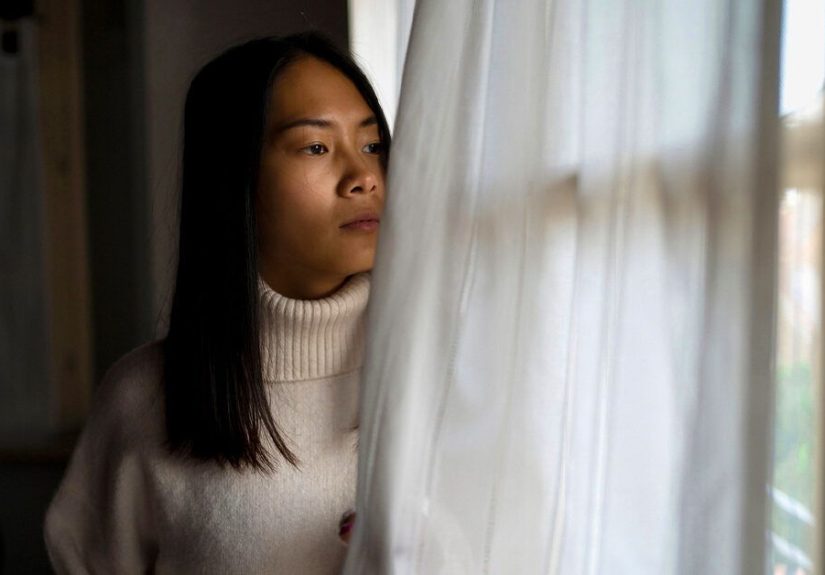
Statistics are useful, but lived experience is what usually makes the condition recognizable. Many people with SAD do not describe it as dramatic sadness at first. They describe it as feeling like their personality got the brightness setting turned down. Mornings feel harder. Small tasks become weirdly exhausting. Text messages go unanswered. Laundry transforms from a chore into a mythological enemy.
Someone with winter-pattern SAD may notice that every year, around the same time, getting out of bed starts to feel like pushing through wet cement. They may sleep longer but still wake up tired. Work that felt manageable in July now feels mentally sticky in December. Social plans become easier to cancel than keep. They may crave bread, pasta, sweets, or anything warm and comforting, not because they lack discipline, but because their appetite and energy signals have shifted in a real physiological way.
One person might say, “I do not feel exactly sad. I just feel dimmed.” That description comes up often. They can still go to work, answer emails, and look mostly fine from the outside, but inside everything feels heavier and slower. Joy does not necessarily disappear; it just becomes harder to access. Even fun things can feel like they require an unreasonable amount of effort, like trying to throw a party while wearing a weighted blanket.
Others describe a pattern of isolation. In warmer months, they call friends, make plans, and stay active. In darker months, they withdraw, not always because they want to be alone, but because they do not have the energy to participate. Over time, that isolation can feed the depression. The less connected they feel, the less motivated they are to reconnect. It becomes a loop, and loops are rude.
Summer-pattern SAD can feel very different. Instead of oversleeping and overeating, a person may feel agitated, restless, or unable to sleep. Their appetite may drop. They may become irritable and anxious in a way that seems out of character. While winter SAD is often described as heavy and sluggish, summer SAD may feel edgy and overstimulated.
Many people also struggle with self-doubt before they get diagnosed. They wonder whether they are lazy, unmotivated, antisocial, or simply “bad at winter.” Learning that SAD is a recognized depressive disorder can be surprisingly validating. It gives a name to a pattern that may have been quietly disrupting their life for years.
Treatment experiences vary, but many people report that light therapy, structured routines, outdoor morning walks, therapy, or medication help them feel like themselves again. Not instantly, and not in a movie-montage way. More often, the change is gradual. Mornings become a little easier. Energy lifts. Concentration returns. Social contact stops feeling impossible. The world does not become magical overnight, but it starts looking less gray, both literally and emotionally.
That may be the most important thing to know: SAD is real, it can be serious, and it is treatable. If your mood seems to change with the calendar more reliably than your holiday decorations do, that pattern deserves attention.
Conclusion
Seasonal Affective Disorder (SAD) is more than a seasonal slump. It is a real form of depression tied to changes in the seasons, most often in fall and winter, though summer-pattern SAD can happen too. Symptoms may include sadness, fatigue, oversleeping, appetite changes, poor concentration, and withdrawal from daily life. Causes likely involve a mix of reduced daylight, circadian rhythm disruption, serotonin and melatonin changes, and individual risk factors such as family history or geography.
The encouraging part is that help exists. Light therapy, psychotherapy, antidepressants, and practical lifestyle steps can all play a role. If seasonal symptoms keep showing up year after year, do not brush them off as a personality flaw or a weather complaint with extra drama. Talk to a professional. Sometimes the most powerful winter survival tool is not a bigger blanket. It is the right treatment plan.