Table of Contents >> Show >> Hide
- What Is a Shaker Peg and Plate Shelf?
- Why the Shaker Style Still Works So Well
- The Anatomy of a Great Shaker Peg and Plate Shelf
- Best Woods and Finishes for This Shelf
- Where a Shaker Peg and Plate Shelf Works Best
- How to Style It Without Making It Look Busy
- Should You Buy One or Build One?
- Common Mistakes to Avoid
- Why This Shelf Deserves a Place in Today’s Home
- Real-Life Experiences With a Shaker Peg and Plate Shelf
- SEO Tags
Some furniture shouts for attention. A Shaker peg and plate shelf does the opposite. It quietly earns its keep, hangs on the wall like it was born there, and somehow makes a kitchen, mudroom, hallway, or breakfast nook look more organized without acting smug about it. That is part of the magic. This piece combines the clean utility of a Shaker peg rail with the display-friendly usefulness of a plate shelf, giving you a place to hang towels, baskets, aprons, or hats below while showing off plates, platters, pitchers, or framed art above.
In a world where storage solutions often look like they were designed by an app, the Shaker peg and plate shelf still feels refreshingly human. It is practical, modest, and surprisingly charming. It can hold everyday dishes in a kitchen, catch bags and coats by the door, or display heirloom stoneware in a dining room. It is equally at home in a farmhouse, a cottage, a traditional kitchen, or a modern apartment that needs a little warmth and a lot less chaos.
If you are wondering whether this humble shelf deserves its own article, the answer is yes. Absolutely yes. A good Shaker peg and plate shelf is one of those rare home pieces that can solve a storage problem, add architectural character, and make your room look more intentional at the same time. That is a triple win, and in home design, triple wins are rarer than matching food containers with their lids.
What Is a Shaker Peg and Plate Shelf?
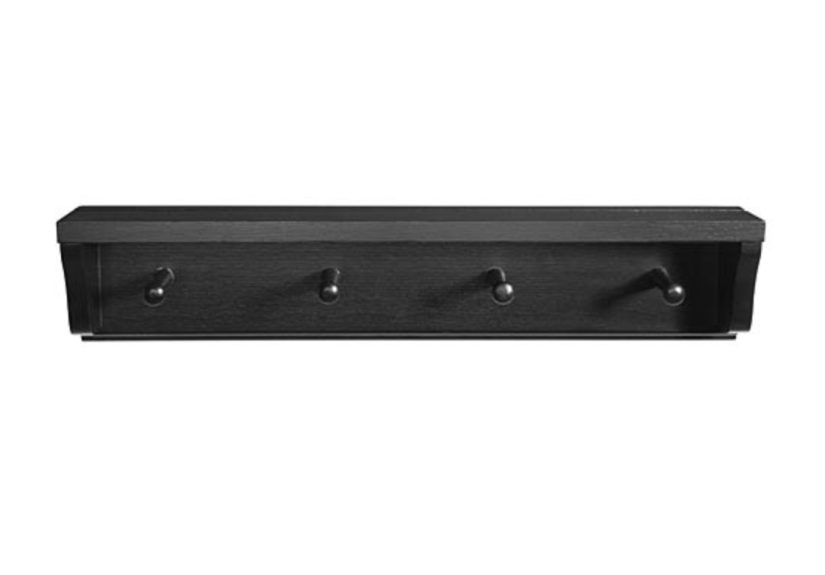
At its core, a Shaker peg and plate shelf is a wall-mounted storage piece that combines two classic ideas. The first is the Shaker peg rail: a simple wooden backboard fitted with evenly spaced pegs for hanging lightweight items. The second is a plate shelf or shallow ledge designed to hold dishes upright, often with a groove or lip that helps plates stay in place. Put them together and you get a hardworking hybrid that looks elegant because it refuses to overcomplicate anything.
The best versions usually include a flat or slightly profiled top shelf, a backboard, a row of turned or tapered pegs, and a plate groove or front retaining lip that keeps display pieces from sliding forward. In some designs, the shelf above is deep enough for pitchers, jars, and bowls. In others, it is shallower and intended mainly for plates or platters. Many homeowners also use it for framed photos, cookbooks, small plants, and the one vintage ironstone plate they bought on impulse and now pretend has been in the family for generations.
Why the Shaker Style Still Works So Well
Shaker design has staying power because it is built on principles that age well: simplicity, utility, order, and restraint. Instead of piling on decoration, Shaker-inspired pieces rely on proportion, solid craftsmanship, and honest materials. That makes a peg and plate shelf feel timeless rather than trendy. It does not beg for compliments, but it gets them anyway.
The appeal is also deeply practical. Vertical wall storage frees up counters, tables, and cabinet space. Pegs create easy-access hanging spots for things you use every day. A plate shelf turns dishes into decor without making them inaccessible. This is why the piece still feels relevant in modern homes, especially in kitchens and entryways where every inch has to work for a living.
Another reason it works is flexibility. You can paint it white for a bright cottage look, stain it medium brown for a warm farmhouse feel, or leave it in a natural wood finish for a more understated, craft-forward effect. The form is simple enough to blend into many interiors, yet distinctive enough to add character. It is like the friend who dresses plainly but always looks better than everyone else in the group photo.
The Anatomy of a Great Shaker Peg and Plate Shelf
1. A Clean Backboard
The backboard is the visual anchor. It can be a single plank or a joined panel, but it should feel sturdy and well proportioned. Too thin, and the shelf looks flimsy. Too bulky, and it loses the light, efficient spirit that makes Shaker-inspired furniture so appealing.
2. Evenly Spaced Pegs
Peg spacing matters more than people think. Pegs that are too close together become annoying. Pegs that are too far apart waste space. A pleasing rhythm makes the piece feel calm and intentional. Turned wooden pegs are traditional, but the overall look should remain simple. This is not the place for flashy hardware or dramatic flourishes.
3. A Useful Shelf Depth
Shelf depth should match the job. If you want to display dinner plates and platters, the shelf needs enough depth to support them comfortably. If it is mainly for small ceramics, crocks, or decor accents, a slightly shallower profile may be better. A shelf that is too deep becomes a dust-collecting stage for random clutter. A shelf that is too shallow turns every plate into a trust exercise.
4. A Plate Groove or Front Lip
This is the functional detail that separates a real plate shelf from a regular ledge. A routed groove or subtle front strip helps keep plates upright and secure. It is a small feature, but it makes a big difference in usability. Without it, your carefully styled dish display can become a gravity experiment.
5. Strong Wall Mounting
Looks matter, but safety matters more. A well-made Shaker peg and plate shelf should be mounted securely into studs or appropriate anchors, especially if it will hold dishes, stoneware, or baskets full of heavier items. Beautiful storage is great. Beautiful storage that does not unexpectedly leave the wall at 2 a.m. is even better.
Best Woods and Finishes for This Shelf
Traditional and Shaker-inspired shelves are often made from woods like pine, maple, cherry, and oak. Pine gives the shelf a relaxed, lived-in character and takes paint beautifully. Maple feels crisp and clean, which suits the style well. Cherry adds warmth and a more refined furniture quality. Oak can work nicely too, especially in farmhouse and cottage interiors where visible grain is part of the charm.
Finish choices shape the mood. Painted finishes, especially white, cream, muted gray, or soft green, create a classic kitchen-friendly look. Natural oil or clear finishes highlight the craftsmanship and grain. Dark stains can work, but they should be used thoughtfully so the piece does not start feeling too heavy or formal. The beauty of a Shaker peg and plate shelf lies in its quiet utility, not in trying to look like it belongs in a dramatic castle hallway.
Where a Shaker Peg and Plate Shelf Works Best
Kitchen
This is the obvious favorite, and for good reason. In the kitchen, the shelf can display plates, bowls, mugs, crocks, and pitchers while the pegs hold towels, aprons, utensils, or market bags. It is especially useful in smaller kitchens where upper cabinet space is limited and every vertical surface counts.
Entryway or Mudroom
Near the door, the piece becomes a catchall with manners. The pegs can hold coats, hats, scarves, dog leashes, or tote bags, while the shelf above can display baskets, mail bins, or seasonal decor. It adds order without looking institutional, which is no small accomplishment in a zone where shoes tend to stage rebellions.
Dining Room or Breakfast Nook
A peg and plate shelf can turn everyday dishes into part of the room’s visual story. Stacked plates, upright platters, and a few pitchers or antique bowls can make the space feel layered and personal. It is a practical way to add texture and color without buying decor that serves no purpose beyond collecting dust and making you explain it to guests.
Bedroom or Guest Room
In a smaller bedroom or closet-less guest room, the pegs are handy for robes, bags, and hats, while the shelf can hold folded blankets, books, or decorative objects. The piece adds storage without the bulk of a freestanding cabinet, which is especially useful when square footage is not exactly overflowing with generosity.
How to Style It Without Making It Look Busy
The golden rule is simple: let the shelf breathe. Because the design is naturally clean, it looks best when you resist the urge to fill every inch. Choose a few plates or platters with shape, color, or subtle pattern. Mix heights and textures, but keep the palette cohesive. If you are displaying dishes, group them with purpose instead of creating a ceramic traffic jam.
A good formula is to combine practical items with a few softer touches. Think stacked white dishes, a stoneware pitcher, a small framed print, and one trailing plant. On the pegs below, hang items that are attractive enough to be seen every day: linen towels, a woven basket, a favorite apron, or a canvas tote. A shelf like this should feel useful first and decorative second. That order matters.
Color balance matters too. Neutral shelves with neutral dishes can be serene, but they may need one warmer accent to avoid looking sleepy. On the other hand, colorful plates already bring plenty of personality, so the rest of the shelf can stay simple. The goal is not to create a museum exhibit. It is to make your wall earn its keep while looking effortlessly put together.
Should You Buy One or Build One?
Both paths make sense. Buying one is great if you want a polished piece, consistent joinery, and a ready-to-hang solution. This is especially smart if you are after a furniture-quality hardwood shelf that will live in a visible part of the home for years. A well-crafted shelf can feel custom even when it is not.
Building one is appealing because the form is straightforward and customizable. You can decide the exact length, shelf depth, peg count, wood species, finish, and mounting method. If you have basic woodworking skills, this is one of those projects that offers a satisfying ratio of effort to payoff. It is simple enough to be achievable and useful enough that you will actually admire it later instead of saying, “Well, that was a learning experience,” while hiding it in the garage.
If you build, plan your dimensions around real use. Measure your wall. Measure the plates or platters you want to display. Think about what will hang from the pegs. Use sturdy stock, drill clean peg holes, and make sure your mounting system is stronger than your confidence.
Common Mistakes to Avoid
- Choosing a shelf that is too shallow for the dishes you want to display.
- Ignoring the need for a groove or front lip to stabilize plates.
- Overloading the pegs with heavy items they were never meant to carry.
- Mounting it without locating studs or using proper anchors.
- Styling it with too many small objects, which creates clutter instead of charm.
- Picking a finish that clashes with the room rather than complementing it.
The best Shaker peg and plate shelves look easy, but they succeed because someone paid attention to proportion, restraint, and function. That is the whole lesson of the style. The details are simple, not careless.
Why This Shelf Deserves a Place in Today’s Home
The Shaker peg and plate shelf endures because it solves modern problems with old-fashioned intelligence. We still need places to hang daily essentials. We still want kitchens and entryways to feel more organized. We still like objects that are useful and beautiful at the same time. And we still appreciate furniture that does not overdo it.
More than that, this shelf offers a quiet kind of satisfaction. It encourages you to keep fewer things, display better things, and use your walls more thoughtfully. It brings order without feeling stiff and charm without trying too hard. In a home full of gadgets, bins, and storage systems that promise to transform your life by Tuesday, that kind of straightforward usefulness feels almost radical.
So yes, the Shaker peg and plate shelf is a small piece. But it punches above its weight. It can warm up a blank wall, organize a busy room, and turn everyday items into part of your decor. That is not just good design. That is good living.
Real-Life Experiences With a Shaker Peg and Plate Shelf
One of the most interesting things about a Shaker peg and plate shelf is how quickly it becomes part of daily life. People often buy or build one because they like the look, but they keep loving it because of how naturally it fits into routines. In a kitchen, for example, the shelf often starts as a place for pretty plates and a couple of mugs. Within a week, it becomes the command center for the room. Dish towels migrate to the pegs. The favorite mixing bowl ends up on display. A market tote hangs from one side. Suddenly the shelf is not just decor. It is the reliable coworker of the kitchen.
In smaller homes, the experience can be even more dramatic. A narrow entry wall that seemed useless suddenly handles coats, backpacks, and dog gear without needing a bulky hall tree. A breakfast nook feels more finished when a shelf displays ironstone plates and a crock of wooden spoons. In guest rooms, it solves the awkward “where do I put my bag and jacket?” problem without taking up floor space. Guests may not compliment your mounting hardware, but in their hearts, they know.
There is also an emotional side to living with a shelf like this. Because it often holds everyday objects instead of hiding them, it creates a lived-in kind of beauty. A collection of mismatched white plates can look intentional. A faded apron gains character when it hangs in plain sight. A child’s art, leaned casually between two platters, makes the room feel personal instead of staged. The shelf becomes a backdrop for ordinary life, and that is exactly why it works so well.
Seasonal changes are another place where owners tend to enjoy this piece. In spring, the shelf might hold a pitcher and a few botanical prints. In summer, it may display woven baskets and pale stoneware. Fall invites crocks, amber glass, and richer wood tones. Winter practically begs for evergreen clippings, a stack of transferware plates, and maybe one candle that smells suspiciously like a pine forest and baked bread. The shelf adapts without needing a total makeover.
Many people also discover that the shelf gently edits their habits. Because it is visible, it encourages tidiness. You are less likely to pile random junk onto a shelf that you actually enjoy looking at. You choose better towels. You keep only the dishes you love. You stop treating the wall like forgotten territory. That might sound dramatic for a piece of wood with pegs, but good design often changes behavior in small, useful ways.
Perhaps the best experience of all is that the shelf rarely feels outdated. Trends come and go, but a simple piece that holds what you use and displays what you love tends to stay relevant. A Shaker peg and plate shelf is not trying to impress anyone. It is too busy being helpful. And honestly, that may be why people keep falling for it.