Table of Contents >> Show >> Hide
- The quick answer: yesworry enough to take it seriously
- Rule #1: sudden testicle pain is an ER situation until proven otherwise
- Red flags: go now (not “after this episode,” not “after he sleeps”)
- Common causes of testicle pain in boys (and how they usually show up)
- 1) Testicular torsion (emergency)
- 2) Torsion of the appendix testis (very common in prepubertal boys)
- 3) Epididymitis (inflammation, sometimes infection)
- 4) Inguinal hernia (sometimes urgent)
- 5) Hydrocele or varicocele (often more “noticed” than painful)
- 6) Trauma (sports, bikes, roughhousing)
- 7) Mumps orchitis (rare with vaccination, but possible)
- A parent-friendly “pattern check” table
- What will happen at the ER (so your imagination doesn’t write a horror movie)
- What you can do at home while you’re heading in
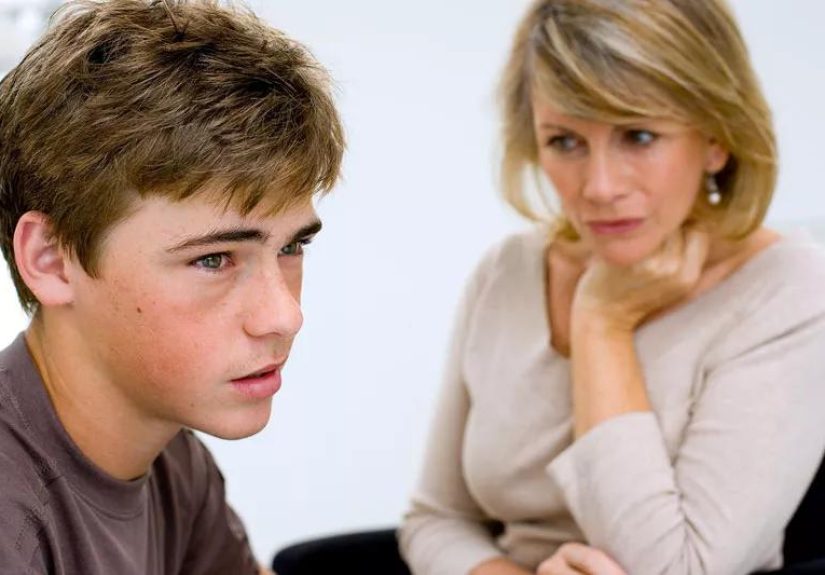
- How to talk to your son (especially if he’s a teen)
- When is it okay to “watch and wait”?
- Can testicle pain be “nothing”? Sometimesbut it’s rarely worth guessing
- Prevention and follow-up: what helps long-term
- Real-world experiences: what families commonly learn the hard way (and the easy way)
- Experience #1: “He said it hurt… then tried to go back to sleep.”
- Experience #2: “It was a sports hit… but the pain didn’t match the story.”
- Experience #3: “He only mentioned belly pain.”
- Experience #4: “He didn’t tell us because he was embarrassed.”
- Experience #5: “It happened once, went away, then came back.”
- Conclusion: take the pain seriously, and let professionals do the sorting
If your son says his testicles hurt, your brain may instantly sprint through a dozen scary possibilitiesthen trip over embarrassment on the way back.
Here’s the calm truth: sometimes it’s minor (a bump during sports, irritation, a temporary strain), but there’s one serious condition
doctors never want to miss: testicular torsion, where blood flow can be cut off and time really matters.
This guide explains what testicle (scrotal) pain can mean in kids and teens, which symptoms should send you straight to the ER,
and how to handle the conversation without turning it into “The Talk: Extended Cut.” (Spoiler: you can be direct, kind, and not weird.)
Important: This article is for general information and can’t replace an in-person medical evaluationespecially for sudden pain.
The quick answer: yesworry enough to take it seriously
“Worry” isn’t the goal. Acting quickly is. Think of testicle pain like a smoke alarm:
sometimes it’s burnt toast, but you still check because the cost of ignoring a real fire is too high.
Rule #1: sudden testicle pain is an ER situation until proven otherwise
If the pain is sudden, severe, or comes with other symptoms like nausea, swelling, or a testicle that looks “off,”
don’t wait for a morning appointment. Go to an emergency department or urgent pediatric ER right away.
Why doctors get so intense about testicular torsion
Testicular torsion happens when the spermatic cord twists and blocks blood flow to the testicle. It can occur in newborns, kids, or teens, but it’s
especially common in adolescents. The problem is simple: no blood flow = tissue damage.
Early treatment improves the chance of saving the testiclethis is why clinicians treat torsion as a “time-sensitive emergency.”
You may hear people talk about a “6-hour window.” Real life is messier (sometimes symptoms start gradually or twist/untwist), but the practical advice
is still the same: the sooner, the better. If torsion is possible, it should be evaluated immediately.
Red flags: go now (not “after this episode,” not “after he sleeps”)
- Sudden, severe pain in one testicle or the scrotum
- Swelling, redness, warmth, or a scrotum that looks enlarged
- Nausea or vomiting with testicle/groin pain
- Lower belly pain that comes with scrotal discomfort (torsion can “pretend” to be stomach pain)
- A testicle that appears higher than the other or at an odd angle
- Fever plus scrotal pain (can signal infectionstill needs prompt evaluation)
- Pain after trauma that is intense, worsening, or paired with swelling/bruising
- In infants: a scrotum that looks bruised, firm, or swollen (even if the baby isn’t acting like they’re in pain)
Common causes of testicle pain in boys (and how they usually show up)
Many conditions can cause scrotal pain. Some are urgent, some are uncomfortable but not dangerous, and some are “we still have to check urgently because
they look like torsion.” Here are the big ones:
1) Testicular torsion (emergency)
Classic torsion pain is sudden and severe, often on one side. Your son might feel sick to his stomach, vomit, or say his lower belly hurts. The scrotum
may swell or redden. In torsion, the testicle may sit higher than usual. Not every case looks textbook, which is why doctors prefer to evaluate quickly
rather than gamble.
2) Torsion of the appendix testis (very common in prepubertal boys)
The appendix testis is a tiny leftover piece of tissue that can twist and cause pain. This can be very painful and look alarming, but it’s often less
dangerous than full testicular torsion. Sometimes there’s a small “blue dot” under the scrotal skin. The tricky part:
it can resemble torsion, so medical evaluation is still important.
3) Epididymitis (inflammation, sometimes infection)
Epididymitis is inflammation of the epididymis (the structure behind the testicle). Pain may start more gradually over hours, and swelling/tenderness can
build. In children, it can be associated with urinary infections or other causes; in sexually active teens, it can be linked to sexually transmitted
infections. A clinician may check urine and decide whether antibiotics are needed.
4) Inguinal hernia (sometimes urgent)
An inguinal hernia happens when tissue from the abdomen pushes into the groin; in boys it can extend into the scrotum and cause swelling or a bulge.
Some hernias can be pushed back in and aren’t emergencies, but an incarcerated hernia (trapped tissue) can be urgentespecially if there is significant
pain, vomiting, or a firm bulge that won’t go away.
5) Hydrocele or varicocele (often more “noticed” than painful)
A hydrocele is fluid around the testicle, often causing swelling. Varicocele is enlarged veins in the scrotum, more common in teens.
These are frequently not emergencies, but new swelling or pain still deserves evaluationmainly to rule out urgent problems.
6) Trauma (sports, bikes, roughhousing)
A direct hit can cause bruising and pain. Most mild injuries improve with time, but severe pain, significant swelling, persistent vomiting, or worsening
symptoms should be evaluated urgently to rule out serious injury or torsion (torsion can also happen after activity).
7) Mumps orchitis (rare with vaccination, but possible)
In adolescents and adults who get mumps, inflammation of the testicle can occur. This typically happens alongside other mumps symptoms (like swollen
salivary glands near the jaw) and fever. With widespread MMR vaccination, this is less commonbut clinicians still consider it based on symptoms and
exposure.
A parent-friendly “pattern check” table
No table can diagnose your child, but patterns can help you decide how urgently to seek care. When in doubt, choose urgent.
| Pattern | What it can suggest | What you should do |
|---|---|---|
| Sudden, severe one-sided pain ± nausea/vomiting | Testicular torsion (or something that looks like it) | Go to the ER now |
| Gradual worsening over hours, tender swelling, possible fever or urinary symptoms | Epididymitis/epididymo-orchitis | Same-day urgent evaluation (often ER/urgent care) |
| Scrotal pain with a small “blue dot” area | Appendix testis torsion | Urgent evaluation to rule out torsion |
| Bulge in groin/scrotum that changes with standing/straining | Inguinal hernia | Prompt medical visit; ER if severe pain, vomiting, firm bulge, or child looks ill |
| After a hit/injury, mild pain that improves quickly and no swelling | Minor trauma/strain | Monitor closely; seek care if pain persists, worsens, or swelling appears |
| Infant with firm/bruised-looking scrotum | Possible torsion or other urgent condition | Emergency evaluation |
What will happen at the ER (so your imagination doesn’t write a horror movie)
Most families want to know what’s coming. Typically, clinicians will:
- Ask about when the pain started, how quickly it peaked, and whether it comes and goes
- Check for swelling, tenderness, redness, and the position of the testicles
- Consider a Doppler ultrasound to assess blood flow (especially if torsion isn’t obvious)
- Do a urine test if infection is possible; in teens, they may discuss STI testing privately and respectfully
If torsion is strongly suspected, the team may move quickly toward surgical evaluation. If an ultrasound confirms torsion, treatment is generally urgent
surgery to untwist and secure the testicle. Often, the other testicle is also secured to prevent future torsion.
What you can do at home while you’re heading in
You don’t need to diagnoseyour job is to get him to care. Practical steps:
- Stay calm (your son will mirror your energy)
- Ask three quick questions: When did it start? Is it getting worse? Any nausea, swelling, fever, or injury?
- If the pain is sudden/severe or there’s swelling: go to the ER
- Avoid “fixes” that delay care (no “let’s wait an hour and see” for severe sudden pain)
For comfort, clinicians often suggest acetaminophen or ibuprofen when appropriate for a child’s age and health history, but if torsion is possible,
pain medicine should not delay urgent evaluation. If you’re unsure, head in and let the medical team guide the next steps.
How to talk to your son (especially if he’s a teen)
Many boys delay telling a parent because it’s awkward, not because they’re trying to be dramatic. A simple approach works:
- Use plain words: “Testicle pain can be serious. I’m glad you told me.”
- Offer privacy: “Do you want Dad/Mom to come in, or should it be just one of us?”
- Normalize it: “Doctors see this every day. They’re not judging you.”
- Give him control where possible: “You can talk to the doctor alone for part of the visit if you want.”
If the issue might involve sexual activity, a teen may be more honest with a clinician in private. That privacy isn’t a threat to parentingit’s a tool
for good medical care.
When is it okay to “watch and wait”?
If the pain is mild, clearly linked to a minor bump or temporary strain, improves quickly, and there’s
no swelling, redness, nausea, vomiting, fever, or unusual testicle position, you may monitor closely and contact your pediatrician for
next-step guidance. But if anything doesn’t fit that reassuring pictureespecially if the pain is sudden or intensechoose urgent evaluation.
Can testicle pain be “nothing”? Sometimesbut it’s rarely worth guessing
Parents often worry they’ll be labeled “overreactive.” In pediatric care, no one hands out trophies for staying home during a possible emergency.
Many ER visits for scrotal pain end with treatable, non-life-threatening causesbut the visit is still valuable because it rules out the dangerous ones.
Prevention and follow-up: what helps long-term
- Sports protection: Use appropriate protective gear for contact sports
- Vaccines: Keeping up with MMR helps reduce mumps-related complications
- Don’t ignore repeat episodes: Pain that comes and goes can suggest intermittent torsion or another issue worth evaluating
- Follow specialty advice: If a urologist recommends follow-up or a procedure, ask what it prevents and what symptoms to watch for
Real-world experiences: what families commonly learn the hard way (and the easy way)
The stories below are composites based on common patterns families describe in pediatric clinics and emergency departments. They’re meant to make the
decision points feel realnot to scare you, but to help you move from panic to action.
Experience #1: “He said it hurt… then tried to go back to sleep.”
A lot of boysespecially teensdownplay pain because they don’t want attention. One common scenario: a child wakes up with sharp testicle pain, looks pale,
maybe feels nauseated, and insists it’s “fine.” Parents who act quickly often describe two simultaneous feelings at the ER:
relief that they came and shock at how seriously the staff takes it.
Even when the final diagnosis isn’t torsion (sometimes it’s torsion of the appendix testis), families frequently say the same thing afterward:
“I’m glad we didn’t wait.” Their takeaway becomes a household rule: sudden scrotal pain = immediate evaluation, no debate.
Experience #2: “It was a sports hit… but the pain didn’t match the story.”
Another common pattern happens after a game or practice. A kid gets hit by a ball, kneed accidentally, or falls off a bike.
Mild soreness that improves is one thing. But when the pain is intense, persistent, or paired with swelling, parents often realize the “injury explanation”
doesn’t guarantee safety. Clinicians may still check for torsion, bleeding, or significant trauma. Parents say the most helpful mindset shift was this:
“I’m not trying to diagnose; I’m trying to make sure he doesn’t lose time if it’s serious.” That mental reframe can make the decision to seek care faster
and less emotionally loaded.
Experience #3: “He only mentioned belly pain.”
One of the sneakier experiences families report is scrotal pain that presents as stomach pain. A boy complains of lower abdominal pain and nausea, and it’s
easy to think “stomach bug” or even “appendix.” Some parents only discover the scrotal symptoms after a direct question:
“Any pain in the groin or testicles?” That’s why many pediatric resources specifically mention that torsion can show up as abdominal pain. Families who
catch this early often share the same advice with friends: if a boy has unexplained lower belly pain plus nausea, it’s worth asking the awkward question.
Awkward is temporary; missed torsion can have lasting consequences.
Experience #4: “He didn’t tell us because he was embarrassed.”
This is one of the most repeated lessons: kids delay because it’s personal. Parents who handle it best usually keep the language simple and the tone calm:
“Thank you for telling me. We’re going to get this checked.” They avoid jokes that make the child feel mocked (even if the parent is nervous and humor is
their default coping mechanism). They also offer privacy and choicewho comes to the room, whether the teen wants a moment alone with the clinician, and
reassurance that doctors see genital concerns all the time. The outcome is not just better medical care; it’s better trust for the next sensitive issue.
Experience #5: “It happened once, went away, then came back.”
Some families describe pain that appears, eases off, then returns later. When this happens, it can be tempting to treat the first improvement as proof
that it wasn’t serious. But intermittent symptoms can still deserve urgent evaluation. Parents who pursue follow-up after recurring pain often discover
there’s a real, fixable causesometimes requiring a specialist visit. Their biggest regret isn’t the ER trip; it’s not going sooner the first time.
Their biggest relief is usually that the condition was identified before it became an emergency at the worst possible hour (because, yes, kids love to
develop urgent symptoms at 2:17 a.m. on a holiday).
Conclusion: take the pain seriously, and let professionals do the sorting
If your son complains of testicle pain, you don’t need to become a pediatric urologist overnight. You do need to recognize the situations where speed
matters. Sudden, severe pain; swelling; nausea/vomiting; fever; an odd-looking testicle; or pain in a very young child are all reasons to seek urgent
evaluation. Many causes are treatable, and even the scary ones have better outcomes when addressed quickly.
The best parent move isn’t guessing the diagnosisit’s creating a home culture where boys know they can report genital pain without shame, and where the
response is calm, fast, and protective.