Table of Contents >> Show >> Hide
- What Is Shrimp Ceviche? (And Is It Actually “Cooked”?)
- The Flavor Blueprint: What Makes Great Shrimp Ceviche
- Food Safety: The Shrimp Ceviche Rules That Keep the Party Fun
- Classic Shrimp Ceviche Recipe (Safer, Brighter, Still Totally Addictive)
- Shrimp Ceviche Variations That Don’t Taste Like “The Same Recipe in a Different Bowl”
- Make-Ahead Tips, Storage, and Leftovers
- Common Shrimp Ceviche Mistakes (So You Don’t Make “Shrimp Regret Bowl”)
- Nutrition Notes: Light, Protein-Rich, and Easy to Balance
- Conclusion: Shrimp Ceviche That Tastes Like a Vacation, Not a Science Experiment
- Experiences With Shrimp Ceviche: What It’s Like to Make (and Serve) It in Real Life
Shrimp ceviche is what happens when summer, a bag of shrimp, and a mountain of limes decide to throw a pool party
in your fridge. It’s bright, cool, crunchy, and endlessly scoopablebasically the kind of dish that makes tortilla
chips feel like they finally found their purpose.
But shrimp ceviche also comes with a little culinary plot twist: people often say the citrus “cooks” the shrimp.
That’s sort of trueenough to be confusing. In this guide, you’ll get a flavor-packed shrimp ceviche recipe,
smart ingredient picks, and the food-safety know-how that helps you serve it confidently. No weird shortcuts, no
keyword stuffing, no “Step 1: Be a robot.” Just real shrimp ceviche, done right.
What Is Shrimp Ceviche? (And Is It Actually “Cooked”?)
Ceviche is a Latin American seafood dish where citrus juice (usually lime) transforms seafood’s texture and flavor.
The acid changes (denatures) the proteins, turning translucent seafood opaque and firmlike it’s been cooked.
That’s why shrimp ceviche can look “done” even if it never touched heat.
Acid “cooking” vs. heat cooking
Here’s the important part: citrus changes texture, but it does not work like heat in terms of reliably killing
harmful germs. That’s why many trusted U.S. test kitchens and home-cooking sites recommend using briefly cooked
(poached) shrimp for a safer, more consistent shrimp ceviche recipeespecially if you’re serving kids, pregnant
people, older adults, or anyone with a weakened immune system.
Think of it this way: lime juice can give shrimp a “cooked” makeover. But heat is what gives you the safety
guarantee. The good news? A quick poach takes about a minute and keeps the shrimp tenderno rubber erasers allowed.
The Flavor Blueprint: What Makes Great Shrimp Ceviche
The best shrimp ceviche hits a sweet spot: bright acid, gentle heat, crisp vegetables, and just enough salt to make
everything pop. If your ceviche tastes flat, it’s almost always one of these: not enough salt, not enough acid, or
it’s warm (ceviche is a cold dishlukewarm ceviche is basically a sad salsa).
Shrimp: fresh vs. frozen
Frozen shrimp is often an excellent choice because it’s typically frozen quickly after harvest, which helps preserve
quality. Look for peeled and deveined shrimp to save time. Medium or large shrimp work best because they stay juicy
after a quick cook and don’t disappear into the mix.
Citrus: lime leads, but friends are welcome
Lime juice is the signature flavor, but adding lemon or orange can round out the sharp edges and make the ceviche
taste more layered. If your limes are super tart, a splash of orange can feel like turning on the “pleasant” setting.
Crunch crew: vegetables and herbs
Classic mix-ins include red onion, tomato, cucumber, cilantro, and a chile (jalapeño or serrano). The goal is crisp,
fresh, and colorful. If your tomatoes are watery, seed them. If your onions are aggressive, give them a quick soak.
Heat and seasoning
A little chile goes a long way. You can always add hot sauce at the end, but you can’t un-spice a bowl once it’s
spicy enough to make your forehead sweat in Morse code. Salt is non-negotiableadd it gradually and taste as you go.
Food Safety: The Shrimp Ceviche Rules That Keep the Party Fun
Shrimp ceviche is often served “raw” (cured in citrus), but U.S. food-safety guidance consistently warns that raw or
undercooked seafood can carry harmful bacteria or parasites. If you’re making shrimp ceviche at home, the simplest
safer choice is using cooked shrimp and chilling it properly before mixing.
Who should avoid raw or undercooked ceviche
People who are pregnant, older adults, very young children, and those with weakened immune systems are typically
advised to avoid raw seafood dishes, including ceviche. If you’re cooking for a crowd and you don’t know everyone’s
risk level, cooked shrimp ceviche is the considerate move.
How to make shrimp ceviche safer (without ruining it)
- Quick-poach the shrimp for about 45–90 seconds, depending on size, then chill in ice water.
- Keep everything cold: shrimp ceviche should live in the fridge until serving time.
- Use clean tools: separate cutting boards for seafood and produce if possible.
- Serve fresh: ceviche is best the day you make it; leftovers can get watery and mushy.
Classic Shrimp Ceviche Recipe (Safer, Brighter, Still Totally Addictive)
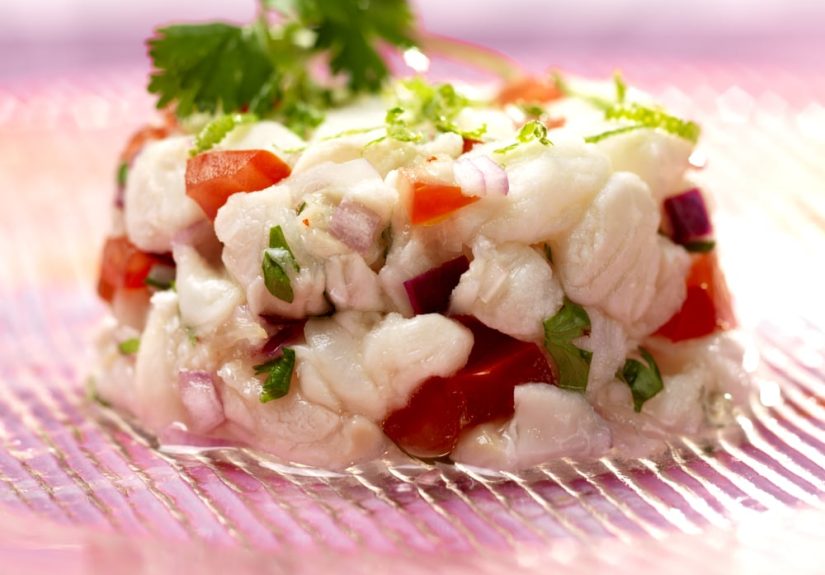
This is a cooked-shrimp ceviche recipe designed for great texture, bold flavor, and better peace of mind. It’s
perfect as an appetizer, light lunch, or the thing you bring to a party that mysteriously vanishes first.
Ingredients (serves 6 as an appetizer)
- 1 pound medium or large shrimp, peeled and deveined
- 1 cup lime juice (fresh is best; bottled works in a pinch)
- 2 tablespoons lemon juice (optional, for balance)
- 1/2 cup finely diced red onion
- 1 cup diced cucumber (seeded if watery)
- 1 cup diced ripe tomatoes (seeded for less liquid)
- 1–2 jalapeños or 1 serrano, minced (remove seeds for less heat)
- 1/2 cup chopped cilantro (stems are flavoruse some!)
- 1 small garlic clove, grated (optional but excellent)
- 1/2 teaspoon kosher salt, plus more to taste
- Black pepper to taste
- 1–2 tablespoons olive oil (optional, for a smoother finish)
- 1 large avocado, diced (add at the end)
Step-by-step instructions
-
Quick-poach the shrimp. Bring a pot of water to a boil and salt it lightly. Add shrimp and cook
just until pink and firm, about 45–90 seconds (smaller shrimp cook faster). Immediately transfer to an ice-water
bath to stop cooking. Drain well and pat dry. -
Cut for perfect bites. Chop shrimp into bite-size pieces (or leave whole if small). Cutting helps
the citrus flavor coat everything evenlyplus it makes scooping with chips less like a cardio workout. -
Soften the onion. For a gentler bite, soak diced red onion in cold water for 5–10 minutes, then
drain. (Optional, but it can be the difference between “fresh” and “I can taste purple.”) -
Mix the base. In a large bowl, combine lime juice, lemon juice (if using), onion, cucumber,
tomatoes, chile, cilantro, garlic (if using), salt, and pepper. -
Add shrimp and chill. Stir in shrimp. Refrigerate 15–30 minutes for flavors to mingle.
Taste and adjust: more salt, more lime, more chile, or a drizzle of olive oil if you want it rounder. - Finish with avocado. Fold in diced avocado right before serving so it stays creamy and intact.
How to serve shrimp ceviche
- Ceviche tostadas: spread a thin layer of mashed avocado, then pile ceviche on top.
- Tortilla chips: the classic scoop-and-crunch method (highly recommended).
- Lettuce cups: light, crisp, and great if you want fewer chips (or you ran out).
- Over greens: turn it into a citrusy shrimp ceviche salad with extra cucumber.
Shrimp Ceviche Variations That Don’t Taste Like “The Same Recipe in a Different Bowl”
Mexican-style shrimp ceviche
This version often leans into tomatoes, cilantro, and chiles, sometimes with a splash of tomato juice or Clamato
for a “ceviche meets cocktail” vibe. Add diced celery for extra crunch, or a little oregano for a more savory edge.
Serve it with tostadas and a squeeze of extra lime.
Peruvian-inspired brightness
Peruvian ceviche is famous for its punchy citrus and chile character. For a home-friendly nod, blend a little lime
juice with cilantro stems, a tiny bit of garlic, and a slice of chile, then strain. Stir that into your shrimp
mixture to create a “leche de tigre”-style flavor booster (without turning dinner into a blender science project).
Tropical fruit ceviche
Mango or pineapple adds sweetness that plays beautifully with lime. If you go fruity, keep the vegetables crisp
(cucumber, onion) and don’t skip saltsalt is what keeps “tropical” from turning “fruit salad with shrimp.”
Extra-spicy and smoky
Add diced chipotle in adobo (go easy), smoked paprika, or a splash of hot sauce. This is the version for people who
think “mild salsa” is a personal insult.
Make-Ahead Tips, Storage, and Leftovers
Can you make shrimp ceviche ahead of time?
Yeswith a strategy. Mix everything except avocado and add the shrimp shortly before serving if you can. If you must
fully assemble ahead, keep it cold and add avocado at the last minute to prevent browning and mushiness.
How long does shrimp ceviche last?
Shrimp ceviche is best the day it’s made. In the fridge, it can hold for about 1 day, but the vegetables release
water and the texture changes. If it gets watery, drain off a little liquid, add a pinch of salt, and freshen with
extra cilantro and lime.
Common Shrimp Ceviche Mistakes (So You Don’t Make “Shrimp Regret Bowl”)
- Overcooking the shrimp: it turns firm-fast. Quick poach, then ice bath.
- Skipping salt: ceviche without salt tastes like a citrus bath. Season confidently.
- Using watery tomatoes: seed them, or your ceviche becomes soup.
- Serving warm: chill time matters for both flavor and food safety.
- Adding avocado too early: it browns and breaks downadd it right before serving.
Nutrition Notes: Light, Protein-Rich, and Easy to Balance
Shrimp ceviche is naturally high in protein and feels light because it’s built on citrus and vegetables instead of
heavy sauces. Pair it with whole-grain tostadas, add extra cucumber and tomatoes for volume, or serve with a side
salad for a full meal. If you’re watching sodium, season carefully and rely on lime, herbs, and chile for punch.
Conclusion: Shrimp Ceviche That Tastes Like a Vacation, Not a Science Experiment
Great shrimp ceviche is all about balance: bright lime juice, crisp vegetables, a little heat, and shrimp that stays
tender. If you quick-poach and chill your shrimp first, you get the best of both worldsclassic ceviche flavor with a
safer, more consistent result. Build it into ceviche tostadas, scoop it with chips, or turn it into a fresh dinner
bowl. Either way, your fridge just became the most popular place in the house.
Experiences With Shrimp Ceviche: What It’s Like to Make (and Serve) It in Real Life
The first time most people make shrimp ceviche, the experience is a mix of excitement and mild suspicion.
Excitement because the ingredients look like a summer catalog photoglossy tomatoes, bright lime juice, green
cilantro confetti. Suspicion because it feels like you’re getting away with something: “Wait… that’s it? I just mix
it and it becomes amazing?” Pretty much, yesassuming you respect a few realities that only show up in real kitchens.
One very common experience: realizing that shrimp texture changes fast. If you’ve ever overcooked shrimp, you know
the heartbreakone minute it’s tender, the next it’s bouncy. That’s why quick-poaching feels like a cheat code. It’s
not a long cook; it’s more like a shrimp spa visit. Once people try the quick-poach + ice bath method, they often
describe the ceviche as “cleaner” and “sweeter,” because the shrimp stays juicy and doesn’t fight the citrus.
Another classic moment is learning the power of salt in ceviche. Many first batches taste “healthy” in the way that
means “I forgot seasoning.” The fix is almost always a small pinch of salt, added gradually, with a taste after each
pinch. The experience is surprising because lime is already bold, but without salt the flavors don’t lock together.
When salt hits the right level, everything suddenly tastes sharper, fresher, and more like the ceviche you’d order at
a good restaurant.
People also tend to have an “onion awakening.” Red onion is traditional and delicious, but raw onion can be intense.
In real-life batchesespecially for partiessoaking the onion briefly in cold water becomes a small act of kindness.
It keeps the crunch but takes off the harsh edge. Guests who “don’t like onion” often end up eating it anyway and
pretending it never happened.
Serving shrimp ceviche is its own experience, too. At gatherings, ceviche has a funny social pattern: it starts as
the “light option,” then becomes the “why is this bowl empty?” option. Tortilla chips create momentumone scoop turns
into five, and suddenly you’re doing refill math. If you’ve ever hosted, you learn quickly that ceviche tostadas are a
smart move because they slow people down (slightly) and look impressive with almost no extra work.
Then there’s the temperature lesson. In real kitchens, ceviche tastes best coldboth for flavor and comfort. Warm
shrimp ceviche feels off, like salsa that accidentally sat on the counter during a long phone call. The best
experiences usually involve chilling the bowl, keeping it covered, and serving it over a tray of ice if you’re
outside. It’s a small detail that makes the dish taste “restaurant crisp” instead of “I made this in a hurry.”
Finally, many people notice shrimp ceviche is a confidence builder. Once you nail the balanceacid, salt, crunch,
heatyou start improvising: a little mango here, a touch of orange juice there, extra cucumber for crunch, or a
drizzle of olive oil to round the edges. That’s the point where shrimp ceviche stops being just a recipe and becomes
a reliable move: the thing you can throw together when it’s hot, when friends are coming over, or when you want a
meal that tastes like you tried harder than you actually did.