Table of Contents >> Show >> Hide
- Why Cleaning Latex Paint from a Brush Is Usually Easy
- What You Need Before You Start
- Step-by-Step: The Best Way to Clean Wet Latex Paint from a Brush
- How to Clean a Brush with Partly Dried Latex Paint
- Can You Save a Brush with Fully Dried Latex Paint?
- Common Mistakes That Ruin a Good Paint Brush
- Simple Tips to Keep Brushes Clean During a Long Painting Day
- How to Store a Paint Brush After Cleaning
- When It Is Worth Replacing the Brush
- Real-World Experiences: What Cleaning Latex Paint from a Brush Actually Teaches You
- Final Thoughts
If you have ever finished painting a wall, admired your work, and then looked down at your brush like, “Well, buddy, this may be the end,” you are not alone. Latex paint is friendly stuff while it is wet, but once it starts drying inside the bristles, it turns into a clingy houseguest that absolutely refuses to leave. The good news is that cleaning a brush after using latex paint is not complicated. In fact, if you move quickly and follow a few simple steps, you can keep a good brush soft, straight, and ready for the next round.
This guide breaks down the easiest ways to clean latex paint from a brush, how to deal with partially dried paint, what mistakes shorten brush life, and how to store your tools so they do not end up looking like a broom that lost a bar fight. Whether you are a weekend DIY painter or someone who just wants to avoid buying the same brush over and over, these tips will help.
Why Cleaning Latex Paint from a Brush Is Usually Easy
Latex paint is water-based, which means it is far easier to clean than oil-based coatings. That is the main reason so many homeowners love it. In most cases, you do not need harsh solvents. Warm water, a little dish soap or mild detergent, your fingers, and maybe a brush comb will do the job just fine.
But there is one catch: timing matters. The best way to clean latex paint from a brush is to do it immediately after painting. If you let paint dry deep near the ferrule, the metal band that holds the bristles, cleanup gets much tougher. Once dried paint hardens in the center, even a high-quality brush can lose its shape, stiffness, and clean-cut edge.
What You Need Before You Start
Keep your cleanup setup simple. You do not need a fancy workshop sink or a magical secret potion from the paint aisle.
- A bucket or sink with warm water
- Mild dish soap or gentle detergent
- A rag, paper towels, or cardboard for wiping off excess paint
- Your fingers for working soap through the bristles
- A brush comb for stubborn paint near the center
- A dry cloth for blotting
If the brush has started to stiffen, warm soapy water and a little patience usually help. For badly dried latex paint, some painters also use warm vinegar or a brush cleaner made for dried water-based paint, but that is the rescue mission, not the first plan.
Step-by-Step: The Best Way to Clean Wet Latex Paint from a Brush
1. Remove as Much Paint as Possible First
Before you rush to the sink, get rid of the extra paint still sitting in the brush. Wipe the brush across the edge of the paint can, scrape it gently on scrap cardboard, or brush it onto newspaper or a rag. This matters more than people think. The less paint you drag into your rinse water, the easier the rest of the cleaning process becomes.
Think of it this way: if your brush is still carrying half a wall’s worth of paint, the sink is not cleaning your brush. It is hosting a paint party.
2. Rinse the Brush in Warm Water
Run the brush under warm water and work the bristles with your fingers. Warm water helps loosen latex paint, especially while it is still fresh. Keep the brush angled downward so the rinse flows away from the ferrule instead of forcing paint deeper into it.
Do not just rinse the tips and call it a day. The paint hiding near the base of the bristles is the paint that causes trouble later. Open the bristles with your fingers and let the water move through the middle of the brush.
3. Use Mild Soap and Work It Through the Bristles
Add a few drops of dish soap or mild detergent to the bristles and massage it through the brush. Use your hand like you are shampooing something delicate and mildly judgmental. Work from the ferrule toward the tips. This helps loosen paint residue without roughing up the filaments.
If the brush still feels slick or tacky, repeat the soap-and-rinse cycle. Latex paint often comes out in stages. The first rinse handles the obvious mess. The second rinse gets the stuff hiding out and pretending it pays rent.
4. Use a Brush Comb for Paint Trapped in the Center
A brush comb is one of those tools that looks unimportant until the day it saves your favorite brush. Run the comb gently from the base of the bristles to the tips. This helps remove paint buildup from the middle and straightens the bristles at the same time.
If you do not have a brush comb, you can use your fingers in a pinch, but a comb does a better job of reaching dried bits. Be gentle. You are cleaning the brush, not interrogating it.
5. Rinse Until the Water Runs Clear
Keep rinsing until the water runs clear and the brush no longer feels gummy. This is the moment many people quit too early. If the bristles still feel sticky, there is still paint inside. A brush that looks clean on the outside can still dry stiff if residue remains deep in the center.
6. Shake, Blot, Reshape, and Dry Properly
Once clean, shake off excess water, blot the brush with a dry cloth, and reshape the bristles with your fingers. Let the brush dry flat or hang it so the shape stays true. Do not store it bristles-down in a cup while wet unless your goal is a permanently bent brush and future regret.
How to Clean a Brush with Partly Dried Latex Paint
Sometimes life happens. The phone rings. Dinner needs attention. You get distracted halfway through cleanup and return to find your brush feeling more like a crunchy snack than a painting tool. Do not panic yet.
Start with warm, soapy water and work quickly. Massage the soap into the bristles and gently loosen the paint with your fingers or a brush comb. Short sessions work better than a long soak. Prolonged soaking can damage the brush, especially if water gets deep into the ferrule.
If plain soapy water does not cut it, try soaking only the bristles briefly in warm vinegar, then comb out the loosened paint and rinse thoroughly with soap and water. This method can help with latex paint that has started to set up, but it is best used as a rescue technique, not your everyday routine.
Can You Save a Brush with Fully Dried Latex Paint?
Sometimes yes, sometimes no, and that is the honest answer. If the dried latex paint is light or moderate, you may be able to soften it using warm soapy water, a short vinegar treatment, or a commercial brush cleaner labeled for dried latex paint. After softening, comb through the bristles carefully and rinse again.
But if the brush has become rock-hard, paint has packed into the ferrule, and the bristles have flared every which way, the brush may never return to full glory. It might still be useful for rough jobs, priming, or disposable-duty tasks, but not for trim, edging, or anything that requires a smooth finish.
Common Mistakes That Ruin a Good Paint Brush
Leaving the Brush Sitting Too Long
The biggest mistake is waiting too long to clean it. Latex paint dries fast, especially in warm or dry conditions. A brush that would have cleaned up in three minutes can become a project in itself if left overnight.
Letting Water Sit in the Ferrule
A quick rinse is good. Letting water seep and sit deep in the ferrule is not. That can weaken the brush over time, trap paint residue, and mess with the bristle shape.
Skipping the Middle of the Brush
The outer bristles may look clean while the center still holds paint. Always open the brush up, work the soap inward, and comb through the base.
Drying the Brush the Wrong Way
Storing a wet brush bristles-down is a shape-killer. Dry it flat or hang it so the bristles stay straight and even.
Using the Wrong Brush for Latex Paint
Synthetic brushes are typically the best choice for latex paint. They clean up more easily and hold their shape better with water-based coatings. Using the right brush from the start makes cleanup easier at the finish line.
Simple Tips to Keep Brushes Clean During a Long Painting Day
If you are painting for several hours, smart habits during the job make the final cleanup much easier.
- Do not overload the brush with paint
- Try to keep paint from creeping up to the ferrule
- Rinse or wipe the brush if you switch colors
- Between short breaks, wrap the brush tightly so paint does not dry on it
- Clean the brush before the paint has time to harden
A little discipline during the project saves a lot of muttering at the sink later.
How to Store a Paint Brush After Cleaning
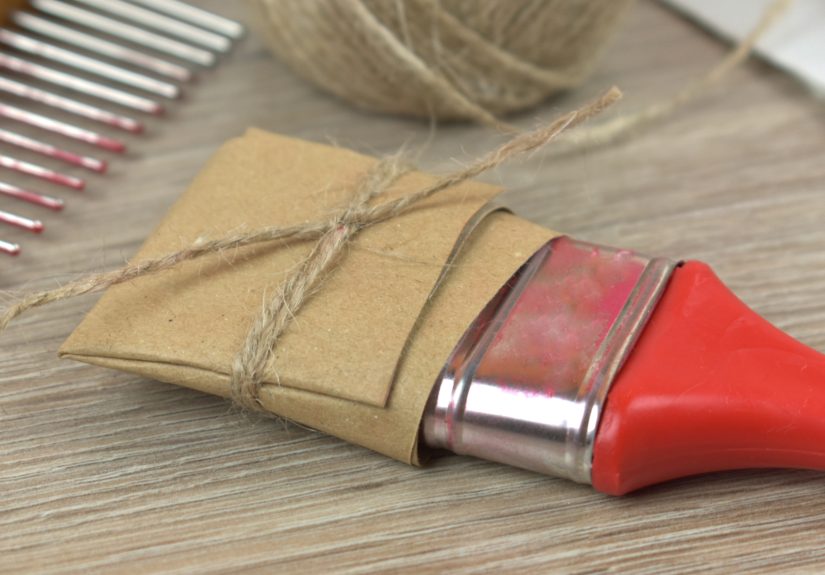
Once the brush is clean and dry, store it where the bristles can keep their original shape. If you still have the brush keeper or cardboard sleeve it came with, use it. That little sleeve is not packaging fluff. It helps the brush dry straight and keeps dust off the bristles.
Store the brush flat or hanging in a clean, dry place. Avoid crushing it into a drawer with random tools, mystery screws, and a tape measure that always vanishes when needed. A good brush can last through many projects if it is cleaned well and stored with a little respect.
When It Is Worth Replacing the Brush
Not every brush deserves a heroic recovery story. Replace it if the bristles stay hard after repeated cleaning, the shape is badly flared, paint is permanently trapped near the ferrule, or the finish it leaves starts looking streaky and messy. A worn-out brush makes painting harder and the final result worse.
That said, many brushes get tossed way too early. A quality synthetic brush used with latex paint can survive many projects if you clean it right away and store it properly. In other words, your brush may not be dead. It may just need a bath and an attitude adjustment.
Real-World Experiences: What Cleaning Latex Paint from a Brush Actually Teaches You
There is a funny gap between what people plan to do after painting and what they actually do. The plan is always impressive. “I will clean this brush immediately, dry it perfectly, and store it like a professional.” Reality usually looks more like this: you finish the last coat, step back proudly, notice a drip on the baseboard, fix that, answer a text, eat something, and suddenly your brush is sitting there with latex paint drying into a personality disorder.
One of the most common experiences homeowners describe is learning the hard way that “I’ll clean it in a minute” is a dangerous sentence. Latex paint gives you a helpful window, but it is not an unlimited one. A brush that rinses clean in warm water after ten minutes can turn stubborn after an hour. That single lesson changes how people paint forever. After one miserable cleanup session, most folks become instant believers in cleaning early.
Another real-world lesson is that the center of the brush matters more than the outside. Plenty of people rinse a brush until the outer bristles look spotless, only to discover the brush dries stiff anyway. Why? Because the hidden paint near the ferrule stayed behind. Once you have felt that crunchy surprise the next day, you stop trusting appearances. You start opening the bristles with your fingers, using a comb, and rinsing with more patience. It is a tiny habit, but it makes a huge difference.
Many DIY painters also discover that a better brush is easier to clean and easier to save. Cheap brushes often shed, splay, or lose shape faster, while a decent synthetic brush made for latex paint tends to release paint more predictably and survive repeated washings. The experience is a bit like buying a good kitchen knife: at first it feels unnecessary, and then suddenly you understand why people keep recommending it.
There is also the strangely satisfying moment when a brush you thought was doomed comes back to life. You work in warm soapy water, use a brush comb, rinse again, reshape the bristles, and the next morning it looks usable again. That little victory makes you feel wildly competent, as if you have unlocked secret trade knowledge passed down by stern but wise painters in white overalls.
Of course, not every story ends in triumph. Sometimes a brush is simply too far gone. Paint dried into the ferrule, bristles bent like a question mark, edge no longer sharp. But even then, the experience teaches something useful. You learn which shortcuts cost you money, which cleanup steps actually matter, and why a five-minute rinse at the end of the day is worth far more than an hour of brush rehab later.
In the end, cleaning latex paint from a brush is one of those small maintenance habits that quietly improves every future project. It saves money, reduces waste, helps your paint go on more smoothly, and keeps your tools ready when inspiration hits again. It may not be glamorous, but neither is buying the same brush three weekends in a row because the last two hardened into modern art.
Final Thoughts
The simplest way to clean latex paint from a brush is also the smartest: remove excess paint, rinse with warm water, use mild soap, clean deep into the bristles, reshape the brush, and dry it correctly. That is the whole game. No mystery. No dramatic rescue soundtrack. Just a good routine that keeps your brush useful for the next project.
If the paint has started to dry, act fast and use warm soapy water or a short rescue treatment before the brush turns into a sculpture. And if you want your future self to feel grateful instead of annoyed, treat cleanup as the final step of painting, not the optional sequel.
Note: This article covers reusable brushes used with water-based latex paint. Oil-based paints and solvent-based coatings require a different cleanup method.