Table of Contents >> Show >> Hide
- Why Lighter Fluid Needs Special Disposal
- Step 1: Read the Product Label First
- Step 2: Do Not Experiment With “Easy Fixes”
- Step 3: Ask a Responsible Adult to Handle the Process
- Step 4: Keep It in the Original Container
- Step 5: Store It Safely Until Disposal Day
- Step 6: Find Your Local Household Hazardous Waste Program
- Step 7: Transport It Only as Directed
- Step 8: Ask About the Empty Container Too
- Common Mistakes to Avoid
- What If You Cannot Find a Disposal Site Right Away?
- Best Practices for Preventing the Problem Next Time
- Real-Life Experiences: What People Learn the Hard Way
- Conclusion
Lighter fluid is one of those garage-and-patio products that seems harmless right up until it absolutely is not. It is handy, smelly, flammable, and not the sort of thing you want sloshing around your trash can like it owns the place. If you have old, unwanted, or mystery-age lighter fluid sitting on a shelf, the goal is not to get “creative.” The goal is to get rid of it safely, legally, and with as little drama as possible.
This guide walks through eight simple ways to handle lighter fluid disposal the smart way. The emphasis here is on common-sense safety: read the label, involve a responsible adult, use your local household hazardous waste program, and do not turn a small cleanup into a backyard chemistry experiment. Think of this as the boring advice that keeps life wonderfully boring.
Why Lighter Fluid Needs Special Disposal
Lighter fluid is not just another half-used household product. It is a flammable fuel, which means poor disposal can create fire risk, harmful fumes, and environmental problems. That is why many local waste programs treat products like fuels, solvents, and similar liquids as household hazardous waste. In plain English: this is not the bottle to “just toss and hope for the best.”
People often run into this problem after summer grilling season, a garage cleanout, a move, or the discovery of a dusty old bottle that may be older than the family dog. Sometimes the container is still in decent shape. Sometimes it looks like it has survived three apocalypses. Either way, the safest approach is careful handling and proper drop-off through an approved local program.
Step 1: Read the Product Label First
Before you do anything else, read the original label. That may sound obvious, but it is the most overlooked part of the whole process. Manufacturers often include storage and disposal directions that matter. If the bottle still has readable instructions, treat them like the opening scene of a mystery movie: they are giving you clues for a reason.
Look for words such as “flammable,” “danger,” “keep away from heat,” and any disposal warnings. If the label says to take the product to a household hazardous waste facility or follow local regulations, that is your answer. If the label is missing or unreadable, skip the guesswork and move straight to contacting your local waste authority.
Step 2: Do Not Experiment With “Easy Fixes”
When people search for how to dispose of lighter fluid, they are often hoping for a fast hack. Unfortunately, hazardous fuels do not respond well to hacks. This is not the time to test internet folklore, invent your own method, or try a shortcut that sounds clever in your head and terrible in the morning news.
Do not pour lighter fluid onto the ground. Do not send it down a drain. Do not mix it with other chemicals. Do not leave it open to “air out.” Do not try to burn it off just to empty the container. Those ideas can create fire hazards, toxic vapors, or local disposal violations. In other words, this is one of those life moments where doing less is actually doing better.
Step 3: Ask a Responsible Adult to Handle the Process
If you are a younger person dealing with leftover lighter fluid at home, get a responsible adult involved. That is not a lecture; it is simply the safest move. A parent, guardian, property manager, or another responsible adult can make the calls, check local rules, and transport the product to a proper disposal location.
This matters because disposal rules can vary by city, county, and state. One area may accept household hazardous waste at a permanent drop-off site, while another may run weekend collection events. Some places have quantity limits, residency requirements, or packaging instructions. An adult can verify the details instead of guessing.
Step 4: Keep It in the Original Container
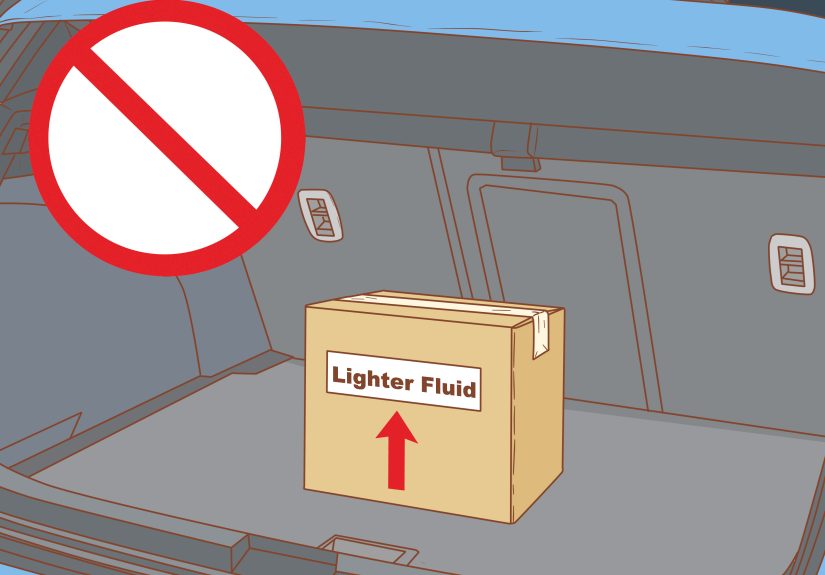
If the container is intact, leave the lighter fluid in its original bottle. That helps preserve the label information and reduces the chance of confusion at a disposal site. It also keeps someone from mistaking the contents for something harmless, which is exactly the kind of mix-up nobody wants in a garage, shed, or car trunk.
Do not repackage it into a drink bottle, coffee can, or random plastic jug. That is how accidents happen. The original packaging is usually the best clue for identification, and waste staff want to know what they are receiving. If the bottle is leaking or badly damaged, the safest next move is not improvisation. It is contacting your local household hazardous waste program or city solid waste department for instructions.
Step 5: Store It Safely Until Disposal Day
Sometimes you cannot get rid of the product the same day you decide to deal with it. That is normal. In the meantime, keep the container closed and set it aside in a location away from flames, sparks, heat sources, and curious hands. The key is temporary, careful storage until you can get it to the right place.
A good temporary storage spot is one that is cool, secure, and not part of the family’s daily chaos. You do not want it next to a water heater, grill, furnace, or pile of mystery extension cords that already look like a bad idea. Keep children and pets away from the area, and avoid moving the container around more than necessary.
Step 6: Find Your Local Household Hazardous Waste Program
This is usually the real answer to how to dispose of lighter fluid. Search for your county or city household hazardous waste program, solid waste department, public works office, or recycling center. Many U.S. communities offer drop-off facilities, special collection days, or guidance hotlines for flammable household products.
When you contact them, ask simple questions:
- Do you accept lighter fluid or other flammable household fuels?
- Do I need an appointment?
- Are there limits on container size or quantity?
- Do residents need proof of address?
- Are there special instructions for transport?
This short phone call or website visit can save you a wasted trip and help you avoid bringing something they cannot accept that day. Practical beats dramatic every time.
Step 7: Transport It Only as Directed
Once you know where it is going, follow the official instructions from your local program. The basic principle is simple: the less handling, the better. Keep the product closed, upright, and under the control of the adult transporting it. The goal is to get it from your home to the approved facility without leaks, spills, or a surprise smell that turns the car ride into a regret-filled memory.
If the disposal program gives specific instructions, follow those exactly. If they tell you to bring the item in its original container and not combine it with anything else, do that. If they require an appointment, schedule it. If they say the site only accepts waste from residents, do not send your cousin from three counties over as your hazardous-material envoy.
Step 8: Ask About the Empty Container Too
People often focus on the fluid and forget the container. That is understandable, but it still matters. If the bottle is completely empty, local rules may differ on whether the container can go in regular trash or needs special handling. The answer depends on the product, the packaging, and local waste guidance.
So ask. It takes about ten seconds and prevents the classic “I disposed of the fuel correctly and then messed up the bottle” situation. If the container still has residue or fumes, the disposal site may want it handled along with the remaining product rather than separated out.
Common Mistakes to Avoid
Treating it like ordinary household trash
Flammable liquids are not regular garbage. Tossing them out carelessly can put sanitation workers, collection vehicles, and waste facilities at risk.
Assuming every county handles it the same way
One county may have a year-round drop-off center. Another may run quarterly events. Another may have a strict resident-only policy. Local rules matter.
Using the product just to get rid of it
Trying to “use it up” is not always a smart answer, especially if the product is old, you do not need it, or you are not experienced. Disposal through the right program is often the safer choice.
Ignoring a damaged or leaking bottle
If the container looks compromised, stop the DIY instinct and contact the local hazardous waste authority for guidance. That is a problem for trained instructions, not guesswork.
What If You Cannot Find a Disposal Site Right Away?
Do not panic, and definitely do not promote the problem from “annoying bottle” to “avoidable emergency.” If you cannot locate a site immediately, call your city or county public works office, sanitation department, or local recycling coordinator. Fire departments may also point residents toward the correct local disposal resource, especially when the issue involves a flammable household product.
You can also check whether your state environmental agency has a household hazardous waste locator. Many do. It is usually faster than bouncing between search results that all claim to know the answer while somehow saying five different things.
Best Practices for Preventing the Problem Next Time
The easiest lighter fluid to dispose of is the one you never overbuy. Purchase only what you expect to use within a reasonable time, store it according to the label, and check your supplies before buying another bottle “just in case.” Garage shelves across America are already crowded with just-in-case products quietly aging into future chores.
If you grill only occasionally, it helps to keep track of what you have before the next cookout season starts. That way, you are not stacking old and new containers together like a museum exhibit titled Questionable Fuel Through the Years.
Real-Life Experiences: What People Learn the Hard Way
Many people do not think about lighter fluid disposal until they are cleaning out a home after a move, renovation, or family change. One common experience is finding a half-used bottle in the back of a shed and realizing nobody remembers when it was purchased. At that moment, the product changes from “grill supply” to “small household mystery.” The smartest households treat that discovery as a signal to slow down, read what they can, and look up the local hazardous waste option.
Another common story starts after a holiday weekend. Someone buys lighter fluid for one barbecue, uses a little, and then forgets about it. Months later, they are decluttering and feel tempted to toss it in the trash with old paper plates and broken tongs. That temptation usually comes from convenience, not bad intentions. But convenience is not a safety plan. People who take the extra step to call their county waste office often say the process was easier than expected once they had the right information.
There are also experiences involving mixed households, where one person assumes a product is fine to keep indefinitely and another person wants everything out immediately. The result is often a family debate in the garage: one side says, “It’s still probably okay,” and the other says, “Why is this bottle sticky?” In those situations, the best answer is not to win the argument. It is to move the decision out of the garage and into the hands of the local disposal program that handles this stuff for a living.
Some renters run into the problem when they inherit leftover products from a previous tenant or a shared outdoor area. They may not know whether the lighter fluid belongs to them, the landlord, or the ghost of cookouts past. A practical solution is to notify the landlord or property manager and ask how they want hazardous items handled. That helps avoid liability questions and keeps the disposal process organized.
Parents often describe a different experience: they discover that teens or younger family members found the bottle while “helping” clean the garage. That is exactly why adult supervision matters. Even well-meaning kids may not understand how risky fumes, spills, or open containers can be. Families that create a simple rule“Do not touch mystery liquids; tell an adult”tend to avoid the most preventable accidents.
Another lesson people share is that local programs are often more helpful than expected. Many residents assume hazardous waste disposal will be complicated, expensive, or loaded with paperwork. In reality, some communities offer free resident drop-off days, clear lists of accepted items, and quick check-in procedures. The hardest part is often not the disposal itself. It is deciding to stop procrastinating and actually look up the program.
Then there is the “I thought empty meant empty” experience. Someone thinks a bottle is done, throws it aside, and later notices it still smells strongly of fuel. That moment is useful because it reminds people that residue matters. A container that seems nearly empty may still need to be handled carefully. Asking the disposal program what to do with the bottle can prevent a careless final step.
People who handle the issue well usually have one thing in common: they resist the urge to improvise. They do not try random internet tricks. They do not pour, dilute, burn, or stash the product where they hope it becomes someone else’s problem. They choose the least dramatic route. And with lighter fluid, the least dramatic route is often the smartest one by far.
Conclusion
If you need to dispose of lighter fluid, keep the plan simple: read the label, do not experiment, involve a responsible adult, keep the product in its original container, and use your local household hazardous waste program. That approach is safer for your home, safer for sanitation workers, and safer for the environment. There is no prize for doing this the fast-and-weird way.
In the end, lighter fluid disposal is less about “getting rid of a bottle” and more about making one calm, informed decision after another. That may not sound glamorous, but neither does calling the fire department because someone tried a shortcut. Choose the boring win.