Table of Contents >> Show >> Hide
- Low estrogen, in plain English: what it is (and what it isn’t)
- Common symptoms of low estrogen
- 1) Period and fertility changes
- 2) Hot flashes and night sweats
- 3) Sleep problems and daytime fatigue
- 4) Mood, focus, and “why did I walk into this room?” moments
- 5) Vaginal, vulvar, and urinary symptoms (often under-talked-about)
- 6) Body composition, skin, and musculoskeletal complaints
- 7) Bone health concerns (the long game)
- Why estrogen gets low: the most common causes
- How low estrogen is diagnosed
- Treatment options: what actually helps
- Hormone therapy (HT): systemic vs. local
- If you have a uterus, progesterone usually joins the group chat
- Risks and who should be cautious
- What’s new (as of late 2025): FDA labeling changes
- Nonhormonal prescription options (especially for hot flashes)
- Over-the-counter support for vaginal dryness
- Treating the underlying cause (when low estrogen isn’t menopause)
- Lifestyle support that’s worth your time
- When to see a clinician sooner rather than later
- FAQ
- Real-world experiences : what low estrogen can feel like in everyday life
- Conclusion
(English guide to low estrogen symptoms, causes, diagnosis, and treatment options.)
Quick note: This article is educational and not medical advice. If you’re worried about symptoms or your cycle, a clinician can help you sort signal from noise.
Low estrogen, in plain English: what it is (and what it isn’t)
Estrogen isn’t just a “reproductive hormone.” It’s more like a multi-tool: it helps regulate menstrual cycles, supports vaginal and urinary tissues,
plays a role in bone remodeling, and interacts with brain chemistry that affects sleep and mood. When estrogen levels are consistently low
(or dropping quickly), your body can protest in a bunch of different wayssometimes subtly, sometimes like a smoke alarm at 3 a.m.
Here’s the tricky part: low estrogen symptoms can overlap with many other conditions (thyroid issues, iron deficiency, chronic stress,
certain medications, depression/anxiety, and normal life in a chaotic world). So the goal isn’t to self-diagnose from a checklistit’s to
recognize patterns, get the right evaluation, and match treatment to the cause.
Common symptoms of low estrogen
Low estrogen can show up differently depending on your age, your baseline hormone levels, and why estrogen is low (menopause transition vs. a medical condition).
Some people get a “greatest hits” album of symptoms; others get one very specific, very annoying track on repeat.
1) Period and fertility changes
- Irregular periods (cycles that suddenly get shorter, longer, heavier, lighter, or unpredictable)
- Missed periods (especially if not pregnant and not on a method that suppresses bleeding)
- Trouble conceiving when low estrogen is tied to ovulation problems
Example: Someone who’s always been “clockwork” might suddenly have two periods close together, then none for six weeks. Another person might
notice spotting and assume it’s stressuntil it keeps happening.
2) Hot flashes and night sweats
As estrogen declines, the brain’s temperature regulation can get twitchy. Hot flashes can feel like a rapid internal heat wave that
climbs your chest and face, sometimes with sweating and a racing heart. If it hits at night and drenches your sheets, that’s the
glamorous subcategory called night sweats.
3) Sleep problems and daytime fatigue
- Trouble falling asleep or staying asleep
- Waking up too early and feeling wired-but-tired
- Fatigue that snowballs into irritability or brain fog
4) Mood, focus, and “why did I walk into this room?” moments
Many people report mood changes during estrogen shiftsmore anxiety, lower mood, or feeling emotionally “thin-skinned.” Some notice memory
glitches or reduced concentration, especially when sleep has taken a hit.
5) Vaginal, vulvar, and urinary symptoms (often under-talked-about)
Estrogen helps keep vaginal and urinary tissues resilient and well-lubricated. When estrogen is low, tissues can become drier and more fragile.
This may cause:
- Vaginal dryness, burning, or irritation
- Pain or discomfort with sex (dyspareunia)
- Burning with urination (even without infection)
- More frequent UTIs or urinary urgency
Not-fun reality: people often treat “recurrent UTIs” over and over without realizing that low estrogen-related tissue changes can be part of the story.
6) Body composition, skin, and musculoskeletal complaints
Some people notice drier skin, joint aches, or shifts in body fat distribution during menopause-related estrogen decline. These symptoms are
common but nonspecificmeaning they can’t confirm low estrogen on their own.
7) Bone health concerns (the long game)
Estrogen helps slow bone breakdown. When estrogen is lowespecially after menopausebone loss can accelerate, raising the risk of osteopenia and osteoporosis over time.
This is usually silent until a fracture happens, which is why prevention matters.
Why estrogen gets low: the most common causes
“Low estrogen” isn’t a single diagnosis. It’s a clue. Below are common reasons estrogen may drop or stay low.
Menopause transition (perimenopause) and menopause
The most common reason for low estrogen is age-related change. During perimenopause, estrogen fluctuates and overall trends downward.
Menopause is diagnosed after 12 months without a period (not due to another cause).
Primary ovarian insufficiency (POI) / early menopause
POI happens when ovarian function declines before age 40. It can be related to genetics, autoimmune conditions, certain infections, or be unexplained.
POI is important to recognize because it can affect fertility and bone/heart health, and it often changes the treatment conversation.
Surgical removal of ovaries or ovarian damage
- Removal of one or both ovaries (oophorectomy)
- Chemotherapy or radiation that impacts ovarian function
Hypothalamic or pituitary causes
The brain helps coordinate reproductive hormones. Severe stress, significant weight loss, restrictive eating, very high training loads, and some medical
conditions can disrupt signaling that supports ovulation and estrogen production. If this might apply, it’s worth getting evaluatedespecially if periods stop.
Postpartum and breastfeeding-related changes
Estrogen is often lower while breastfeeding. Vaginal dryness and discomfort can happen postpartum, even in younger people, and may improve as hormones normalize.
Medications and endocrine conditions
Certain treatments that suppress ovarian function (for example, some cancer therapies) can lower estrogen. Thyroid conditions can mimic menopause-like symptoms,
so clinicians may check thyroid labs when symptoms overlap.
How low estrogen is diagnosed
Diagnosis typically combines (1) symptoms and history, (2) a menstrual/bleeding pattern review, and (3) targeted labs or tests when needed.
The exact approach depends on age and context.
Step 1: History and pattern spotting
- Age and where you might be in the menopause transition
- Cycle changes (timing, flow, skipped periods)
- Hot flashes, sleep disruption, mood shifts
- Vaginal/urinary symptoms and sexual discomfort
- Pregnancy possibility, postpartum status, breastfeeding
- Exercise load, nutrition changes, recent major stressors
- Medication list and cancer treatment history
Step 2: Labs (when they helpand when they don’t)
Blood tests may include estradiol and FSH, sometimes along with thyroid testing and other hormones (like prolactin),
depending on symptoms. One important nuance: during perimenopause, hormones can swing dramatically day-to-day, so a single test may not neatly label you.
Clinicians interpret labs in context.
Step 3: Additional tests based on risk
- Pregnancy test when periods are missed
- Bone density scan (DEXA) when there’s concern about bone loss risk
- Evaluation for causes of abnormal bleeding when indicated
Treatment options: what actually helps
Treatment depends on two things: (1) the cause of low estrogen and (2) which symptoms are most disruptive.
Some people need symptom relief; others need hormone replacement for health protection (for example, in POI). Often it’s both.
Hormone therapy (HT): systemic vs. local
Hormone therapy can be highly effective for vasomotor symptoms (hot flashes/night sweats) and can also help prevent bone loss.
It comes in different forms, and the choice matters:
- Systemic estrogen (pills, patches, gels, sprays): affects the whole body and is most effective for hot flashes/night sweats.
- Local vaginal estrogen (cream, tablet, ring): targets vaginal/urinary symptoms with minimal whole-body exposure for many users.
If you have a uterus, progesterone usually joins the group chat
Estrogen alone can stimulate the uterine lining. For people with an intact uterus, clinicians often prescribe a progestin/progesterone
alongside systemic estrogen to reduce the risk of endometrial overgrowth and cancer. (If you’ve had a hysterectomy, the plan may differ.)
Risks and who should be cautious
Hormone therapy is not one-size-fits-all. Risks vary by age, health history, dose, route (oral vs. transdermal), and timing.
Many guidelines note that for healthy people who start HT before age 60 or within about 10 years of menopause,
the benefit-risk balance can be favorable for symptom treatment. But people with a history of certain cancers, blood clots, stroke, or significant liver disease
may need nonhormonal options.
What’s new (as of late 2025): FDA labeling changes
In November 2025, U.S. health agencies announced changes to remove or update long-standing boxed warnings on many menopausal hormone therapy products,
aiming to better reflect modern evidence and emphasize individualized decision-making. This doesn’t mean “HT is risk-free”it means the conversation is becoming
more precise about which risks apply to which people and which formulations.
Nonhormonal prescription options (especially for hot flashes)
If hormone therapy isn’t a good fitor you’d rather avoid itthere are nonhormonal treatments clinicians may consider for vasomotor symptoms:
- Fezolinetant (Veozah), a nonhormonal option approved for moderate to severe hot flashes
- Some SSRIs/SNRIs (antidepressants) can reduce hot flashes for some people
- Gabapentin may help, especially when night symptoms and sleep disruption are big issues
- Clonidine is sometimes used, though side effects can limit it
Over-the-counter support for vaginal dryness
For dryness and discomfort, many people start with:
- Vaginal moisturizers (used regularly, not just “in the moment”)
- Lubricants for sex (water- or silicone-based, depending on preference and sensitivity)
If symptoms persist, local vaginal estrogen or other prescription options can be very effectiveespecially when urinary symptoms or frequent UTIs are involved.
Treating the underlying cause (when low estrogen isn’t menopause)
If low estrogen is tied to POI, hypothalamic amenorrhea, thyroid disease, or medication effects, treatment focuses on the root issue:
- Address nutritional deficits and stabilize energy availability (with medical support)
- Adjust training load when excessive exercise contributes to cycle loss
- Treat thyroid or pituitary problems if present
- Discuss fertility goals early when POI is suspected
Lifestyle support that’s worth your time
Lifestyle changes won’t “replace estrogen,” but they can lower symptom burden and protect long-term health. Think of these as the supportive cast,
not the entire movie.
For hot flashes and sleep
- Keep the bedroom cool; breathable bedding helps
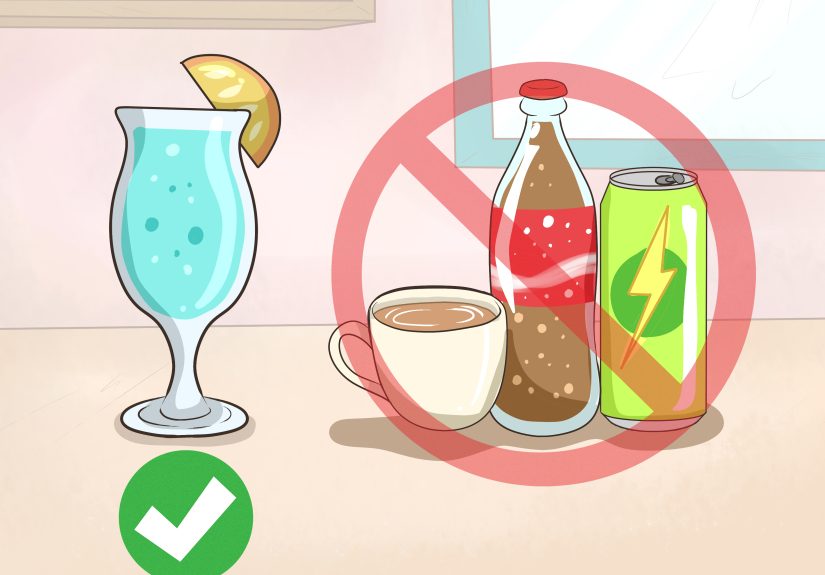
- Limit alcohol close to bedtime (it can worsen sleep and hot flashes)
- Practice consistent sleep timing and a wind-down routine
- Track triggers (spicy food, hot drinks, stress spikes) if you suspect patterns
For bone strength
- Weight-bearing and resistance exercise (walking plus strength training is a classic combo)
- Protein intake appropriate for your needs
- Calcium and vitamin D adequacy (food first when possible; supplements when advised)
- Quit smoking if applicable (smoking is linked to worse bone outcomes and earlier menopause)
A practical example: two 20–30 minute strength sessions per week plus regular walking can be a meaningful bone-health baseline,
especially if you’re also meeting calcium and vitamin D needs.
When to see a clinician sooner rather than later
Some situations deserve prompt evaluation:
- Missed periods without a clear reason (especially under age 40)
- Heavy bleeding, bleeding after sex, or bleeding after menopause
- Hot flashes/night sweats that significantly disrupt daily life or sleep
- Vaginal pain, recurrent UTIs, or urinary symptoms that keep returning
- Symptoms plus risk factors for osteoporosis (family history, early menopause, steroid use, prior fractures)
FAQ
Can low estrogen happen in your 20s or 30s?
Yes. While menopause transition is the most common cause overall, POI, hypothalamic causes (stress, energy deficit, excessive training),
and medical treatments can lower estrogen earlier. Early evaluation matters because the plan may be different than “wait it out.”
Is a home hormone test enough to diagnose low estrogen?
At-home testing can sometimes provide clues, but hormones fluctuateespecially in perimenopause. A clinician can interpret results alongside symptoms,
cycle patterns, and other labs to avoid false certainty.
Does vaginal estrogen help urinary symptoms?
For many people with genitourinary syndrome of menopause, local estrogen can improve vaginal dryness and may also help urinary urgency and recurrent UTIs,
because the tissues are closely connected and respond to estrogen.
Does hormone therapy “fix” everything?
Hormone therapy is very effective for certain symptoms (hot flashes, night sweats, GSM) and can support bone health, but it’s not a cure-all.
The best results come from matching the therapy to your symptoms, risks, and goalsand revisiting the plan over time.
Real-world experiences : what low estrogen can feel like in everyday life
I can’t offer personal experiences, but I can share common real-world patterns that clinicians and patients frequently describebecause
low estrogen often announces itself through daily annoyances long before it shows up as a tidy lab number.
The “I thought I was just stressed” season
A very common experienceespecially in the late 30s to late 40sis assuming symptoms are purely stress-related. Sleep gets weird first:
you fall asleep fine, then wake up at 2:47 a.m. like your brain just remembered an embarrassing middle school moment. A few nights later,
you wake up warm, then sweaty, then wide awake. During the day, you’re more reactive than usualsnappy at tiny inconveniences, teary at commercials,
or mentally foggy in meetings. Many people describe it as feeling “not like myself,” which is accurate and frustrating.
What often helps in this phase is tracking patterns without catastrophizing: note hot flash frequency, sleep disruption, cycle changes,
caffeine/alcohol timing, and stress peaks. When you bring that information to a clinician, the appointment gets more productive fast.
Instead of “I feel off,” you can say, “I’m waking with night sweats three nights a week, my cycles changed from 28 days to 21–45 days,
and I’m having new vaginal dryness.” That’s a map, not a mystery novel.
The “my body’s thermostat is possessed” phase
Hot flashes are often described with surprising humor: “It’s like someone turned on a space heater inside my chest,” or “My face gets so hot I feel
like I could toast bread.” People also mention the after-effect: chills once the flush passes, like your body can’t decide if it’s summer or winter.
In real life, this can affect work confidence (sweating during presentations), social plans (avoiding crowded restaurants), and sleep.
Many find relief by combining strategies: cooling routines + sleep hygiene + a medical option (hormone therapy or a nonhormonal prescription).
The “best” plan is the one you can realistically do on a Tuesday when you’re tired and life is loud.
The quiet-but-serious genitourinary story
Vaginal and urinary symptoms are often the least discussed and the most quality-of-life-altering. People report dryness that makes sitting uncomfortable,
stinging during urination even when tests show no infection, or UTIs that keep returning. Sex may become painful, which can create relationship stress,
avoidance, and a spiral of worryespecially if someone feels embarrassed bringing it up.
A frequent turning point is learning that these symptoms are common and treatable. Regular moisturizers, better lubrication choices,
and (when appropriate) local vaginal estrogen can make a dramatic difference for many. People often describe feeling relievednot just physically,
but emotionallybecause the symptoms finally have an explanation that isn’t “you’re broken” or “it’s all in your head.”
Early low estrogen and the “why did my period disappear?” question
In younger people, low estrogen sometimes shows up as missing periods, often alongside major life changes: intense training, significant stress,
postpartum shifts, or recovery from illness. Many describe initially feeling “fine,” until they notice downstream effects like fatigue, anxiety,
decreased libido, or more frequent injuries. This is where professional guidance matters mostbecause the goal is not to push through symptoms,
but to restore health, protect bones, and address the underlying driver.
Bottom line from these lived patterns: low estrogen isn’t just one symptomit’s a constellation. When symptoms affect sleep, mood, relationships,
urinary comfort, or bone health, you deserve more than “tough it out.” You deserve a plan.