Table of Contents >> Show >> Hide
- What Birch Living Actually Sells
- Why the Materials Matter
- What Makes It Feel “Healthful”
- How the Birch Living Mattress Actually Feels
- Who Will Love Itand Who Might Not
- How to Read the Organic Claims Without Falling for Mattress Poetry
- Is Birch Living Worth It?
- Final Thoughts
- Real-World Sleep Experiences: What Living With Birch Can Feel Like
- SEO Tags
Buying a mattress used to be simple. You flopped onto one in a brightly lit showroom, nodded politely while someone said the word “lumbar” too many times, and then went home with a bed you hoped would not feel like a warm bagel by 2 a.m. Today, shoppers want more. They want comfort, yes, but they also want cleaner materials, credible certifications, better airflow, and some reassurance that their bedroom is not secretly a chemistry experiment with fitted sheets.
That is exactly where Birch Living enters the roomquietly stylish, proudly natural, and very eager to convince you that better sleep can start with better materials. The brand’s signature mattress has built a loyal following for its mix of organic cotton, natural wool, latex, and supportive coils. It is often talked about in glowing eco-luxury terms, and for good reason. But the smart question is not whether Birch Living sounds good on paper. It is whether this mattress actually earns its reputation once the lights go out.
The answer is mostly yeswith a few caveats, and those caveats matter. Birch Living offers a mattress that feels thoughtfully built, impressively breathable, and refreshingly free of the squishy sinkhole vibe many all-foam beds create. At the same time, this is not a pillow-soft marshmallow, and it is not literally “100 percent organic” in the way some headlines imply. It is, however, a serious contender for sleepers who want a healthier-feeling, lower-emission, naturally breathable bed that does not sacrifice support in the name of sustainability.
What Birch Living Actually Sells
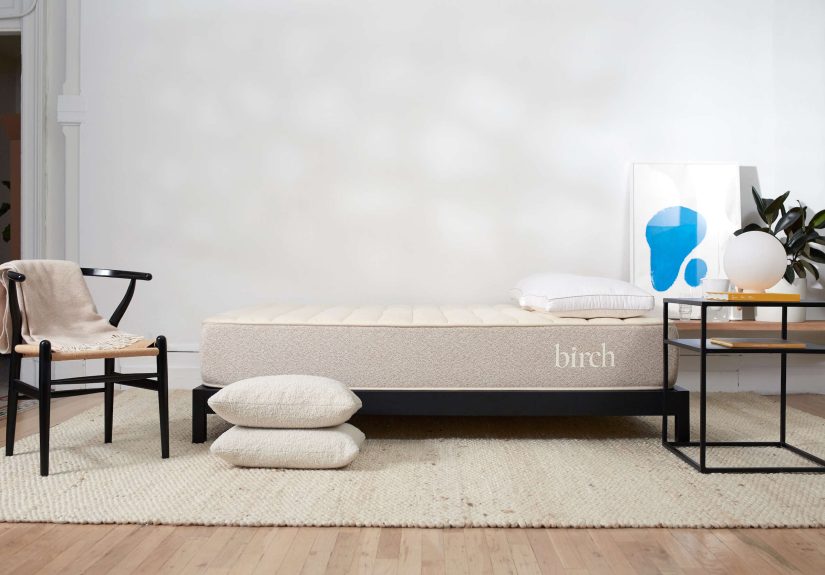
When people rave about a Birch Living mattress, they are usually talking about the Birch Natural Mattress, the company’s flagship model. It is a latex hybrid, which means it combines resilient latex comfort layers with a pocketed coil support core. That construction matters because it shapes almost everything about the sleep experience: the bed feels buoyant rather than squishy, supportive rather than smothering, and cooler than many conventional foam mattresses.
Birch also offers upgraded models in its lineup, but the core appeal remains the same across the brand: use natural and organic materials where it matters most, skip the polyurethane-foam-heavy feel many shoppers dislike, and build a mattress that feels clean, breathable, and durable. The “handmade” angle helps too. It gives Birch Living a more crafted identity, one that feels a little less factory-clone and a little more considered-home-meets-better-sleep.
Now for the truth serum: calling the mattress “100 percent organic” is catchy, but not exact. Birch’s appeal comes from its organic and natural components, not from some magical mattress tree that grows finished beds in the forest. The mattress includes steel coils, which are central to its support and durability. So the more accurate takeaway is this: Birch Living is selling a natural-and-organic hybrid mattress with credible certifications and a distinctly eco-conscious build, not a literal all-organic block of bedtime virtue.
Why the Materials Matter
Organic Cotton: The Part You Actually Touch
The cover is one of Birch’s most persuasive selling points. Organic cotton gives the mattress a soft, breathable surface that feels crisp instead of slick. It does not create that plasticky, heat-holding sensation some synthetic covers produce. In practical terms, that means the top of the bed feels more like inviting bedding and less like shrink wrap for grown-ups.
Natural Wool: The Unsung Hero
Wool is doing more work here than most shoppers realize. It helps with cushioning, temperature regulation, and moisture management. That matters if you sleep hot, live in a humid climate, or simply prefer not to wake up feeling like your mattress and your body had a disagreement overnight. Wool is not flashy, but in a mattress, it is often the difference between “pleasantly cozy” and “why is my bed auditioning to be a sauna?”
Organic Latex: Responsive, Not Quicksand
Birch’s latex layer gives the mattress its signature personality. Unlike memory foam, which often hugs the body with a slow, sink-in sensation, latex tends to feel livelier and more responsive. You lie on it, not in it. That makes movement easier, which is a blessing for combination sleepers, restless sleepers, and anyone who changes position a dozen times before finding “the spot.”
Coils: The Support System That Keeps Everything Honest
The pocketed coil base is what stops the mattress from turning into a soft, saggy compromise. Coils add structure, airflow, and support across the bed. They also help create the lifted feel many back and stomach sleepers prefer. This is one reason Birch does not feel like a sleepy cloud drifting off into the atmosphere. It feels grounded, stable, and ready to hold up its end of the relationship.
What Makes It Feel “Healthful”
“Healthful” can be a slippery word in mattress marketing. Some brands toss it around like confetti and hope nobody asks follow-up questions. Birch Living comes closer to earning it because the case is not just emotional; it is material-based. The mattress leans on breathable fibers, natural latex, and low-emission certifications rather than big promises and vague green language.
One of the most important details is chemical-emissions testing. For many shoppers, the concern is not just how a mattress feels, but what it releases into indoor air after unboxing and during long-term use. Birch positions itself as a lower-emission option, and that matters in real life. A mattress is not decorative. You spend hours a night with your face inches away from it. That is a more intimate relationship than most people have with their dining chairs, and probably for the best.
Birch also avoids some materials that make cautious shoppers uneasy, including polyurethane foam and fiberglass. Whether your priority is reducing off-gassing, choosing a more natural-feeling bed, or simply avoiding the “mystery materials in a box” vibe, Birch Living offers a more transparent and reassuring build than many mainstream competitors.
How the Birch Living Mattress Actually Feels
This is where Birch wins or loses the room. And for the right sleeper, it wins by being balanced. The mattress generally lands in the medium-firm range, with a buoyant, supportive feel. It has enough give to feel comfortable, but not so much that you feel swallowed. That makes it a strong match for back sleepers, many stomach sleepers, and combination sleepers who want easy movement and steady support.
The cooling story is also strong. Birch is often praised for sleeping cooler than dense foam mattresses, and the reasons are not mysterious. Cotton breathes, wool helps regulate moisture, latex does not trap heat the way some foams do, and coils leave room for airflow through the core. The result is not an ice-cold mattress worthy of a penguin endorsement, but it is noticeably more temperature-neutral than a lot of foam-heavy beds.
Pressure relief is good, though not ultra-plush. If you love a deep cradle, Birch may feel a little too lifted. If you prefer a stable, supportive surface that still softens pressure points, it hits a sweet spot. Motion isolation is decent rather than magical. Because the mattress is springier and more responsive than all-foam models, some movement can travel across the bed. For couples, that means it is workable for many, but very light sleepers may want a mattress that absorbs motion more aggressively.
Edge support is one of those category details that sounds boring until you sit on the side of the bed to tie your shoes or slowly inch outward while negotiating blanket territory with another person. Birch performs fairly well here compared with softer all-foam beds, though not every tester agrees it is elite. In plain English: the edges are usable, supportive, and not likely to collapse into sad mattress soup.
Who Will Love Itand Who Might Not
Birch Living Is a Great Fit If You:
Want a mattress made with natural and organic materials; prefer a breathable, cooler sleep surface; like a medium-firm feel; move around a lot at night; or want a mattress that feels supportive without turning into a plank. It also makes sense for shoppers who care about low-emission certifications and want a more transparent alternative to synthetic-heavy foam beds.
You May Want Something Else If You:
Crave a plush, sink-in feel; are extremely sensitive to partner motion; or want the cheapest organic-adjacent mattress you can find. Birch is not bargain-basement pricing, and it does not try to be. It sits in that premium-but-not-absurd lane where the value comes from materials and build quality rather than endless gadgets or empty luxury branding.
How to Read the Organic Claims Without Falling for Mattress Poetry
One of the smartest things Birch Living shoppers can do is read beyond the headline language. The organic mattress category is famous for sounding better than it explains itself. Words like “natural,” “clean,” “green,” and “healthy” can mean somethingor almost nothingdepending on how specific a brand is willing to be.
Birch stands out because it pairs its claims with recognizable certifications and a clear materials story. That is important. Shoppers should always look for proof tied to components or finished products instead of relying on vague eco-friendly vibes and a few leaves on the website. A beautiful product photo next to a fern is not a certification. It is just marketing with good lighting.
This is also why the most honest way to describe Birch is not “perfectly organic in every molecule,” but “a natural-and-organic hybrid mattress with meaningful certifications, low-emission credentials, and a transparent materials list.” That may be less poetic, but it is a lot more useful when you are spending real money.
Is Birch Living Worth It?
For many sleepers, yes. Birch Living offers a compelling mix of comfort, breathability, support, and credible eco-minded materials. It does not rely on gimmicks. It does not pretend every sleeper wants a marshmallow. And it avoids the all-too-common trap of selling sustainability as a personality trait instead of backing it up with construction choices that actually affect sleep.
Its value is strongest for shoppers who care about the full picture: what the mattress is made of, how it feels across different sleep positions, how warm it sleeps, and whether the brand’s environmental language has some substance behind it. It is less compelling for people who want dramatic body-hugging softness or absolute motion isolation. But for sleepers looking for a naturally breathable, medium-firm hybrid with an upscale feel and a cleaner materials story, Birch earns its spot on the shortlist.
Final Thoughts
Birch Living has managed something not every mattress brand can pull off: it made sustainability feel relevant to sleep, not just to marketing. The mattress is handmade, thoughtfully constructed, and refreshingly straightforward about the materials that shape its comfort. It feels springy, cool, and supportive. It looks polished. It avoids much of the synthetic baggage that turns some shoppers away from mainstream beds. And it does all that without forgetting the most important thing a mattress should dohelp you sleep better, not simply feel virtuous while staying awake.
So is Birch Living the fantasy version of an all-organic sleep utopia? Not quite. Is it one of the most appealing natural-and-organic hybrid mattresses for people who want comfort with credentials? Absolutely. And in a mattress market full of inflated promises and foam-based drama, that is saying quite a lot.
Real-World Sleep Experiences: What Living With Birch Can Feel Like
The most useful way to think about Birch Living is not in a showroom, but over a month of real nights. Night one often feels noticeably different from a traditional foam mattress. The first thing many sleepers notice is lift. You do not sink dramatically. You settle in, then stay supported. For someone coming from an aging pillow-top or a deep memory-foam bed, the change can feel almost suspiciously grown-up. “Wait, my hips are not disappearing?” Correct. Birch tends to keep the body more level, which many back sleepers find immediately comfortable.
By the first week, hot sleepers are usually the most enthusiastic. This is not the kind of mattress that tries to impress you with an icy cover for ten minutes and then quietly becomes a toaster by midnight. Instead, the comfort comes from steady temperature neutrality. The cotton cover feels breathable, the wool helps with moisture, and the coil system keeps air moving. If you are used to flipping your pillow to the “cool side” every hour, Birch can feel like a peace treaty.
Combination sleepers also tend to have a good honeymoon phase. Rolling from your side to your back or stomach feels easy because the latex has bounce. There is less of that slow-motion escape act people experience on softer foam beds. You are not clawing your way out of a body-shaped crater. You turn, adjust, and go back to sleep without needing a tiny rescue team.
Side sleepers can have a more nuanced experience. If you like moderate cushioning with a stable base, Birch often works well, especially if you weigh enough to engage the comfort layers. But if you adore a deep, enveloping cradle at the shoulders and hips, the mattress may feel firmer than your dream scenario. This is not a flaw so much as a personality trait. Birch is the friend who offers posture support, not the friend who lets you melt dramatically onto the couch and forget your responsibilities.
Couples usually notice two things quickly: the bounce and the airflow. The bed feels lively, which can be great for mobility and ease of movement. But that same responsiveness means motion isolation is not its strongest party trick. If one partner tosses and turns, the other may notice some motion, especially if they are a very light sleeper. Still, many couples end up feeling the trade-off is worthwhile because the bed sleeps cooler and stays more stable than softer all-foam alternatives.
Over a few weeks, the most persuasive quality is often consistency. Birch does not usually win people over with dramatic squish or instant plushness. It wins by being dependable. You lie down, your spine stays better aligned, you do not overheat, and getting out of bed does not feel like escaping quicksand. That might not sound romantic, but honestly, neither is waking up sweaty and annoyed.
Long-term, that consistency becomes the product story. The mattress suits sleepers who want support they can trust, materials they feel good about bringing into the bedroom, and a sleep surface that feels fresh rather than artificially engineered. It will not be everyone’s forever mattress, because no mattress is. Bodies differ. Preferences differ. Some people want plush luxury; others want orthopedic steadiness. But Birch Living creates an experience that many shoppers are after right now: a bed that feels cleaner, cooler, more responsive, and more grounded in real materials than the average boxed mattress. In a market crowded with overpromises, that kind of experience feels refreshing.