Table of Contents >> Show >> Hide
- Quick verdict
- What “NASA bedding” actually means (and why Outlast matters)
- Slumber Cloud lineup, simplified
- Deep dive: Slumber Cloud mattress pads
- Deep dive: Slumber Cloud sheets and bedding
- Care, durability, and everyday practicality
- Pricing and value: what you’re paying for
- Trial period, returns, and warranty
- Who should buy Slumber Cloud?
- How to get the best results (without overcomplicating your life)
- Conclusion: Is Slumber Cloud worth it?
If you’ve ever woken up at 2:47 a.m. feeling like your mattress is auditioning to become a space heater, you’ve probably searched “cooling bedding” with the urgency of someone trying to defuse a bomb made of sweat. Enter Slumber Cloud: a brand known for temperature-regulating sheets, comforters, mattress pads, and protectors that aim to keep your bed’s “microclimate” comfortablewithout turning your bedroom into an ice rink.
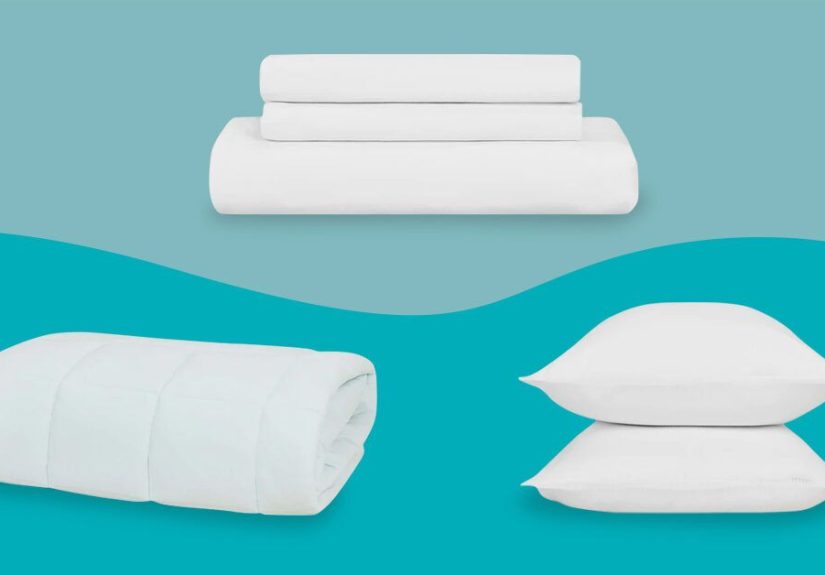
This Slumber Cloud review focuses on the stuff people actually buy when they’re tired of sleeping hot: the mattress pads (Core and Performance), plus a look at the bedding lineup (especially the Performance sheet sets). I’ll break down what makes the products different, what they feel like night-to-night, and who should keep shoppingbecause not every “cooling” product is a match for every sleeper.
Quick verdict
What Slumber Cloud does really well
- Passive temperature regulation that aims to prevent overheating rather than blasting cold air at you.
- Comfort-first designs (thin, easy-to-use pads; sheets that lean soft and “hotel-luxe”).
- Good for hot sleepers and night sweats who want less heat buildup under the covers.
- Solid policies like a satisfaction guarantee that lets you actually try the bedding at home.
Where it may disappoint
- It’s not “cold all night”more “less sweaty and more neutral.”
- Price leans premium compared to basic cotton sheets or a standard mattress pad.
- Not a thick topper replacement if you want major cushioning or back-saving loft.
- Sensitivity varies: some sleepers notice texture/noise more than others.
What “NASA bedding” actually means (and why Outlast matters)
Slumber Cloud’s claim to fame is its use of Outlast, a temperature-regulating textile technology often described as a phase change material (PCM). In plain English: PCM is designed to help manage temperature swings by absorbing some heat when you’re too warm and releasing it as you cool downlike a tiny thermal savings account for your bed. You make deposits when you’re overheating; you get withdrawals when you’re cooling off.
Slumber Cloud often frames this as “NASA-engineered” or “space-suit level” tech. The practical takeaway is this: Slumber Cloud products are built for temperature stability. If you want “cool-to-the-touch” for five minutes and then heat creep the rest of the night, you might be underwhelmed. If you want fewer temperature spikes and less tossing-and-turning, this approach makes more sense.
Slumber Cloud lineup, simplified
Slumber Cloud sells several categories, but the shopping decision usually comes down to two questions:
- Do you need cooling + comfort? (Mattress pad.)
- Do you need cooling + waterproof protection? (Mattress protector.)
Mattress pads (comfort + temperature regulation)
- Core Mattress Pad: a thin, fitted-style pad that adds a touch of plushness and aims to regulate heat. It’s designed to go on the mattress like a fitted sheet.
- Performance Mattress Pad: similar idea, but positioned as higher performance with a fabric focus that leans more moisture-wicking and “premium cooling.” It’s intended to be used under your fitted sheet.
Mattress protectors (protection + temperature regulation)
If spills, sweat, pets, or kids are part of your real life (and not just a Pinterest aesthetic), a protector can be the smarter purchase. Slumber Cloud’s protectors are known for being more breathable than many waterproof options, which matters because waterproof layers often trap heat.
Sheets, duvet covers, and comforters (the “touch points”)
Slumber Cloud’s sheet sets are usually where people fall in loveor decide the brand isn’t for them. The brand offers multiple “feels,” including options that lean silky (like TENCEL-based sets) and others that keep a more traditional cotton hand-feel.
Deep dive: Slumber Cloud mattress pads
Core Mattress Pad: the straightforward upgrade
The Core Mattress Pad is designed for people who want a minimal-fuss cooling layer that’s easy to put on, easy to wash, and doesn’t dramatically change the feel of the mattress. It’s thin (think “pad,” not “pillow-top”), with a fitted-pocket style that helps it stay puteven on deeper mattresses.
How it feels: expect a light, quilted softness rather than a thick topper vibe. If your mattress already feels comfortable but runs hot (hello, memory foam), the Core pad’s value is in reducing heat buildup without adding a bunch of squish that can throw off support.
Cooling performance: this is where Slumber Cloud’s style of cooling matters. It’s not trying to feel icy. It’s trying to keep you from crossing the line into “why is my pillow damp?” territory. For many sleepers, that’s the difference between waking up sweaty versus sleeping through.
Performance Mattress Pad: for hotter sleepers and “humidity people”
The Performance Mattress Pad is positioned as the brand’s stronger option for temperature regulation. If you’re someone who heats up fast, sweats easily, or sleeps in a warmer room, this is the pad most likely to feel like an actual upgrade instead of “nice, but… maybe?”
What stands out: Performance versions typically emphasize dual comfort/temperature features, pairing Outlast tech with more moisture-management-focused fabrics. That can matter if your issue isn’t just heatit’s heat + humidity, the combo that makes bedding feel clingy and gross.
How thick is it? Still thin. Slumber Cloud pads are not meant to replace a thick foam topper. If you need major pressure relief, look at toppers for support first and cooling layers second. Slumber Cloud is best as a temperature tool, not a structural mattress fix.
Noise and texture: the most personal part of the review
Cooling bedding can sometimes come with a “technical fabric” vibe. Some sleepers notice a slight crispness or a faint crinkle with certain layersespecially if they’re light sleepers or toss-and-turners. Others don’t notice anything at all, especially once the pad is under a fitted sheet and broken in with washing.
If you’re extremely sensitive to sound or texture, your best move is to start with the brand’s sheets (which are the closest-to-skin test) or ensure the return window gives you enough time to decide.
Deep dive: Slumber Cloud sheets and bedding
Performance sheet sets: the “I want soft but I run hot” crowd
Slumber Cloud’s Performance sheet sets tend to appeal to people who want two things that sometimes fight each other: softness and temperature control. Many cooling sheets feel crisp (percale) or slick (some bamboo blends). Slumber Cloud aims for “cozy, but not smothering.”
What to expect from the feel: many reviewers describe an initial cool sensation when you first get into bed, followed by a more neutral feelless “cold,” more “not getting hotter.” That’s the brand’s whole pitch: regulation rather than permanent chill.
Choosing between sheet materials
- If you want silky + moisture wicking: TENCEL-based options are usually a strong match. They tend to drape well and feel smooth.
- If you want traditional cotton feel: cotton-forward Performance options keep a more classic vibe while still aiming for temperature balance.
- If you want a lower price point: Essential lines can be a good entry point, especially if you’re unsure about the brand’s “cooling but cozy” approach.
Comforters: worth it or unnecessary?
A cooling mattress pad can help, but if you’re sleeping under a heat-trapping comforter, you may still wake up warm. Slumber Cloud comforters are meant to balance insulation with breathability. If your problem is “I’m hot but I still want a comforter,” this category can make senseespecially for people who dislike sleeping with just a sheet.
Care, durability, and everyday practicality
Cooling bedding only works if you actually keep using it. Slumber Cloud products are generally designed to be machine washable, which matters because bedding that’s “dry clean only” is basically a museum exhibit.
Pro tip: Skip fabric softener on performance fabrics unless the care label explicitly says it’s okay. Softeners can leave residues that reduce moisture wicking and breathability, which is like buying a raincoat and then poking holes in it for fun.
Pricing and value: what you’re paying for
Slumber Cloud sits in the premium category. You’re paying for specialty materials and the promise of temperature regulationnot just “a nice sheet.” Whether it’s worth it depends on how expensive poor sleep is for you. If overheating ruins your sleep multiple nights a week, paying more for bedding that helps you stay asleep can feel like a rational adult decision (even if your bank account disagrees at first).
If you only sleep hot occasionallylike during a heatwave or when your HVAC decides to take a personal dayyou might get similar satisfaction by changing your comforter, using lighter sheets, or improving airflow first.
Trial period, returns, and warranty
One of the most important parts of buying bedding online is the “what if I hate it?” plan. Slumber Cloud typically offers a satisfaction guarantee that lets you test items at home (yes, even after washing) and return or exchange within the stated window for most non-final-sale products. The brand also lists a limited warranty period for coverage concerns.
Always double-check the fine print for “final sale” items and color-specific exclusions before you buyespecially during big promotions.
Who should buy Slumber Cloud?
This is a strong fit if…
- You’re a hot sleeper who wakes up sweaty or overheated.
- Your mattress sleeps warm (memory foam is the usual suspect).
- You want passive cooling without plugs, apps, or water tubes.
- You want bedding that’s soft and comfortable, not “crisp but cold.”
- You share a bed with someone who sleeps differentlytemperature regulation can help reduce “thermostat wars.”
You may want to skip it if…
- You want the sensation of staying cold all night (active cooling systems are better for that).
- You need a thick topper to fix pressure points or sagging.
- You’re extremely sensitive to any change in fabric feel and prefer basic, familiar cotton only.
- Your budget is tight and you’re not consistently bothered by overheating.
How to get the best results (without overcomplicating your life)
- Pair a mattress pad with breathable sheets. A cooling pad under heavy flannel is like installing a ceiling fan and then wearing a winter coat indoors.
- Be realistic about room temperature. If your bedroom is truly hot, passive cooling helpsbut airflow and ventilation still matter.
- Give it a week. Many bedding products feel slightly different after the first wash, and your body may need time to adjust to a more stable sleep temperature.
- Use the right product for the right problem. If spills or waterproofing matter, choose a protector. If comfort and cooling matter most, choose a pad.
Conclusion: Is Slumber Cloud worth it?
Slumber Cloud is best described as a temperature stability brand. Its mattress pads and performance bedding are designed to help your bed feel more neutral across the nightless sweaty, less clammy, and less likely to trigger the late-night blanket kick-off ritual. If you’re a consistent hot sleeper, especially on a warm mattress, Slumber Cloud’s approach can be a meaningful upgrade. If you only occasionally overheat or you want dramatic, active cooling, you may not feel the value as strongly.
The biggest reason to consider Slumber Cloud is simple: sleep quality. If overheating makes you wake up, toss, flip the pillow, and mentally calculate whether it’s worth moving to the couch, a well-designed cooling layer can reduce that chaos. The biggest reason to pause is also simple: cost. You’re paying premium pricing for specialized materials and performance claims. If the problem is frequent and intense, that cost can be justified. If not, start smallerlighter bedding, better airflow, or a sheet upgrade first.
Experiences: What it’s like night-to-night (extra notes for real people)
Most “cooling bedding” conversations get stuck on one question: “Does it feel cold?” But the more useful question is: Does it help you sleep through the night without overheating? That’s where Slumber Cloud’s experience tends to stand out. On night one, many sleepers notice an initial “ahhh” moment when they get into bedlike the surface is less stuffy and more breathable. It’s not the shock of an ice pack. It’s more like stepping into shade after being in the sun.
Over the first week, the biggest change people report isn’t always temperature; it’s less drama. You may still shift positions, but you’re less likely to wake up with that sticky feeling where your back and sheets seem to have formed a temporary alliance. If you’re the type who falls asleep fine but wakes up hot at 3 a.m., the mattress pad can feel like it “buys you time” before heat buildup becomes a problemespecially on foam mattresses that like to store warmth.
For couples, the experience can be surprisingly practical. If one person sleeps hot and the other sleeps cool, a temperature-regulating layer can reduce the extremes. It won’t magically make both sleepers perfectly happy every night (nothing can do thatexcept maybe separate blankets and emotional maturity). But it can smooth out the swings so one person isn’t sweating while the other is reaching for a hoodie.
Seasonal transitions are where Slumber Cloud’s “regulation” vibe makes more sense than a product that’s only designed to cool. In summer, you may notice fewer sweaty wakeups and less humidity trapped under the covers. In winter, instead of feeling chilly, you may feel more consistently comfortablebecause the goal is balance. That’s also why the sheets can feel “luxury hotel”-like to some: you get that soft, inviting feel without the “heavy heat blanket” effect.
There are also realistic tradeoffs. If you’re extremely sensitive to fabric texture, you might spend the first few nights noticing the pad more than you’d like. For many people, that fades once it’s under a fitted sheet and after laundering. If you’re a light sleeper who notices every sound, you’ll want to pay attention to how your bed setup interacts with the padsome mattress and sheet combinations are quieter than others. And if your expectation is “cold all night,” you might feel let down, because Slumber Cloud’s experience is more “neutral and steady” than “Arctic.”
The most telling experience is what happens after a couple weeks: if you realize you’re thinking about your temperature less, the product is doing its job. The best cooling bedding doesn’t make you say “Wow!” every night. It makes you stop waking up, stop flipping the pillow like it’s a rotisserie chicken, and stop negotiating with your comforter at 2 a.m. Quiet improvements are still improvementsespecially when they come with better sleep.