Table of Contents >> Show >> Hide
- What Is Smokey Taupe Paint, Exactly?
- Why Smokey Taupe Paint Is So Popular
- How Smokey Taupe Paint Looks in Different Rooms
- Lighting: The Part Everyone Ignores Until the Paint Is Already Dry
- The Best Colors to Pair With Smokey Taupe Paint
- What Paint Finish Works Best?
- How to Test Smokey Taupe Before You Commit
- Common Mistakes to Avoid
- Is Smokey Taupe Paint Right for Your Home?
- Experiences With Smokey Taupe Paint in Real Decorating Situations
- SEO Tags
If white walls feel a little too “new dentist office” and gray feels like a weather report that forgot to smile, Smokey Taupe paint may be the sweet spot you’ve been hunting for. It has the softness of a neutral, the depth of a moody color, and the kind of flexibility that makes decorators look suspiciously calm. In other words, it works hard without showing off.
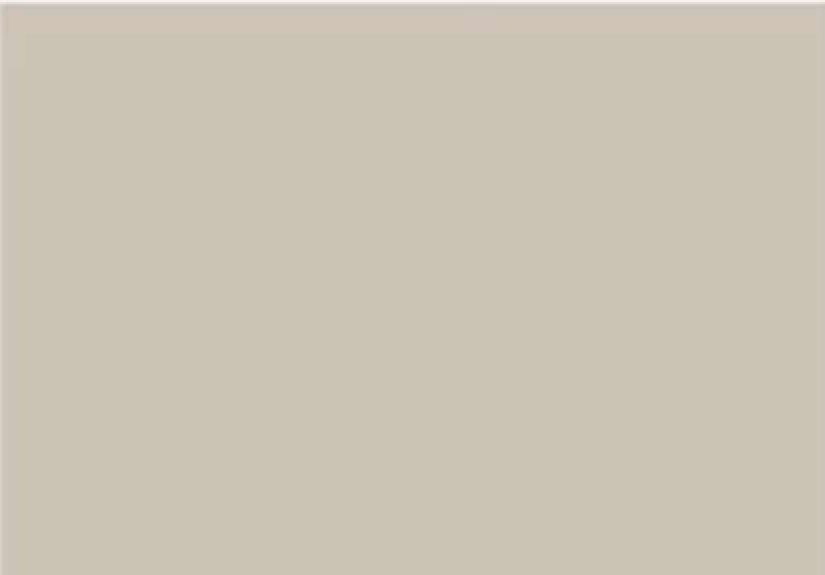
Most people searching for Smokey Taupe paint are after one of two things: a specific shade such as Benjamin Moore Smokey Taupe 983, or that broader smoky-taupe looka warm, muted neutral that sits between brown and gray without tipping too beige, too pink, or too cold. Either way, the appeal is the same. This is a color family that brings warmth, softness, and just enough drama to keep a room from looking flat.
In today’s homes, where people want spaces to feel layered, grounded, and livable, smoky taupe hits a very comfortable nerve. It looks refined without feeling precious. It can read classic, modern, rustic, or quietly luxurious depending on what you pair with it. And unlike trend-chasing colors that burn bright and disappear, a good taupe tends to stick around because it makes sense in real life.
What Is Smokey Taupe Paint, Exactly?
At its core, taupe paint lives between brown and gray. Add the word smokey, and you usually get a more muted, shadowy, slightly dustier version of taupeless sunny beige, more cozy stone-and-mushroom sophistication. It is still warm enough to feel welcoming, but the gray influence keeps it grounded and grown-up.
If you are looking at the real color Benjamin Moore Smokey Taupe 983, think of it as a warm neutral with a balanced personality. It is not aggressively brown, not obviously gray, and not trying to pull your curtains into a family argument. That middle-ground quality is exactly why so many homeowners like it. It gives walls color and body without making the room feel busy.
The magic of smoky taupe comes from its undertones. Some taupes lean rosy, some lean yellow-beige, and some tilt slightly green or gray. That is why one “perfect neutral” can look dreamy in one home and mildly offended in another. Smokey Taupe works best when you understand that it is not a blank color. It has nuance. It shifts. It reacts. It is basically the introvert at the party who becomes interesting once the lighting improves.
Why Smokey Taupe Paint Is So Popular
There are many neutral paint colors in this world. Some are lovely. Some are just drywall with ambition. Smokey Taupe paint stands out because it solves several decorating problems at once.
It Adds Warmth Without Going Yellow
Many homeowners want warmth but fear the buttery-beige look that can feel dated in the wrong setting. Smokey taupe offers a softer route. It warms a room while staying muted and elegant.
It Feels Softer Than Gray
Cool grays had a very long moment, and many of them still look good. But smoky taupe often feels more human. It has that “come in, sit down, have coffee” energy rather than “please admire my stainless steel.”
It Works With Natural Materials
Wood floors, stone counters, linen drapes, leather chairs, woven baskets, plaster textures, brass hardwaresmoky taupe tends to get along with all of them. It acts like a bridge between warm and cool finishes, which is gold for people with mixed materials in their home.
It Has Range
You can use it on walls, cabinetry, built-ins, furniture, accent pieces, or even small décor updates. A smoky taupe can be the background, the star, or the supporting actor who quietly steals the scene.
How Smokey Taupe Paint Looks in Different Rooms
Living Rooms
In a living room, smoky taupe creates a tailored but comfortable backdrop. It plays especially well with cream upholstery, walnut or oak furniture, black iron accents, and layered textiles. If your living room gets moderate to bright light, the color usually reads soft and balanced. In a dim room, it can become moodier and richer, which is often a plus if you want the space to feel cozy rather than washed out.
Bedrooms
This is one of the best places for a smoky taupe wall color. It has that cocooning quality people want in a bedroom without going so dark that the room feels cave-like. Add ivory bedding, a textured throw, and maybe a brass reading lamp, and suddenly the room looks like it gets eight hours of sleep even if you do not.
Bathrooms
Smokey taupe can turn a bathroom into a soft, spa-like retreat, especially with warm white trim and stone-look surfaces. It works beautifully with brushed nickel, aged brass, matte black, and natural wood vanities. The key is choosing the right sheen and making sure the room does not push the color too muddy.
Kitchens and Cabinets
On kitchen walls or cabinets, smoky taupe adds depth without overwhelming the room. It can look timeless with white tile and quartz, or richer and more European with warmer counters, wood shelving, and unlacquered brass. If you want a neutral kitchen that still has some soul, this is a strong contender.
Home Offices and Entryways
Because it is calm but not boring, smoky taupe works especially well in spaces where you want focus and polish. In a home office, it reads thoughtful and composed. In an entryway, it feels intentional from the moment someone walks in.
Lighting: The Part Everyone Ignores Until the Paint Is Already Dry
If there is one rule to remember, it is this: Smokey Taupe paint will not look the same in every room. Lighting changes everything.
North-Facing Rooms
These rooms tend to have cooler, grayer light. In a north-facing room, Smokey Taupe can lean more muted and shadowy. That is not badit can be gorgeousbut it does mean the color may feel a little more gray than expected. If your room is already dim, balance the look with warm lighting, creamy trim, and natural textures.
South-Facing Rooms
South-facing light is usually warmer and brighter. Here, smoky taupe often shows more of its warmth and softness. This is where the color can really glow instead of brood.
East-Facing Rooms
Expect gentle morning light and a cooler mood later in the day. Smokey taupe can look fresh in the morning, then a little quieter by afternoon. It is a nice option if you like a color that subtly changes throughout the day.
West-Facing Rooms
Afternoon and evening light can make the color richer and warmer. In these spaces, smoky taupe may take on a cozier, more enveloping look by sunset.
That is also where LRV, or light reflectance value, becomes useful. Benjamin Moore Smokey Taupe 983 sits in the midrange, which means it reflects a fair amount of light but still has enough body to register as a true color on the wall. In plain English: it is not dark enough to swallow the room, and not light enough to vanish.
The Best Colors to Pair With Smokey Taupe Paint
One reason smoky taupe is such a strong decorating color is that it works with both soft palettes and bolder accents.
Best Trim Colors
Warm whites and soft off-whites are the safest, prettiest partners. A crisp white can work too, but if it is very icy, it may make the taupe look dingier by comparison. Softer whites usually create a more natural transition.
Best Accent Colors
Smokey taupe pairs beautifully with:
- Sage green and olive
- Dusty blue and navy
- Terracotta and clay
- Muted blush
- Charcoal and black
- Cream, ivory, and mushroom tones
For materials, think oak, walnut, travertine, marble, brass, linen, boucle, leather, and woven textures. Smoky taupe likes company with character.
What Paint Finish Works Best?
The color matters, yes. But the paint sheen can make or break the final result.
Walls
Eggshell or satin is usually the sweet spot. These finishes give the color enough life without turning every wall patch into a public announcement. In living rooms and bedrooms, eggshell often looks soft and elegant. In busier spaces, satin can offer extra durability.
Bathrooms and Kitchens
Use a more durable finish, often satin or semi-gloss depending on the surface. These areas need something easier to wipe down, especially if your walls regularly meet steam, splatter, fingerprints, or the mysterious sauce incident nobody wants to explain.
Trim, Doors, and Cabinets
A higher-sheen finish helps these architectural elements stand apart from the walls. Semi-gloss is a dependable choice. If you want stronger contrast and a more tailored look, it can be a great move.
How to Test Smokey Taupe Before You Commit
Do not choose this color from a screen and then act shocked when your wall behaves like a different person. Sampling matters.
- Buy a real sample or peel-and-stick sample.
- Test it on multiple walls, not just one.
- Look at it in morning, afternoon, and evening light.
- Hold it near flooring, counters, fabric, and trim.
- View it with lamps on and off.
Smokey taupe is subtle enough that nearby finishes influence it. A warm wood floor can make it look toastier. A cool white counter can pull out more gray. A pink-beige sofa can suddenly make you question your life choices. Test first.
Common Mistakes to Avoid
Choosing the Wrong White Trim
An ultra-cool white can make smoky taupe look drab. Pair it with a white that shares some warmth.
Ignoring Light Direction
A taupe that looks balanced in a sunny showroom can go flat in a dark hallway. Always test in the actual room.
Forgetting Texture
Smokey taupe shines when layered with texture. If everything in the room is smooth, beige, and quiet, the result can feel sleepy. Add wood grain, woven materials, stone, or metal for contrast.
Going Too Matchy-Matchy
Taupe-on-taupe-on-taupe can be elegant, but only if you vary undertones, sheens, and textures. Otherwise, the room may start to look like a beautifully styled latte.
Is Smokey Taupe Paint Right for Your Home?
If you want a neutral that feels warmer than gray, more refined than beige, and easier to live with than a stronger statement color, the answer is probably yes. Smokey Taupe paint works especially well for homeowners who want their rooms to feel calm, layered, and timeless rather than trendy for five chaotic minutes.
It is a smart choice for traditional homes, modern organic interiors, transitional spaces, and cozy updated classics. It also works well for people who decorate with natural fibers, collected pieces, wood tones, and earthy accents. If your style leans stark black-and-white minimalism, you may prefer a cooler neutral. But if you want softness, warmth, and dimension, smoky taupe earns its keep.
And if you are specifically considering Benjamin Moore Smokey Taupe 983, its balanced warmth and midrange LRV make it a particularly usable option. It has enough presence to read beautifully on the wall, but enough restraint to let the rest of your room breathe.
In a world of neutrals fighting for attention, this one wins by not trying too hard. That may be the most attractive quality of all.
Experiences With Smokey Taupe Paint in Real Decorating Situations
One of the most common experiences people have with Smokey Taupe paint is surprisegood surprise. On a tiny paint chip, it can look almost too quiet, like the color equivalent of someone whispering from across a parking lot. But once it goes up on the wall, it usually reveals more depth than expected. Homeowners often expect “safe neutral,” then end up with a room that feels softer, richer, and more intentional than the usual beige fallback.
In older homes, smoky taupe often solves a very specific problem: how to modernize a space without stripping out all its warmth. White can sometimes feel too sharp against original wood trim, vintage floors, or traditional millwork. Gray can feel too chilly. Smokey taupe tends to settle in more naturally, especially when there are honey oak, medium walnut, brick, or stone surfaces in the room. It does not compete with those materials; it calms them down and makes them look more considered.
Another familiar experience happens in bedrooms. People choose smoky taupe expecting a neutral sleep-friendly backdrop, then realize it gives the room a boutique-hotel vibe with very little effort. Add soft white bedding, one moody accent pillow, and a lamp with a warm bulb, and suddenly the room looks styled instead of merely furnished. This is part of the appeal: the color does a lot of visual work while pretending it just happened to be standing there.
In open-concept homes, smoky taupe can be especially useful because it connects spaces without making them feel identical. A living room can feel cozy, a dining area can feel polished, and a hallway can feel welcoming, all with the same wall color but different lighting and décor. That shifting quality is often what people remember most. Morning light may bring out softness, while evening light adds mood and shadow. It is one of those colors that feels alive rather than static.
There is also a practical side to the experience. On furniture and smaller DIY projects, smoky taupe often looks custom and expensive. A tired side table, dated desk, or worn accent chair can suddenly feel current after a smoky taupe refresh. Because the color sits between warm and cool, it adapts easily to changing décor. Swap brass for black hardware, trade in blue accessories for green ones, or bring in new textiles, and the piece still works. That flexibility is a major reason people stay loyal to the color once they try it.
Of course, not every experience is instant perfection. Some people sample smoky taupe and find that it leans too gray in a dark room or too beige under very warm bulbs. But even that usually teaches the same lesson: this color rewards testing and patience. When matched to the right light, finish, and surrounding materials, Smokey Taupe paint tends to feel less like a trend and more like a dependable design decision that keeps looking better as the room comes together.