Table of Contents >> Show >> Hide
- What Exactly Is a Snickerdoodle?
- The Name Game: Why “Snickerdoodle” Sounds Like a Joke (But Isn’t)
- The Tiny Bit of Chemistry That Makes Snickerdoodles Taste Like Snickerdoodles
- Blueprint for the Perfect Snickerdoodle Texture
- A Classic Snickerdoodle Recipe (Plus Smart Variations)
- Troubleshooting: When Snickerdoodles Go Off Script
- Variations Worth Breaking Tradition For (Just This Once)
- Storage, Freezing, and Cookie-Swap Logistics
- Snickerdoodle Moments: The 500-Word “Experience” Part
- Conclusion
There are cookies that politely exist, and then there are snickerdoodles: cinnamon-sugar showoffs with crinkly tops, a soft middle, and a name that sounds like it was invented by a mischievous cartoonist. They’re the cookie equivalent of a cozy sweaterwarm, nostalgic, and somehow appropriate in every season (yes, even in July, when the oven feels like a personal attack).
This guide goes deeper than “mix, roll, bake.” We’re talking what makes a snickerdoodle a snickerdoodle, why cream of tartar is the tiny MVP, how to control thickness and chew, and how to fix the classic cookie catastrophes (flat puddles, bland bites, and the dreaded “why are they cakey?” moment).
What Exactly Is a Snickerdoodle?
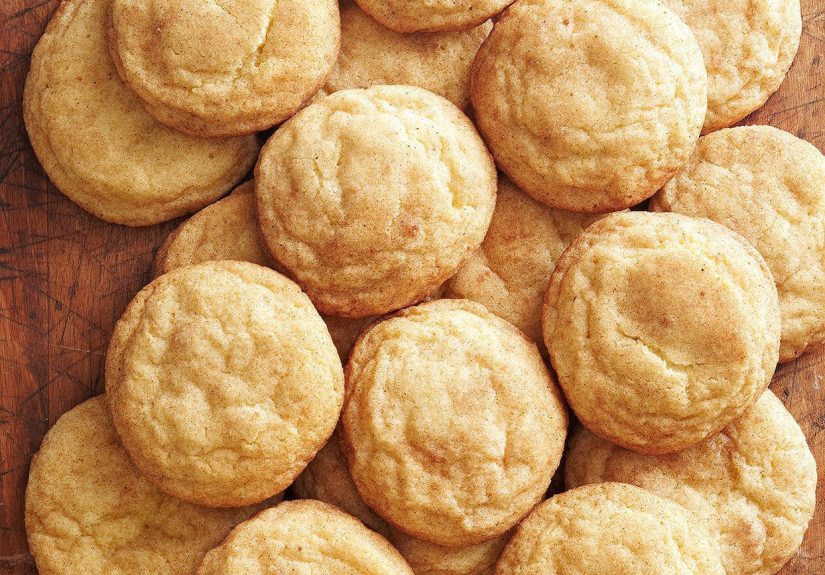
At first glance, a snickerdoodle looks like a sugar cookie that got invited to a cinnamon party and showed up wearing a sparkly coat. But the real distinction isn’t just the cinnamon-sugar exteriorit’s the flavor and texture profile inside.
The non-negotiables
- Cinnamon-sugar coating: Rolled before baking so it bakes into a lightly crackled, fragrant shell.
- A tender center with a gentle chew: Not a crunchy snap cookie (though crisp edges are welcome).
- That subtle tang: Traditionally from cream of tartar, which makes the cookie taste “snickerdoodley,” not just sweet.
- The crinkly top: A hallmark looklike the cookie is smiling because it knows it’s about to be eaten.
Snickerdoodles can lean soft and thick, or thinner with crisp edges. Both can be “correct.” The best version is the one you want to keep sneaking off the cooling rack.
The Name Game: Why “Snickerdoodle” Sounds Like a Joke (But Isn’t)
The short version: the origin of the word is famously uncertain. The longer version: that uncertainty is part of the fun.
Dictionaries and food historians have floated multiple theoriespossible connections to German dialect pastry words, or the idea that it’s simply a whimsical coined name that caught on in American baking culture. What’s clear is that snickerdoodles have been around in American print for well over a century, and the cookie became widely popular through published recipes in the late 1800s and early 1900s, eventually settling into the round, cinnamon-sugar cookie most people recognize today.
Translation: you don’t need to solve the etymology mystery to bake a batch that disappears in twelve minutes.
The Tiny Bit of Chemistry That Makes Snickerdoodles Taste Like Snickerdoodles
Let’s talk about the ingredient that turns a cinnamon sugar cookie into the cinnamon sugar cookie: cream of tartar.
What cream of tartar does (in plain English)
- It adds tang: Not “sour candy” tangmore like a gentle brightness that keeps the cookie from tasting one-note sweet.
- It helps the cookie rise and crack: When paired with baking soda, it creates the lift that contributes to the signature crinkles.
- It helps keep cookies tender: The acidity affects sugar behavior, helping maintain a softer bite instead of drifting into hard-and-crunchy territory.
Cream of tartar is closely tied to winemaking (it’s derived from tartaric acid that forms during grape fermentation). In baking, it behaves like a reliable little backstage crew member: you don’t see it, but the show is noticeably worse without it.
Can you substitute it?
You can, but the result may taste more like a cinnamon sugar cookie than a true snickerdoodle. If you’re in a pinch:
- Lemon juice or vinegar: Adds acidity, but also adds its own flavor and changes dough hydration slightly.
- Baking powder: Works as a practical swap for the leavening function, but you’ll lose some of that classic tang.
If your goal is “snickerdoodle authenticity,” cream of tartar is worth buying. If your goal is “cookies right now,” substitutions can still get you delicious results.
Blueprint for the Perfect Snickerdoodle Texture
“Perfect” depends on your cookie personality type. Are you a soft-and-thick person? A chewy-with-crisp-edges person? A slightly-cakey-but-still-tender person? (No judgment. Cookies are a big tent.)
Key levers you can pull
- Fat choice: Butter gives flavor; shortening can boost tenderness and “pillow” texture; blends can deliver the best of both.
- Chilling the dough: Helps prevent spread, improves shape, and can deepen flavor. Even 20–30 minutes helps.
- Don’t overbake: Snickerdoodles finish setting as they cool. Pull them when the edges look set and the centers still look a touch underdone.
- Coating technique: Roll generously. Cinnamon-sugar isn’t garnish; it’s the snickerdoodle uniform.
- Oven truth: Many ovens run hot or cool. If your cookies are always “weird,” an inexpensive oven thermometer can be life-changing.
A great snickerdoodle should feel tender when you bite it, with a warm cinnamon aroma that hits before the sweetness. If it tastes flat, it usually needs more salt, fresher cinnamon, or a better balance of bake time (slightly less).
A Classic Snickerdoodle Recipe (Plus Smart Variations)
Here’s a reliable, classic-style approach designed for a soft center, light chew, and classic tang. It’s written as a “recipe you can actually use,” not a sacred textfeel free to tweak to match your ideal cookie.
Ingredients (makes about 24 cookies)
- 2 3/4 cups all-purpose flour
- 2 teaspoons cream of tartar
- 1 teaspoon baking soda
- 1/2 teaspoon fine salt
- 1 cup unsalted butter, softened (or use 1/2 cup butter + 1/2 cup shortening for extra tenderness)
- 1 1/2 cups granulated sugar
- 2 large eggs, room temperature
- 2 teaspoons vanilla extract
Cinnamon-sugar coating
- 1/4 cup granulated sugar
- 1 to 1 1/2 tablespoons ground cinnamon (use the higher amount if you love cinnamon)
- Optional: a tiny pinch of salt or cardamom for “why does this taste so good?” energy
Method
- Prep: Heat oven to 375°F. Line baking sheets with parchment paper.
- Mix dry: Whisk flour, cream of tartar, baking soda, and salt in a bowl.
- Cream: Beat butter (and shortening, if using) with sugar until light and fluffyabout 2–3 minutes.
- Add eggs + vanilla: Beat in eggs one at a time, then add vanilla. Scrape the bowl so everything mixes evenly.
- Combine: Add dry ingredients and mix just until no dry flour remains. Don’t overmixovermixing can make cookies tougher.
- Chill (recommended): Chill dough for 20–30 minutes if your kitchen is warm or if you want thicker cookies.
- Roll + coat: Mix coating ingredients in a small bowl. Scoop dough into 1 1/2 tablespoon portions, roll into balls, then roll generously in cinnamon sugar.
- Bake: Place 2–3 inches apart. Bake 9–11 minutes. Look for set edges and a slightly soft-looking center.
- Cool: Let cookies rest on the sheet for 5 minutes, then move to a rack. The texture improves as they cool.
Texture upgrades (pick your adventure)
- For thicker, softer snickerdoodles: Chill longer (45–60 minutes) and bake on the lower end of the time range.
- For chewier cookies: Slightly underbake and cool fully before storing.
- For crisp edges: Use all butter, skip chilling, and bake 1–2 minutes longer (watch closely).
- For extra cinnamon pop: Add 1/2 teaspoon cinnamon to the dough (still keep the coating).
Troubleshooting: When Snickerdoodles Go Off Script
“Why did they spread into flat pancakes?”
- Butter was too warm or dough wasn’t chilled (especially in a warm kitchen).
- Too little flour (scooping compacts flour inconsistentlyspoon-and-level helps).
- Baking sheet was hot from a previous batch.
Fix: Chill dough, cool your baking sheets between batches, and measure flour more carefully.
“Mine are puffy and cakeywhat happened?”
- Too much flour (common if flour is scooped straight from the bag).
- Overmixing after adding flour.
- Oven running cool (cookies set slowly and can puff differently).
Fix: Reduce flour slightly, mix just until combined, and verify oven temperature.
“No cracks! They look…smooth. Suspiciously smooth.”
- Dough balls may have been too small or too cold.
- Oven temperature may be off.
- Too little leavening activity (old baking soda or missing acidity).
Fix: Use fresh baking soda, ensure cream of tartar is present, and bake at a true 375°F.
“They taste bland. I’m devastated.”
- Not enough salt, or cinnamon is old and tired.
- Under-seasoned coating.
- Vanilla omitted (it matters more than people admit).
Fix: Add a pinch more salt, use fresher cinnamon, and roll more generously in coating.
Variations Worth Breaking Tradition For (Just This Once)
Purists may clutch their mixing bowls, but snickerdoodles are remarkably flexible. If the base is solid, you can riff without losing the vibe.
Easy upgrades
- Brown butter snickerdoodles: Nutty depth + cinnamon warmth. Cool the brown butter until it’s soft, not liquid.
- Spiced party version: Add a whisper of cardamom to the coating for a bakery-style “what is that?” complexity.
- Apple-cider twist: Add a little reduced apple cider to the dough for a fall-friendly tang-sweet combo.
- Pumpkin spice snickerdoodles: Swap some cinnamon for pumpkin spice in the coating for cozy-season energy.
- Snickerdoodle bars: Press dough into a pan, coat the top, and bake like a cookie-meets-coffee-cake situation.
One rule: keep the cinnamon-sugar identity front and center. If you can’t smell cinnamon when you open the container, it’s not living up to its potential.
Storage, Freezing, and Cookie-Swap Logistics
Storing baked cookies
Store snickerdoodles airtight at room temperature. They’re best in the first 2–3 days, but they can stay enjoyable for several days if sealed well. If you like them extra soft, toss a slice of bread in the container (the bread goes stale so the cookies don’t have to).
Freezing dough (the ultimate life hack)
Scoop and roll dough balls, freeze on a tray until firm, then store in a freezer bag. When you want cookies, roll frozen dough balls in cinnamon sugar and bake. Add 1–2 minutes to the bake time and enjoy the smug satisfaction of “fresh cookies on demand.”
Snickerdoodle Moments: The 500-Word “Experience” Part
Snickerdoodles aren’t just a recipethey’re a recurring character in people’s lives. They show up when you need an easy win, when you’re baking for a crowd, and when you’re trying to make a kitchen smell like comfort on purpose. Ask ten people about snickerdoodles and you’ll get ten different stories, but they all have the same soundtrack: the soft thump of dough balls hitting a bowl of cinnamon sugar and the tiny sigh of a warm cookie breaking open.
There’s the holiday-cookie-swap snickerdoodle: the one that’s never the flashiest on the table but is mysteriously the first to vanish. The fancy decorated cookies get the compliments, the peppermint bark gets the “ooh,” and the snickerdoodles quietly get eaten. Someone always says, “Waitwho made these?” while reaching for a second one like they’re conducting an investigation.
Then there’s the after-school snickerdoodle, the cookie that tastes like a reward for existing through math class. It’s the one you eat standing up, leaning on the counter, because sitting down would imply you plan to share. The cinnamon hits first, then the buttery sweetness, then that little tang that makes you take another bite just to confirm it’s really there.
Snickerdoodles also have a reputation as the gateway baking project. They’re friendly: no chilling required if you don’t want it, no frosting drama, no piping bag politics. You can mess them up slightly and still end up with something people happily eat. Even the “oops” batches teach you somethinglike how a minute too long turns “soft and chewy” into “crisp and determined,” or how a heavy hand with flour can make cookies puff like they’re auditioning to be cake.
And honestly, the real magic is the sensory nostalgia. Cinnamon sugar is a smell that convinces your brain everything is going to be okay for at least the next 20 minutes. Snickerdoodles bake up warm and familiar without being boring, and they’re one of the rare cookies that feels equally at home on a paper plate at a potluck or stacked neatly in a gift box with a ribbon.
Maybe the most “snickerdoodle” experience of all is the cooling rack problem: you make them with responsible intentions“I’ll let them cool completely”and then you hover nearby like a cartoon character floating toward a pie on a windowsill. You break one open “just to check the center,” burn your fingertips a little, and decide that the best snickerdoodles are the ones eaten slightly warm, with cinnamon sugar dust on your hands and zero regrets.