Table of Contents >> Show >> Hide
- The Short Answer: Your DC Socket Is Hiding in Plain Sight
- Why the Wall Became an AC Neighborhood
- Why a Universal Low Voltage DC Wall Socket Never Became Standard
- So Where Is My Low Voltage DC Wall Socket Today?
- What a Practical DC Future Probably Looks Like
- Should Homeowners Install DC Solutions Right Now?
- Conclusion: The Low Voltage DC Wall Socket Is Not Missing. It Is Fragmented.
- Experience: What It Actually Feels Like to Live Without a True DC Wall Socket
- SEO Tags
If you have ever stared at a phone charger brick, a laptop adapter, a USB-C cable, a Wi-Fi router plug, and a pile of mystery cords that all somehow exist only to argue with each other, you have asked a very reasonable question: Why don’t I just have a low voltage DC wall socket already?
After all, modern life runs on DC. Phones run on DC. Laptops run on DC. LED lighting loves DC. Solar panels make DC before an inverter gets involved. Batteries, from tiny power banks to home energy storage systems, speak fluent DC. Yet your wall still offers the same old AC receptacle that looks like it has been around since your grandparents were arguing about rotary phones.
So where is your low voltage DC wall socket? The funny answer is: it’s already here, just not in one neat, universal, glorious little port. Instead, low voltage DC has been sneaking into homes through adapters, USB wall chargers, Power over Ethernet, smart lighting systems, solar-plus-battery setups, and a parade of specialized connectors. In other words, DC did show up for the party. It just came disguised as a dozen different guests and forgot to wear one name tag.
The Short Answer: Your DC Socket Is Hiding in Plain Sight
If you were expecting a single standardized “12V or 24V house outlet” next to every 120V receptacle, that future never fully arrived. But low voltage DC absolutely exists in residential and commercial spaces today. You can find it in:
- USB-A and USB-C wall outlets that deliver low voltage DC directly to phones, tablets, and sometimes laptops.
- Laptop and device power supplies that convert wall AC into the DC your electronics actually use.
- Power over Ethernet (PoE) systems that send both data and low voltage DC power over network cable to cameras, access points, sensors, and lighting.
- Solar and battery systems that begin in DC, even if the home ultimately distributes most of its power as AC.
- Dedicated low voltage systems for LED strips, RVs, off-grid cabins, telecom gear, and home automation.
So the real mystery is not whether DC exists in buildings. It does. The mystery is why it never took over the wall in one clean, universal format.
Why the Wall Became an AC Neighborhood
To understand the missing DC socket, you have to go back to the old AC-versus-DC showdown. Alternating current won the wall for a practical reason: it was easier and cheaper to transmit over distance once transformers entered the picture. That mattered a lot when power had to travel from centralized generation into neighborhoods, businesses, and homes.
AC also became deeply embedded in infrastructure. Utilities built around it. Appliances were designed around it. Electricians trained around it. Building codes matured around it. Once a nation wires millions of buildings one way, that system becomes less like a design choice and more like a giant concrete habit with copper veins.
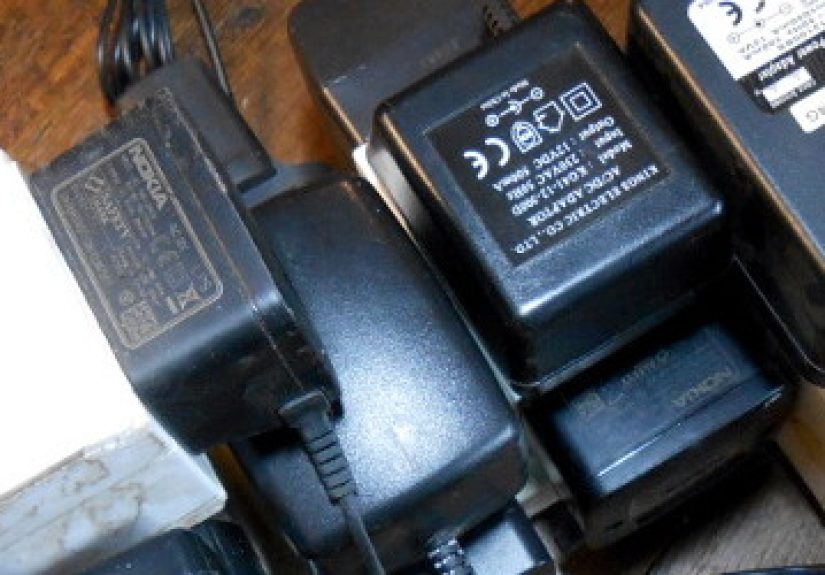
And here is the part that makes this topic deliciously ironic: even though AC won the wall, much of what we plug into the wall today immediately converts that AC right back into DC. Your charger brick is basically a tiny translator living rent-free in every outlet you use.
Why a Universal Low Voltage DC Wall Socket Never Became Standard
1. One DC Voltage Does Not Rule Them All
The dream sounds simple: put DC in the wall and skip all the little adapters. But which DC should go in the wall?
That is where the dream starts sweating.
Some devices want 5 volts. Others prefer 9 volts, 12 volts, 15 volts, 20 volts, 24 volts, or something even less sociable. USB Power Delivery improved the situation by letting devices negotiate for the voltage and power they need, which is why USB-C feels like the most convincing modern answer to the DC socket problem. But outside USB ecosystems, device requirements are still all over the map.
A universal AC outlet can feed many products because the conversion happens inside the appliance or its power supply. A universal DC outlet would need either one fixed voltage that disappoints half your devices, or a smart negotiation system with standards, compatibility rules, protection logic, and product listings. In other words, the “simple DC outlet” is only simple right up until you build one.
2. Low Voltage Means Higher Current
Here is the less glamorous engineering reality: lower voltage often means higher current for the same amount of power. And higher current means thicker conductors, more heat concerns, more voltage drop over distance, and more attention to how everything is protected.
For a quick example, a 120-watt load at 120 volts draws about 1 amp. The same 120 watts at 12 volts needs about 10 amps. That is a very different wiring conversation. Suddenly your cute little future-forward DC outlet starts asking for bigger wire and more careful design, and everybody in the room quietly glances back at AC like an ex who might still have the spare keys.
This is one reason low voltage DC often works best for short runs, specific device classes, furniture-integrated systems, communications cabling, lighting, or tightly designed microgrids rather than “let’s make the whole house 12 volts and see what happens.”
3. Adapters Were Cheap, Flexible, and Good Enough
The market solved the problem in the laziest effective way possible: it outsourced the mess to power supplies.
Instead of rebuilding homes around multiple DC standards, manufacturers shipped little boxes that convert wall AC into the flavor of DC each product wants. Was that elegant? No. Did it work? Annoyingly, yes.
That is why drawers across America now contain an archaeological record of adapters from every decade of the digital age. Somewhere in your house is a charger for a gadget you no longer own, and yet you keep it because you suspect it might fit something important in 2031.
4. Safety, Listings, and Code Matter
Electrical systems are not allowed to run on vibes.
For power distribution to become mainstream in walls, it has to fit code pathways, product listings, installation practices, grounding and bonding rules, and a mountain of safety expectations. The good news is that codes and standards have been evolving to better address limited-energy systems, integrated Class 2 power, USB-equipped receptacles, and newer power architectures.
The bad news, if you were hoping for a shiny standardized low voltage DC receptacle in every room by next Tuesday, is that code modernization moves more like a careful orchestra than a garage band. Deliberately. For good reason.
So Where Is My Low Voltage DC Wall Socket Today?
USB-C Is the Closest Thing to a Modern DC Wall Outlet
If one technology has the best chance of becoming the consumer-friendly low voltage DC wall socket people actually recognize, it is USB-C with Power Delivery.
Why? Because it combines three things people love: a familiar connector, negotiated power levels, and fewer ugly charger bricks hanging from the wall like tiny plastic bats.
Modern in-wall USB-C products can deliver meaningful power, and USB PD has grown far beyond the old “phone-only” charging model. That matters because it turns a wall device into something much closer to a general-purpose DC access point. We are not fully at “run your whole room from USB-C,” but we are well past “this is just for a sleepy little phone charge overnight.”
Still, USB-C is not a complete replacement for conventional receptacles. It is an overlay, not a coup. At least for now.
PoE Is the Quiet Overachiever
Power over Ethernet may be the most underrated answer to the DC socket question.
PoE sends low voltage DC and data over the same cable. That makes it extremely attractive for smart devices, cameras, Wi-Fi access points, sensors, controls, signage, and even certain lighting applications. Instead of needing separate power and communications runs, one cable can do both jobs.
In other words, PoE is what happens when DC grows up, gets organized, and starts color-coding its spreadsheet.
For homes and light commercial spaces, PoE is especially interesting in renovations, home offices, surveillance systems, media spaces, and smart home infrastructure. It is not a universal replacement for every wall outlet, but it is a powerful example of where low voltage DC makes practical sense.
Solar and Batteries Already Live in DC Land
Another place your missing DC socket is hiding is inside solar-plus-storage systems. Solar panels generate DC. Batteries store DC. A lot of building electronics ultimately use DC. Yet many homes still convert solar DC to AC for the house, then convert AC back to DC inside loads. That is one reason researchers keep revisiting direct-current building concepts and hybrid AC/DC systems.
In the right applications, fewer conversion steps can improve efficiency, simplify certain device pathways, and make better use of storage and electronics. But that does not automatically mean every home should be rewired around a universal DC outlet. Research and pilot work suggest something more selective: use DC where it clearly helps, and use AC where it remains the practical default.
Dedicated Low Voltage DC Systems Already Make Sense
Plenty of specialized environments already embrace DC without apologizing for it. Think RVs, boats, telecom rooms, security systems, LED strip lighting, off-grid cabins, and backup power setups. These systems work because the loads are known, the voltage is chosen intentionally, and the wiring is designed for that purpose from the start.
That is a very different scenario from trying to invent one magical DC outlet that satisfies a phone, a lamp, a monitor, a fan, a laptop, a router, and whatever futuristic countertop gadget starts talking to your refrigerator next year.
What a Practical DC Future Probably Looks Like
The future is unlikely to be “rip out every AC receptacle and replace it with mystery DC ports.” A more believable future looks layered:
- Regular AC receptacles remain for general household use and legacy appliances.
- USB-C receptacles become more common in bedrooms, kitchens, home offices, and hotel-style convenience zones.
- PoE expands for smart devices, cameras, controls, displays, and lighting.
- Cabinets, furniture, and workstations integrate localized DC power for electronics and accessories.
- Solar, batteries, EV infrastructure, and home energy systems drive more hybrid AC/DC thinking behind the scenes.
That future is less dramatic than a total electrical revolution, but it is much more realistic. And frankly, realistic is what keeps your walls from becoming expensive experimental toast.
Should Homeowners Install DC Solutions Right Now?
In many cases, yes, but selectively.
If your goal is convenience, adding listed USB-C receptacles in the right rooms makes sense. If your goal is smart infrastructure, PoE can be a fantastic choice for certain devices. If your goal is resilience and energy optimization, solar-plus-battery systems may bring meaningful DC benefits behind the curtain even when the visible wall experience still looks mostly AC.
What usually does not make sense is inventing your own ad hoc whole-house low voltage DC scheme with random connectors, mystery labels, and a confidence level based entirely on one forum post and a heroic amount of optimism.
Good electrical design rewards standards, listed products, and licensed installation. That is not boring. That is how you get the future without also getting the fire department.
Conclusion: The Low Voltage DC Wall Socket Is Not Missing. It Is Fragmented.
So where is your low voltage DC wall socket?
It is in the USB-C outlet by the bed. It is in the Ethernet cable feeding a camera. It is in the laptop brick under the desk. It is in the battery system in the garage. It is in the solar array on the roof. It is in the LED driver tucked out of sight. It is in the standards work slowly making limited-energy systems more practical and more mainstream.
The real story is not that DC failed. It is that DC never arrived as one universal wall port. Instead, it spread through the building in pieces, wherever it made the most technical and economic sense.
That may feel less satisfying than a single elegant answer, but it is probably the right one. Homes do not need a dramatic AC-versus-DC rematch. They need smarter distribution, better product standards, less conversion waste where practical, and more convenient ways to deliver the power modern devices actually use.
In short: your DC wall socket did show up. It just took the side entrance, changed outfits three times, and now answers to the names USB-C, PoE, adapter, and hybrid power system.
Experience: What It Actually Feels Like to Live Without a True DC Wall Socket
There is a very specific modern household experience that makes this topic feel personal. It usually begins with one innocent thought: “Why do I need this many chargers?” You are standing in a kitchen, or a bedroom, or on the floor behind a media console, and suddenly your life looks like it is powered by spaghetti.
You have one cable for your phone, one for your earbuds, one for your laptop, one for the tablet, one for the camera battery, one for the smart speaker, one for the handheld vacuum, and then a suspicious barrel connector for something that might be a router, a humidifier, or a gadget you bought during a very optimistic online shopping phase. Everything wants electricity. Almost nothing wants it the same way.
That is when the fantasy of the low voltage DC wall socket really kicks in. You imagine a clean, elegant home where the wall simply gives each device the exact DC power it needs. No wall wart blocking the second outlet. No crawling under the desk like a raccoon with deadlines. No drawer full of charger bricks that appear to reproduce at night.
In real life, though, people patch together their own version of that dream. They add USB outlets near the bed so phones and watches charge without the bulky adapter. They hide charging stations inside a drawer. They install under-cabinet lighting with a low voltage driver tucked away where nobody has to look at it. They run PoE to a ceiling access point and feel absurdly proud that one neat cable does both jobs. They buy a battery backup system and suddenly discover that DC has been doing serious work behind the scenes all along.
There is also a very human emotional side to this. A true low voltage DC wall socket sounds modern, efficient, and clean because it promises less clutter. And clutter is not just visual. It is mental. Every extra adapter is one more tiny decision, one more failure point, one more thing to pack, replace, label, untangle, or accidentally leave in a hotel room three states away.
That is why people get weirdly excited about a good USB-C outlet. It is not just a product. It is a tiny rebellion against charger chaos. It says, “Today, at least one device in this room will power up without a stupid cube hanging out of the wall.” That is not world peace, but it is not nothing.
And once you notice how much of daily life is already DC behind the scenes, the whole house starts to look different. The old AC receptacle is still the official face of the room, but backstage, DC is doing hair, makeup, wardrobe, lighting, and half the script revisions. The more connected a home becomes, the more obvious that hidden DC layer feels.
So the experience of “missing” a low voltage DC wall socket is really the experience of living in a transition era. We are no longer in a purely AC appliance world, but we are not yet in a fully standardized consumer DC-at-the-wall world either. We are in the messy middle. Convenient in some corners, clumsy in others, and full of adapters that seem personally offended by cable management.
That is why the question matters. It is not just technical curiosity. It reflects a real friction in modern life. And the good news is that the friction is slowly getting better. Not because one miracle socket is about to conquer every wall, but because more homes are quietly adopting smarter ways to deliver DC where it actually helps. That may be less dramatic than the dream. But for everyday living, it is a pretty solid upgrade.