Table of Contents >> Show >> Hide
If your dream kitchen lives somewhere between beach-house breezy and architect-with-excellent-taste serious, welcome to your happy place. The modern, all-white kitchen in Maui that inspired this look is the kind of space that makes you want to chop limes dramatically, decant olive oil into something expensive-looking, and suddenly become the sort of person who owns handmade pottery on purpose. It is crisp without being cold, minimal without being boring, and coastal without screaming “I bought a starfish sign at a gift shop.”
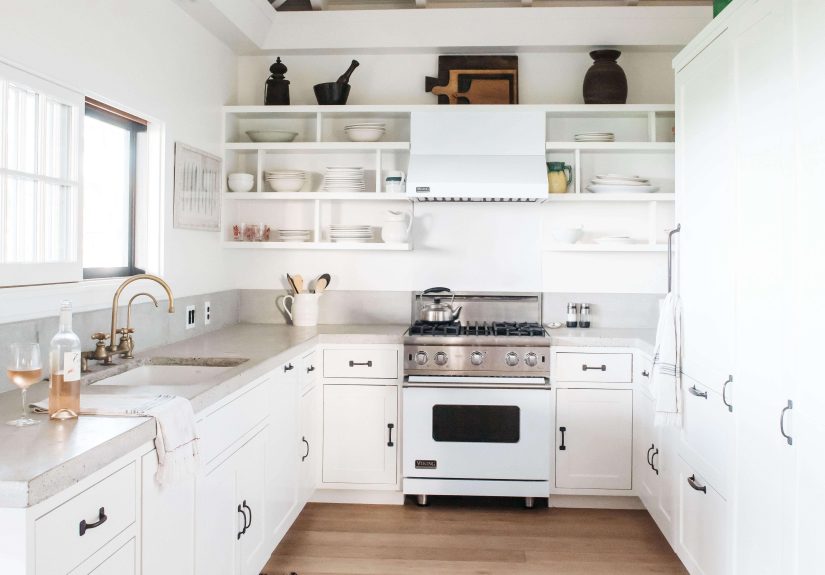
That balance is exactly why this kitchen works. At its core, it is a white-on-white room with a U-shaped layout, poured concrete surfaces, globe lighting, and a quietly collected mix of functional objects and artful accessories. But the real magic is not that everything is white. The magic is that everything is layered. The whites are softened by light, the hard surfaces are grounded by texture, and the clean lines are loosened up by pieces that feel lived-in rather than staged within an inch of their life.
In this guide, we are breaking down how to recreate the spirit of this modern Maui kitchen in a way that feels stylish, realistic, and livable. Whether you are planning a full renovation or simply trying to nudge your current kitchen away from visual chaos and into something calmer, this look offers plenty to borrow.
Why This All-White Maui Kitchen Works So Well
All-white kitchens have been praised, mocked, celebrated, and declared dead at least twelve times by the internet. And yet they keep showing up, looking annoyingly good. The reason is simple: a white kitchen is not really about the color white. It is about light, proportion, reflection, and restraint.
In a Maui setting, that formula becomes even stronger. Natural light does half the decorating work. White cabinetry and walls bounce daylight around the room, which makes the kitchen feel larger, cleaner, and calmer. In a coastal environment, where the outside view is usually doing the heavy lifting, a quiet interior palette makes a lot of sense. It allows the landscape, the sky, and the subtle shifts in sun throughout the day to become part of the design.
But this look avoids the classic all-white trap: sterility. That is where material choice becomes everything. Concrete brings weight and softness at the same time. Brass or warm-toned fixtures add a little patina. Handmade ceramics introduce imperfection. Open shelving breaks up the wall of cabinets and gives the room a collected, personal rhythm. The result is a kitchen that feels edited, not empty.
The Key Design Elements to Copy
1. A U-Shaped Kitchen Layout That Actually Earns Its Keep
The U-shaped kitchen layout is one of the unsung heroes of functional design. It wraps the cook in workspace, keeps prep zones close together, and helps maintain an efficient flow between sink, stove, and refrigerator. In a slimmer room, it also creates a natural sense of enclosure without needing an island the size of a small yacht.
In this Maui-inspired look, the U-shape feels especially smart because it keeps the footprint compact while maximizing counter space. That matters in a modern white kitchen, where visual clutter shows up fast. More continuous surface area means the room can look clean and stay useful. If you are borrowing this layout, pay attention to circulation. You want easy movement, not a daily obstacle course performed around cabinet corners.
2. White on White on WhiteBut With Nuance
The phrase “all-white kitchen” can sound suspiciously like “all flavor removed.” Not here. The best white kitchen ideas rely on tonal variation. Think soft white cabinets, warmer white walls, slightly cooler counters, and a backsplash that shifts subtly in the light. This kind of layering gives the room depth even when the palette stays tight.
A warm white paint is usually the safer bet for a kitchen that needs to feel inviting. If the tone leans too stark, the space can tip into laboratory territory. A softer white, especially one with a hint of cream or gray, plays more nicely with concrete, brass, wood, and natural daylight. The goal is not dazzling brightness. The goal is calm brightness.
3. Concrete Counters and Backsplash for a Modern-Retro Edge
Here is where the kitchen gets its backbone. Poured concrete counters and backsplash add a grounded, architectural quality that keeps the room from floating off into fluffy showroom territory. They also create a beautiful contrast with white cabinetry: smooth versus matte, warm versus cool, polished versus raw.
Concrete is especially effective in a modern coastal kitchen because it feels elemental. It echoes sand, stone, cloud cover, and weathered surfaces without trying too hard to be rustic. If poured concrete is not in your budget, you can get a similar effect with honed quartz, concrete-look slabs, or large-format tile with a soft gray cast. The point is less about the exact material and more about the visual temperature it introduces.
4. Globe Lighting That Softens the Geometry
Straight lines need a little relief. Globe pendants do that beautifully. Their rounded shape softens a kitchen full of cabinets, counters, and right angles, while the diffused glow makes a white room feel warmer and more flattering. Kitchens deserve flattering lighting too. We all look better while making toast in good light.
Choose pendants with simple silhouettes and finishes that add a hint of contrast, such as antique brass, brushed nickel, or matte white. Avoid overly ornate fixtures that compete with the clean architecture. This look works best when the lighting feels sculptural but not shouty.
5. Open Shelving With Discipline
Open shelving in a white kitchen can go one of two ways: chic and airy, or “I guess I live inside a dishware avalanche.” The difference is editing. In the Maui-inspired kitchen, open shelves help conceal visual heaviness by breaking up storage walls and showcasing a few beautiful everyday objects.
The key is to style shelves with restraint. Stack white plates, add a few handmade vessels, maybe a glass bottle or two, and stop before your shelf starts auditioning for a flea market. Pottery works especially well here because it adds shape, shadow, and quiet character. You want pieces that feel useful and tactile, not fussy.
6. A Little Brass, A Little Soul
Hardware and plumbing fixtures are the jewelry of the kitchen, and this look proves you do not need a whole treasure chest. A few warm metallic details can shift the mood of an all-white room instantly. Brass, unlacquered brass, or polished nickel all work well because they bring warmth and a slightly collected feel.
Even better, these finishes age gracefully. In a kitchen inspired by beach cottages and modern minimalism, that touch of evolution matters. It keeps the room from feeling frozen in time.
How to Recreate the Look at Home
Start With the Bones
If you are renovating, prioritize layout, cabinetry, and surfaces before the styling flourishes. Choose simple cabinet fronts, preferably flat-panel or modest shaker profiles. Keep the lines clean. Hide the refrigerator if your budget allows, or at least choose appliances that do not dominate the room visually.
For the backsplash, go seamless if possible. Extending the same material from the counter to the wall creates a quiet, uninterrupted look that feels more custom and more expensive. It also supports the modern white kitchen vibe better than a busy tile pattern.
Bring in Texture, Not Color Chaos
If you are tempted to “warm up” a white kitchen by throwing five accent colors at it, please step away from the paint deck. This design gets warmth from texture. Think linen curtains, flatwoven runners, ceramic bowls, wood cutting boards, woven stools, and slightly imperfect handmade objects.
A few muted tones can absolutely join the partysoft gray, sand, pale oak, sea-glass greenbut they should whisper, not sing karaoke over the cabinetry.
Choose Decor That Looks Collected
The best part of a white kitchen is that every accessory gets a chance to shine. The worst part is that every bad accessory gets a chance to shine too. Stick with pieces that look honest: vintage glass, stoneware pitchers, sculptural fruit bowls, tea kettles with good lines, and textiles in natural fibers.
If an object feels too trendy, too glossy, or too eager to be photographed, it is probably wrong for this room. This kitchen wants charm, not performance.
Common Mistakes That Ruin the Look
Using the wrong white. A cold, blue-white can make the room feel harsh. Always test whites in your actual kitchen light before committing.
Ignoring contrast. Even a white-on-white kitchen needs tension. Concrete, wood, metal, shadow, and shape all provide it.
Overstyling open shelves. If every inch of shelf space is filled, the room loses its exhale.
Choosing shiny everything. Too many glossy finishes can make the kitchen feel flat and synthetic. Mix matte, satin, polished, and textured surfaces.
Forgetting real life. A beautiful kitchen still needs good storage, durable finishes, and surfaces you do not resent cleaning every Tuesday.
Who This Kitchen Style Is Perfect For
This all-white Maui kitchen look is ideal for anyone who wants a home that feels bright, uncluttered, and quietly luxurious. It works especially well in coastal homes, small kitchens, modern cottages, and open-plan spaces where the kitchen should complement the rest of the architecture rather than dominate it.
It is also a great choice for people who like to refresh a space with smaller seasonal changes. Because the base palette is neutral, you can shift the mood with a new rug, a bowl of citrus, a stack of linen towels, or a few branches in a ceramic vase. The kitchen stays timeless while your styling gets to have a little fun.
What It Feels Like to Live With a Kitchen Like This
There is a reason this look lingers in your mind long after you stop staring at photos of it. A modern, all-white kitchen in Maui is not just visually appealing; it creates a mood. It feels like waking up before everyone else and walking barefoot across cool floors while the room fills with early light. It feels like the kind of space where coffee tastes better, not because the beans changed, but because the setting gently suggests that your life is more together than it actually is.
One of the most striking things about a kitchen like this is how quiet it feels. Not literally quiet, although that can be nice too. It is visually quiet. The cabinets are not shouting. The counters are not busy. The accessories are not throwing elbows for attention. That calm has a practical side. In a room designed for chopping, stirring, cleaning, gathering, snacking, and pretending you are only “having one bite,” visual peace matters. It makes the daily routine feel less frantic.
In a Maui-inspired setting, that calm becomes almost cinematic. Morning light turns the whites creamy and soft. At midday, the concrete surfaces look cooler and more architectural. By evening, globe pendants throw a gentle glow that makes the room feel intimate instead of stark. The kitchen changes throughout the day, which is one reason a restrained palette never feels flat. It responds to light like fabric, not paper.
Then there is the tactile experience. A kitchen like this asks to be used. The farmhouse sink feels sturdy and familiar. Concrete counters carry a little visual weight, which makes a mug, a cutting board, or a loaf of bread look better just by existing there. Handmade pottery on open shelves adds that slight imperfection the room needs. You notice the curve of a pitcher, the matte finish of a bowl, the way glass catches the sun. Suddenly everyday objects earn a promotion from “stuff” to “part of the design.”
Entertaining in a kitchen like this has its own charm. It does not need flashy features to impress people. It wins on atmosphere. Friends lean against the counter, someone opens a bottle of wine, another person hovers near the stove pretending to help, and the room somehow holds all of it without feeling crowded. The U-shaped layout encourages movement with purpose. People know where to stand, where to prep, where to reach. Good kitchen design is a little like good hosting: it makes everyone feel comfortable without announcing all the effort behind it.
Maybe the most appealing part is that this look is aspirational without becoming ridiculous. It is beautiful, yes, but not in a museum way. It still welcomes a bowl of limes, a stack of dishes, a sandy tote dropped by the door, and a pan on the stove. That is what makes the Maui kitchen idea so effective. It captures a version of simplicity that feels earned rather than staged. It suggests a slower, cleaner, more intentional way of living, but it does not demand perfection to get there.
And really, that is the dream. Not a kitchen that looks untouched. A kitchen that looks serene while being fully alive.
Final Thoughts
If you want to steal this look, do not obsess over copying every exact detail. Chase the feeling instead. Start with a disciplined palette, anchor it with honest materials, soften it with round lighting and handmade pieces, and let the room breathe. The best white kitchen design is never just white. It is light, texture, proportion, and personality working together.
This modern, all-white kitchen in Maui proves that minimalism does not have to feel severe and coastal style does not have to rely on clichés. With the right mix of clean lines and soulful details, you can create a kitchen that feels timeless, fresh, and just a little bit transportive. Which is a nice trick for a room where most of us are simply trying to locate the olive oil.