Table of Contents >> Show >> Hide
- What Makes a Minimalist English Kitchen, Actually English?
- Start With the Foundation: Cabinets That Whisper, Not Shout
- Countertops: Honest Materials, Minimal Fuss
- The Sink Moment: Butler, Farmhouse, or Apron-Front?
- Hardware: The Jewelry Shouldn’t Yell
- Lighting: Vintage Energy, Minimal Visual Weight
- Backsplash: Subtle Texture Beats Loud Pattern
- Layout: The Worktable Island (A.K.A. English Kitchen Superpower)
- Open Shelving: Use It Like SaltNot Like Confetti
- Styling the Minimalist English Way: Warm, Useful, and a Little Romantic
- Budget-Friendly Ways to Get the Look (Without Selling a Kidney)
- Common Mistakes That Break the Minimalist English Spell
- Copy-Paste “Steal This Look” Blueprint
- Extra: Real-Life Experiences That Make This Kitchen Style Stick (500+ Words)
- Conclusion
Minimalist English kitchen sounds like a contradictionlike “quiet toddler” or “one potato chip.” But it’s a real thing, and it’s gorgeous: classic British warmth and craftsmanship, edited down to the essentials. Think Shaker-style cabinets, soft paint colors, honest materials (wood, stone, brass), and a layout that works hard without looking like it’s trying hard.
This guide breaks down the look into stealable piecesso you can copy it whether you’re doing a full renovation, a weekend refresh, or a “let’s rearrange the shelf styling and call it self-care” moment.
What Makes a Minimalist English Kitchen, Actually English?
“English” here is less about flags and more about feel: tailored but lived-in, practical but poetic. “Minimalist” means you’re editing visual noisefewer competing finishes, fewer fussy details, more negative space. Put them together and you get a kitchen that feels calm, collected, and quietly expensive (even if your budget is more “quietly stressed”).
The hallmarks
- Shaker or slim Shaker cabinetry with simple frames and recessed panels
- Inset or furniture-like detailing (clean lines, thoughtful proportions)
- Muted, earthy paint colors (creams, putty, mushroom, deep greens)
- Natural materials: wood, stone, ceramic, unlacquered or aged metals
- Mix of old + new: a vintage-style light next to modern appliances
- Open shelving used sparinglystyled like you live here, not like you’re staging for a catalog
Start With the Foundation: Cabinets That Whisper, Not Shout
If this look had a main character, it would be the cabinetry. The minimalist English kitchen loves Shaker doors because they’re simple, timeless, and adaptable. Shaker doors are typically a five-piece construction with a recessed center panelclean geometry that doesn’t beg for attention. That’s the whole vibe.
Cabinet style choices
- Classic Shaker: slightly wider rails/stiles, traditional proportions
- Slim Shaker: a narrower frame that reads more modern
- Inset fronts (optional but very on-theme): doors sit flush with the frame for a furniture-quality look
Proportion tip: Minimalism isn’t about having fewer cabinetsit’s about making what you have look intentional. Taller uppers (near the ceiling) reduce visual chop and make the room feel calmer and more “built-in.”
Paint colors that nail the “quietly British” mood
Minimalist English kitchens tend to live in a world of nuanced neutrals and grounded colors. Instead of “white,” think: cream, bone, stone, putty. Instead of “green,” think: olive, moss, deep woodland.
- Warm creams for a soft cottage-meets-minimal feel
- Putty / mushroom / stone for a modern English calm
- Deep green for drama without chaos (especially on lowers or an island)
Specific example: A “contemporary English” vibe often pairs Shaker/inset cabinetry with moody greens and restrained hardwareclassic, but edited. If you want the look without repainting everything, do a two-tone approach: neutral perimeter + deeper island.
Countertops: Honest Materials, Minimal Fuss
A minimalist English kitchen avoids anything that looks too glossy, too busy, or too “look at me.” The goal is texture you can feel, not pattern that hijacks the room.
Great countertop picks
- Soapstone: velvety, traditional, forgiving, and quietly luxe
- Honed marble: classic and beautifulpatina lovers only (it will show life)
- Quartz/quartzite in soft tones: cleaner maintenance with a restrained look
- Butcher block accents: especially on a worktable-style island
Steal this move: Keep the countertop and backsplash in the same tonal family (stone-on-stone, cream-on-cream). It reads “minimalist” even if you have plenty of stuff, because the surfaces aren’t competing.
The Sink Moment: Butler, Farmhouse, or Apron-Front?
English kitchens love a deep, hardworking sinkoften ceramic. In the U.S., people usually call this “farmhouse,” but you’ll also hear “apron-front.” An apron-front sink has an exposed front; many farmhouse-style sinks are apron-front, but the terms get used interchangeably.
How to choose
- Ceramic/fireclay apron-front: most “English,” most iconic
- Undermount: cleaner, more minimalist, still classic
- Stainless: practical and modernworks if everything else leans warm and traditional
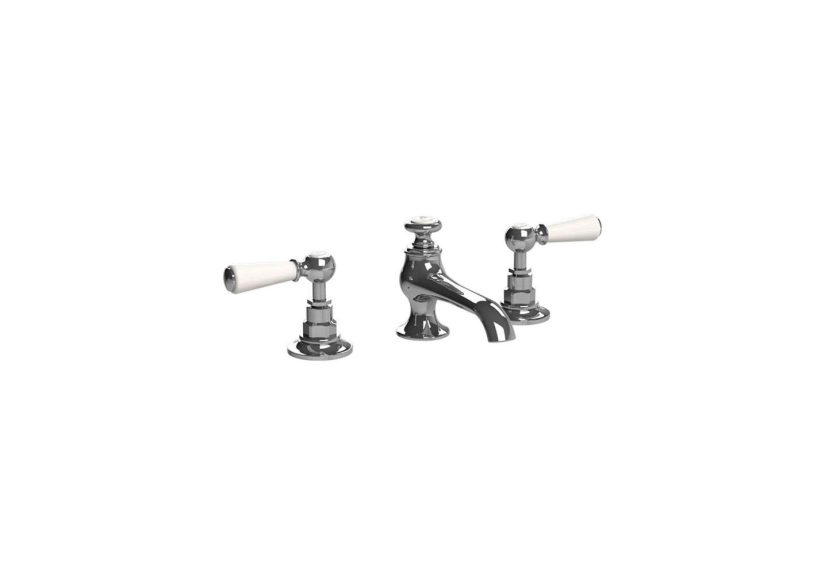
Style trick: Pair a traditional sink with a simple bridge or gooseneck faucet in brass or aged nickel. It gives character without clutter.
Hardware: The Jewelry Shouldn’t Yell
Minimalist English kitchens don’t do bedazzled. Hardware is simple, often in warm metals (brass, bronze) or soft silvers (aged nickel). The finish can be polished, but the shapes stay classic: knobs, bin pulls, and understated handles.
Easy hardware formulas
- Unlacquered brass + Shaker cabinets = instant English warmth
- Bronze/bin pulls = slightly vintage, very grounded
- Wood knobs = cottage-minimal, soft and tactile
Steal this look: Use knobs on doors, bin pulls on drawers. It feels tailored and functionallike the kitchen is wearing a good blazer.
Lighting: Vintage Energy, Minimal Visual Weight
Lighting is where the “English” part gets to flirt a little. The minimalist version keeps lines clean but embraces warmth: milk glass, small pendants, simple metal shades, or understated lantern forms.
Lighting checklist
- One statement pendant over a table/worktable (not five competing pendants)
- Warm bulbs (your cabinets should glow, not look interrogated)
- Task lighting under uppers so the counters stay practical
Specific example: If you have a small kitchen, use a single pendant plus discreet under-cabinet lighting. It reads minimalist and makes everything feel intentional.
Backsplash: Subtle Texture Beats Loud Pattern
Minimalist English kitchens often use backsplash materials that feel handmade or quietly traditional: zellige-style tile, simple subway tile, beadboard, or shiplap (sealed properly in splash zones).
Backsplash options that fit the brief
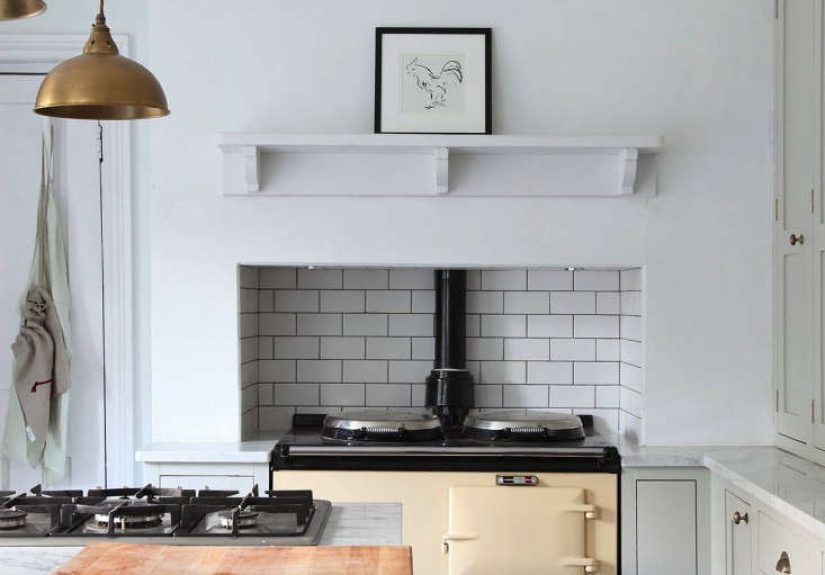
- White/cream subway tile with light grout for calm continuity
- Handmade-look tile for gentle texture (keep the color restrained)
- Beadboard/shiplap for cottage warmth (sealed and maintained)
Steal this move: If your counters are stone, choose a backsplash that’s quieter than the stone. If your counters are plain, you can add a touch more texture on the wallstill tonal, still calm.
Layout: The Worktable Island (A.K.A. English Kitchen Superpower)
One of the most copy-worthy English-kitchen moves is the worktable island: an island that looks like furniture, not a monolithic cabinet block. It can be a vintage table, a custom piece, or a “table-look” island with legs and open space.
Why it works
- It makes the kitchen feel collected, not cookie-cutter
- It lightens the visual weight in the center of the room
- It supports minimalist styling because it already has character
Specific example: If you can’t replace your island, fake it: add furniture-style legs, swap bulky panels for recessed toe-kicks, or choose stools with warm wood and simple silhouettes.
Open Shelving: Use It Like SaltNot Like Confetti
Minimalist English kitchens often include open shelves, but they’re curated. The shelf isn’t a storage crisis; it’s a calm display of everyday items: plates, mugs, a jar of wooden spoons, maybe one pretty cookbook that doesn’t scream “I bought this for the photo.”
Rules for shelves that look intentional
- Limit to 1–2 shelves per wall section
- Stick to a tight color palette (white ceramics, wood, brass accents)
- Repeat shapes: stacks of plates, matching glasses, aligned jars
- Leave negative spaceair is a design element
Styling the Minimalist English Way: Warm, Useful, and a Little Romantic
Here’s the secret: minimalist English kitchens still feel cozy because they use texture instead of clutter. A linen tea towel. A wooden cutting board that’s actually been used. A single vase of greens. The room feels alivejust not messy.
“Steal this look” styling kit
- One vintage-ish runner (muted tones) to soften hard surfaces
- A crock of wooden utensils (the kitchen version of a capsule wardrobe)
- Cutting boards leaned casually (but not in a board traffic jam)
- Two to three jars (salt, sugar, flour) with simple labels
- Greenery: herbs, a small plant, or a bowl of lemons
Clutter test: If you wouldn’t want to dust it weekly, it’s not minimalistit’s a hostage situation.
Budget-Friendly Ways to Get the Look (Without Selling a Kidney)
Low-lift upgrades
- Swap hardware to brass/bronze bin pulls and simple knobs
- Paint cabinets in a warm neutral or deep green
- Replace one light fixture with a simple pendant
- Edit counters: clear everything except one “daily use” zone
Mid-range improvements
- New sink + faucet (apron-front ceramic is a big visual win)
- Backsplash refresh with classic tile or sealed beadboard
- Worktable island using a sturdy table + thoughtful styling
Renovation-level moves
- Inset Shaker cabinetry and integrated storage planning
- Stone counters in honed finishes
- Better layout: improved work triangle, pantry/larder zones
Common Mistakes That Break the Minimalist English Spell
- Too many finishes (pick 2–3 and repeat them)
- Over-styling (it should look lived-in, not like a showroom)
- Cold lighting (minimalist doesn’t mean fluorescent sadness)
- Open shelving overload (your dishes deserve privacy sometimes)
- Trendy patterns everywhere (choose one hero element, keep the rest quiet)
Copy-Paste “Steal This Look” Blueprint
If you want the minimalist English kitchen recipe in one place, here you go:
- Cabinets: Shaker or slim Shaker, ideally inset or furniture-like
- Color: cream/putty/mushroom or deep green (two-tone if needed)
- Counters: honed stone or soft, quiet quartz/quartzite
- Sink: deep ceramic apron-front or a clean undermount
- Hardware: brass/bronze/nickel, classic shapes, minimal fuss
- Backsplash: simple tile or sealed beadboard/shiplap, tonal palette
- Island: worktable style (or fake it with legs and lighter visual weight)
- Styling: fewer items, better materialswood, linen, ceramic, greenery
Extra: Real-Life Experiences That Make This Kitchen Style Stick (500+ Words)
The funniest thing about chasing a “minimalist English kitchen” is realizing it’s not really about buying the right stuff. It’s about how you live in the spacewhat you keep out, what you put away, and what you’re willing to maintain when the honeymoon phase ends. Because yes, the kitchen can look dreamy at 9:00 a.m., but can it survive 6:30 p.m. when everyone is hungry and you’re one spilled sauce away from moving into the garage?
Experience #1: Minimalism is a storage strategy disguised as a vibe. The first time you try to “edit the counters,” you’ll discover which tools you genuinely use daily (coffee stuff, oil/salt, one cutting board) and which tools have been squatting there rent-free (the blender you fear, the air fryer you pretend you didn’t impulse-buy). English-inspired minimalism works best when you create zones: a cooking zone, a beverage zone, and a “drop zone” that’s not the countertop. Even a simple tray can turn chaos into “purposeful.” It’s basically tricking your mess into wearing a uniform.
Experience #2: Patina is either romance or heartbreakchoose your personality. Honed marble and unlacquered brass are like adopting a charming stray cat. Beautiful? Yes. Low-maintenance? Absolutely not. But the English kitchen mindset tends to embrace gentle wear as proof of life. If you’re the type who gets personally offended by water spots, choose materials that mimic the look (quartz with soft movement, aged-finish hardware) without demanding emotional labor. The minimalist English look isn’t about suffering; it’s about calm.
Experience #3: The worktable island changes how people behave. A big cabinet island can feel like a barrierlike the kitchen is a workplace with a front desk. A worktable-style island feels like an invitation. People lean in, help chop, sip tea, and suddenly you’re living in a cozy British novel where nobody is doom-scrolling (okay, maybe one person is doom-scrolling, but at least they’re doing it next to the breadboard like they have hobbies). The lighter visual weight also makes the room feel bigger. It’s a psychological trick that works on guests and homeowners alike.
Experience #4: Open shelving will teach you who you are. If you’re naturally tidy, open shelves look effortless: a few stacked plates, matching mugs, a jar of wooden spoons. If you’re naturally “creative,” open shelves will become a rotating exhibit called Objects I Put Here Temporarily in 2022. The minimalist English approach keeps shelves small and curated. One or two shelves, max. Not an entire wall of exposed responsibility.
Experience #5: Color is the quiet hero. People think minimalism means white. But many of the most soothing English kitchens lean into soft, grounding tonescream, stone, mushroom, deep greenbecause they’re forgiving and warm. A deep green island can hide scuffs better than bright white, and it makes brass hardware look like it belongs in a period drama (the tasteful kind, not the one where everyone is secretly a vampire). The point is: calm color choices reduce visual noise even before you declutter.
Experience #6: This style rewards rituals. A minimalist English kitchen shines when you build tiny habits: wipe counters before bed, put the pretty mugs back where they belong, keep one bowl of fruit out instead of twelve random packages. The kitchen starts to feel like a place you want to bemorning coffee, late-night toast, a quiet minute while something simmers. It’s less “I designed this” and more “I live well here.” And that’s the real steal: not just the look, but the feeling.
Conclusion
A minimalist English kitchen isn’t about stripping a room bareit’s about choosing the right classics and letting them breathe. Start with simple Shaker cabinetry, keep your palette grounded, pick honest materials, and style like a human who cooks. The final result feels calm, warm, and timelesslike your kitchen has good manners and excellent tea.