Table of Contents >> Show >> Hide
- What Happened on the Met Gala Photo Line?
- Why Fans Felt the Treatment Was More Than “Just Rude”
- The Met Gala Context: Glamour, Pressure, and a Very Short Clock
- Stray Kids’ Met Gala Debut Was a Big DealAnd Not Just for Fans
- Zooming Out: K-Pop, Fashion, and the New Power Map
- What Accountability Could Look Like (Without Turning the Internet Into a Pitchfork Parade)
- How Fans Can Channel Outrage Into Something Useful
- Conclusion: The Point Isn’t “Smile More”It’s “Respect More”
- Fan Experiences: What It Felt Like When the Clip Hit Everyone’s Feed (Extra )
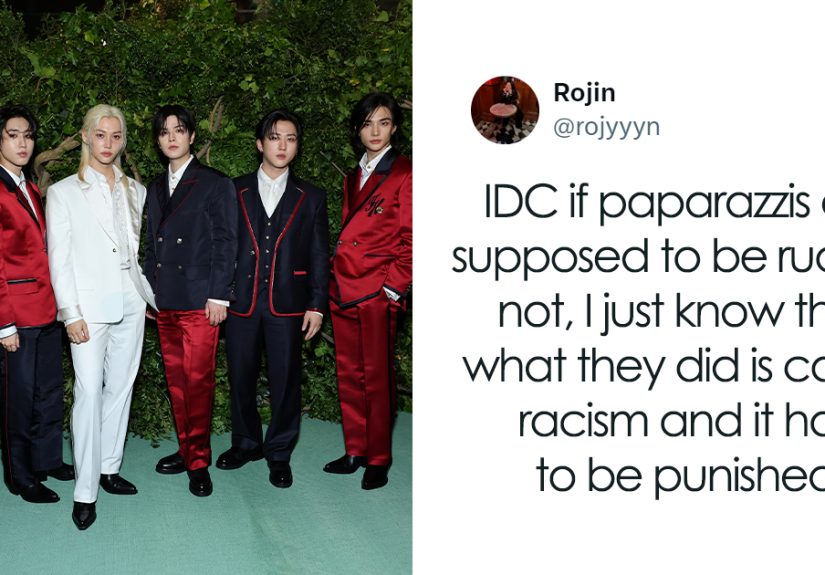
The Met Gala is supposed to be fashion’s fanciest fever dream: couture, cameras, and more “main character energy” than a whole season of prestige TV. So when Stray Kidsa chart-smashing K-pop group making a historic eight-member debuthit the carpet in custom Tommy Hilfiger, you’d expect the usual: flashbulbs, flattering angles, and photographers yelling “LOOK UP!” like it’s a public service announcement.
Instead, a clip circulating online sparked a very different conversation. Fans say some photographers on the Met Gala photo line mocked the group’s expressions, tossed out insensitive remarks, and treated them like a novelty act rather than invited guests at one of the world’s biggest cultural events. The backlash was immediateand loud. (K-pop fandoms don’t do “quiet disappointment.” They do receipts.)
What Happened on the Met Gala Photo Line?
Reports about the moment center on video footage from the carpet where Stray Kids are posing in formationcalm, composed, and very much doing what models do: giving face, holding posture, and staying on schedule. In the audio, multiple photographers can be heard directing the group with sharp commands and then making snide comments that fans interpreted as racist, xenophobic, or plainly disrespectful.
The remarks that set fans off
Different write-ups and reposts highlight slightly different snippets, but the same themes show up repeatedly: mocking the group’s “serious” expressions, implying they looked “robotic,” and making jokes that leaned on stereotypes about Asian people. There were also comments that appeared to confuse Korean and Japanese language and culturesomething that might sound small to outsiders, but lands as a giant red flag to anyone who’s been “othered” before.
- Mocking facial expressions (criticizing them for looking “unemotional” rather than recognizing a standard red carpet pose).
- “Robot” comments that fans saw as stereotyping and dehumanizing.
- “Everybody jump” style demands that felt more like heckling than direction.
- “Arigato” being shouted at a Korean groupan unnecessary and culturally careless move.
In several accounts, Stray Kids’ leader Bang Chan is described as ending the moment by clapping and guiding the group away, keeping it professional and moving them off the line without escalating the tension. That detail, for many fans, became the clearest sign that the group could hear what was being saidbecause yes, they understand English, and yes, some of them are native English speakers. (If the photographers assumed otherwise, that assumption is part of the problem.)
Why Fans Felt the Treatment Was More Than “Just Rude”
Red carpets can be chaotic. Photographers shout. Publicists herd. Celebrities pivot like they’re on a human Lazy Susan. But what fueled the outrage wasn’t simply volume or impatienceit was the tone and the content. Fans argued the comments carried stereotypes that have followed Asian artists in Western media for decades: being treated as interchangeable, overly “serious,” less expressive, or less worthy of basic respect.
The “serious face” double standard
Here’s the irony: serious posing is basically the Met Gala dress code’s unofficial cousin. Plenty of attendees serve a neutral expression because it photographs wellespecially under harsh lighting and rapid-fire shutters. Yet in this moment, Stray Kids were singled out for doing what the room rewards: controlled posture, consistent angles, and a polished presence.
Fans also noted something else: when photographers mock someone within earshot, they’re not just critiquing a posethey’re signaling who they believe belongs (and who doesn’t). That’s why the clip didn’t read like harmless griping. It read like gatekeeping.
The Met Gala Context: Glamour, Pressure, and a Very Short Clock
To understand how moments like this happen, it helps to understand what the Met Gala carpet actually is: a tightly timed photo operation attached to a museum fundraiser and exhibition opening. The event marks the Costume Institute’s annual exhibit2024’s was Sleeping Beauties: Reawakening Fashionand the gala helps fund the Institute’s work. The carpet is public-facing, but it’s run like a high-speed conveyor belt.
There’s limited space, a flood of talent, and photographers fighting for the best shot. Some bark instructions because they’re trying to get a specific angle before the next person steps in. That environment can explain impatience. It does not excuse demeaning commentaryespecially commentary that veers into stereotyping or racialized jokes.
Stray Kids’ Met Gala Debut Was a Big DealAnd Not Just for Fans
Stray Kids weren’t random attendees wandering in from a nearby pizza place. They were invited as guests and ambassadors for Tommy Hilfiger, arriving in custom looks designed to echo the brand’s signature red-white-and-blue palette while nodding to the 2024 dress code, The Garden of Time.
Custom Tommy Hilfiger, coordinated reveal, and a first-of-its-kind moment
Multiple outlets described the group’s coordinated entrance: structured outerwear followed by a reveal of tailored suits in bold, complementary colors. The styling played into the “Garden” theme with floral and botanical details while still looking unmistakably Hilfigerpreppy Americana, sharpened for the biggest fashion night of the year.
Just as importantly, the group’s attendance was historic in a simple, headline-friendly way: it’s rare for a full K-pop group to appear together at the Met Gala. That “all eight members” detail matters because it signals something bigger than one red carpet: the global center of pop culture isn’t confined to one continent anymore.
Zooming Out: K-Pop, Fashion, and the New Power Map
K-pop idols aren’t just musicians nowthey’re front-row fixtures, brand ambassadors, and major drivers of media attention for luxury houses. Fashion brands increasingly partner with K-pop stars precisely because fandoms are organized, global, and highly engaged. Translation: these artists don’t just wear clothes. They move markets.
And that’s where the Met Gala moment becomes symbolic. When a group can sell out tours, top charts, and headline campaigns for American designers, yet still get treated like outsiders on an American red carpet, the contradiction becomes impossible to ignore.
What Accountability Could Look Like (Without Turning the Internet Into a Pitchfork Parade)
Fans calling out disrespect doesn’t have to mean chaos. There are practical, professional steps that events can take to reduce the odds of this happening again. A-list events already manage behavior in plenty of wayscredentials, rules, restricted zones. A code of conduct for photo pits isn’t radical. It’s overdue.
1) A clear code of conduct for credentialed photographers
If you’re credentialed, you’re representing an outletor at least benefiting from the access. That should come with baseline expectations: no racial stereotyping, no heckling, no demeaning “perform for us” commentary, no culture-mocking jokes. A published policy also makes enforcement possible, because you can’t enforce “vibes.”
2) A floor manager empowered to intervene
Carpets already have staff managing flow. Add a role that’s specifically tasked with handling press-line conduct: someone who can give a warning, note a credential number, and escalate consequences. A calm adult with a clipboard can work wonders.
3) Cultural competency isn’t optional at global events
The Met Gala is an international stage. That means the press line should be prepared for international guests, languages, and cultural norms. “I didn’t know” stops being an excuse when your job is literally to cover culture.
4) Consequences that actually matter
If misconduct happens, consequences can include removal from the line, loss of credential privileges, or restrictions for future events. Not every bad moment needs a public shaming campaignbut access should never be guaranteed for people who abuse it.
How Fans Can Channel Outrage Into Something Useful
The instinct to protect your favorite artists is realand in this case, understandable. But the most effective responses tend to be the ones that don’t create collateral damage. Here are ways fans can push for change while keeping the focus on accountability:
- Document and report to event organizers and affiliated outlets using clear timestamps and descriptions.
- Support broader anti-bias work that addresses stereotyping and harassment beyond one event.
- Hold boundaries: critique behavior, not personal lives, and avoid doxxing or harassment campaigns.
- Amplify thoughtful coverage that treats K-pop artists as artistsnot as a punchline.
Stray Kids’ moment at the Met Gala should have been remembered for tailoring, theme interpretation, and a major cultural milestone. Instead, it sparked a conversation about respectwho gets it automatically, and who has to fight for it in public. Fans didn’t “overreact.” They reacted to a pattern they’ve seen too many times.
Conclusion: The Point Isn’t “Smile More”It’s “Respect More”
The Met Gala is built on the idea that fashion is cultureand culture is supposed to be expansive, not exclusionary. When photographers treat international artists like a joke, it undercuts the entire premise of the event. Stray Kids showed up prepared, polished, and professional. The bare minimum expectation is that the adults with cameras do the same.
Fan Experiences: What It Felt Like When the Clip Hit Everyone’s Feed (Extra )
If you’re not a K-pop fan, it’s easy to underestimate how fast “a moment” becomes “an event.” For many Stays, the night didn’t start on a red carpet in New York. It started hours earlier in group chats, time-zone conversions, snack runs, and the universal fan tradition of saying, “I’m just going to watch one clip,” and then blacking out emotionally until 3 a.m.
Fans describe the Met Gala as a strange kind of holiday: glamorous, stressful, and weirdly communal. Someone is always live-posting screenshots. Someone is always translating. Someone is always reminding everyone to hydrate, as if we’re all training for a marathon instead of watching men in expensive coats. That’s part of the joyK-pop fandom turns pop culture into a shared experience, like a digital living room where everyone is yelling, but in a supportive way.
Then the clip surfaced, and the tone changed. The same group chats that were gushing over tailoring and hair suddenly sounded like a fire drill: “Did you hear that?” “Replay it.” “No, that can’t be real.” “They thought they wouldn’t understand English?” In fan communities, the emotional whiplash is sharp because pride and protectiveness sit right next to each other. People were excited to see Stray Kids on a stage that’s historically been dominated by Western celebrities. Seeing that moment undercut by disrespect felt personalespecially for fans who are Asian or have their own stories of being stereotyped, mocked, or treated like they don’t quite belong.
Another common experience fans talk about is the helplessness of distance. Most people can’t call the Met and demand a redo of the carpet. They can’t step between the artists and the photographers. So they do what fandoms do: they mobilize. They clip the video. They add captions. They point out exactly what was said and why it matters. They try to keep the narrative from being brushed off as “internet drama” when, to them, it’s about basic dignity.
Some fans also describe a more complicated feeling: the fear that speaking up will lead to backlash against the artists themselves. Pop culture has a habit of punishing the people who were disrespected, not the ones who did the disrespecting. So you’ll see fans carefully reminding each other: “Focus on the behavior.” “Don’t drag the group into it.” “Don’t do anything that could hurt them later.” That’s a form of care that outsiders don’t always noticefandom advocacy often includes self-policing because fans know how quickly narratives can turn.
And then, after the anger, many fans circle back to what they wanted the night to be in the first place: celebration. They repost the best photos. They talk about how well the group carried themselves. They praise Bang Chan for keeping things moving. They rewatch the outfit reveal, reclaiming the moment as something positive. It’s a quiet kind of resilienceloudly expressed, of coursewhere the message becomes: “You don’t get to reduce them. We will keep showing up for them anyway.”