Table of Contents >> Show >> Hide
- What Is Subcutaneous Fat?
- Subcutaneous Fat vs. Visceral Fat
- Why Do You Gain More Subcutaneous Fat?
- How to Get Rid of Excess Subcutaneous Fat
- 1. Create a modest, realistic calorie deficit
- 2. Prioritize protein and fiber
- 3. Move enough to make fat loss easier
- 4. Strength train so you lose fat, not just “weight”
- 5. Stop trying to spot-reduce
- 6. Sleep like it matters, because it does
- 7. Manage stress before stress manages your snack drawer
- 8. Watch liquid calories, alcohol, and “healthy” overeating
- What Results Should You Expect?
- When to Talk to a Healthcare Professional
- What Real-Life Experiences With Subcutaneous Fat Often Look Like
- Conclusion
Subcutaneous fat is the soft, pinchable fat that sits right under your skin. If you grab a little around your belly, thighs, hips, or arms, that’s usually the stuff. It tends to get blamed for everything from tight jeans to swimsuit-related existential crises, but the truth is more nuanced: some subcutaneous fat is normal, useful, and part of how your body protects itself.
The problem starts when you have more of it than your body needs. Excess subcutaneous fat can signal overall excess body fat, and in many people it shows up alongside visceral fat, the deeper abdominal fat linked more strongly with metabolic problems. So while subcutaneous fat isn’t automatically the villain in your body-composition story, reducing excess amounts can still improve how you look, feel, move, and sometimes even how your lab numbers behave.
This guide breaks down what subcutaneous fat is, why you have it, how it differs from visceral fat, and what actually works if your goal is to lose it. No gimmicks. No “drink this mystery juice at 7:14 a.m.” nonsense. Just practical, evidence-based advice you can use in real life.
What Is Subcutaneous Fat?
Subcutaneous fat is the layer of fat stored directly beneath your skin. Your body uses it as an energy reserve, and it also helps protect tissues and organs, cushion pressure points, and support temperature regulation. In other words, it is not useless fluff. It is functional tissue.
In fact, your body is supposed to have some fat. That includes subcutaneous fat. The goal is not to become a human anatomy chart with zero softness and the emotional stability of a hangry squirrel. The goal is to reduce excess body fat in a healthy, sustainable way.
What subcutaneous fat usually feels like
Subcutaneous fat is often soft and easy to pinch. It may collect around the lower belly, hips, buttocks, thighs, upper arms, and sometimes the back. Where you store more of it depends on factors like genetics, sex, age, hormones, physical activity, and total calorie balance over time.
Is subcutaneous fat always unhealthy?
No. Some subcutaneous fat is normal and beneficial. Trouble tends to show up when total body fat rises enough to affect your mobility, energy, sleep, confidence, or long-term health risks. Excess fat around the waist can be especially worth paying attention to because it may reflect increased abdominal fat overall, not just the layer you can see in the mirror.
Subcutaneous Fat vs. Visceral Fat
People often use the word “body fat” like it is one big blob with one personality. It isn’t. The two main fat types people talk about most are subcutaneous fat and visceral fat, and they are not the same thing.
Subcutaneous fat
- Sits directly under the skin
- Can often be pinched
- Provides cushioning and stored energy
- May be less metabolically harmful than visceral fat
Visceral fat
- Lies deeper inside the abdomen
- Surrounds internal organs
- Cannot be pinched directly
- Is more strongly linked with cardiovascular and metabolic disease risk
This distinction matters because many people focus only on visible fat. But the body does not care whether your jeans button dramatically; it cares about overall health. You can be frustrated by subcutaneous fat for cosmetic reasons, yet the bigger health concern may be the deeper abdominal fat you cannot see.
That said, the plan for reducing excess subcutaneous fat and the plan for reducing overall excess fat are basically the same: improve your eating pattern, move more, build muscle, sleep better, manage stress, and stay consistent long enough for your body to get the memo.
Why Do You Gain More Subcutaneous Fat?
At the most basic level, fat gain happens when your body regularly takes in more energy than it uses. But real life is messier than a simple calories-in, calories-out slogan slapped on a water bottle.
Common factors that contribute
- Long-term calorie surplus: Regularly eating more than your body needs
- Low activity levels: Less movement means fewer calories burned and less muscle-preserving stimulus
- Low muscle mass: Less lean mass can make it easier to gain fat over time
- Sleep deprivation: Too little sleep can increase hunger, cravings, and fat accumulation
- Chronic stress: Stress can affect eating habits, recovery, and hormones related to appetite
- Highly processed food patterns: These can make it easy to overeat without feeling satisfied
- Genetics and hormones: These influence where you store fat and how readily you gain it
- Age and life stage: Body composition shifts over time, and fat distribution can change with aging
So no, gaining subcutaneous fat does not mean you are lazy, broken, or cursed by a sandwich witch. It usually reflects a mix of biology, behavior, environment, and routine.
How to Get Rid of Excess Subcutaneous Fat
Here is the key truth: you do not “melt” subcutaneous fat with one special exercise, one food, one supplement, or one detox. You reduce it by lowering overall body fat over time. That usually means creating a sustainable calorie deficit while preserving muscle and maintaining habits you can actually live with.
1. Create a modest, realistic calorie deficit
If you want to lose fat, your body has to use stored energy. That means burning more calories than you take in over time. This does not require starvation, punishment, or pretending celery is thrilling. It does require consistency.
Gradual weight loss is usually easier to maintain than crash dieting. A slower approach helps protect muscle, reduces rebound eating, and fits better into normal life. Think sustainable, not dramatic. Your body is not a game show transformation montage.
2. Prioritize protein and fiber
Two nutrition habits deserve a standing ovation: eating enough protein and getting more fiber. Protein helps you stay full and supports muscle maintenance while losing weight. Fiber-rich foods can also improve fullness, which makes it easier to eat fewer calories without feeling personally betrayed by lunch.
Build meals around foods like:
- Lean poultry, fish, eggs, tofu, Greek yogurt, beans, and lentils
- Vegetables and fruit
- Whole grains
- Nuts, seeds, and other healthy fats in sensible portions
A good eating pattern is usually less about banning whole food groups and more about eating more minimally processed foods, cutting back on added sugar, watching liquid calories, and making portions match your actual needs instead of your restaurant’s ego.
3. Move enough to make fat loss easier
Regular physical activity helps you burn calories, improve body composition, and support long-term weight management. Federal guidelines recommend at least 150 minutes of moderate-intensity aerobic activity per week, plus muscle-strengthening work on two or more days weekly. That is a strong baseline.
Brisk walking counts. Cycling counts. Swimming counts. Dancing around your kitchen while waiting for leftovers to reheat? Surprisingly decent start.
If 150 minutes sounds intimidating, begin smaller. Ten-minute walks after meals are not glamorous, but they are effective. The best exercise plan is the one you will still be doing next month.
4. Strength train so you lose fat, not just “weight”
Cardio is useful, but strength training is what keeps your plan from becoming a muscle-loss festival. Building or preserving lean muscle helps support metabolism and improves how your body looks and functions as fat comes down.
Focus on major movement patterns, such as:
- Squats or chair stands
- Rows
- Push-ups or presses
- Hinges like deadlift variations
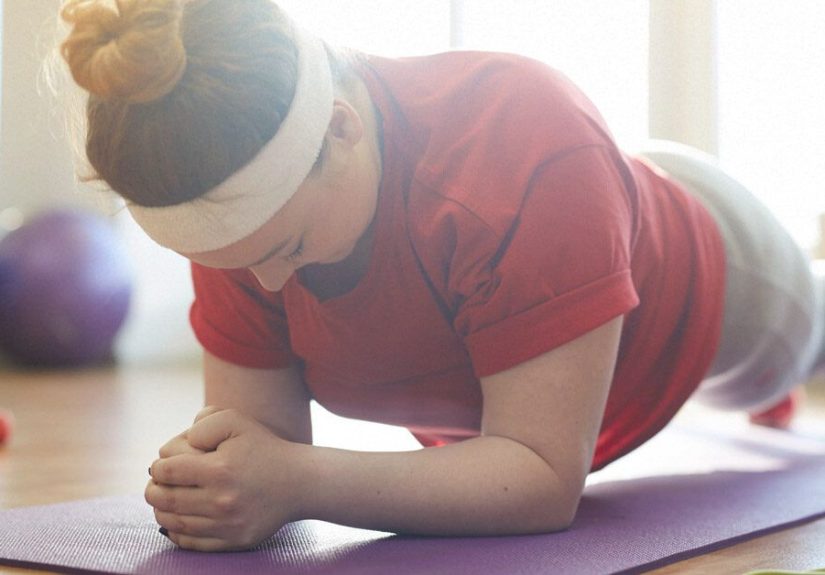
- Core stability work like planks
You do not need to become a powerlifter. You just need to challenge your muscles regularly enough that your body keeps them around.
5. Stop trying to spot-reduce
This one deserves bold letters in the sky: you cannot choose exactly where your body loses fat first. Hundreds of crunches may strengthen your abs, but they do not order your body to burn belly fat on command. Fat loss tends to happen system-wide, according to your genetics and physiology.
So yes, train the area you want to improve. But train it to build muscle and shape, not because you think your left triceps is about to start paying rent in body fat.
6. Sleep like it matters, because it does
Sleep is not a luxury item for people who alphabetize their spice rack. It is part of weight management. Too little sleep can increase hunger, make high-calorie foods more tempting, and make fat loss harder to sustain. Poor sleep is also associated with more abdominal fat accumulation.
Aim for a consistent schedule, reduce late-night screen time when possible, and avoid turning your bedtime routine into “one more episode” until 1:12 a.m.
7. Manage stress before stress manages your snack drawer
Chronic stress can nudge appetite, cravings, sleep, and recovery in the wrong direction. It is hard to make calm, deliberate choices when your nervous system is sprinting through life in dress shoes.
Useful strategies include walking, journaling, meditation, breath work, therapy, social support, and setting realistic expectations. You do not need a perfect zen lifestyle. You just need a few repeatable tools that keep stress from hijacking your habits.
8. Watch liquid calories, alcohol, and “healthy” overeating
Some of the sneakiest calories are not on a plate. Sugary drinks, coffee-shop extras, alcohol, and oversized “healthy” snacks can quietly crowd out your deficit. Even nutritious foods can slow fat loss if portions are consistently oversized.
That does not mean never drink a latte or never eat nut butter again. It means recognizing that “healthy” is not the same thing as “calorie-free.” Your smoothie can still be plotting against your goals.
What Results Should You Expect?
Healthy fat loss usually looks boring before it looks impressive. That is normal. You may notice better energy, less bloating, improved stamina, better sleep, and looser clothes before you see dramatic visual changes.
The scale may also move more slowly than your impatience would prefer. That does not mean your plan is failing. If you are eating well, moving consistently, lifting weights, and recovering properly, your body composition may improve even if your weight changes modestly.
A helpful mindset is to track more than one marker:
- Waist measurements
- How clothes fit
- Strength gains
- Walking pace or stamina
- Energy and hunger levels
- Photos over time
Sometimes your body is changing while the bathroom scale is busy being unhelpful.
When to Talk to a Healthcare Professional
If you have concerns about your body fat, waist size, or weight-related symptoms, it is smart to talk with a healthcare professional. That is especially true if you have high blood pressure, high blood sugar, sleep apnea, mobility limitations, or a family history of cardiometabolic disease.
You should also get help if you feel like you are doing “everything right” and nothing is changing. Medications, hormones, sleep disorders, menopause, stress, depression, insulin resistance, and other medical factors can affect weight and fat distribution. Sometimes the issue is not a lack of effort. Sometimes the issue is that biology showed up with extra paperwork.
A clinician or registered dietitian can help you build a plan that fits your health history, preferences, and goals. In some cases, prescription treatment for overweight or obesity may also be part of the conversation.
What Real-Life Experiences With Subcutaneous Fat Often Look Like
One of the most common experiences people report is frustration that the “soft fat” seems to hang on even after they start eating better. They may notice their face looks leaner, their energy is up, and their workouts feel easier, yet the lower belly, thighs, or arms still seem to be taking their sweet time. This is incredibly common. The body does not always lose fat in the order you want, and it does not care that summer is approaching with aggressive confidence.
Another common experience is discovering that cardio alone helps, but not as much as expected. Someone may start walking every day and feel better quickly, but their shape changes more noticeably once they add strength training and increase protein. That is because body composition often improves best when exercise is paired with nutrition and muscle-preserving habits. Many people are not just trying to lose weight. They are trying to look firmer, feel stronger, and stop feeling winded halfway up the stairs.
People also often describe a shift in how they think about food. Early on, they may try to “be good” by eating tiny meals, skipping breakfast, or cutting out everything enjoyable. That usually lasts until about the emotional equivalent of a rainy Tuesday, at which point the plan collapses into takeout and regret. A more successful experience is learning to eat satisfying meals with enough protein, fiber, and structure. Once hunger becomes manageable, fat loss stops feeling like a daily argument.
Sleep shows up in people’s stories more than they expect. Many notice that when they are sleeping poorly, cravings shoot up, workouts feel harder, and portion control becomes a heroic act. Once sleep improves, everything else feels more doable. The same goes for stress. During chaotic work periods or emotionally draining seasons, people often see their routines slide. It is not always because they forgot what to do. It is because stress makes simple habits harder to repeat.
There is also the clothing moment. This is the plot twist many people love. The scale may barely move for a couple of weeks, but pants start fitting differently. Shirts sit better on the shoulders. Waistbands stop launching personal attacks after dinner. These small wins matter. They are often signs that fat is going down and muscle is being maintained or built.
And finally, many people eventually realize that “getting rid of subcutaneous fat” is not about chasing a perfectly flat stomach forever. It becomes more about reducing excess fat, improving health markers, feeling confident in their body, and building routines that do not disappear after one vacation, one birthday cake, or one stressful month. That mindset is usually what turns temporary progress into lasting results.
Conclusion
Subcutaneous fat is the fat just beneath your skin. Some of it is normal and necessary. Too much of it, however, can be a sign that your overall body fat is higher than ideal, especially if it comes with a growing waistline or other health concerns.
If you want to reduce excess subcutaneous fat, the answer is not magic. It is the steady combination of a modest calorie deficit, high-quality food choices, regular aerobic activity, strength training, better sleep, and stress management. That may not sound flashy, but it works far more reliably than anything sold in a neon tub online.
So be patient with the process. Build habits you can repeat. Ignore spot-reduction myths. And remember: your goal is not to wage war on your body. Your goal is to work with it a little more wisely.