Table of Contents >> Show >> Hide
- What Is Sugar Cream Pie (and Why Do People Call It “Hoosier Pie”)?
- Why This Sugar Cream Pie Recipe Works
- Ingredients You’ll Need
- Step-by-Step Sugar Cream Pie Recipe
- How to Tell When Sugar Cream Pie Is Done
- Troubleshooting (Because Pie Happens)
- Variations That Still Taste Like the Real Deal
- Serving Ideas
- Make-Ahead and Storage
- Frequently Asked Questions
- Conclusion
- Extra: of Sugar Cream Pie “Kitchen Experiences” You’ll Probably Recognize
Sugar cream pie is what happens when a handful of everyday pantry staples decide to dress up and pretend
they’re fancy. It’s creamy, sweet, gently spiced, and famously low-drama compared with fruit pies
(no peeling, no pitting, no “why is my kitchen covered in blueberry splatter?”).
If you’ve never made it, you’re about to understand why Indiana treats this dessert like a beloved family member.
What Is Sugar Cream Pie (and Why Do People Call It “Hoosier Pie”)?
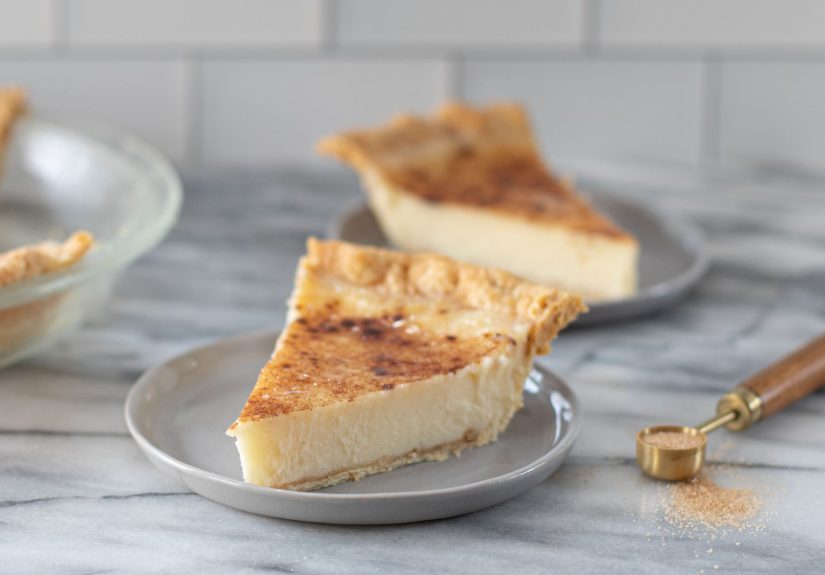
Sugar cream pie is a classic Midwestern custard-style pie made with cream (or half-and-half), sugar,
a thickener (often cornstarch or flour), butter, vanilla, and a cozy dusting of nutmeg or cinnamon.
Many traditional versions are egg-free, which makes the filling taste silky and cleanlike vanilla ice cream’s
calmer, more mature cousin who owns matching storage containers.
It’s strongly associated with Indiana, where it became popular as a “make-it-anytime” pie when fresh fruit
wasn’t available. In other words: it’s the dessert equivalent of looking into your fridge, seeing “milk”
and “hope,” and still pulling off something impressive.
Why This Sugar Cream Pie Recipe Works
- Stovetop thickening gives you control and helps prevent a runny center.
- Egg-free filling delivers a smooth, sliceable custard without the fuss of tempering eggs.
- Blind-baked crust keeps the bottom crisp instead of soggy and sad.
- Short finishing bake helps the filling set and marry with the crust for cleaner slices.
Ingredients You’ll Need
This recipe makes one 9-inch sugar cream pie (about 8 slices).
For the crust
- 1 (9-inch) pie crust (homemade or store-bought)
- Pie weights (or dried beans/rice) for blind baking
For the sugar cream filling
- 1 cup granulated sugar
- 1/4 cup cornstarch
- 1/2 teaspoon kosher salt (or 1/4 teaspoon fine salt)
- 2 cups half-and-half (or whole milk)
- 1 cup heavy cream
- 4 tablespoons unsalted butter (cut into pieces)
- 2 teaspoons vanilla extract
For the classic topping
- Freshly grated nutmeg (or ground nutmeg)
- Optional: a pinch of cinnamon
Optional (but very helpful) tools
- Whisk
- Medium saucepan
- Instant-read thermometer (nice, not required)
- Fine-mesh sieve (insurance policy for ultra-smooth filling)
Step-by-Step Sugar Cream Pie Recipe
Step 1: Blind-bake the crust (for a crisp bottom)
- Preheat your oven to 375°F.
- Place the pie crust in a 9-inch pie dish. Crimp the edges.
- Line the crust with parchment or foil and fill with pie weights.
-
Bake for 15 minutes, then carefully remove weights and lining.
Bake 8–10 more minutes until the bottom looks dry and lightly golden. - Reduce oven temperature to 350°F.
Pro tip: If you want maximum crunch, brush the warm crust with a thin layer of egg white
and bake for 2 minutes. (This doesn’t add eggs to the fillingjust a tiny moisture barrier.)
Step 2: Make the filling (silky, thick, and egg-free)
- In a medium saucepan (off heat), whisk together sugar, cornstarch, and salt.
-
Slowly whisk in the half-and-half first, then whisk in the heavy cream.
(Going gradually helps avoid lumps.) -
Place over medium heat and whisk constantly, reaching into the corners of the pan.
After a few minutes, the mixture will warm up, then suddenly thicken. -
Once it thickens, keep whisking until you see gentle bubbles (a slow “blip-blip,” not a volcanic eruption),
and cook 1 minute more to fully activate the cornstarch. - Remove from heat. Whisk in butter until melted, then whisk in vanilla.
- Optional: Pour through a fine-mesh sieve into a bowl for an extra-smooth finish.
Texture check: The filling should look like a glossy, pourable puddingthick enough to coat a spoon,
but still able to flow.
Step 3: Fill, top, and bake briefly to set
- Pour the warm filling into the pre-baked crust.
- Dust the top generously with nutmeg (and a pinch of cinnamon if you like).
- Bake at 350°F for 10–12 minutes.
-
Cool at room temperature for 1 hour, then refrigerate for at least 4 hours
(overnight is even better) before slicing.
The chill time is not a suggestion. It’s the difference between neat slices and
“delicious custard soup wearing a crust hat.”
How to Tell When Sugar Cream Pie Is Done
- Right after the short bake, the center should look set but softly wobbly, like gelatin that hasn’t fully chilled.
- After chilling, it should slice cleanly and hold its shape.
-
If you used a thermometer while cooking the filling, you’re generally in a good zone once it thickens and
bubbles gently; the visible thickening + brief boil is the most important cue.
Troubleshooting (Because Pie Happens)
My filling is runny
- Most common cause: the mixture didn’t bubble long enough on the stovetop to fully activate cornstarch.
- Another common cause: slicing before a full chill.
-
Fix: If it’s only slightly soft, a longer chill can help. If it’s truly runny, treat it like a very tasty parfait
and try againthis pie forgives you emotionally, if not structurally.
My filling is lumpy
- Cornstarch can clump if liquid is added too fast or heat is uneven.
- Fix: Sieve the filling before pouring into the crust. Nobody has to know.
The top looks cracked
- Usually from overbaking or rapid temperature changes.
- Fix: A dusting of nutmeg and a dollop of whipped cream turn “crack” into “rustic charm.”
Variations That Still Taste Like the Real Deal
Brown sugar boost
Swap 1/3 cup of the granulated sugar for light brown sugar for a gentle caramel note.
It’s still sugar cream piejust wearing a slightly fancier sweater.
Extra warm spice
Add 1/4 teaspoon cinnamon into the filling while cooking for a more spiced profile.
Keep nutmeg on top for that classic bakery finish.
Dairy options (without getting weird)
- Richer: Use 2 cups heavy cream + 1 cup whole milk.
- Lighter: Use all half-and-half (texture is slightly less lush but still excellent).
Gluten-free
Use a gluten-free pie crust and keep the filling thickened with cornstarch. Double-check labels and you’re good.
Serving Ideas
- Classic: Plain slice + coffee (the Midwest power couple).
- Fancy without effort: Lightly sweetened whipped cream and extra nutmeg.
- Fruit-friendly: A few fresh berries on the side to cut the sweetness.
- Holiday mode: Serve slightly chilled so the filling stays tidy on the plate.
Make-Ahead and Storage
- Make-ahead: This pie is best after an overnight chill, so it’s perfect for planning ahead.
- Refrigerator: Cover and store for 3–4 days.
-
Freezer: You can freeze it, but the texture may get a little weepy after thawing.
If you freeze, wrap tightly and thaw overnight in the fridge.
Frequently Asked Questions
Does traditional sugar cream pie have eggs?
Many classic Hoosier-style versions are egg-free and rely on flour or cornstarch for thickening.
Egg-based versions exist too, but this recipe sticks to the smooth, eggless style.
Why blind bake the crust?
Sugar cream filling is, well, creamy. Blind baking gives the crust a head start so the bottom stays crisp
instead of soaking up moisture like a sponge that regrets its life choices.
Can I use a store-bought crust?
Absolutely. Use one you like, blind bake it, and focus your energy on the filling (the real star anyway).
How sweet is it?
It’s a sugar cream pie, not a sugar whisper pie. That said, the salt, vanilla, and nutmeg help balance things,
and serving with coffee or berries keeps it from feeling one-note.
Conclusion
Sugar cream pie is proof that you don’t need a complicated ingredient list to make a dessert people remember.
With a crisp crust, a silky egg-free vanilla filling, and that signature nutmeg top, this is the kind of pie
that fits everywhereweeknight “just because,” holiday tables, or any gathering where someone says,
“We should have dessert,” and everyone magically agrees.
Make it once and you’ll start noticing a funny side effect: the ingredients are so simple that the pie becomes
dangerously repeatable. Consider yourself warned.
Extra: of Sugar Cream Pie “Kitchen Experiences” You’ll Probably Recognize
The first “experience” most people have with sugar cream pie is disbelief: That’s it?
Sugar, cream, starch, butter, vanilla, nutmegno mountain of apples, no citrus juicing marathon,
no elaborate lattice that makes you question your fine motor skills. It can feel almost suspicious,
like the pie is trying to lull you into a false sense of security. And honestly? It kind of is.
The simplicity invites confidence… right up until you realize the real challenge is patience.
Because the second universal sugar cream pie experience is staring into the refrigerator like it’s a microwave:
“Is it chilled yet?” You will be tempted to slice early. You will rationalize. You will say things like,
“It’s probably fine,” in the exact tone people use right before a chair breaks. The filling might hold,
or it might gently slump into a creamy puddle that still tastes amazingbut looks like it needs a nap.
This is why experienced bakers talk about chill time with the seriousness of a seatbelt lecture.
Then there’s the “nutmeg moment.” Some people go timidone cautious dusting, like they’re seasoning a
salad for someone who thinks pepper is spicy. Others go full snowstorm, creating a top layer so fragrant
you can smell it from the driveway. The sweet spot is generous but not aggressive: enough nutmeg to
announce itself, not enough to start a debate. And if you accidentally overdo it? Whipped cream is a
diplomatic peace treaty.
Another classic experience: the pie becomes a conversation starter. Someone will call it “Hoosier pie.”
Someone else will say, “My grandma made something like this.” A third person will insist the “real” version
uses flour, not cornstarch. Nobody is technically wrong; sugar cream pie has traveled through families and
communities long enough to collect variations like souvenirs. That’s part of the charmit’s a recipe that
feels inherited even when you found it on a random Tuesday.
Finally, there’s the sneaky way sugar cream pie teaches confidence. After you make it once, you start thinking,
“Wait… I can do custard-style fillings.” Suddenly you’re considering cream pies, pudding pies, and every
dessert that begins with warming milk and ends with triumph. Sugar cream pie is humble, but it’s also a
gateway bakeone that whispers, “You’ve got this,” while handing you a second slice.