Table of Contents >> Show >> Hide
- What Are Synthetic Bedding Pillow Inserts?
- Why Choose Synthetic Over Down or Feather?
- The Main Types of Synthetic Pillow Insert Fills
- How to Choose the Right Insert for Bedding
- A Practical Sizing Guide for Bedding Pillow Inserts
- Care, Cleaning, and Keeping Them Fluffy
- Allergies, Dust Mites, and Why Synthetic Can Be a Smart Swap
- Sustainability: Can Synthetic Inserts Be “Better”?
- Common Problems (and Fixes That Don’t Involve Rage-Ordering New Pillows)
- Buying Checklist: What to Look For in a Great Synthetic Bedding Pillow Insert
- Real-World Experiences With Synthetic Bedding Pillow Inserts (The Extra )
- Conclusion
Pillow covers are the outfit. Pillow inserts are the posture. If your shams look like they just pulled an all-nighter,
it’s usually not your design tasteit’s your insert choice. Synthetic bedding pillow inserts (think: down-alternative,
microfiber, and polyester fiberfill) are the behind-the-scenes heroes that make a bed look “hotel” instead of “help.”
This guide breaks down what synthetic inserts are, how they differ, how to pick the right size and fill for your bed,
and how to keep them fluffy without starting a full-time fluffing career.
What Are Synthetic Bedding Pillow Inserts?
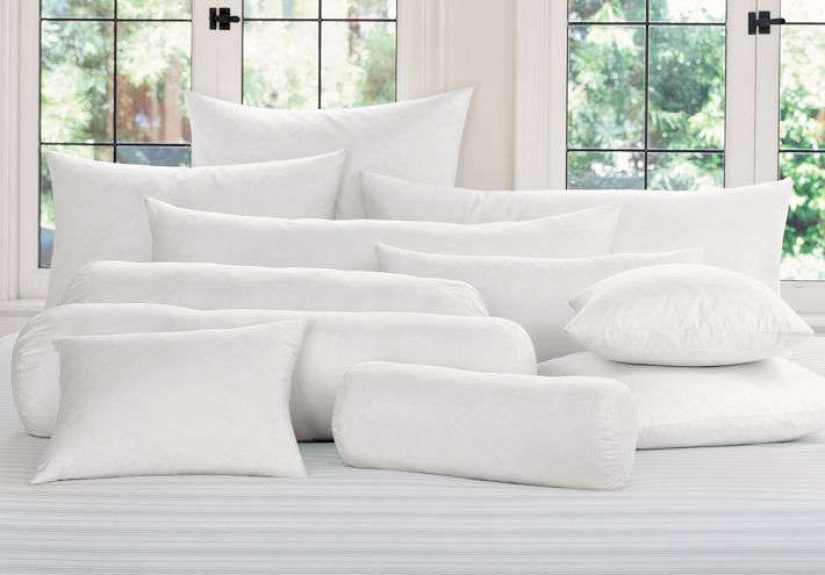
A synthetic pillow insert is a removable pillow formtypically a cotton or polyester shell stuffed with
man-made fibersthat goes inside a sham or pillow cover. In bedding, inserts are commonly used for:
- Euro shams (those big square pillows that make your bed look instantly “styled”)
- Decorative shams and throw pillows that sit in front of sleeping pillows
- Lumbar pillows for layered, supportive, “I read books for fun” energy
Synthetic fills are popular because they’re generally hypoallergenic, widely available, and often easier
to wash and maintain than feather/down options. They’re also the easiest way to get a full, tailored lookespecially if you
choose the right size and density (more on that in a second).
Why Choose Synthetic Over Down or Feather?
Down and feather inserts can feel luxurious and “choppable,” but they often require more refluffing and may flatten faster,
especially in heavily used spaces. Many people choose synthetic bedding pillow inserts because they offer a friendlier mix of
easy care, consistent loft, and allergy comfort.
Key advantages of synthetic pillow inserts
- Allergy-friendly: Synthetic fills are commonly recommended when you want to avoid feather/down triggers.
- Easy maintenance: Many fiberfill inserts are machine-washable, and they dry faster than you’d expect.
- Budget flexibility: You can upgrade the “look” of your bedding without replacing every cover.
- Design control: Synthetic options range from soft-and-squishy to structured-and-perky corners.
The tradeoff: not all synthetic fills are created equal. The cheapest polyester can go flat, while better “cluster” or
high-loft microfiber fills can hold shape significantly longer.
The Main Types of Synthetic Pillow Insert Fills
If “polyester” sounds like one ingredient, it’s not. Synthetic fills come in a few common personalitieseach with a different
feel, resilience, and styling payoff.
1) Polyester fiberfill (classic polyfill)
This is the most common down-alternative stuffing: fluffy polyester fibers packed into a shell. It’s affordable and widely used.
Quality varies a lot: higher-loft fibers and better stuffing density tend to look fuller and resist flattening longer.
2) Microfiber down alternative
Microfiber is still polyester, but typically finer and denser, designed to mimic the drape and plushness of down.
You’ll often see microfiber fills marketed as lofty, soft, and supportivegreat for bedding layers that you want to look inviting
without feeling like a beanbag.
3) Cluster fiber / “synthetic down” clusters
Cluster fills use small clumps (or “clusters”) of fiber that behave more like down clustersso they can feel softer and more
moldable while bouncing back better than cheap loose polyfill. If you want the “karate chop” styling moment without feathers,
this category is often where the magic lives.
4) Blended fills (microfiber + recycled polyester, etc.)
Some inserts combine microfiber with recycled polyester to balance plushness, support, and sustainability goals. These can be
a sweet spot when you want a lofty look with a little extra conscience.
Quick comparison table
| Fill Type | Best For | Feel | Common “Gotcha” |
|---|---|---|---|
| Polyester fiberfill | Budget bedding layers, guest rooms | Ranges from soft to firm | Low-end versions flatten faster |
| Microfiber down alternative | Plush Euro shams, cozy decorative stacks | Smooth, lofty, down-ish | Can clump if not dried well after washing |
| Cluster fiber (“synthetic down”) | Designer-looking shams, “chop” styling | Moldable, resilient | Often pricier than basic polyfill |
| Blends (incl. recycled) | Eco-leaning buyers, balanced performance | Varies by mix | Specs differread labels carefully |
How to Choose the Right Insert for Bedding
The perfect synthetic bedding pillow insert depends on where it sits and what job it’s doing:
looking pretty, supporting your back, or convincing everyone you have your life together.
Step 1: Pick the right size (the “fullness” decision)
For decorative bedding pillows, many designers recommend sizing inserts 1–2 inches larger than the cover for a fuller,
more tailored look. A common example: a 20×20 cover pairs nicely with a 22×22 insert when you want that plump,
corner-to-corner finish.
- Full, structured look: size up 2″
- Neat, easy-to-insert look: match the cover size (or size up 1″)
- Very thick or stiff covers (velvet, heavy woven): sizing up often helps prevent “sad pancake” syndrome
Step 2: Choose loft and firmness by function
- Euro shams: medium to firm inserts keep the bed looking crisp and layered.
- Front decorative pillows: softer or medium inserts look cozy and are easier to “chop.”
- Lumbar pillows: medium firmness often feels best for actual support (not just vibes).
If you see weights listed (ounces of fill), more weight usually means more firmness and fullnessthough fiber type matters too.
When in doubt, choose slightly fuller for bedding: a bed is a visual stage, not a minimalist museum exhibit.
Step 3: Look at shell fabric and construction
The shell affects durability, feel, and how well the insert holds its shape. Cotton shells are common for decorative inserts,
and a tighter weave can help keep the fill evenly contained over time. Construction details like knife-edge seams or piped edges
can also influence how structured the corners look inside a cover.
Step 4: Consider certifications and materials if sensitivities matter
If you’re shopping for kids’ rooms, allergy-sensitive households, or simply prefer fewer questionable chemicals, you’ll often see
inserts labeled with textile safety certifications (for example, OEKO-TEX STANDARD 100 on some bedding products). Treat certifications
as one helpful signalnot a magical shieldbut it can be a meaningful filter when you’re narrowing choices.
A Practical Sizing Guide for Bedding Pillow Inserts
Here are common bedding cover sizes and insert pairings. Adjust based on how “plump” you want the look to be.
Square pillows
- 18×18 cover: 18×18 (neat) or 20×20 (fuller)
- 20×20 cover: 20×20 (neat) or 22×22 (fuller)
- 22×22 cover: 22×22 (neat) or 24×24 (fuller)
Euro shams
- 26×26 cover: 26×26 or 27×27/28×28 (extra lofty, if available)
Lumbar pillows
- 12×20 cover: 12×20 or 13×21 (if you can find it)
- 14×20 cover: 14×20 (supportive) or slightly larger for a more rounded face
Pro styling tip: if your covers are new and your inserts are old, the bed will still look tired. Covers don’t create fullness
inserts do. (Your duvet feels seen.)
Care, Cleaning, and Keeping Them Fluffy
Synthetic bedding pillow inserts are usually easier to wash than foam pillows, but they still need correct care to avoid clumps
and flat spots.
How often should you wash inserts?
Many cleaning experts suggest washing washable pillows every few months (think: seasonally), and laundering pillowcases far more often.
If you use inserts purely decoratively (behind a cover that gets washed), you can usually wash inserts less frequentlyunless allergies,
pets, or spills are part of the plot.
Washing best practices (for washable fiberfill/microfiber inserts)
- Check the care label first (always).
- Wash two pillows at a time to help balance the machine.
- Use a gentle cycle and mild detergent; avoid overdoing soap.
- Rinse thoroughlyleftover detergent can make fills feel stiff or clumpy.
Drying tips to prevent clumping
- Dry completely (damp fill is the fastest route to clumps and odors).
- Add dryer balls or clean tennis balls to help break up clumps and restore loft.
- Pause mid-dry to redistribute the fill by hand, especially with thicker inserts.
Fluffing between washes matters, too. A quick daily “karate chop and shake” takes ten seconds and keeps inserts from developing permanent
flat zonesespecially on beds that are made tightly every morning.
Allergies, Dust Mites, and Why Synthetic Can Be a Smart Swap
Dust mites love warm, humid, fabric-rich environments (aka: bedding). If allergies or asthma are a concern, synthetic inserts can help
because they avoid feather/down while remaining easy-care.
- Use protective encasements when sensitivity is highespecially for sleeping pillows.
- Wash bedding regularly and consider hot-water laundering guidance when appropriate for your fabrics and household needs.
- Keep humidity lower (many allergen resources recommend staying at or below about 50%).
Bottom line: your pillow inserts don’t have to be high drama. If they can be washed and fully dried, that’s already a win for
allergy-conscious homes.
Sustainability: Can Synthetic Inserts Be “Better”?
“Synthetic” doesn’t automatically mean “bad,” and “natural” doesn’t automatically mean “perfect.” The more useful question is:
What is this made of, how long will it last, and can it be responsibly produced?
If sustainability matters to you, look for:
- Recycled polyester fills (often noted on product details)
- Longer-lasting construction (durability can reduce replacement frequency)
- Textile safety certifications that signal third-party testing for certain harmful substances
One overlooked eco move is simply buying better inserts once. A resilient synthetic down-alternative that stays lofty for years
can be more sustainable than replacing flattened inserts every season like it’s a pillow-based fast-fashion cycle.
Common Problems (and Fixes That Don’t Involve Rage-Ordering New Pillows)
Problem: “My pillows look flat in the corners.”
Usually a sizing or firmness mismatch. Try sizing up 1–2 inches, or choose a firmer insert. For bedding layers, slightly fuller is often better.
Problem: “The insert is lumpy after washing.”
It likely wasn’t dried fully. Re-dry with dryer balls/tennis balls, pausing to break up clumps by hand. Next time, use less detergent and add an extra rinse.
Problem: “The insert is too stiff and won’t ‘chop.’”
Some firm inserts are designed to be structured. If you want the designer “karate chop,” look for softer microfiber or cluster fiber fills.
Problem: “It’s hard to get the insert inside the cover.”
Normal, especially when you size up. Fold the insert in half like a taco, slide it into the cover, then let it expand and work the corners in place.
(Yes, you will look like you’re wrestling a marshmallow. This is the way.)
Buying Checklist: What to Look For in a Great Synthetic Bedding Pillow Insert
- Fill type: microfiber or cluster fiber if you want plush + resilient; basic polyfill if you’re budget-focused
- Proper sizing: match size for easy fit; size up for a fuller, styled look
- Shell quality: cotton or tightly woven fabric helps with durability
- Care label: machine-washable is convenient, but only if you can dry it thoroughly
- Use case alignment: firm for Euro shams, medium for lumbar support, softer for front decorative pillows
- Material transparency: look for details like recycled fill percentages if that matters to you
You don’t need the “best” insert on Earth. You need the best insert for your bed: your covers, your climate, your laundry habits,
and your tolerance for fluffing.
Real-World Experiences With Synthetic Bedding Pillow Inserts (The Extra )
People tend to have strong feelings about pillow inserts, which is hilarious if you step back and realize we’re debating stuffed squares.
But bedding is personal, and inserts are one of those “small” purchases that you notice every single day.
The “Week One” experience: instant upgrade, suspicious confidence
The most common first reaction to swapping in new synthetic inserts is, “Wait… is my bed actually cute?” Fresh inserts immediately
sharpen the silhouette of shams and covers. Euro shams stand taller, lumbar pillows stop slouching, and suddenly the whole bed looks
intentionaleven if you’re still using a phone charger as an alarm clock like it’s 2012.
If you sized up (say, a 20×20 cover with a 22×22 insert), you’ll also notice the “tailored face” effect: corners fill out, wrinkles
smooth out, and the cover fabric looks higher-end. This is one reason designers push the size-up trick for a fuller look. The only downside?
Inserting them can feel like trying to get a sleeping bag back into its tiny stuff sack. The taco-fold method becomes your new skillset.
The “Month One” experience: you learn what “maintenance” really means
Around week three or four, people start to notice how their inserts behave under real life: sitting up in bed, leaning on pillows while reading,
kids using them as landing pads, or pets declaring them a throne. Better synthetic fills (especially microfiber or cluster fiber) tend to bounce back
after use with minimal fluffing. Basic polyfill versions can begin to show gentle flatteningusually at the center or corners.
This is also when you discover your household’s “pillow habits.” If you make the bed tightly every day, you may compress the inserts more than you realize.
A quick shake-and-fluff takes seconds and keeps them looking fresh. People who skip fluffing often report the same complaint later: “They looked amazing at first,
and then… meh.” That’s not a betrayal. That’s physics.
The “After Washing” experience: either triumph or a lumpy lesson
Synthetic bedding pillow inserts are often washable, which feels like freedomuntil you pull one out and it’s slightly lumpy. The biggest difference between
“I love these forever” and “why did I do this” is drying. Fully drying the insert, using dryer balls (or tennis balls), and pausing to break up clumps turns
the wash cycle into a successful refresh. Cutting the dry short because you’re impatient turns it into a science project.
The “One Year” experience: the quality gap becomes obvious
Over time, people tend to separate inserts into two piles: the ones that still look plump and the ones that mysteriously migrated into a flatter dimension.
Higher-quality synthetic down alternatives generally keep a better shape, especially if they were slightly overstuffed and cared for properly. Lower-cost inserts
can still be a smart buy for guest beds or seasonal covers, but many households end up replacing them sooner.
The most practical long-term strategy people report is “right insert, right job”: firm inserts for Euro shams (structure), medium for lumbar pillows (support),
and softer fills up front (cozy + chop-friendly). When inserts match their purpose, the bed stays styled with less effortbecause your bedding should not require
an employee handbook.
Conclusion
Synthetic bedding pillow inserts aren’t glamorousuntil you see what they do for your bed. Choose the right fill (microfiber or cluster for plush resilience,
basic fiberfill for budget), pick a size that matches your desired fullness, and care for them like the hardworking home staples they are.
Do that, and your pillow covers stop “existing” and start performing. And honestly, we all deserve pillows that show up for us.