Table of Contents >> Show >> Hide
- What “Texting and Driving” Really Means (It’s More Than Just Texts)
- What Happens Every Day in America Because of Texting and Driving
- The Myth of “I Can Multitask While I Drive”
- Who’s Texting and Driving? (Spoiler: Not Just Teenagers)
- What the Law Says About Texting and Driving
- Texting and Driving vs. Drunk Driving
- Why We Still Do It Even Though We Know Better
- How to Break the Texting and Driving Habit
- Everyday Experiences: What Texting and Driving Looks Like in Real Life
- Conclusion: Your Messages Can Wait, Lives Can’t
If you’ve ever glanced down at your phone at a red light “just for a second,” welcome to the club no one really wants to be in: distracted drivers. In the United States, texting and driving isn’t a rare, dramatic thing that only happens in movie crash scenes. It’s an everyday habit woven into commutes, school drop-offs, and late-night fast-food runsquietly causing real damage long before the screech of brakes and crunch of metal.
This article takes a hard, honest look at what texting and driving really does on American roads each daywho it affects, how often it happens, what the laws actually say, and why your brain is not nearly as good at “multitasking” as you think. We’ll mix in real numbers, real stories, and a little humor so the truth goes down easier (and hopefully convinces you to put your phone down next time you’re behind the wheel).
What “Texting and Driving” Really Means (It’s More Than Just Texts)
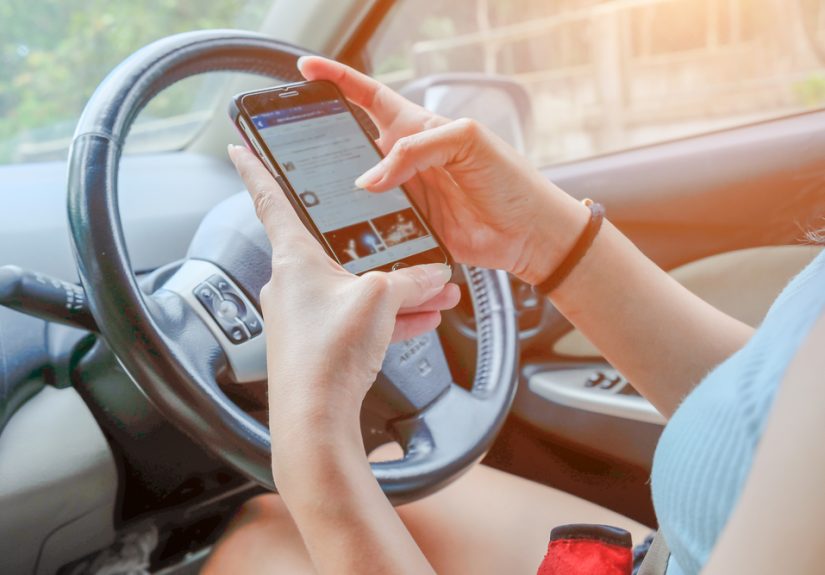
When people hear “texting and driving,” they picture someone hammering out a long message at 65 mph. But in safety research, it’s part of a bigger category called distracted driving. Texting is one of the worst offenders because it pulls your attention in three ways at once:
- Eyes off the road – You look down at the screen, not at traffic.
- Hands off the wheel – One or both hands are busy typing, scrolling, or tapping.
- Mind off the drive – Your brain is processing the message instead of reading the road.
Even “harmless” actions count as texting and driving: checking a notification, reading a DM, liking a post, sending an emoji, searching for a song, or replying “ok” to a group chat. If it involves your phone and your attention shifts away from the road, it’s part of the problem.
The scary part? Most of this doesn’t feel dangerous in the moment. It feels normal. That’s exactly why it’s so commonand so deadly.
What Happens Every Day in America Because of Texting and Driving
Let’s zoom out and look at the daily picture. Across the country, every single day, some version of this happens:
- Thousands of drivers pick up their phones during routine tripson the highway, on side streets, in school zones, at intersections.
- Some of them drift over the center line, roll through stop signs, or slam on their brakes too late.
- A portion of those moments turn into crashesfrom fender-benders to catastrophic collisions.
- Every day, multiple families get calls they never expected about a “distracted driving crash.”
National safety and health agencies estimate that hundreds of thousands of people are injured in distraction-related crashes each year, with several thousand killed annually. A significant share of these crashes involve cell phone use while driving, especially texting, social media, and other apps.
When you break those annual numbers down, it works out to roughly:
- People killed every day in crashes reported to involve a distracted driver.
- Hundreds injured dailydrivers, passengers, pedestrians, and cyclists.
These aren’t “rare events.” They are built into the daily rhythm of American traffic. While most drivers never see the crash data, trauma units, first responders, and tow truck drivers see the reality in real time.
The Myth of “I Can Multitask While I Drive”
If you’ve ever thought, “I’m good at multitaskingI can handle a quick text,” your brain is lying to you. Human brains don’t actually do multiple complex tasks at once; they switch back and forth between them. Behind the wheel, that switch costs you precious time.
Here’s how texting and driving sabotages your safety:
1. Your Reaction Time Slows Down
When you’re looking at your phone, you’re not scanning the road ahead. Even a two-second look away can double your risk of a crash because you’re not processing what’s happening in front of you. You’re late to notice brake lights, lane changes, or a child stepping off the curb.
2. You Travel “Blind” for Long Distances
Think about this: at 55 mph, your car covers the length of a football field in about five seconds. If you’re reading or sending a text during that time, you’ve essentially driven a football field while not fully paying attention. You wouldn’t close your eyes and just hope for the best, but texting basically does that in slow motion.
3. You Get “Cognitive Tunnel Vision”
Texting doesn’t just pull your eyes away; it pulls your thoughts away. You’re busy crafting a clever reply, defending yourself in an argument, or reacting to a shocking message. Your body is in the car, but your mind is in the chat. That’s when people miss obvious hazards: a red light, a curve, a stopped car, a crossing pedestrian.
4. You Overestimate Your Own Skills
Many drivers admit that texting and driving is dangerousfor other people. But they believe they’re the exception because they’re “careful,” “quick,” or “only do it at lights.” Safety research and crash statistics say otherwise. The road doesn’t care how confident you are; it only cares how much attention you’re actually paying.
Who’s Texting and Driving? (Spoiler: Not Just Teenagers)
Teens and young adults get the spotlight in distracted driving campaigns, and yes, they’re at high risk. Younger drivers tend to have less experience behind the wheel, and their relationship with smartphones is… intense. Studies show that teen and Gen Z drivers can spend a surprising chunk of their driving time glancing at phones, often for entertainment and texting.
But here’s the uncomfortable truth: adults are not innocent. Surveys of American drivers have found that plenty of people in their 30s, 40s, and beyond admit to reading or sending messages while driving in the past month. Many check work email at red lights, scroll navigation apps but sneak a look at notifications, or respond to “urgent” texts while in motion.
In other words, texting and driving is a cross-generational problem. Parents who text and drive while lecturing their kids about safety are sending a louder message with their behavior than with their words.
What the Law Says About Texting and Driving
The legal landscape in the U.S. has shifted dramatically over the past two decades. Nearly every state now has some form of texting while driving law, and many have broader handheld cell phone bans.
In many states, it is illegal to:
- Send or read text messages while driving.
- Hold a phone in your hand while operating a vehicle (even at stoplights in some places).
- Use a handheld device at all if you’re a novice or young driver.
Violations can come with fines, court costs, points on your license, insurance consequences, and, in serious crashes, potential criminal charges. Some states treat distracted driving crashes that cause serious injury or death similarly to drunk driving in terms of legal consequences.
However, laws alone aren’t magic. Enforcement can be trickydrivers often try to hide phones low in their lapsand many people still assume they won’t be the ones caught. That’s why culture and personal habit matter just as much as statutes.
Texting and Driving vs. Drunk Driving
Is texting and driving really “as bad as” drunk driving? Direct comparisons are imperfect, but the core point is this: both behaviors massively increase crash risk, and both are preventable.
Driving under the influence slows your reaction time, narrows your attention, and impairs judgment. Texting and driving does something eerily similar by stealing your eyes, hands, and mind away from the task of driving. In simulator tests and real-world data, texting drivers often react as slowlyor more slowlythan drivers who are legally drunk.
We’ve spent decades changing culture around drunk driving with slogans like “Friends don’t let friends drive drunk.” We’re still in the middle of that cultural shift for phone use behind the wheel. The goal is to make “friends don’t let friends text and drive” feel just as obvious.
Why We Still Do It Even Though We Know Better
If the dangers are so clear, why does texting and driving still happen every day in America? Several human tendencies are at work:
- Instant gratification – A notification feels urgent even when it’s not. Our brains love the quick dopamine hit of checking messages.
- Overconfidence – “Nothing bad has happened yet, so I must be good at this.” That’s not how risk works.
- Social pressure – People expect quick replies. Many feel guilty if they don’t answer right away, even while driving.
- Habit – Reaching for your phone becomes automatic. You barely realize you’re doing it.
- Underestimating time – A “quick glance” is often longer than you think, especially when a message pulls you into a conversation.
None of this makes texting and driving okay, but it explains why public safety campaigns emphasize not just rules, but changing habits and expectations. The goal is to help people build a new default: if you’re driving, the phone waits.
How to Break the Texting and Driving Habit
The good news: you don’t need a perfect attention span or superhuman willpower. You just need systems that make the safe choice the easy choice.
Tech and Settings That Actually Help
- “Do Not Disturb While Driving” modes – Many smartphones can detect motion and silence notifications automatically, or send auto-replies like “I’m driving right now, I’ll respond later.” Turn it on once and forget about it.
- Built-in car systems – Apple CarPlay, Android Auto, and other infotainment systems let you use voice commands to handle navigation and calls with less distraction than holding a phone (still not risk-free, but better).
- Lock-screen discipline – Disable lock-screen previews for texts and social apps. If you don’t see the teaser, you’re less tempted to check.
Simple Behavioral Rules
- Out of sight, out of hand – Put your phone in the glove box, back seat, or a zipped bag while you drive.
- Set expectations – Tell friends, family, and coworkers: “If I don’t answer, I’m probably driving.” A one-time message can lower the pressure to respond instantly.
- Use passengers wisely – Hand your phone to a passenger if you really need something checked or typed.
- Make red lights off-limits – Many crashes happen just after a light turns green while someone is still looking down. Decide that red lights are for breathing, not scrolling.
These small changes add up. You don’t need to be perfect; you just need to be better than the dangerous habits that have become “normal.”
Everyday Experiences: What Texting and Driving Looks Like in Real Life
Statistics are powerful, but sometimes stories hit harder. Here are some everyday-style scenarios, based on real-world patterns, that play out on American roads more often than most people realize.
The Morning Commute Close Call
Jessica is running late to work. Traffic is heavy but moving. Her phone buzzes with a message from her boss: “Can you send that report as soon as you get in?” She feels pressureshe forgot to email it last night. She picks up her phone to answer, “On my way now, almost there.”
While she types, the brake lights in front of her flare red. The car ahead slows for a merging lane, but Jessica’s eyes are on her screen. When she finally looks up, she slams the brakes and misses the car in front of her by inches. Her heart pounds. She tells herself, “Okay, that was scary. No more texting today.”
Jessica got lucky. A lot of people in almost the same situation don’t.
The High School Parking Lot Chain Reaction
After school, the line of cars leaving the parking lot is long and slow. Tyler, a junior, pulls out his phone because “we’re barely moving anyway.” He scrolls through his group chat and answers a meme. The car in front of him moves forward, then stops again. Tyler moves forward, still reading.
He doesn’t see that the car ahead stops short. He taps the gas, looks up too late, and bumps the bumper in front of him. It’s a low-speed fender-benderno one is hurtbut his parents are furious, his insurance rates go up, and his confidence behind the wheel drops.
It’s a minor crash compared to what could have happened at higher speed, but for Tyler it becomes the moment he stops thinking he’s “good at multitasking.”
The Intersection That Changed Everything
On a quiet Sunday afternoon, a family is driving home from a birthday party. At the same time, a young professional heads across town, using her phone for navigation. A notification pops up at the top of her screenan unexpected message from someone she hasn’t heard from in years. Curiosity wins. She looks down to read it.
As she glances away, the traffic light ahead turns red. Cars in the cross street enter the intersection. She never sees the full red light. Her car runs the intersection and strikes the family’s vehicle hard on the passenger side. In a few seconds, everyone’s life changes.
Crashes like this appear in news blurbs with phrases like “driver failed to stop” or “possible distraction.” For the people involved, those three seconds of inattention never stop echoing.
The “I Thought It Was Safe” Left Turn
At a busy suburban intersection, Mark waits to make an unprotected left turn across two lanes of oncoming traffic. He checks for a gap. It’s tight, but he thinks he can make it. As he inches forward, his phone buzzes with a text from his teenager: “Can I go to Jaden’s?”
He glances down for half a second to read it. When he looks back up, he mistakenly believes the nearest oncoming car is farther away than it really is. He goes for the turn. The other driver lays on the horn and brakes hard. They avoid a crash by a few feet.
Mark feels embarrassed and rattled. To anyone watching, it looked like he misjudged the gap. Only he knows his phone stole that split second of awareness.
The Passenger Who Spoke Up
Not every story ends in a crash or a near miss. Sometimes, change starts with a small, awkward moment.
Sophia is riding with her friend Maya. They’re on the highway, chatting about weekend plans. Maya’s phone lights up in the console, and she reaches for it with one hand while still driving with the other.
Sophia feels a knot in her stomach. She’s seen too many stories about texting and driving. She takes a breath and says, “Hey, do you mind if I answer that for you? The road’s making me a little nervous.”
Maya laughs it off“I’m fine, I do this all the time”but she lets Sophia grab the phone. A mile later, they pass a car pulled over on the shoulder, bumper crushed, airbags deployed. Traffic slows around the scene.
Maya glances at the wreck, then at Sophia, and says quietly, “Okay, you were right. New rule: passengers handle the phone.” That tiny bit of peer pressure might prevent future crashes neither of them will ever know about.
Conclusion: Your Messages Can Wait, Lives Can’t
Every day in America, texting and driving turns ordinary moments into emergencies. A quick reply, a funny meme, a “be there in 5” messagenone of it is worth a life, a permanent injury, or the guilt of causing harm to someone else.
We know that distracted driving kills and injures thousands of people each year. We know that cell phone use while driving sharply increases crash risk. We know that laws, public campaigns, and technology all helpbut they’re not enough on their own. In the end, the real change happens one driver, one decision, one trip at a time.
The good news is that this is one of the simplest safety improvements you can make in your life. You don’t have to buy new gear or memorize complex rules. You just have to decide: “If I’m driving, I’m not touching my phone.” Put it away. Turn on driving mode. Let your messages pile up until you park.
Your future self, your passengers, and everyone sharing the road with you will be grateful you did.
meta_title: Texting and Driving: What Happens Every Day
meta_description: Discover what really happens every day in America when drivers text behind the wheel, plus statistics, stories, and safer habits.
sapo: Texting and driving isn’t a rare nightmare scenarioit’s an everyday habit woven into American life, quietly fueling thousands of crashes, injuries, and tragedies each year. This in-depth guide breaks down what actually happens on the road when drivers pick up their phones, why your brain can’t safely multitask at 55 mph, how laws and technology are trying to catch up, and what simple changes can dramatically cut your risk. With real-world examples, practical tips, and a clear look at how distracted driving affects everyone from teens to seasoned commuters, this article gives you everything you need to finally make one small but life-saving decision: when you drive, your phone waits.
keywords: texting and driving, distracted driving, texting while driving statistics, cell phone use while driving, texting and driving laws, distracted driving accidents, safe driving habits