Table of Contents >> Show >> Hide
- How This Fan Ranking Works (Without Pretending We Can Read Minds)
- What Makes a Great Real Serial Killer Movie?
- The 25+ Best Real Serial Killer Movies, Ranked By Fans
- Quick Watch Tips (Because Your Brain Deserves a Seatbelt)
- 500+ Words: Common Fan Experiences Watching Real Serial Killer Movies
- Final Thoughts
There are two kinds of people in the world: (1) folks who hear “based on a true story” and calmly press play, and (2) folks who immediately Google “how true is true,” then sleep with every light on. If you’re here, congratulationsyou’re somewhere in the middle, the place where curiosity meets caution and your watchlist quietly whispers, “You good?”
Real serial killer movies are a weirdly magnetic corner of cinema. Done well, they’re not “fun murder rides” (hard pass); they’re character studies, cautionary tales, procedural deep dives, and sometimes sharp cultural snapshots of fear, media obsession, and institutional failure. Fans tend to reward the films that feel the most groundedmovies that focus on the hunt, the ripple effects, the survivors, and the uncomfortable truth that evil often wears an unremarkable face.
How This Fan Ranking Works (Without Pretending We Can Read Minds)
“Ranked by fans” doesn’t mean every viewer agreestrue-crime lovers argue like sports fans during playoffs. This list reflects the titles that consistently rise to the top across major fan-voting and audience-driven spaces (fan rankings, user-curated lists, and widely discussed “best of” roundups), plus a dash of cultural staying power and rewatch value. That’s why you’ll see a mix of:
- Top fan-vote staples that repeatedly dominate “best based-on-real-serial-killers” lists.
- Audience-favorite biopics that get talked about (and debated) years after release.
- Investigation-first thrillers where the chase and the fallout matter as much as the crimes.
- A few “inspired by” classics that aren’t literal adaptations but shaped the genre and fan conversation.
What Makes a Great Real Serial Killer Movie?
Fans generally gravitate toward films that do at least three things right:
- They don’t turn the killer into a mascot. The best films keep the focus on the investigation, the victims, the community, and the systems that failed.
- They earn the dread. Tension comes from detail and inevitability, not just gore.
- They leave you thinking. About accountability, media, power, and how easily people can miss what’s in front of them.
The 25+ Best Real Serial Killer Movies, Ranked By Fans
Here are the fan-favoritesranked in the “if you know, you know” order that keeps showing up whenever viewers vote, rate, or passionately defend their picks.
- Zodiac (2007) The gold-standard fan pick for “true-case obsession.” David Fincher turns the Zodiac investigation into a slow-burn spiral where paperwork, ego, and uncertainty feel scarier than jump scares. Fans love it because it respects how unresolved cases actually haunt people, and it makes “unsolved” feel like a punchline the universe refuses to stop repeating.
- Monster (2003) A brutal, humanizing (not excusing) portrait of Aileen Wuornos, anchored by Charlize Theron’s transformative performance. Fans rank it high because it’s less about “serial killer mythology” and more about the tragedy, the context, and the wreckage a life can become.
- Extremely Wicked, Shockingly Evil and Vile (2019) Told through the lens of Ted Bundy’s relationship, this one makes fans argue in the comments like it’s a constitutional convention. Supporters praise the choice to spotlight manipulation and charm as weapons; critics wish it pushed harder against the “Bundy as spectacle” problem. Either way, it’s a fan-discussion machine.
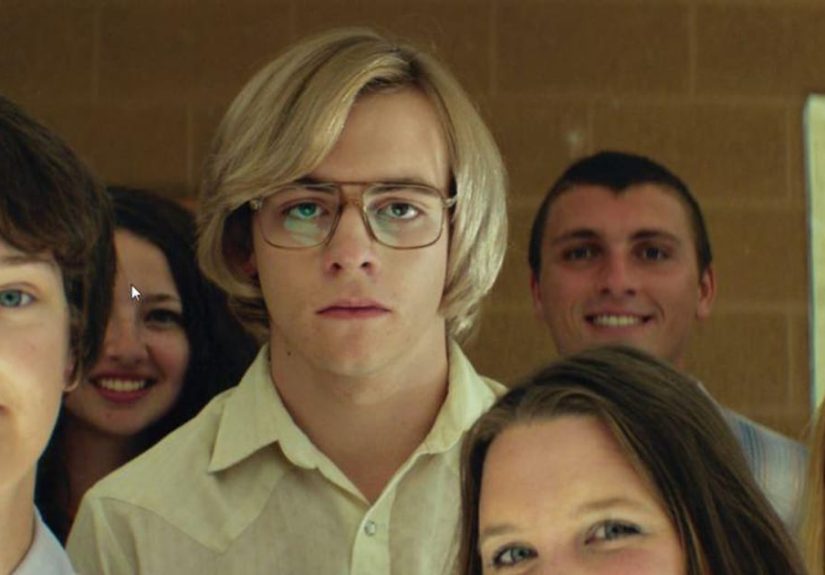
- My Friend Dahmer (2017) A chilling “before the headlines” look at Jeffrey Dahmer’s teen years, based on a classmate’s graphic memoir. Fans appreciate that it’s uncomfortable in a quiet, mundane waybecause that’s the point. It also lands as a warning about isolation, neglect, and the limits of hindsight.
- Henry: Portrait of a Serial Killer (1986) A grimy, unflinching film loosely inspired by real killers (not a neat biography). Fans who want their true-crime cinema to feel ethically challengingnot cathartictend to rank this one high. It’s not “enjoyable,” but it’s unforgettable.
- The Good Nurse (2022) A true-crime story with a cold systemic core: the horror isn’t only what happened, but how long it went on and how institutions enabled it. Fans praise the restrained dread and the way it makes the “monster” feel chillingly ordinary.
- Summer of Sam (1999) Spike Lee uses the Son of Sam era as a pressure cooker, focusing on paranoia, rumors, and neighborhood tension. Fans who love “crime as cultural snapshot” keep this one in rotation, because it’s as much about fear contagion as it is about the case.
- The Boston Strangler (1968) An older fan-favorite that still draws interest because it’s part procedural, part psychological study, and part “what does a city do when it’s terrified?” It’s also a reminder that some famous cases come with disputed detailsand movies sometimes pick a side.
- In Cold Blood (1967) Not a traditional “serial killer” tale, but a foundational true-crime film that fans still bring up in every “best real murder movies” debate. It’s clinical, haunting, and influentiallike watching the blueprint of modern crime cinema being drafted in real time.
- From Hell (2001) Jack the Ripper stories are their own genre, and fans keep returning to this stylized, fog-drenched take. It’s speculative by nature (the case is famously unresolved), but it scratches the itch for Victorian dread and conspiracy-laced investigation.
- Memories of Murder (2003) A fan-beloved masterpiece based on real killings, blending procedural frustration with dark humor and social critique. Viewers love the way it shows policing, politics, and ego collidingwhere the case becomes a mirror for an entire system.
- Snowtown (2011) A bleak, disturbing film based on real crimes. Fans who can handle heavy material respect it for refusing sensationalism; it’s less “thriller” and more “watching something awful seep into ordinary life.”
- The Frozen Ground (2013) Built around the Robert Hansen case, this one plays like a manhunt thriller with a strong emphasis on getting a victim to safety and believing her. Fans like that it keeps urgency on the investigation and the stakes, not on mythologizing the offender.
- Citizen X (1995) A fan favorite among true-crime procedural lovers, especially those who like “the hunt” more than “the horror.” It’s about the bureaucracy and the grindhow chasing a killer can become a battle against your own institutions.
- No Man of God (2021) Essentially a conversation-driven psychological duel with Ted Bundy. Fans who love quiet intensity praise it for focusing on manipulation, language, and controlhow a killer tries to manage the story even at the end.
- The Deliberate Stranger (1986) A TV-movie Bundy classic that still shows up on fan lists. It’s straightforward and unsettling, and fans often recommend it for viewers who want older “case-of-the-week” realism without modern true-crime gloss.
- The Riverman (2004) True-crime catnip for fans who like “serial killer consulting” stories: Bundy is used as a lens while the Green River investigation looms. It’s eerie because it’s about how law enforcement sometimes has to negotiate with darkness to understand it.
- To Catch a Killer (1992) A John Wayne Gacy TV-movie that fans keep resurfacing because it’s sober, procedural, and focused on catching the perpetrator. It’s not stylish; it’s grimexactly what many true-crime fans say they prefer.
- Gacy (2003) A more direct, dramatized portrait that’s often recommended with a caution label: it’s heavy and upsetting. Fans include it because it’s a known entry point for the case in movie form, but it can be a rough watch.
- The Hunt for the BTK Killer (2005) A TV-movie pick for fans who want the investigation’s long arc. BTK cases are especially disturbing because of the taunting communicationthis film leans into the procedural frustration and eventual break.
- Ted Bundy (2002) A sharper-edged, more exploitative-feeling entry than some fans like, but it remains frequently cited and widely seen in the “Bundy movie” ecosystem. It often lands on fan lists for sheer notoriety and availability.
- Dahmer (2002) A bleak take focused on alienation and escalation rather than flashy thrills. Fans who prefer psychological realism often rank it above more sensational portrayals.
- 10 Rillington Place (1971) A chilling classic based on John Christie. Fans praise its quiet, lived-in dreadproof you don’t need modern editing tricks to make a true-crime film feel suffocating.
- Karla (2006) Based on the Bernardo/Homolka case, this is frequently discussed for its approach and ethical questions. It’s included because fans continue to debate itsometimes passionatelyabout what “responsible depiction” even means.
- The Town That Dreaded Sundown (1976) Inspired by the Texarkana murders, this one sits in the “semi-docudrama meets horror” lane. Fans keep it around because it captures how a community’s fear becomes its own character.
- Psycho (1960) Not a direct biography, but fans count it because of its connection (and controversy) around Ed Gein inspiration. It’s here because it’s the genre’s Mount Rushmorewhether you want it to be or not.
- The Texas Chain Saw Massacre (1974) Also not a literal adaptation, but famously associated with Ed Gein–style inspiration in the public imagination. Fans still talk about it as “true-crime adjacent” horror: a movie that feels like it crawled out of a police report and refused to leave.
- The Iceman (2012) A debated entry because the real-life claims around Richard Kuklinski have long been controversial. Fans include it when the topic is “real killers on film,” but it’s best approached with healthy skepticism and a fact-checker’s side-eye.
Quick Watch Tips (Because Your Brain Deserves a Seatbelt)
Pick your vibe before you press play
- Investigation-first: Zodiac, Citizen X, The Frozen Ground, The Boston Strangler
- Psychological character study: Monster, No Man of God, Dahmer, My Friend Dahmer
- “Inspired by” horror DNA: Psycho, The Texas Chain Saw Massacre, The Town That Dreaded Sundown
A note on ethics (and why fans fight in the comments)
The most common fan criticism of real serial killer movies is simple: when a film gives the killer too much spotlight, it can feel like the victims get erased. The best entries on this list tend to win fans over by emphasizing the investigation’s human cost, the systems that fail people, and the fact that “charisma” is not a personalityit’s sometimes just camouflage.
500+ Words: Common Fan Experiences Watching Real Serial Killer Movies
If you’ve ever finished a real serial killer movie and immediately felt the need to check that your front door is locked and your soul is still inside your body, you’re not alone. Fans describe these films less like “entertainment” and more like a ride your nervous system didn’t remember buying a ticket for.
One of the most reported viewer experiences is the “slow-burn hangover,” especially with investigation-driven films like Zodiac. The tension doesn’t spike and release; it accumulates. Fans often say the scariest part is how normal everything looksoffices, streets, casual conversationswhile dread quietly sets up a permanent tent in the corner of the frame. It’s the cinematic equivalent of a paper cut: small, persistent, and weirdly hard to ignore.
Another common experience is the “moral argument with yourself” during biopics. With movies like Monster or No Man of God, viewers frequently describe feeling conflicted: you can recognize a human life shaped by trauma, failure, and neglect without granting a free pass for harm. Fans often appreciate when a film trusts them to hold that tension. The best movies don’t wink at the audience like, “Isn’t this fascinating?” They ask, “What does it mean that we’re fascinatedand what do we owe to the people who suffered?”
There’s also a distinctly modern fan experience: the “true-crime literacy test.” Viewers who’ve listened to podcasts, read case books, or watched documentaries come in with expectations. They notice timeline changes, composite characters, and dramatized confrontations. Sometimes that sparks frustration (“that’s not how it happened”), and sometimes it sparks appreciation (“they simplified responsibly without turning it into a carnival”). Movies like The Good Nurse often land well with fans because the horror is in the systempaper trails, quiet cover-ups, and institutional incentivesso even dramatization can still point at something painfully real.
Fans also talk about “aftercare viewing”yes, that’s a thing. It might look like watching something comforting afterward, texting a friend just to talk about literally anything else, or reading a short factual summary to separate the movie’s choices from the real case. Many viewers say that a quick palate cleanser helps: a sitcom episode, a nature video, or anything involving a golden retriever living its best life. (No judgment. Your nervous system did not sign up for a double-feature of dread.)
Finally, there’s the experience of watching with other people. Fans often say real serial killer movies are surprisingly socialbecause they prompt conversation about fear, trust, red flags, and how communities respond under pressure. In a group, people tend to focus less on the killer and more on the “how”: How did the investigation work? How did systems fail? How did the film handle victims? Those conversations, when done thoughtfully, are often what turns a grim watch into something meaningfulless voyeurism, more reflection.
In short: if these movies get under your skin, that doesn’t mean you’re “too sensitive.” It usually means the film did what the best fan-ranked true-crime cinema does: it made the danger feel real, the cost feel human, and the answers feel unsettlingly incomplete.
Final Thoughts
The best real serial killer movies aren’t “favorites” because they’re comfortablethey’re favorites because they’re effective. Fans return to them for craft, tension, and insight, not for shock value. If you’re building a true-crime movie marathon, consider pacing: mix an investigation-first thriller with a character study, and always keep a comfort watch in your back pocket like emotional sunscreen.