Table of Contents >> Show >> Hide
- Quick reality check: nutrients aren’t magic shields
- How we picked these 7 nutrients
- 1) Vitamin C: the classic immune-support vitamin
- 2) Vitamin D: the immune system’s “sunlight memo”
- 3) Zinc: the mineral your immune cells can’t wing it without
- 4) Selenium: small dose, big antioxidant job
- 5) Vitamin A: the “mucous membrane” MVP
- 6) Vitamin E: antioxidant bodyguard for immune cells
- 7) Vitamin B6: the behind-the-scenes immune helper
- Should you take an “immune support” supplement?
- Immune system basics that matter as much as vitamins
- FAQ: quick answers (because we’re all busy)
- Real-World Experiences: What People Notice When They Focus on These 7 Nutrients
- Conclusion
Your immune system is basically the world’s most overworked security team. It scans for trouble, checks IDs, calls for backup,
cleans up messes, and (when you get sick) sometimes turns your body into a cranky, congested battlefield. The catch? Like any good
team, it needs the right tools. In immune health, those tools are often micronutrientsvitamins and minerals your body
can’t make (or can’t make enough of) and must get from food, sunlight, or supplements.
This article breaks down the 7 best vitamins and minerals for immune support, what they actually do, where to find them,
and how to supplement safelywithout falling for “mega-dose” hype or turning your kitchen cabinet into a pharmacy cosplay.
Quick reality check: nutrients aren’t magic shields
Vitamins and minerals don’t create an invisible force field around you. What they do help with is making sure immune cells can
develop, communicate, and respond properly. If you’re deficient, immune function can weaken. If you’re not deficient, taking huge
extra amounts usually doesn’t “upgrade” you into a superheroit often just upgrades your urine color and your risk of side effects.
The goal is simple: meet your needs consistently. Food-first is ideal, supplements can be helpful when gaps exist,
and smart lifestyle habits (sleep, stress management, vaccines, hygiene) still matter a lot.
How we picked these 7 nutrients
The nutrients below have well-established roles in immune function and show up repeatedly in clinical nutrition resources as
important for maintaining normal immune defenses. Some help with barrier protection (like your skin and mucous membranes),
some support immune cell growth and signaling, and others act as antioxidants that help keep inflammation from getting messy.
You’ll see a pattern: the best “immune vitamins” are not exoticthey’re often the same essential nutrients you’ve heard about forever.
The difference is learning how to use them wisely.
1) Vitamin C: the classic immune-support vitamin
What it does for immunity
Vitamin C supports immune defense in multiple ways: it helps immune cells function, supports antioxidant activity, and plays a role in
skin and tissue integrity (your first line of defense). It’s also involved in collagen formationbasically the “rebar” in your body’s
connective tissue.
Food sources (easy wins)
- Citrus fruits (oranges, grapefruit)
- Strawberries, kiwi, and other berries
- Bell peppers (quietly one of the biggest vitamin C flexes)
- Broccoli, Brussels sprouts, tomatoes
Supplements: when they help (and when they don’t)
Regular vitamin C intake may slightly reduce the duration of common cold symptoms for some people, but it’s not a guaranteed
“cold stopper,” especially if you start after symptoms begin. If your diet is low in fruits and veggies, supplementing modestly can
help you meet daily needs.
Practical tip: If you want to supplement, think “gap filler,” not “cannon.” Many people do fine with 100–200 mg/day
if food intake is inconsistent. Extremely high doses can cause GI upset (and your stomach will file a complaint).
2) Vitamin D: the immune system’s “sunlight memo”
Why vitamin D matters
Vitamin D helps regulate immune responses and plays a role in how immune cells activate. It’s also deeply connected to bone health
so it’s pulling double duty like a very responsible adult.
Who’s more likely to be low
- People with limited sun exposure (indoor jobs, heavy sunscreen use, winter climates)
- Older adults
- People with darker skin tones (melanin reduces vitamin D production from sunlight)
- Those with certain malabsorption conditions
Food sources and sunlight
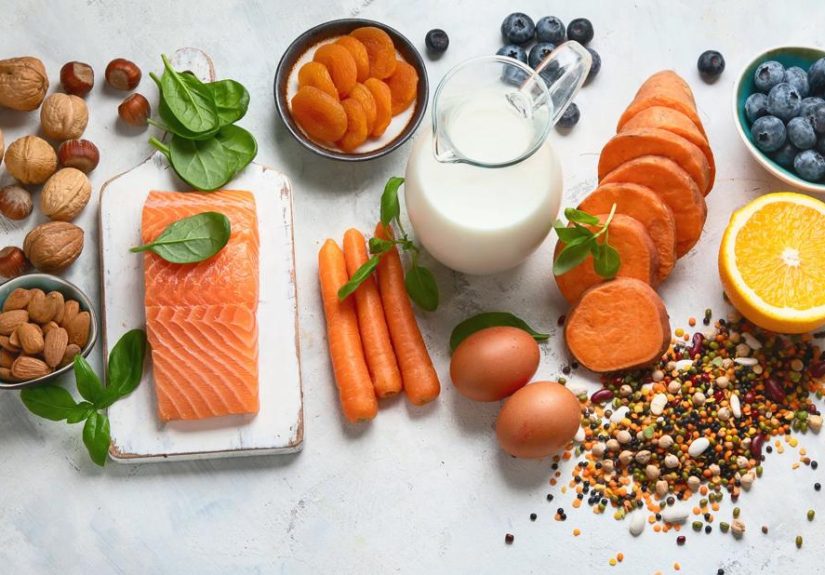
- Fatty fish (salmon, sardines)
- Egg yolks
- Fortified milk, yogurt, cereals, and some plant milks
- UV-exposed mushrooms (check labels)
Vitamin D is one nutrient where testing can be useful if you’re concerned, especially if you’re frequently sick,
always indoors, or have risk factors. If you supplement, avoid “internet hero doses” unless a clinician is guiding you.
More is not automatically better.
3) Zinc: the mineral your immune cells can’t wing it without
What zinc does
Zinc is involved in hundreds of enzymatic reactions and is crucial for immune cell development and communication. In plain English:
your immune system uses zinc to build and coordinate the team.
Food sources
- Oysters and other shellfish (zinc champions)
- Beef, chicken, and turkey
- Beans, lentils, nuts, seeds (plant sources are helpful, though absorption can be lower)
- Fortified cereals
Zinc and colds: what to know
Zinc lozenges started early in a cold may help shorten symptom duration for some people. The evidence isn’t perfect and depends on
formulation and timing, but it’s one of the more plausible “supplement strategies” for coldswhen used correctly.
Safety note: Regularly exceeding the tolerable upper limit can cause nausea and may contribute to copper deficiency over time.
Also, avoid zinc nasal spraysloss of smell has been reported with some products.
4) Selenium: small dose, big antioxidant job
Why selenium shows up in immune conversations
Selenium is part of “selenoproteins,” which support antioxidant defenses and normal immune function. The body needs it in tiny amounts,
and that’s the key: selenium is a classic “little is good, too much is not” nutrient.
Food sources
- Brazil nuts (very highthink “one or two,” not “the whole bag”)
- Seafood and fish
- Meat and poultry
- Eggs and dairy
- Whole grains (varies with soil selenium content)
If you eat a varied diet, you may already get enough selenium. Supplementing high doses “for immunity” is where people accidentally
wander into toxicity territory (selenium has a relatively low upper limit compared to many nutrients).
5) Vitamin A: the “mucous membrane” MVP
Immune role (beyond the hype)
Vitamin A supports immune function and helps maintain healthy skin and mucous membranesyour eyes, nose, throat, and gut linings.
Those surfaces are basically the front doors where germs try to enter. Vitamin A helps keep the door sturdy.
Best food sources
- Preformed vitamin A (retinol): liver, dairy, egg yolks
- Provitamin A carotenoids: sweet potatoes, carrots, pumpkin, spinach, kale
Important caution: High-dose vitamin A supplements (preformed retinol) can be harmful, especially during pregnancy.
Food sourcesparticularly colorful produceare a safer way to support vitamin A intake for most people.
6) Vitamin E: antioxidant bodyguard for immune cells
What it does
Vitamin E is a fat-soluble antioxidant that helps protect cell membranes from oxidative damage. Immune cells are active, fast-moving,
and metabolically busyantioxidants help keep that machinery running smoothly.
Food sources (delicious ones)
- Almonds, sunflower seeds
- Peanut butter (yes, your toast can be “immune-supportive,” you’re welcome)
- Avocado
- Vegetable oils (sunflower, safflower, wheat germ)
- Spinach and other greens
Vitamin E is another “don’t go mega-dose” nutrient. High-dose supplements can increase bleeding risk and interact with certain medications.
For many people, food sources are the sweet spot.
7) Vitamin B6: the behind-the-scenes immune helper
Why it matters
Vitamin B6 supports protein metabolism and is involved in immune function. Think of it as part of the “support staff” that helps your body
build the compounds and cells your immune response relies on.
Food sources
- Poultry and fish
- Chickpeas
- Potatoes
- Bananas
- Fortified cereals
Most people get enough B6 through diet, but intake can slip if your meals are repetitive or you rely heavily on ultra-processed foods.
Supplements can help if you’re not meeting needs, but extremely high supplemental doses over time can cause nerve problems.
Should you take an “immune support” supplement?
When supplements can make sense
- You have a limited diet (low in fruits/vegetables or low in protein variety)
- You rarely get sun exposure and might be low in vitamin D
- You’re an older adult with reduced absorption and intake
- You have a clinician-diagnosed deficiency
- You have a medical condition or medication that affects absorption (clinician guidance matters here)
How to choose safely (without turning your wallet into confetti)
- Prefer food-first whenever possible. Supplements are “insurance,” not the whole plan.
- Look for reasonable doses around ~100% Daily Value (DV), not 800% DV “because vibes.”
- Avoid stacking multiple products with overlapping nutrients (that’s how people accidentally overdo zinc or vitamin A).
- Be cautious with fat-soluble vitamins (A, D, E): they can accumulate in the body.
- Talk to a clinician if you’re pregnant, have chronic conditions, or take medications.
A quick word on “immune gummies”
Gummies can work, but read labels: some are low-dose (fine), some are sugar-heavy (less fine), and some are oddly high-dose
(also less fine). Treat them like supplements, not candy that accidentally learned marketing.
Immune system basics that matter as much as vitamins
If immune health were a movie, vitamins are important charactersbut they’re not the whole cast. These habits make a big difference:
- Sleep: chronic sleep loss can negatively affect immune function.
- Vaccines: a targeted way to train your immune system for specific threats.
- Nutrition pattern: variety (produce + protein + whole grains + healthy fats) beats “one magic nutrient.”
- Physical activity: regular movement supports overall health, including immune regulation.
- Stress management: chronic stress can disrupt immune balance.
- Hygiene: handwashing and smart choices when sick still matter.
FAQ: quick answers (because we’re all busy)
Can vitamin C prevent colds?
It’s not a guaranteed prevention tool. Regular intake may slightly reduce cold duration for some people, but it won’t make you invincible.
It’s still worth meeting your daily needs because vitamin C supports normal immune function and overall health.
Is high-dose vitamin D a good idea in winter?
Only if it’s appropriate for you. Some people are low and benefit from supplementation, but mega-dosing without guidance can be harmful.
If you’re worried, testing and clinician advice are smarter than guessing.
Should I take zinc every day “just in case”?
Not necessarily. Daily zinc is fine if you’re meeting (not exceeding) recommended amounts, but chronic high-dose zinc can cause problems.
Food sources are a great baseline; short-term zinc lozenges may be considered when a cold starts (with label guidance).
Real-World Experiences: What People Notice When They Focus on These 7 Nutrients
Let’s talk about what “immune support” looks like in real lifebecause most people aren’t reading nutrition labels for fun. They’re trying
to get through winter without collecting colds like they’re limited-edition trading cards.
Experience #1: The “I work indoors and see the sun on weekends” crowd.
Many people with desk jobs notice they feel run down more often during darker months. Sometimes the fix isn’t a fancy supplementit’s
realizing their diet has plenty of calories but not much vitamin D. In practice, they often tighten up the basics: more vitamin D–rich foods
(salmon, fortified dairy or plant milk), and a sensible supplement if they’re not meeting needs. Some people also ask their clinician about a
vitamin D blood test rather than guessing. The biggest “aha” moment tends to be that vitamin D is a slow-build nutrient; it’s not a
one-day turnaround like taking a decongestant.
Experience #2: The “I eat like an adult… on Tuesdays” pattern.
A common story: someone eats pretty well occasionally, but the rest of the week is convenience food plus coffee plus optimism. When they
intentionally add vitamin C foodsberries in oatmeal, bell peppers in a quick stir-fry, broccoli in pastathey often find it’s easier than
expected. The win isn’t just vitamin C; it’s the whole package of plant compounds and fiber that comes along for the ride. People often
report fewer “my throat feels scratchy again” momentsbut just as often, they notice something less dramatic and more important:
steadier energy and fewer digestive complaints. (The immune system loves when the gut isn’t in chaos.)
Experience #3: The “I’m healthy, but I get sick every time I travel” situation.
Travel is a perfect storm: less sleep, more stress, and exposure to more people. Some travelers keep zinc lozenges on hand and use them
at the first sign of symptoms. When used correctly, some people feel like they bounce back fasterothers notice no difference.
The shared lesson is usually this: short-term strategies can help, but the heavy lifters are still sleep and recovery time. The lozenges are
a backup singer, not the lead vocalist.
Experience #4: The “plant-based eater who’s doing it thoughtfully” (and the one who isn’t).
People eating plant-forward diets often do great with vitamin C and carotenoids (provitamin A), but may need to pay closer attention to zinc
and B6 depending on their food choices. The ones who feel best tend to include legumes, nuts, seeds, fortified foods, and a variety of whole
grainsplus they learn small tricks like soaking beans or choosing leavened breads, which can support mineral absorption. The ones who
struggle are usually not “failing at veganism”they’re just stuck in a loop of refined carbs and minimal variety. Once they diversify protein
sources (chickpeas, lentils, tofu, pumpkin seeds) and consider a standard multivitamin if needed, things often stabilize.
Experience #5: The “more is better” trap (and how people climb out of it).
Plenty of people have tried the ultra-high-dose approachmassive vitamin C powders, mega zinc, high-dose vitamin Aonly to end up with
stomach upset, headaches, or a supplement routine so complicated it needs its own spreadsheet. The more sustainable experience is usually
the opposite: choosing moderate doses, using food first, and focusing on consistency. People often say the biggest improvement wasn’t one
nutrientit was finally building an easy routine they could actually stick to: a balanced breakfast, a veggie added to lunch, a protein-rich
dinner, and sleep that doesn’t start at 2 a.m.
The takeaway from these real-world patterns is refreshingly unsexy: immune health is mostly built through steady, boring consistency.
The seven nutrients in this guide are powerful because they’re fundamental. When you meet your needs, your immune system has what it needs
to do its jobquietly, constantly, and without needing a flashy label.
Conclusion
The 7 best vitamins and minerals for your immune systemvitamin C, vitamin D, zinc, selenium, vitamin A, vitamin E, and vitamin B6
support immune defenses in different (and complementary) ways: strengthening barrier protection, guiding immune cell function, and helping manage
oxidative stress and inflammation.
If you want the simplest plan: eat a varied diet, prioritize sleep, and use supplements as targeted supportnot as a substitute for
fundamentals. Your immune system doesn’t need magic. It needs consistency, enough nutrients, and a little less chaos.