Table of Contents >> Show >> Hide
- What “Annin” means when you’re talking American flags
- How Annin makes flags today (and why that matters)
- What makes an Annin American flag different from a “random” flag?
- Choosing the right Annin flag fabric: nylon, polyester, or polycotton
- How to spot quality in an American flag (without becoming a textile detective)
- Flag etiquette: how to fly it with respect (and without stress)
- What does “FMAA Certified” mean (and should you care)?
- Which Annin American flag should you buy?
- How to care for your flag so it lasts
- Real-world experiences with “The Annin American Flag” (about )
Some people buy an American flag the way they buy a new phone charger: “Eh, it’s fine, it’ll work.” And then the first windy day shows up like a surprise pop quiz and your bargain flag starts fraying like it just heard there’s a midterm tomorrow.
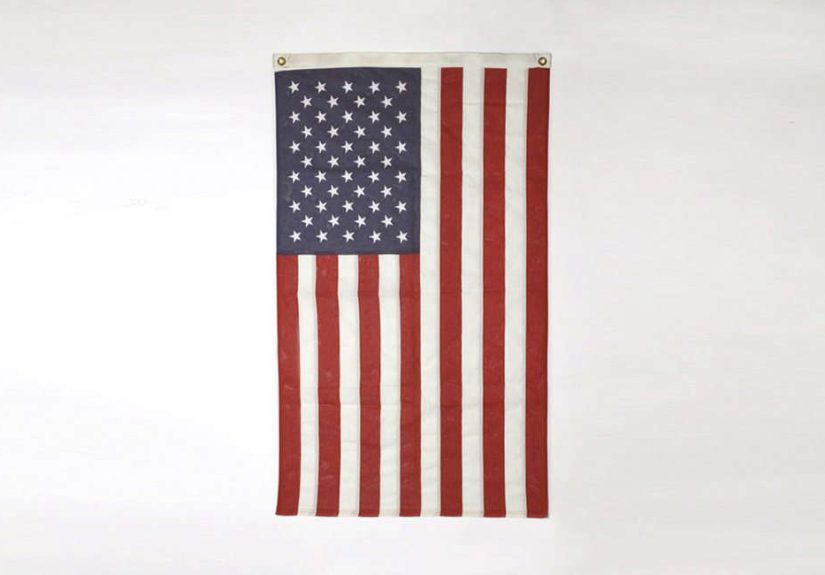
The Annin American flag is for the opposite kind of person: the one who wants a flag that looks right, flies right, and holds up when the weather decides to be dramatic. Annin Flagmakers has a long history in U.S. flag manufacturing, and today it’s known for durable fabrics, consistent construction, and made-in-America production that’s more than a vibeit’s the point.
What “Annin” means when you’re talking American flags
Annin Flagmakers has been making U.S. flags since 1847 and positions itself as the oldest and largest U.S. flag manufacturer. It’s also a multi-generation, family-operated business, which is rare in any industryespecially one that involves this much stitching, dye testing, and “please don’t let the wind shred my flag into modern art.”
A quick (but meaningful) slice of Annin history
Annin’s story overlaps with American history in a way that feels almost unfairly cinematic. On its own timeline, Annin points to flags connected to major public momentslike Abraham Lincoln’s inauguration, the Brooklyn Bridge opening ceremonies, polar expeditions, WWII-era symbolism, and the Apollo missions. Whether you’re a history buff or someone who just likes the idea of buying from a company that’s been doing this since before “customer support chat” was a thing, that legacy matters.
How Annin makes flags today (and why that matters)
A quality flag is a small engineering project pretending to be decor. It’s fabric, dye, thread, stress points, wind load, UV exposure, moisture, and frictionall day, every day. Annin’s modern manufacturing is spread across domestic facilities that specialize in different parts of the process, from printing and sewing to producing embroidered star fields.
Made in the USA, with real capacity behind it
Annin describes three domestic factories and a workforce of hundreds of American workers. It also shares some eye-opening production numbers: one facility produces millions of full-size American flags each year, and a dedicated plant outputs over a million embroidered star fields annually. That scale matters because it tends to bring consistencyif you’ve ever bought two “identical” flags from different batches and wondered why one looked like it had stage lighting and the other looked… tired, you know what I mean.
What makes an Annin American flag different from a “random” flag?
You can absolutely find cheaper flags. You can also find cheaper tires, cheaper helmets, and cheaper parachutes. Price isn’t the only variableconstruction is. When people talk about a “better” American flag, they usually mean some combination of:
- Sewn stripes (instead of printed stripes for flags meant to last outdoors)
- Embroidered or appliquéd stars (especially on higher-end outdoor flags)
- Reinforced fly end (the edge that takes the most abuse in the wind)
- Quality header and grommets (or rope and thimble for larger pole setups)
- Colorfast materials designed to resist UV fading
Annin’s product lines are built around those detailsespecially around fabric choicebecause the best -looking flag isn’t helpful if it taps out after a month.
Choosing the right Annin flag fabric: nylon, polyester, or polycotton
If you only remember one thing from this article, make it this: the “best” American flag fabric depends on how you fly it. Annin breaks outdoor flags into three fabric categoriesdurable polyester for high-wind and all-weather display, premium nylon for everyday flying, and polycotton for more occasional/seasonal use.
Tough-Tex (2-ply spun polyester): the high-wind workhorse
Annin’s Tough-Tex line is designed for institutional and commercial displaysthink bigger flags, taller poles, and locations where the wind never seems to take a day off. The key design idea is an open-weave, 2-ply spun polyester that lets air pass through to reduce stress. Translation: less ripping, less shredding, longer life. If you live in a windy area (coastal spots, open plains, hilltops, or that one neighborhood corner that’s basically a wind tunnel), polyester is often the smarter pick.
Nyl-Glo (nylon): the everyday “flies beautifully” option
Nylon is popular for a reason: it’s lightweight and tends to wave in lighter breezes, which looks great on a home flagpole or a wall-mounted bracket. Annin describes Nyl-Glo as an exclusive nylon treated to boost UV resistance, built to balance durability with that classic, lively movement people want from a flag. If your goal is “looks crisp most days and holds up year-round,” nylon is the usual sweet spot.
Polycotton: traditional look for seasonal flying
Polycotton flags are often chosen for a more traditional appearance and a slightly stiffer hand. Annin positions polycotton for seasonal displayweekends, holidays, special occasionsrather than constant exposure. In other words: it’s the “dress flag” you bring out when you want that classic feel, not the one you ask to survive a week of sideways rain and 30 mph gusts.
How to spot quality in an American flag (without becoming a textile detective)
You don’t need a microscope. You just need to know where flags fail firstand check those spots.
1) The fly end (where the wind tries to win)
The fly end is the trailing edge that whips in the wind. On better flags, you’ll see multiple rows of reinforced stitching (often lock-stitching) to resist fraying and tearing. This one detail can be the difference between “lasts a season” and “lasts long enough to forget when you bought it.”
2) The header + grommets (or rope and thimble)
The header is the strong band along the hoist side (the side attached to the pole). Outdoors, this is the stress-transfer zone. Quality grommets should be sturdy and corrosion-resistant, and the header should feel built, not flimsy. On larger flags, rope and thimble setups are common for serious pole hardware.
3) Stars and stripes: sewn vs printed
Printed flags can be fine for temporary use, but for long-term outdoor display, sewn stripes and embroidered or appliquéd stars are often part of the “this is a real flag” checklist. Annin’s lines vary by fabric and purpose, so you’ll see different star treatments depending on what the flag is designed to do.
Flag etiquette: how to fly it with respect (and without stress)
Let’s keep this practical. The U.S. Flag Code uses “should” languageit’s guidance and tradition more than a day-to-day enforcement thing for ordinary citizens. But it’s still useful because it answers the common questions people actually have when they want to do things the right way.
Time of day and illumination
The Flag Code describes the traditional practice of displaying the flag from sunrise to sunset, and says it may be displayed 24 hours a day if properly illuminated during darkness. So if you fly your flag at night, give it a dedicated light so it’s clearly visiblenot a vague porch glow that makes it look like the flag is hiding in a shadowy witness protection program.
Weather (aka: know what “all-weather” means)
The Flag Code also says the flag should not be displayed in inclement weather unless an all-weather flag is displayed. This is where fabric choice comes back around: if you’re the “it stays up through rain and wind” type, you want materials designed for that joboften nylon or polyester.
“Did my flag touch the ground? Is it ruined?”
The respectful goal is to keep the flag from touching anything beneath it, including the ground. But if it happens, it’s not a magic curse. The practical point is avoiding damage and soiling. If the flag is still suitable for display (and can be cleaned as needed), you can continue to fly it.
Half-staff basics
When flown at half-staff, the Flag Code describes raising the flag to the peak first, then lowering it to half-staff, and raising it again to the peak before lowering it for the day. Memorial Day is a special case: traditionally half-staff until noon, then raised to the top.
Retiring a worn flag
When a flag is no longer a fitting emblem for display, the Flag Code suggests it should be destroyed in a dignified way, preferably by burning. In real life, many people choose community retirement ceremonies through local veterans’ organizations or civic groupsbecause it’s respectful, it’s simpler, and nobody has to guess what “safe burning” means for synthetic fabrics.
What does “FMAA Certified” mean (and should you care)?
If you’re shopping for a Made in USA American flag, you’ll see a lot of labels that sound similar but don’t always mean the same thing. One of the clearest standards in the flag world comes from the Flag Manufacturers Association of America (FMAA) certification program.
The FMAA program requirements describe certification for flags produced entirely in the United States, with key stepsfabric production, dyeing/printing/bleaching, cutting, assembly, sewing, finishing, and packaging all taking place in U.S. facilities. Certified flags must also carry the official certification seal. If you want a strong, independent-ish “this is really made here” signal, that certification is useful.
Which Annin American flag should you buy?
Here’s a simple decision map that doesn’t require a spreadsheet (unless you enjoy spreadsheets, in which case, I respect your lifestyle).
If you live in a windy area or fly a larger flag
Choose a heavy-duty polyester option like Tough-Tex. The open-weave design is built to handle wind stress for long-term daily display.
If you want an everyday flag that looks great in lighter breezes
Choose a premium nylon option like Nyl-Glo. Nylon’s lighter weight tends to give you that classic wave and a crisp look for home displays.
If you fly the flag mainly on holidays or weekends
Consider polycotton for a traditional appearance and cost-effective seasonal use.
If you’re unsure, pick based on your setup
Wall-mounted house poles often do best with lighter fabrics (nylon is frequently recommended in those setups), while tall in-ground poles in open areas tend to favor tougher materials. Match the flag to the conditions, and you’ll replace it less oftenand feel better about what you’re flying.
How to care for your flag so it lasts
- Use the right hardware: Clips, halyards, and grommets should fit correctly to reduce wear.
- Prevent constant abrasion: If it rubs against a pole or bracket nonstop, it will fray faster.
- Bring it in for extreme storms: Even “all-weather” doesn’t mean “invincible.”
- Clean gently when needed: If the flag is soiled but still structurally sound, careful cleaning can extend its life.
- Retire respectfully: When it’s no longer suitable for display, use a dignified retirement option.
Real-world experiences with “The Annin American Flag” (about )
If you ask people why they care about an American flag brand in the first place, you’ll hear a pattern: the flag isn’t just a decoration, it’s a ritual. It goes up on a quiet morning before a holiday barbecue. It gets straightened after a windy night. It becomes part of the front-porch “welcome” that neighbors notice even if nobody says it out loud.
One of the most common experiences people describe with a higher-quality flagespecially a well-made nylon or polyester flagis the difference in how it flies. A lightweight nylon flag tends to catch small breezes, so even calm days don’t look like your flag gave up and took a nap. People who mount a flag on a house bracket often care about that. You can walk outside with coffee, see the stars and stripes moving naturally, and it just feels… right. Not loud. Not flashy. Just respectful and alive.
Then there’s the “wind reality check.” In gusty areas, the experience flips: movement is guaranteed, so what matters is survival. This is where tough polyester earns its reputation. Folks who live in open terrain or near water often talk about how quickly cheaper flags fray at the fly endfirst a little fringe, then longer threads, then the slow unravel into what looks like a patriotic sea creature. A heavier-duty, open-weave polyester flag is the kind that tends to hold its shape longer, resist shredding, and avoid that sad “tattered too soon” look. It’s not that the flag never wears outit’s that it wears out like it actually did the job you asked it to do.
Another real-life moment: the first time you notice stitching. People don’t usually buy a flag thinking, “I can’t wait to admire the lock-stitching.” And yet, after you’ve replaced a couple of flags, you start checking the fly end and the header the way someone checks seams on hiking boots. When the stitching is dense, straight, and reinforced, you feel more confident leaving it up through normal weather instead of treating every cloudy forecast like an emergency.
Finally, there’s the ceremonial sidememorial displays, parades, school events, community gatherings. In those settings, the flag is a focal point. People tend to appreciate a flag that presents well: bold colors, a star field that looks crisp, and stripes that don’t look thin or washed-out. The “experience” isn’t just visual. It’s emotional, toobecause a flag in good condition signals care. It tells everyone watching, “We’re doing this on purpose.”
Put all of that together and you can see why Annin shows up in conversations about dependable American flags. The day-to-day experience isn’t about hype. It’s about buying a flag that feels like it was made to be flown, not just sold.