Table of Contents >> Show >> Hide
If you grew up believing chocolate factories hide secrets, books might fall on bullies, and friendly giants drink fizzy drinks that make them float, you probably have Roald Dahl to thank. His stories have sold hundreds of millions of copies worldwide and been translated into dozens of languages, turning him into one of the most beloved – and occasionally controversial – children’s authors of all time.
But with so many Roald Dahl books on the shelf, where do you start? Whether you’re introducing a new reader to his world or revisiting your own childhood favorites, this guide breaks down the best Roald Dahl books, what makes each one special, and which age groups they typically suit best. Consider it your golden ticket to Dahl’s most splendiferous stories.
Why Roald Dahl Still Captivates Readers
Dahl’s books are a wild mix of dark humor, genuine kindness, and gleeful chaos. Children love them because kids in his stories are usually the heroes, while the grown-ups are often ridiculous, cruel, or downright monstrous. Adults appreciate the sharp satire hiding under all the silliness. His writing is packed with memorable villains, absurd words, and moral lessons that never feel like lectures – more like practical jokes that happen to teach you something along the way.
From Charlie and the Chocolate Factory to Matilda, his stories model resilience, curiosity, and bravery. Many educators and librarians still recommend his books as “gateway reads” for kids who think they don’t like reading, because the plots move quickly, the chapters are short, and the payoffs – chocolate rivers, shrinking grandparents, talking foxes – are huge.
How We Chose the Best Roald Dahl Books
This list draws on a mix of library staff picks, teacher recommendations, bestseller lists, and reader rankings to highlight the Roald Dahl books that consistently appear as favorites across generations. Popularity, impact on children’s literature, and how well each book holds up for modern readers all played a role. We’ve focused mainly on children’s fiction, with a couple of essential autobiographical works added for older readers who want to know the person behind the stories.
The Best Roald Dahl Books (Ranked)
1. Matilda
Best for: Ages 8–12, and any adult who has ever silently judged a smug grown-up.
Matilda Wormwood is a brilliant, book-obsessed girl stuck with parents who would rather watch TV than read anything longer than a car ad. At school, she faces the terrifying headmistress Miss Trunchbull, whose hobbies include hammer-throwing and child-launching. With a kind teacher on her side and a mysterious power she doesn’t fully understand, Matilda proves that cleverness and kindness can be more powerful than brute force.
Readers love Matilda for its celebration of smart, quiet kids and its unapologetically nasty villains. It’s also one of Dahl’s most emotionally satisfying endings, which is why it’s often ranked among his very best work.
2. Charlie and the Chocolate Factory
Best for: Ages 7–11, plus anyone who would absolutely fail a self-control test in a candy store.
Charlie Bucket, a boy living in deep poverty with his family, wins a once-in-a-lifetime chance to tour Willy Wonka’s mysterious chocolate factory. Inside, he meets chocolate rivers, squirrel-run nut rooms, and several badly behaved children who discover that ignoring basic rules of decency has consequences – often sticky ones.
This book is a dream for imaginative readers: every chapter shows off a new food, gadget, or room that feels like a wish list come alive. It’s also packed with sly commentary about greed and entitlement. If kids love it, there’s a sequel, but this first visit to the factory is the one that sticks in people’s memories.
3. The BFG
Best for: Ages 7–11, especially kids who love made-up words and gentle giants.
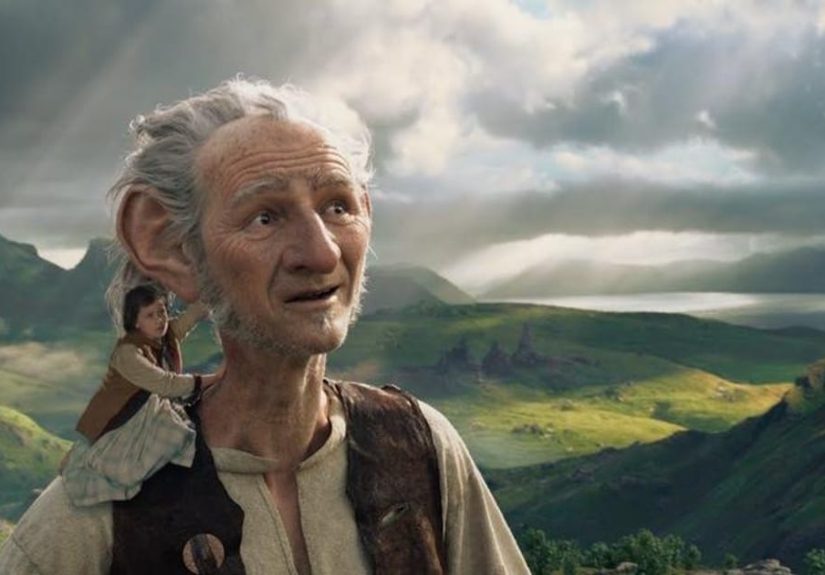
One night, Sophie is snatched out of her bed by a huge figure – but it turns out he’s the Big Friendly Giant, or BFG, who blows good dreams into children’s bedrooms. Together, Sophie and the BFG decide to stop the other giants, who are far less friendly and much more snack-oriented.
The BFG is one of Dahl’s warmest books. The friendship between Sophie and the BFG is tender and funny, and his gloriously mangled language – “frobscottle,” “snozzcumbers,” “whizzpoppers” – makes this a read-aloud favorite. It’s a perfect bridge between shorter early chapter books and longer middle-grade novels.
4. James and the Giant Peach
Best for: Ages 7–10, and dreamers who have looked at fruit and thought, “transportation.”
After losing his parents, James is forced to live with his two cruel aunts. His life changes when a magical peach grows to enormous size in the garden. Inside, he meets a collection of oversized insect friends and embarks on a surreal journey that involves ocean travel, cloud-dwelling creatures, and a very unconventional arrival in the big city.
This is one of Dahl’s strangest and most inventive books, blending grief, escape fantasy, and found family. The short chapters and episodic structure make it especially good for bedtime reading – one wild adventure per night.
5. The Witches
Best for: Ages 8–12 who don’t mind being deliciously creeped out.
In Dahl’s universe, witches don’t ride broomsticks or wear pointy hats. They look like ordinary women – which is the problem. A boy and his Norwegian grandmother discover a conference of witches plotting to wipe out children using a diabolical plan involving candy and potions.
The Witches is darker than many of Dahl’s other books, with high stakes and a bittersweet ending. It’s excellent for kids who like spooky stories with clever protagonists and don’t need everything tied up in a perfectly neat bow.
6. Fantastic Mr Fox
Best for: Ages 6–9 and animal lovers with a rebellious streak.
Mr. Fox has a simple life goal: steal food from three wealthy, vile farmers to feed his family. The farmers – Boggis, Bunce, and Bean – are so furious that they decide to hunt him down, leading to an underground battle of wits.
This shorter book is brilliant for readers who are just transitioning into chapter books. It’s tightly plotted, fast-paced, and gloriously cheeky, with a hero who’s cunning rather than polite. It also raises interesting questions about loyalty, community, and what “stealing” means when one side has everything and the other is starving.
7. Danny the Champion of the World
Best for: Ages 9–12, especially kids who like heartfelt family stories.
Danny lives with his father in a gypsy caravan behind their small filling station. Their close bond is shaken when Danny discovers his father has a secret hobby: poaching pheasants from the estate of a cruel local landowner. Together they plan an ambitious, morally wobbly, but oddly satisfying act of revenge.
Readers who grew up with Dahl often cite this as the book that made them cry in a good way. It’s less zany than some of his other stories, focusing more on a father–son relationship, but it still carries that mischievous Dahl spark.
8. George’s Marvelous Medicine
Best for: Ages 7–10 who adore silly gross-out humor.
George is stuck with a truly unpleasant grandmother who specializes in insults. He decides to improve her medicine by mixing everything he can find in the house into one explosive concoction. The results are… dramatic, to say the least.
This is pure chaotic energy in book form. Adults may need to firmly remind kids not to replicate George’s “science experiments” at home, but the exaggerated consequences and slapstick comedy keep readers laughing from start to finish.
9. The Twits
Best for: Ages 7–10 and anyone who can’t resist a good prank war.
Mr. and Mrs. Twit are two of the most disgusting, mean-spirited characters in the Dahl universe. They torment each other, their pet monkeys, and pretty much anything that crosses their path. Eventually, their cruelty catches up with them in spectacular fashion.
The Twits is built out of pranks, reversals, and gleeful revenge. Beneath the slime and beard food, it makes a simple but powerful point: when you think ugly thoughts and treat others badly, it shows on the outside.
10. Esio Trot
Best for: Ages 6–9 and readers who like gentle, quirky stories.
Shy Mr. Hoppy is in love with his downstairs neighbor, Mrs. Silver, who is devoted to her pet tortoise, Alfie. In an attempt to win her heart, Mr. Hoppy hatches an elaborate plan involving made-up magic words and a very large number of tortoises.
Short, sweet, and illustrated with plenty of charm, Esio Trot is ideal for younger readers who want something comforting and funny rather than intense or scary. It also doubles as a vocabulary puzzle: kids love decoding the title’s backward wordplay.
11. Boy: Tales of Childhood
Best for: Ages 10+ and adults who want to know where all the wild ideas came from.
In this autobiographical book, Dahl recounts episodes from his own childhood: strict boarding schools, dangerous pranks, and run-ins with authoritarian adults. Many details – corporal punishment, cruel headmasters, and, yes, a very memorable sweet shop – clearly echo situations that later appeared in his fiction.
Boy gives older readers a fascinating glimpse into the real experiences that shaped Dahl’s storytelling voice. It’s also a useful companion for teens studying his books at school who want context without digging through dense biographies.
12. Going Solo
Best for: Ages 12+ and fans of adventure memoirs.
This follow-up to Boy covers Dahl’s early adulthood, including his time working in Africa and serving as a fighter pilot in World War II. There are dangerous flights, narrow escapes, and richly described landscapes that read like fiction – except these stories really happened.
While not as widely read as his children’s novels, Going Solo shows how Dahl’s real life was at least as dramatic as his imagination. It’s also a reminder that the man behind the playful prose lived through some of the defining events of the 20th century.
Tips for Picking the Right Roald Dahl Book
Match the age and scare level. Younger readers (around ages 6–8) often do best with shorter, less frightening titles like Fantastic Mr Fox, Esio Trot, or The Twits. Middle-grade readers are usually ready for the darker tones of Matilda, The Witches, and Danny the Champion of the World.
Think about their interests. Got a kid obsessed with animals? Start with Fantastic Mr Fox or The BFG. A budding bookworm who already loves reading? Matilda will feel like a love letter. A daydreamer who wishes life were more magical and weird? Hand them James and the Giant Peach or Charlie and the Chocolate Factory.
Use the audiobooks and adaptations. Movie versions, stage musicals, and audiobooks read by energetic narrators can be a great hook. Many kids who struggle with reading confidence will happily listen to The BFG or Charlie and then pick up the print version afterward.
Reading Roald Dahl Today: What Parents Should Know
Modern readers sometimes notice language or attitudes in Dahl’s books that feel dated or harsh. Some characters are mocked for their weight, appearance, or other traits in ways that don’t align with how we encourage kids to talk today. In recent years, publishers have even released edited editions smoothing out some of the more offensive language, sparking big debates about censorship, context, and how to handle classic children’s books in a changing world.
So what should you do? Many families choose to read the original texts while adding their own commentary. If a line feels mean-spirited or outdated, that can become a quick teachable moment: “We don’t talk about people like that now, and here’s why.” Dahl’s stories are powerful partly because they don’t shy away from cruelty – but that also means they benefit from a caring adult nearby to help kids process what they’re reading.
Ultimately, Dahl’s books still resonate because they validate children’s feelings about unfair adults, celebrate imagination, and insist that small people can do big things. With thoughtful guidance, they can still be as magical for today’s kids as they were for their parents and grandparents.
Experiences with the Best Roald Dahl Books
Ask a room full of adults about Roald Dahl and you’ll instantly hear story after story, not just about the plots, but about where they were and who they were with when they first read his books. That’s part of Dahl’s secret: his stories don’t just live on the page; they become part of family history.
Picture a parent reading Charlie and the Chocolate Factory aloud on a weeknight. The kids are supposed to be winding down, but calm goes out the window the moment Willy Wonka appears. Every description of the factory – the chocolate river, the inventing room, the glass elevator – triggers a chorus of “Wait, is that real?” and wild speculation about what their own dream candy would be. Years later, those kids may forget the exact order of the rooms, but they’ll remember the warmth of everyone stacked on the couch, laughing at the Oompa-Loompa songs.
Teachers often share that Matilda is a game-changer in the classroom. There’s always at least one quiet, super-observant student who sits up a little taller the moment Matilda starts outsmarting the adults who underestimate her. Even kids who don’t love reading yet tend to latch on to Miss Trunchbull as the villain they love to hate. Reading that book together can spark conversations about bullying, fairness, and how adults should use their power – topics that suddenly feel much safer when they involve a fictional headmistress throwing children by their pigtails.
Librarians talk about The BFG and James and the Giant Peach as “gateway” titles. A child who insists they “don’t like reading” sometimes just hasn’t met the right book. Then they discover a giant who drinks fizzy soda that makes him fly or a peach that becomes a transatlantic vehicle, and something clicks. The child who never checked out a book before is suddenly back at the desk asking, “Do you have more like this?” That moment – when a kid realizes books can be fun instead of work – is one of the reasons Dahl remains a staple in school and public libraries.
For older readers, the autobiographical books Boy and Going Solo often land during the middle school or early high school years. Teens who grew up with Dahl’s fiction are surprised to discover just how tough his own childhood was – strict schools, harsh discipline, dangerous wartime experiences. It can be reassuring to see that someone whose stories feel so joyful also lived through difficult times. Those books show that you can take painful or frightening experiences and turn them into something creative, even funny, without pretending the hard parts weren’t real.
Families also build their own traditions around Dahl. Some do an annual “Roald Dahl night,” picking one book to read aloud every year. Others use the movies as a launchpad: watch an adaptation on Friday, then start the book on Saturday to compare the differences. Kids usually enjoy pointing out what the filmmakers “got wrong,” which actually helps build critical thinking skills. They start to understand that stories can be told in many ways, and that they’re allowed to have opinions about how a story should feel.
What makes these experiences so enduring isn’t just the plots – clever as they are. It’s the emotional imprint: the first time you root for the underdog who finally wins, the first villain who genuinely scares you (but in a safe way), the first book that makes you laugh out loud in public. Dahl specializes in those “firsts.” His books become emotional landmarks, and that’s why adults are still pressing tattered copies into kids’ hands decades later, saying, “You have to read this one. Trust me.”
In the end, the “best” Roald Dahl book is often simply the one that arrives at the right time – the book that meets a reader exactly where they are and gently nudges their imagination a little further. This list is a guide, not a rulebook. Start with the title that fits your reader’s age and mood, and don’t be afraid to wander. Somewhere in this strange, scrumdiddlyumptious collection, there’s a story that will feel like it was written just for them.