Table of Contents >> Show >> Hide
- What Is a Self-Cleaning Litter Box, Really?
- Why Cat Parents Love Self-Cleaning Litter Boxes
- Key Features to Look For in the Best Self-Cleaning Litter Boxes
- Popular Styles of Self-Cleaning Litter Boxes
- Are Self-Cleaning Litter Boxes Worth It?
- Tips for Introducing Your Cat to a Self-Cleaning Litter Box
- Real-World Experiences With the Best Self-Cleaning Litter Boxes
- Conclusion: Finding the Right Self-Cleaning Litter Box for Your Home
If you’ve ever scooped a litter box while your cat stared at you like a mildly disappointed roommate, you’ve probably wondered: “Isn’t there a machine for this?” Good newsthere is. Modern self-cleaning litter boxes promise less scooping, fewer odors, and more time for actually hanging out with your cat instead of their bathroom.
In this guide, we’ll walk through how self-cleaning litter boxes work, what to look for, and the pros and cons of the most popular styles. We’ll also talk about real-world experiences from cat parents who’ve lived with these gadgets long enough to know their quirks.
What Is a Self-Cleaning Litter Box, Really?
A self-cleaning litter box is basically an automated scoop system. Instead of you digging through clumps with a scoop, the box uses sensors and a motorized mechanism to separate waste from clean litter and move it into a sealed waste compartment.
Common Types of Self-Cleaning Mechanisms
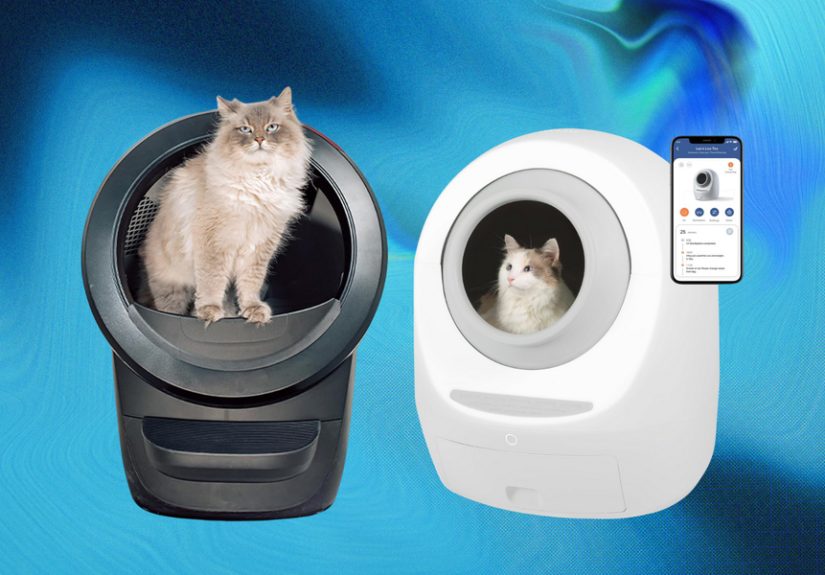
- Rotating drum or globe boxes: The entire litter chamber rotates, sifting clean litter through a screen and dropping clumps into a waste drawer. These are often the premium, smart-home-friendly models with apps and detailed usage stats.
- Rake-style boxes: A rake moves through the litter bed after your cat exits, pushing clumps into a covered compartment. These are usually more compact and simpler in design.
- Conveyor or tilt systems: The tray slowly advances or tilts to move waste into a bin. These are less common but can be easier to clean manually.
- Washable, plumbed systems: A few boxes connect to water and drainage, automatically rinsing a washable granule or plastic “litter” and flushing away waste. Super convenient when it works, but more complex to install and maintain.
The big idea is the same across all of them: your cat uses the box, sensors detect the visit, the box waits a few minutes to let clumps form, and then it quietly tidies up like a tiny robot janitor.
Why Cat Parents Love Self-Cleaning Litter Boxes
Automatic boxes aren’t just about avoiding gross tasks (though that’s a strong perk). They can also improve life for both you and your cat when they’re used correctly.
Less Scooping, More Living
The most obvious benefit is time. Instead of scooping once or twice a day, you might only need to empty a waste drawer every few days or even once a week, depending on the box design and how many cats you have. That’s especially helpful if you:
- Work long hours or travel for short trips.
- Have mobility or back issues that make bending and lifting difficult.
- Share cat-care duties and want an easy, predictable system for everyone.
Better Odor Control (When Set Up Correctly)
Many of the best self-cleaning litter boxes pair their cleaning mechanisms with closed waste drawers, carbon filters, or special low-tracking crystal or clumping litter. When you keep up with emptying the waste compartment, you’re often rewarded with a much fresher-smelling home than you’d get from a neglected traditional box.
Health Tracking and Smart Features
Some high-end boxes now include weight sensors and usage tracking through a companion app. That means you can spot changes in how often your cat uses the box or subtle shifts in their weightoften early red flags for issues like urinary problems, kidney disease, or diabetes. While a litter box app is not a replacement for a veterinarian, it can be a surprisingly useful data point in your cat’s health story.
Key Features to Look For in the Best Self-Cleaning Litter Boxes
With so many options, it’s easy to get dazzled by glowing domes and smartphone charts. Focus on these practical features first to find a model that actually works for your life and your cat’s personality.
1. Safety and Sensor Design
Safety is non-negotiable. Quality self-cleaning litter boxes use multiple sensorslike weight sensors, infrared beams, or motion detectorsto detect when your cat is inside or nearby. The cleaning cycle pauses automatically if your cat re-enters or if the box thinks something is in the way.
When comparing boxes, look for:
- Automatic shutoff if a jam or obstruction is detected.
- Clear status lights or app alerts for errors.
- A manual “clean” button so you stay in control if needed.
2. Odor Control and Waste Management
Odor control depends on three things: how well the box seals the waste, how often it cleans, and the type of litter or granules it uses. Drum-style boxes often have tightly sealed drawers with carbon filters. Rake-style boxes may use disposable trays with crystal litter designed to absorb moisture and smell.
If you live in a smaller home or apartment, prioritize:
- A fully enclosed or well-covered waste drawer.
- Filters that are easy and affordable to replace.
- A cleaning cycle delay you can adjust to prevent “wet” scooping.
3. Size, Space, and Cat Comfort
Here’s where promo photos can be misleading. Many self-cleaning litter boxes are bigespecially globe-style models. Before you fall in love with a gadget, grab a tape measure and check:
- The full footprint, including the area needed for your cat to step in.
- The height and opening size, especially for large breeds or older cats.
- Whether you can place it near an outlet and away from very noisy or high-traffic spots.
Cats generally prefer spacious, open-feeling bathrooms, even if the box has a partial hood. If your cat already dislikes covered boxes, look for designs with wide openings and plenty of headroom.
4. Litter Type and Ongoing Costs
Some automatic boxes require proprietary trays, special granules, or branded litter to function properly. Others work with regular clumping clay litter. The upfront price is only part of the equationongoing costs can easily add up.
When you’re comparing models, ask yourself:
- Do I have to buy a specific litter, or can I use my favorite brand?
- How often do I need to replace trays, liners, or filters?
- What’s the approximate monthly cost for supplies per cat?
Sometimes a slightly more expensive box that uses standard, budget-friendly litter is cheaper to live with in the long run than a “cheaper” unit that relies on pricey refill packs.
5. Cleaning, Maintenance, and Reliability
“Self-cleaning” doesn’t mean “never-cleaning.” You’ll still need to:
- Empty the waste drawer or bin regularly.
- Wipe down sensors, internal surfaces, and guards.
- Check moving parts for litter buildup and hair.
Look for models with:
- Removable panels or pieces for easier deep-cleaning.
- Solid warranties and responsive customer support.
- User-replaceable parts like filters, liners, and sometimes even motors.
Popular Styles of Self-Cleaning Litter Boxes
Instead of focusing on specific brands, it’s helpful to think in categories. Here are the most common styles you’ll run intoand the type of cat parent they’re usually best for.
High-Tech Drum or Globe-Style Boxes
These are the flagship models of the self-cleaning world. They often feature:
- Automatic rotating drums that sift clumps into a drawer.
- App connectivity for usage tracking and alerts.
- Multi-cat support and strong odor control with filters and sealed bins.
Best for: Multi-cat households, tech-loving pet parents, and anyone who wants to scoop as little as possible and doesn’t mind a large, spaceship-like gadget in the hallway.
Potential downsides: High price tags, bigger footprints, and a learning curve for both humans and cats. If your cat is easily spooked or very picky about litter box changes, you may need to transition slowly.
Rake-Style Automatic Boxes
Rake-style boxes look more like a “normal” litter pan with a robot hiding inside. After each use, a rake drags clumps into a waste compartment at one end.
Best for: Smaller spaces, cat parents who want automation but prefer a simpler, more traditional shape, and cats that don’t like enclosed globes.
Potential downsides: Rakes can sometimes get clogged or miss softer clumps. You may need to do occasional manual touch-ups, especially if your cat has loose stools or prefers one corner of the box.
Crystal-Litter Tray Systems
Some self-cleaning boxes use disposable trays pre-filled with silica crystal litter. The rake pushes solid waste into a covered compartment, while urine is absorbed by the crystals.
Best for: Cat parents who want low-dust, low-tracking litter and don’t mind replacing entire trays periodically. These can be especially convenient in apartments as long as you budget for the refills.
Potential downsides: Ongoing tray costs, and some cats dislike the texture of crystal litter under their paws. If your cat is one of them, no amount of technology will convince them otherwise.
Washable and Plumbed Systems
A handful of boxes use washable granules or plastic media instead of traditional litter. The system rinses, sanitizes, and drains waste through plumbing.
Best for: Dedicated laundry or utility rooms where plumbing access is convenient, and cat parents who want the closest thing to a fully automated bathroom.
Potential downsides: Higher complexity, more points of failure, and a bigger commitment to installation. If something goes wrong, it’s less of a “wipe it down” fix and more of a “call support and maybe a plumber” situation.
Are Self-Cleaning Litter Boxes Worth It?
Whether a self-cleaning litter box is “worth it” depends on your budget, your cat, and your tolerance for daily scooping. Here’s a quick way to think it through:
- They’re usually worth it if you have multiple cats, a demanding schedule, or chronic back, knee, or mobility issues, and your cats adapt well to new gadgets.
- They might not be worth it if your cat hates change, you have very limited space, or you’re on a tight budget and don’t mind manual scooping.
Remember: even the best self-cleaning litter box needs regular attention. Think of it as a helpful assistant, not a fully autonomous bathroom butler.
Tips for Introducing Your Cat to a Self-Cleaning Litter Box
Cats can be suspicious of anything that moves, hums, or looks like it might secretly be a vacuum. A slow, cat-centered introduction makes success much more likely.
- Place the new box next to the old one. Let your cat investigate at their own pace. Keep the new box turned off at first so it feels like a normal litter box.
- Use familiar litter if possible. If your automatic box allows standard clumping litter, start with the brand your cat already likes.
- Gradually enable the cleaning cycle. Once your cat is using the new box, turn on the self-cleaning function but extend the delay time so it doesn’t start whirring the second they leave.
- Don’t remove the old box immediately. Keep it around until your cat is consistently using the new one, then slowly phase it out.
- Watch for stress signs. Inappropriate elimination, excessive hiding, or sudden changes in behavior can mean your cat is not okay with the new setup. If needed, pause the transition and consult your vet or a feline behaviorist.
Real-World Experiences With the Best Self-Cleaning Litter Boxes
Let’s talk about what it actually feels like to live with one of these gadgets day after day. Think of this as the “friend who has already tried it” section.
One of the most common stories from cat parents goes like this: the box arrives in a huge package, your cat immediately claims the cardboard box as their new home, and you spend an evening assembling a device that looks suspiciously like a tiny washing machine for sand. Once it’s set up, though, many people report a pretty dramatic changelitter box odor fades, scooping stops, and the main daily task becomes glancing at a waste level indicator and hitting a button every few days.
People who love high-tech drum-style boxes often rave about how they can go several days without touching the litter box at all. For multi-cat homes, the convenience is especially noticeable. Instead of managing two or three standard boxes, one well-designed automatic box can sometimes handle the traffic of up to four cats, as long as you stay on top of emptying the drawer and refilling litter. Families with kids also appreciate that “the robot” can take over one of the less-popular chores on the list.
On the flip side, there are some common gripes. Large globe-style boxes can dominate a hallway or laundry room, and not every cat is thrilled about stepping into a big plastic pod that occasionally moves. Some cats adjust in a week; others take a month or more of slow introduction and positive reinforcementthink treats after use, gentle encouragement, and zero pressure. A few never fully buy in and insist on keeping a traditional box available.
Rake-style boxes tend to generate more mixed reviews. When everything is working well, owners say they enjoy the balance of simplicity and automation: a familiar-looking box with less scooping and fewer odors. But if your cat likes to dig to the very bottom, or has softer stools, the rake can sometimes smear instead of scoop, leading to occasional manual cleanups and a reminder that “self-cleaning” doesn’t mean “hands-off forever.”
Another thing cat parents quickly learn is that you still need a cleaning routine. Self-cleaning or not, the interior surfaces, sensors, and guards will collect dust, litter, and hair over time. Most people settle into a rhythm: empty the waste drawer every few days, wipe surfaces weekly, and do a deeper clean once a month or so. Once that habit forms, the box feels less like a high-maintenance gadget and more like a normal appliancejust one that happens to deal with poop instead of toast.
Smart features can be surprisingly useful. Owners of app-connected boxes often say they didn’t think they’d care about usage charts, until they noticed a sudden spike or drop in visits and realized their cat might be having a problem. For example, a cat who usually pees four times a day suddenly visiting ten times in small amounts can be a red flag for a urinary issue. Catching that early and calling the vet can mean faster treatment and less discomfort for your cat. In that sense, some people view their self-cleaning litter box as part convenience, part early-warning system.
Budget-wise, people tend to fall into two camps. Some say they wish they’d bought one sooner, especially if they have multiple cats or physical difficulties that make scooping painful. They see the upfront cost as an investment in comfort, time, and their cat’s health. Others feel the ongoing supplies or occasional sensor issues make the value less clear, especially if they only have one easygoing cat and don’t mind daily scooping. If you’re on the fence, it can help to calculate your approximate monthly cost (including litter, filters, and trays where applicable) and compare it to your time savings and comfort.
Ultimately, the best self-cleaning litter box is the one that fits your cat’s preferences and your household’s reality. That might mean a feature-packed, app-connected drum or a more modest rake-style unit that quietly gets the job done. Either way, when everything is dialed in, you’ll know you chose well the first time you realize you haven’t thought about scooping in daysand your home still smells fresh.
Conclusion: Finding the Right Self-Cleaning Litter Box for Your Home
Self-cleaning litter boxes have come a long way from clunky, noisy contraptions. Today’s best models offer thoughtful safety features, solid odor control, smart tracking, and designs that (mostly) respect your cat’s need for a clean, comfortable bathroom. The key is matching the box to your cat’s personality, your space, and your budget.
Whether you choose a high-tech drum, a compact rake-style unit, or a crystal-litter tray system, remember: introduce it slowly, keep up with basic maintenance, and pay attention to how your cat responds. Do that, and you’ll have a cleaner home, a happier cat, and a lot less time spent scooping clumps.