Table of Contents >> Show >> Hide
- Why These Soup Terms Get Confusing
- The Quick Answer: What Is the Difference?
- Bisque: The Smooth Operator
- Broth: Light, Savory, and Ready to Serve
- Stock: The Quiet Workhorse
- Bone Broth: Old Technique, New Marketing
- Bouillon: Convenience in a Cube
- Chowder: Chunky, Hearty, and Proud of It
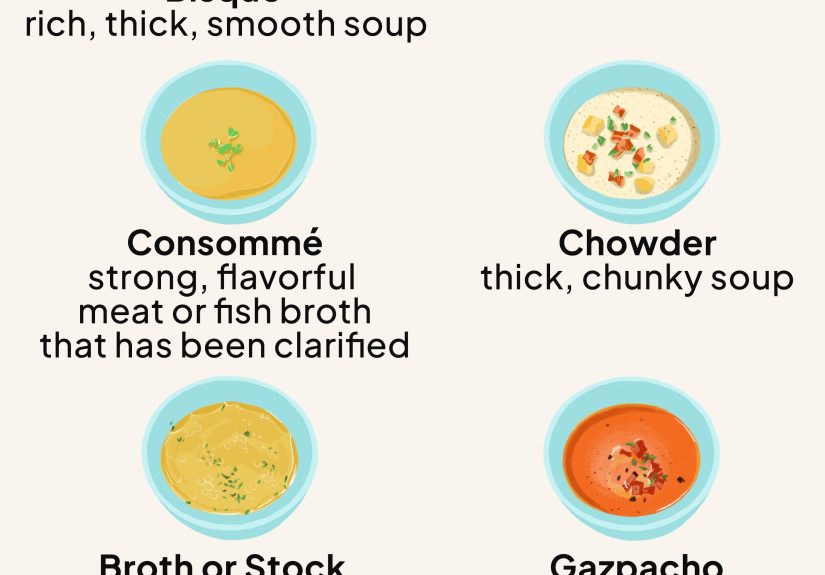
- Consommé: The Crystal-Clear Show-Off
- Other Common Soup Types You Should Know
- How to Choose the Right One for Cooking
- Common Soup Myths That Need to Retire
- Real Kitchen Experiences With Bisque, Broth, Stock, and Other Soup Types
- Conclusion
- SEO Tags
If soup menus have ever made you feel like you need a culinary passport, you are not alone. One bowl is called a bisque, another is a broth, another is a stock-based soup, and then somebody casually throws in consommé like you were obviously born knowing French kitchen vocabulary. Add chowder, bone broth, cream soup, purée, gazpacho, and stew to the mix, and suddenly dinner sounds like a pop quiz.
Here is the good news: the differences between bisque, broth, stock, and other soup types are easier to understand than they seem. Most of these names tell you something important about the soup’s base, texture, ingredients, or cooking method. Once you know what each one means, you can cook smarter, order more confidently, and avoid expecting a silky lobster bisque when what is coming is basically a chunky potato traffic jam.
In this guide, we will break down the most common soup categories in plain American English, explain how chefs and home cooks use the terms, and show where labels overlap in real life. Because yes, the grocery store has absolutely made this more confusing than it needed to be.
Why These Soup Terms Get Confusing
Part of the confusion comes from the fact that some words describe a liquid base, while others describe a finished soup. For example, stock and broth usually refer to cooking liquids used as foundations. Bisque, chowder, and consommé usually describe finished soups. Then you have terms like bone broth and bouillon, which sound traditional but are often shaped by modern grocery-store marketing.
Another wrinkle is that classic culinary definitions and everyday American usage do not always match perfectly. A chef may define bisque one way, while a carton at the supermarket plays a little loose with the rules. So the best way to understand soup types is to know both the traditional definition and the modern, practical version.
The Quick Answer: What Is the Difference?
| Type | What It Usually Means | Texture | Common Use |
|---|---|---|---|
| Bisque | A smooth, rich soup, traditionally shellfish-based and often finished with cream | Silky and thick | Served as a finished soup |
| Broth | A flavorful liquid usually made from meat and aromatics, often seasoned | Light and clear | Served alone or used in soups |
| Stock | A cooking liquid made primarily from bones and aromatics | Richer body, often gelatinous when chilled | Used as a base for soups, sauces, and braises |
| Bone Broth | A long-simmered, seasoned bone-based liquid made for sipping or soup | Rich, savory, full-bodied | Served as a drink or soup base |
| Bouillon | A concentrated broth product, often sold as cubes, paste, or powder | Depends on dilution | Convenience base for soups and cooking |
| Chowder | A chunky, hearty soup often featuring seafood or vegetables | Thick and spoonable | Served as a finished soup |
| Consommé | A clarified, intensely flavored soup made from stock or broth | Crystal clear but rich | Served as a refined finished soup |
Bisque: The Smooth Operator
Let’s start with bisque, because it sounds fancy and usually shows up acting fancy. Traditionally, a bisque is a smooth, rich French soup made with shellfish such as lobster, shrimp, or crab. Classical versions often use shells for deep flavor, then thicken the soup and strain it for a velvety finish. Some old-school definitions even mention rice as a traditional thickener.
Modern American cooking stretches the term a bit. Today, you will see tomato bisque, corn bisque, and butternut squash bisque. Purists may raise an eyebrow, but in practical use, “bisque” now usually signals a soup that is smooth, creamy, rich, and refined, whether shellfish is involved or not.
How to recognize a bisque: It is usually blended, strained, and elegant in texture. If chowder shows up in hiking boots, bisque arrives wearing a silk scarf.
Broth: Light, Savory, and Ready to Serve
Broth is a seasoned, flavorful liquid made by simmering meat, sometimes bones, and vegetables or herbs in water. It is usually lighter than stock, and it is often designed to taste good on its own. That is a big clue. If you can comfortably sip it from a mug and call it lunch, you are probably dealing with broth.
Chicken broth is the most familiar example in many American kitchens. It is the backbone of chicken noodle soup, rice dishes, pan sauces, and quick soups. Broth tends to cook for less time than stock, which means it develops good flavor without extracting quite as much collagen.
How to recognize broth: It is usually thinner, lighter, and more directly seasoned than stock. It is the friendly, dependable weeknight soup base that does not require a dramatic backstory.
Stock: The Quiet Workhorse
Stock is usually made by simmering bones with aromatics such as onion, celery, carrots, herbs, and spices. It is generally less seasoned than broth because it is intended as a foundation for other dishes. In other words, stock is not trying to be the star of dinner on its own. It is the behind-the-scenes professional making your soup, sauce, or braise taste like you know what you are doing.
The biggest difference between broth and stock is not just flavor. It is body. Because stock relies heavily on bones and connective tissue, it pulls more collagen into the liquid. When a well-made stock chills, it often firms up and jiggles. That wobble is not weird. That wobble is success.
Chefs often prefer stock for recipes that need structure, depth, and richness, including gravies, pan sauces, risotto, braises, and hearty soups. If broth is ready for the table, stock is usually still backstage getting the whole show ready.
Bone Broth: Old Technique, New Marketing
Bone broth is one of the most talked-about soup terms of the last several years. In many ways, it sits between broth and stock. It is typically made from roasted bones, simmered for a long time, and seasoned so it can be sipped on its own. The long cooking time extracts collagen and creates a richer mouthfeel, much like stock, but the finished product is often marketed and consumed like broth.
So is bone broth really different? Yes and no. In practical kitchen terms, it is basically a long-simmered, seasoned stock-like liquid that is packaged as something you can drink, not just cook with. If the label says “bone broth,” think rich, savory, and collagen-heavy rather than imagining an entirely separate food universe.
Bouillon: Convenience in a Cube
Bouillon is not usually a soup style by itself. It is a concentrated product used to create broth-like liquid quickly. You will find it as cubes, powders, granules, and pastes. It is handy, affordable, and the reason many weeknight soups make it to the finish line at all.
The catch is sodium. Bouillon can be intensely salty, which means it is best used with a little caution. If you reduce it too much or add it to an already salty dish, your soup can go from comforting to seawater faster than you can say “just one more cube.”
Chowder: Chunky, Hearty, and Proud of It
Chowder is a thick, chunky soup often associated with seafood, potatoes, onions, and dairy, though plenty of non-seafood versions exist. Corn chowder, chicken chowder, and vegetable chowder all fit comfortably into the category. What matters most is the texture: chowder is meant to be substantial.
New England clam chowder is the famous creamy version. Manhattan clam chowder, meanwhile, uses a tomato base. That alone tells you an important truth: chowder does not have to be cream-based, though many popular versions are. The defining feature is that it is hearty and chunky, not smooth like bisque.
Bisque vs. chowder: If you remember only one comparison, remember this one. Bisque is smooth. Chowder is chunky. Bisque glides. Chowder clomps.
Consommé: The Crystal-Clear Show-Off
Consommé is a clarified soup made from stock or broth. It is known for two things: clarity and intense flavor. Traditional consommé is clarified with a mixture that often includes egg whites, which helps trap impurities and leaves the liquid beautifully clear.
This is not just a fancy clear soup. A proper consommé is concentrated, elegant, and carefully prepared. It is often served on its own, sometimes with a small garnish of finely cut vegetables or other delicate additions. If regular broth is casual Friday, consommé is black tie.
Other Common Soup Types You Should Know
Cream Soups
Cream soups are soups enriched with milk, cream, or another dairy element and often thickened with a roux or similar method. Cream of mushroom, cream of broccoli, and cream of chicken are classic examples. They may be smooth or slightly textured, but they are usually not as classically refined as bisque.
Puréed Soups
Puréed soups get their thickness mostly from the ingredients themselves rather than heavy cream or lots of flour. Think split pea soup, black bean soup, carrot soup, or squash soup. Once blended, the vegetables or legumes provide body naturally. Some puréed soups cross into bisque territory, but not all puréed soups are bisques.
Brothy Soups
These are finished soups built on broth rather than cream. Chicken noodle soup, vegetable soup, wonton soup, and many ramen-style or noodle soups fall into this category. Their personality comes from a clear, savory liquid plus solid ingredients.
Gazpacho and Other Chilled Soups
Gazpacho is a cold soup traditionally made with raw vegetables, especially tomatoes, cucumbers, peppers, and aromatics. Chilled soups often focus on freshness rather than long simmering. They prove that soup does not always have to steam dramatically to count as soup.
Stews and Chili
These sit close to soup but usually contain less liquid and feel heavier. A stew is thicker and more concentrated than most soups, while chili often occupies its own proud category somewhere between stew, argument, and regional identity crisis.
How to Choose the Right One for Cooking
If you are cooking and wondering what to buy or make, here is the simplest guide:
- Use stock when you want body, richness, and a strong base for sauces or long-cooked soups.
- Use broth when you want a lighter, ready-to-eat liquid for soups, grains, or quick recipes.
- Use bone broth when you want something rich enough to sip or a deeply savory base.
- Use bouillon when convenience matters and you can manage the salt level.
- Choose bisque when you want smooth luxury.
- Choose chowder when you want texture, chunks, and comfort.
- Choose consommé when you want elegance and clarity.
Common Soup Myths That Need to Retire
“Broth and stock are exactly the same.”
They are often interchangeable in casual cooking, but they are not traditionally identical. Stock leans on bones and body. Broth leans on meat, seasoning, and drinkability.
“Bisque always means seafood.”
Traditionally, yes, shellfish plays a major role. In modern American usage, not always. Tomato bisque and squash bisque are now common.
“All chowders are creamy.”
Nope. Manhattan clam chowder uses tomato, not cream. Chunkiness matters more than dairy.
“Bone broth is a magical separate category.”
It is real, but it is not culinary wizardry. Think of it as a long-simmered, seasoned, stock-like broth that became very good at marketing.
Real Kitchen Experiences With Bisque, Broth, Stock, and Other Soup Types
The funniest thing about learning soup terminology is that most people do not really understand it until they cook the categories side by side. On paper, broth and stock seem like tiny variations on the same liquid. In a pot, they behave like different personalities at a family reunion. Broth is outgoing and ready to mingle. Stock is deeper, quieter, and somehow more useful when things get serious.
A common experience for home cooks starts with a carton from the store. You buy chicken stock because the recipe says stock, only to realize the label tastes suspiciously like broth. That is not your imagination. In real retail life, the lines blur. Some boxed stocks are thin. Some broths are surprisingly rich. This is why many cooks discover the difference most clearly when they make both from scratch. Homemade broth often tastes more directly savory right away, while homemade stock feels almost plain at first but develops incredible depth once it becomes the base of soup or sauce.
Then there is the first time someone makes a real stock from leftover bones. It usually begins with a noble intention to reduce waste and ends with the cook staring into the refrigerator the next day, delighted and slightly alarmed that the container has turned into meat Jell-O. That moment is pure kitchen education. Once you see chilled stock wobble, the phrase “more body” suddenly makes perfect sense.
Bisque creates a different kind of learning experience. Many people expect bisque to taste like “creamy soup, but fancier.” Then they make one with shells, aromatics, tomato paste, maybe a splash of brandy, and a careful blend-and-strain step. The result is often a surprise. A good bisque is not just creamy. It is layered, almost sweet from shellfish, deeply savory, and much silkier than the average cream soup. It teaches you that texture is not a side issue in soup. Texture is the whole mood.
Chowder, on the other hand, is where many cooks learn the opposite lesson: not every great soup should be perfectly smooth. The first spoonful of a good chowder usually delivers potatoes, seafood or corn, maybe bacon, and a base thick enough to feel comforting without becoming wallpaper paste. That experience teaches balance. If bisque is about refinement, chowder is about generosity. It is supposed to feel like dinner, not a tasting menu speech.
Consommé tends to be the category that surprises people most. It looks simple, almost suspiciously simple, until they taste a properly clarified version. Then the brain gets confused in a pleasant way because the soup is so clear but the flavor is so concentrated. It feels like drinking something light and powerful at the same time. For many cooks, consommé is the moment they realize clear soup does not mean boring soup.
Another very real experience is discovering that soup names affect expectations. Tell guests you made vegetable soup, and they imagine one thing. Tell them you made roasted carrot bisque, and suddenly everyone stands up straighter. Tell them you made chicken broth with noodles, and it sounds soothing. Tell them chicken consommé, and now dinner has an accent. The words matter because they signal texture, richness, and style before the spoon even hits the bowl.
In the end, the most useful experience is simply tasting with intention. Compare broth, stock, and bone broth. Compare bisque with chowder. Compare a cream soup with a puréed soup. Once you do, the vocabulary stops feeling fussy and starts feeling practical. And that is the real reward: not sounding smarter at dinner, though that is admittedly fun, but making better soup on purpose instead of by accident.
Conclusion
The differences between bisque, broth, stock, and other soup types come down to a few practical ideas: what the liquid is made from, how it is cooked, how it feels in the mouth, and whether it is meant to be a base or a finished dish. Bisque is smooth and rich, broth is light and seasoned, stock is bone-based and full-bodied, chowder is chunky, consommé is clarified, and bouillon is concentrated convenience. Bone broth lives somewhere between tradition and modern branding, while cream soups and puréed soups round out the broader soup family.
Once you understand those categories, soup stops being a menu mystery and starts becoming a delicious set of choices. Which, honestly, is exactly where all important food knowledge should lead.