Table of Contents >> Show >> Hide
- Why Dragons Still Rule Our Imagination
- Hall of Fame: The Greatest Dragon Characters
- What Makes a Dragon Character Truly Great?
- From Myth to Pop Culture: The Evolution of Fictional Dragons
- Creating Your Own Legendary Dragon Character
- Dragon Fans’ Experiences: Why These Characters Matter
- Conclusion: Building Your Own List of Fictional Dragons
Dragons are the ultimate multitaskers of fantasy. They hoard treasure, roast enemies, offer cryptic wisdom, and occasionally act as oversized emotional support lizards. From classic literature to blockbuster movies and beloved video games, the greatest dragon characters have become icons in their own rightsometimes more memorable than the humans sharing the screen with them.
In this guide to the greatest dragon characters and the most beloved fictional dragons, we’ll tour the fire-breathing hall of fame. You’ll meet heroic sky partners, terrifying villains, sarcastic sidekicks, and mystical spirits that barely need wings to dominate the sky. Along the way, we’ll look at why dragons still fascinate us, what makes certain dragons stand out, and how fans connect with these legendary creatures.
Why Dragons Still Rule Our Imagination
Long before dragons turned up in movies and anime, they lived in myths, legends, and religious stories. Western tales often cast dragons as chaos, greed, and destructionbeasts to be defeated by knights and saints. In contrast, many Eastern traditions portray dragons as wise protectors, symbols of power, prosperity, and the bridge between heaven and earth. This split personality is a huge part of their modern appeal: dragons can be terrifying monsters, benevolent guardians, or something complicated in between.
In today’s pop culture, dragons have evolved from one-note monsters into full characters with personalities, backstories, and emotional arcs. Some are adorable and hug-worthy; others are embodiments of nuclear-level destruction. When audiences vote on their favorite dragons, the winners aren’t always the biggest or strongest, but the ones who feel like real, living charactersfriends, rivals, or tragic figures we can’t forget.
Hall of Fame: The Greatest Dragon Characters
It’s impossible to list every legendary dragon, but some fictional dragons consistently rise to the top in fan polls, rankings, and critical lists. Below is a curated thunder of dragons (yes, that’s really the collective noun) that often appear among the “best dragon characters of all time.”
Toothless – “How to Train Your Dragon”
Let’s be honest: if dragons had a global popularity contest, Toothless would probably win by a landslide. The Night Fury at the center of the How to Train Your Dragon franchise is sleek, powerful, and somehow manages to look like a jet fighter and a cat at the same time. That combination of lethal aerial abilities and goofy, pet-like behavior is exactly why fans adore him.
Toothless represents the modern rebrand of dragonsfrom feared monsters to misunderstood creatures and loyal friends. His relationship with Hiccup shows how empathy and trust can transform a culture built on fear and violence. He’s still one of the most powerful dragons in animation, but his real strength is his emotional intelligence and fierce loyalty.
Smaug – “The Hobbit”
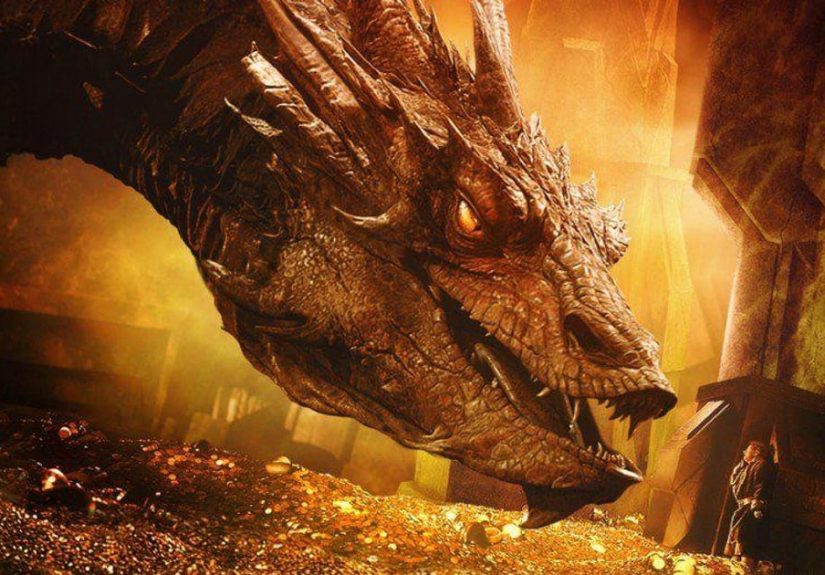
If Toothless is the face of lovable dragons, Smaug is the poster child for old-school, terrifying dragon energy. J.R.R. Tolkien described him as “the greatest of the dragons of his day,” and adaptations have leaned hard into that reputation. In the films, he’s a towering inferno of arrogance, greed, and destructive power, lounging on a mountain of stolen gold like it’s a very uncomfortable mattress.
What makes Smaug such a great dragon character is not just his size or firepower, but his personality. He’s witty, manipulative, and dangerously curious, toying with Bilbo Baggins in their cave-side conversation. Smaug embodies the classic Western dragon archetype: ancient, cunning, and fueled by an insatiable hungerfor wealth, for dominance, and for the satisfaction of burning anything that annoys him.
Drogon – “Game of Thrones”
In Game of Thrones, Drogon isn’t just a dragon; he’s a symbol of Daenerys Targaryen’s power, trauma, and ultimately, tragedy. Named after her late husband Drogo, Drogon grows from a palm-sized hatchling into a flying weapon of mass destruction. He helps free cities and break chains, but he also inflicts terrifying collateral damage when that power spins out of control.
Drogon stands out because he feels like a living, thinking creature rather than a mere special effect. His body languagenuzzling Daenerys one moment and incinerating her enemies the nextgives him a presence that’s both animal and symbolic. In the final episodes, his reaction to Daenerys’s fate adds an unexpected layer of emotion to a character who never speaks a word.
Mushu – “Mulan”
Not every great dragon has to be gigantic. Some just need excellent comedic timing. Mushu from Disney’s Mulan is proof that a tiny dragon with a big mouth can leave an oversized impact. As Mulan’s self-appointed guardian, he’s more likely to cause chaos than prevent it, but his heart is in the right place.
Mushu is one of the best examples of how dragons can serve as comic relief and still carry emotional weight. Beneath the jokes and bravado, he’s driven by a genuine desire to prove himself and protect Mulan. He shows that “dragon” doesn’t always mean “doom”; sometimes, it means “sarcastic, slightly unqualified life coach with scales.”
Charizard – “Pokémon”
Technically, Charizard isn’t classified as a dragon-type Pokémon in its original form, but tell that to anyone who grew up with the franchise and watched it breathe fire all over the battlefield. Charizard is one of the most recognizable “dragons” in global pop culture, bridging the gap between video games, card collecting, and animated storytelling.
As a character, Charizard is fierce, stubborn, and a little bit vain. Early on, it refuses to listen to Ash, and that arrogance becomes part of its charm. When Charizard finally respects its trainer, their partnership becomes one of the most satisfying arcs in the series. Fans love Charizard because it’s both aspirational and relatable: it’s massively powerful, but it still has to grow up.
Shenron – “Dragon Ball”
Shenron is less of a dragon who fights and more of a dragon who negotiates the fine print of reality itself. Summoned by gathering the Dragon Balls, Shenron grants wishes with impressive flexibility and equally impressive loopholes. This long, serpentine dragon draws heavily from East Asian dragon imagery, emphasizing divine power rather than brute force.
Shenron earns a spot among the greatest dragon characters because of his narrative importance. Entire story arcs revolve around racing to summon him first. The stakes of each wish remind us that dragon power isn’t just about fire and clawssometimes it’s about rewriting the rules of life and death.
Haku – “Spirited Away”
In Spirited Away, Haku is a river spirit who can transform into a graceful, pale dragon. His design blends the long, wingless body of an Eastern dragon with the dreamlike aesthetic of Studio Ghibli. Unlike many Western dragons, Haku is not a monster to be slain, but a mysterious ally who literally carries Chihiro through the spirit world.
Haku’s story highlights themes of memory, identity, and environmental loss. As a dragon, he symbolizes the forgotten river that was paved over in the human world. That makes him one of the most quietly powerful fictional dragonsa reminder that our myths can reflect what we’ve lost in the real world.
Falkor – “The NeverEnding Story”
Falkor the luckdragon might be the most huggable dragon ever designed. With his fluffy, dog-like appearance and calm, encouraging voice, he’s basically the universe’s kindest emotional support dragon. Instead of hoarding gold, Falkor hoards optimism, reminding Atreyu (and viewers) to keep going even when things feel impossible.
Falkor’s role shows another side of the greatest dragon characters: they don’t always need to be edgy or terrifying to be iconic. Kindness, loyalty, and hope can be just as powerful as fire breathespecially in stories aimed at kids and families.
Draco – “Dragonheart”
Draco from Dragonheart is a classic noble dragon: proud, honorable, and unexpectedly funny. Voiced with a regal, world-weary charm, he forms an uneasy partnership with a dragon-slaying knight. Their odd-couple dynamic turns what could have been a generic fantasy adventure into a story about friendship, sacrifice, and shared redemption.
Draco helped redefine cinematic dragons in the 1990s, showcasing CGI that still holds emotional weight. Instead of being a mindless beast, he’s a character with a code and a sense of humoran early blueprint for the complex dragons we see in today’s fantasy franchises.
King Ghidorah – The “Godzilla” Franchise
Not all dragons are wise mentors or misunderstood friends. Some are just cosmic-level nightmare fuel. King Ghidorah, the three-headed golden menace from the Godzilla films, embodies the “apocalyptic dragon” archetype. With gravity beams, hurricane-level wings, and a design that screams “final boss,” Ghidorah is less a character and more a walking extinction event.
Ghidorah earns a place among iconic fictional dragons because of sheer spectacle. Whenever it appears, the stakes skyrocket. It’s the kind of dragon that reminds audiences why ancient people might have looked at storms and volcanoes and imagined a gigantic, furious beast behind them.
What Makes a Dragon Character Truly Great?
When fans rank the greatest dragon characters, a few patterns show up again and again:
- Distinct personality: The dragon has clear traitsgoofy, noble, cunning, ruthlessthat make it memorable.
- Emotional connection: The dragon isn’t just a special effect; it has relationships, motives, and growth.
- Striking design: From sleek Night Fury silhouettes to multi-headed titans, great dragons are instantly recognizable.
- Story impact: The plot changes because of the dragon’s choices, not just its firepower.
- Symbolic weight: Many dragons represent bigger themes: greed, freedom, trauma, nature, or destiny.
That’s why a small, comedic dragon like Mushu can rank alongside towering monsters like Smaug or Ghidorah. Size matters less than presence, personality, and storytelling power.
From Myth to Pop Culture: The Evolution of Fictional Dragons
Modern dragon characters didn’t appear out of nowhere. They’re the descendants of centuries of myth-making. Western dragons often began as enemies of heroeshoarders of treasure and symbols of sin or chaos. Eastern dragons, by contrast, were associated with emperors, rain, rivers, and cosmic balance. Today’s fantasy borrows from both traditions.
That’s why you’ll see:
- Winged, fire-breathing beasts guarding castles or attacking cities in Western-inspired fantasy worlds.
- Serpentine, wingless dragons who fly through sheer magic, representing wisdom and natural forces in Eastern-inspired stories and anime.
- Hybrid designs that mix features from multiple cultureslike Haku’s river-dragon form or the luckdragon Falkor.
This blend lets creators tailor dragons to their stories. Need a symbol of unstoppable destruction? Cue the apocalyptic dragon. Want a gentle guide for a young hero? Call in a wise, soft-spoken dragon mentor. The flexibility of the dragon archetype is exactly why it stays fresheven as we revisit familiar tropes.
Creating Your Own Legendary Dragon Character
If you’re a writer, game designer, or worldbuilding enthusiast, studying the greatest dragon characters can help you craft your own. Ask yourself:
- What does your dragon represent? Greed, freedom, rebellion, nature, trauma, hope?
- How does it relate to humans or other beings? Ally, adversary, patron, god, or reluctant roommate?
- What is its limit? Even a world-shaking dragon is more interesting with vulnerabilities and constraints.
- What makes its design unique? Unusual horns, glowing markings, mechanical elements, or cultural influences can set it apart.
Great fictional dragons resonate because they’re more than “big lizards with wings.” They’re characters with history, personality, and a role that matters to the story’s emotional core.
Dragon Fans’ Experiences: Why These Characters Matter
Talk to dragon fans and you’ll quickly realize that the connection goes deeper than cool visuals. For many people, their favorite dragon character marks a specific era of life. Maybe it was the first time they saw a massive creature on screen that didn’t just scare them, but also made them cry, laugh, or feel understood.
A lot of viewers, for example, discovered Toothless as kids or teens. They watched a misfit Viking learn that the “most dangerous creature in the sky” was actually shy, playful, and capable of deep loyalty. For anyone who has ever felt misunderstood, that story hits hard. The idea that something feared and rejected could become a beloved friend mirrors the experience of growing up and discovering that labels don’t define you.
Others remember seeing Smaug for the first timewhether on a page or in a theaterand realizing just how terrifying and fascinating a villain could be. Smaug’s slow, confident dialogue and unsettling intelligence give him a presence that lingers long after the credits roll. Fans who love dark fantasy often point to Smaug as the moment they decided dragons weren’t just monsters; they were charismatic antagonists with their own twisted logic.
Then there are viewers who bonded with gentler dragons. For some, Falkor from The NeverEnding Story became a symbol of hope during difficult times. His mantra of not giving up, paired with his calm, reassuring demeanor, made him feel like a guardian who lived just beyond the edge of reality. Even now, adults look back at that film and smile at the memory of a dragon who made them feel safe instead of scared.
In gaming communities and tabletop role-playing groups, dragons are often the centerpiece of unforgettable sessions. A campaign might build for months toward a showdown with an ancient dragon whose hoard includes not only gold, but secrets about the world itself. When players finally confront that dragonwhether they negotiate, ally, or fight to the last hit pointit becomes one of those stories they retell for years.
Anime and fantasy fans also share powerful emotional experiences linked to dragons like Haku and Shenron. Haku’s connection to a forgotten river resonates with people who care about environmental issues or who feel nostalgic for places that no longer exist as they remember them. Shenron, appearing in a burst of light to grant wishes, often brings up memories of childhood, Saturday-morning cartoons, and the thrill of watching heroes push past their limits with just one more miraculous comeback.
Because dragons sit at the intersection of myth, power, and emotion, they’re perfect vessels for our hopes and fears. They can represent the scary future, the weight of history, or the dream of freedom. When a dragon sacrifices itself, chooses mercy, or breaks free from control, those moments land hard with viewers who are wrestling with similar themes in their own liveseven if they’d never phrase it that way.
Ultimately, the greatest dragon characters endure not just because they look cool on posters, but because people carry them forward in memory, fan art, cosplay, and conversation. Every time someone doodles Toothless in a notebook, debates whether Drogon was “right,” or names a pet after Mushu or Charizard, they keep these fictional dragons alive. And that may be the most magical thing about them: they start as lines on a page or pixels on a screen, but they end up living rent-free in our imaginations, hoarding stories instead of gold.
Conclusion: Building Your Own List of Fictional Dragons
The greatest dragon characters are more than background monsters. They’re teachers, villains, friends, symbols, and sometimes the emotional core of the story. Whether you’re drawn to Toothless’s loyalty, Smaug’s terrifying charisma, Mushu’s chaotic support, or Shenron’s cosmic authority, there’s a dragon out there that reflects how you see power, fear, and hope.
As you build your own list of fictional dragons, pay attention to which ones you keep revisiting. Those are the dragons that have shaped your personal mythologythe ones that accompany you when you open a book, launch a game, or hit play on a favorite movie for the hundredth time. In the end, that’s the real test of greatness: not just how big a dragon is on screen, but how long it stays with you after the story ends.