Table of Contents >> Show >> Hide
- What Exactly Is Matcha?
- Why Matcha Is an Antioxidant Powerhouse
- Science-Backed Health Benefits of Drinking Matcha
- How Much Caffeine Is in Matcha Compared with Coffee?
- Are There Any Risks or Downsides?
- How to Make Matcha the Traditional Way
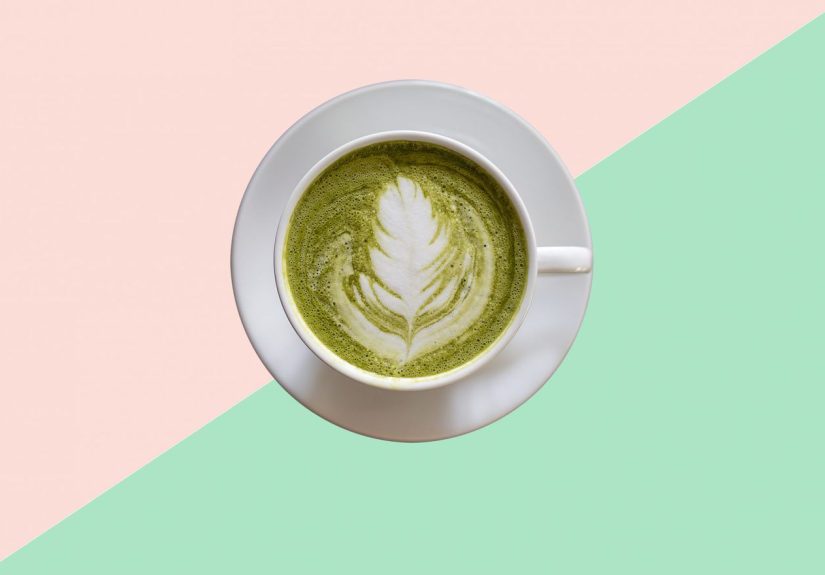
- Matcha Latte and Iced Matcha: Easy Everyday Versions
- How to Choose a Good Matcha Powder
- Easy Ways to Work Matcha into Your Day
- Real-Life Experiences: What It’s Like to Make Matcha a Habit
- Final Thoughts
If you’ve ever stared at a neon-green latte and wondered, “Is this drink actually good for me or is it just Instagram-famous?”good news: matcha is more than a pretty face. This finely ground Japanese green tea has real science-backed health benefits, a unique flavor that grows on you (hello, earthy umami!), and a calming yet energizing buzz that coffee can only dream about.
In this guide, we’ll break down what matcha is, why it’s so hyped by wellness fans and researchers, how it compares to coffee, and exactly how to make a smooth, non-clumpy bowl or latte at home. Think of this as your matcha crash courseminus the crash.
What Exactly Is Matcha?
Matcha is a type of green tea, but it doesn’t behave like your average tea bag. Instead of steeping leaves and tossing them, you’re drinking the whole leaf in powdered form.
How Matcha Is Grown and Made
Traditional Japanese matcha comes from tea plants that are shade-grown for several weeks before harvest. This shaded period boosts chlorophyll and certain amino acids (especially L-theanine), which is why high-quality matcha looks vibrantly green instead of dull or yellowish.
After harvesting, the leaves are steamed to stop oxidation, dried, and ground slowly into a fine powder using stone mills. This process preserves delicate compounds that can be lost in more aggressive processing.
Matcha vs. Regular Green Tea
- Green tea: You steep leaves, drink the infusion, and discard the leaves.
- Matcha: You whisk the powdered leaves into water and drink the entire leaf.
Because you consume the whole leaf, matcha delivers a more concentrated hit of antioxidants, caffeine, and other plant compounds compared with a standard cup of green tea.
Why Matcha Is an Antioxidant Powerhouse
Matcha is loaded with polyphenols, especially catechinsa family of antioxidants that help neutralize free radicals and support cellular health. One of the star catechins in matcha is epigallocatechin gallate (EGCG), which has been widely studied for its effects on heart health, metabolism, and inflammation.
Because the tea is shade-grown and consumed whole, matcha generally contains higher levels of certain antioxidants than regular brewed green tea. In simple terms: gram for gram, that tiny spoonful of powder is doing a lot of work.
What Antioxidants May Do for Your Health
- Help protect cells from oxidative stress.
- Support healthy blood vessels and circulation.
- Contribute to healthier cholesterol and blood sugar profiles when combined with an overall balanced diet.
- Support skin health by reducing some of the damage from everyday environmental exposure.
No single drink is a magic shield against disease, but matcha can be a strong supporting player in an overall healthy pattern of eating and lifestyle.
Science-Backed Health Benefits of Drinking Matcha
1. Supports Heart and Metabolic Health
Research on green tea and matcha suggests they can positively influence several risk factors for heart disease. Studies have linked regular consumption of green tea catechins with improvements in total cholesterol, LDL (“bad”) cholesterol, and triglycerides, as well as better blood sugar regulation when combined with healthy habits.
Because matcha often contains a higher concentration of these catechins than regular green tea, many experts suspect it may offer similar or even greater benefits when consumed regularly as part of a balanced diet. Think of matcha as one helpful brick in your “heart-healthy wall,” not the entire foundation.
2. Calm, Focused Energy (Thanks to Caffeine + L-Theanine)
Matcha contains caffeine, but it’s not the chaotic, rocket-launch caffeine you might get from a giant coffee. A typical serving of matcha (about 1–2 grams of powder) can provide roughly 30–80 milligrams of caffeine, depending on the brand, grade, and how much powder you use.
The secret sauce is that matcha also contains L-theanine, an amino acid that promotes relaxation and may help blunt some of the edgier effects of caffeine. Studies suggest that the combination of L-theanine and caffeine can enhance alertness and attention while also supporting a calmer mental state. In real-life terms, many people describe matcha energy as “laser focus without the jitters.”
3. Potential Cognitive and Mood Benefits
Early research has found that matcha and its components may support cognitive function, including attention, working memory, and reaction time. Some small randomized trials report reduced stress and improved measures of attention after matcha consumption.
Is matcha going to instantly turn you into a productivity machine? Probably not. But paired with good sleep and stress management, it may give your brain a gentle boostespecially for tasks that require sustained focus.
4. Anti-Inflammatory and Anticancer Potential
Lab and animal studies suggest that catechins like EGCG have anti-inflammatory and anti-proliferative properties, meaning they may slow down processes related to inflammation and abnormal cell growth. Some observational research links high green tea intake with lower risks of certain chronic conditions, including some types of cancer.
Important reminder: this doesn’t mean “matcha cures cancer” or replaces medical care. It simply means that, as part of a dietary pattern rich in plants, matcha may contribute to a more favorable internal environment over time.
5. Possible Benefits for Liver, Gut, and Weight Management
Emerging research suggests green tea and matcha may support liver health, help modulate the gut microbiome, and slightly assist with weight management by increasing energy expenditure and fat oxidation. These effects are modestnot a miraclebut can still be meaningful when combined with a healthy eating pattern and physical activity.
If you’re hoping matcha alone will undo a weekend of fast food and zero movement… it’s not that kind of hero. But as one of many small, supportive habits, it fits nicely.
How Much Caffeine Is in Matcha Compared with Coffee?
Let’s talk numbers, because “it has caffeine” is not super helpful on its own.
- Matcha (about 2 grams of powder): Roughly 40–90 mg of caffeine, depending on the product and brew strength.
- Regular brewed coffee (8–12 ounces): Often 80–200 mg of caffeine, depending on roast, grind, and brew method.
So matcha can approach coffee-level caffeine if you make it strong, but typical servings tend to be slightly lower. Thanks to L-theanine, many people experience a smoother, longer-lasting energy curve with matcha versus the fast spike-and-crash of coffee.
If you’re sensitive to caffeine, consider:
- Using a smaller amount of matcha powder (½ teaspoon instead of 1 teaspoon).
- Avoiding matcha later in the afternoon or evening.
- Pairing matcha with food to soften its impact.
Are There Any Risks or Downsides?
Matcha is generally safe for most healthy adults when consumed in moderation, but there are a few things to keep in mind:
- Caffeine sensitivity: If caffeine makes you anxious, jittery, or disrupts your sleep, keep matcha portions small and earlier in the day.
- Pregnancy or certain medical conditions: People who are pregnant, breastfeeding, or managing specific heart or anxiety conditions should talk with a healthcare professional about safe caffeine limits.
- Medication interactions: Green tea extracts can interact with some medications and high-dose supplements. If you’re on prescription meds, especially blood thinners or stimulant medications, check in with your clinician.
- Quality and contaminants: Tea plants can absorb heavy metals from soil. Choosing reputable brands that test for contaminants and sourcing from established regions can help reduce risk.
As with any functional food, “more” is not always “better.” For most adults, 1–2 servings of matcha per day is a reasonable upper range, especially if you also drink coffee, tea, or other caffeinated beverages.
How to Make Matcha the Traditional Way
You don’t have to be a tea ceremony master to make a good bowl of matcha, but a little technique goes a long way in avoiding green clumps and disappointment.
Tools You’ll Need (Or Improvise)
- Matcha powder: Look for a vibrant green color and a smooth, fine texture.
- Small bowl or wide mug: A traditional matcha bowl (chawan) is ideal, but any rounded bowl works.
- Bamboo whisk (chasen): Very helpful for creating foam, though a small milk frother can stand in.
- Fine mesh sifter: Crucial for breaking up clumps.
- Hot (not boiling) water: Aim for about 160–175°F (70–80°C).
Step-by-Step: Classic Usucha (Thin Matcha)
- Warm the bowl: Pour in hot water, swirl, then discard. This keeps the matcha from cooling too quickly.
- Sift the matcha: Add 1 teaspoon (about 2 grams) of matcha powder to a sifter over the bowl and gently tap it through.
- Add water: Pour about 2–3 ounces (60–80 ml) of hot water at 160–175°F (70–80°C) over the powder.
- Whisk vigorously: Using the chasen, whisk in a quick M or W motion until the matcha is frothy with tiny bubbles on top. Avoid just stirring in circlesthat won’t create foam.
- Finish and enjoy: When the surface looks creamy and mostly free of big bubbles, gently tap the bowl on the counter to settle the foam, then sip directly from the bowl.
Done right, the result should taste smooth, a little grassy, lightly sweet, and pleasantly umaminot bitter and harsh. If it tastes extremely bitter, try using cooler water or less powder next time.
Matcha Latte and Iced Matcha: Easy Everyday Versions
Hot Matcha Latte
- Prepare a concentrated matcha by whisking 1 teaspoon of matcha with 2 ounces of hot water, as described above.
- Heat 6–8 ounces of milk or a non-dairy alternative (oat, soy, or almond work well) until warm and steamy.
- Froth the milk if you like, then pour it over your prepared matcha.
- Sweeten to taste with honey, maple syrup, or another sweetener.
The latte version is creamier and often more approachable for beginners who find straight matcha a little intense.
Iced Matcha (Shaken or Stirred)
- Add 1 teaspoon of sifted matcha to a jar or shaker bottle.
- Pour in 2 ounces of cool or slightly warm water and shake until no clumps remain.
- Add ice and 6–8 ounces of cold water or milk, then shake again.
- Sweeten if desired, and enjoy immediately.
Pro tip: Use filtered water and plenty of iceiced matcha tastes best when very cold and well diluted, not lukewarm and murky.
How to Choose a Good Matcha Powder
Not all green powders are created equal. A few quick clues can help you avoid sad, brownish matcha that tastes like lawn clippings.
- Color: Look for a vivid, bright green rather than olive or dull yellow-green.
- Texture: High-quality matcha is silky and very fine, not gritty.
- Origin and labeling: Authentic Japanese matcha from established regions is usually a good sign. Terms like “ceremonial grade” vs. “culinary grade” aren’t strictly regulated, but they can still give hints about intended use.
- Flavor notes: Good matcha is often described as smooth, naturally sweet, and umami, without harsh bitterness.
- Packaging: Airtight, opaque tins or bags help protect the powder from light and air.
Once opened, keep your matcha sealed in the fridge and try to use it within a couple of months for the best taste and potency.
Easy Ways to Work Matcha into Your Day
If you don’t want to drink a straight bowl of matcha every day, you still have options:
- Smoothies: Add ½–1 teaspoon to a smoothie with banana, yogurt, and berries.
- Overnight oats: Stir matcha and a touch of honey into your milk before soaking oats.
- Baking: Use culinary-grade matcha in muffins, pancakes, or cookies for a green twist.
- Energy bites: Blend matcha with dates, nuts, and coconut, then roll into bite-size snacks.
Just remember that lots of sugar and heavy cream can quickly turn a healthful tea into a dessert. Enjoy treats, but keep an eye on the add-ins if your goal is wellness.
Real-Life Experiences: What It’s Like to Make Matcha a Habit
Reading about antioxidants is great, but what does matcha actually feel like in everyday life? Let’s walk through what many people notice when they swap one of their daily coffees or sugary drinks for a matcha ritual.
The First Week: Learning Curve (and a Few Clumps)
In the beginning, there’s usually a little trial and error. Maybe the first bowl is too bitter because the water is boiling hot, or the latte ends up a bit lumpy because the matcha wasn’t sifted. Getting the temperature right and whisking thoroughly can feel oddly technicalbut once you nail it, it becomes second nature.
Many people notice that their energy feels different from coffee almost immediately. Instead of a hard spike and a mid-morning crash, the alertness from matcha tends to feel more gradual. If you’re used to a huge caffeine hit, matcha might seem subtle at first, but that’s often a good thing for people who are trying to calm down their nervous system while staying productive.
Weeks Two to Four: A New Morning Ritual
After a couple of weeks, matcha often moves from “novelty” to “ritual.” You may find yourself looking forward to the process: warming the bowl, sifting the powder, whisking until the foam forms. It’s a mini mindfulness practice built into your morning.
On busy days, making an iced matcha in a shaker bottle is just as fast as brewing coffee. Shake, pour over ice, and you’re done. People who tend to feel wired or anxious on strong coffee often report fewer jitters, less racing heart, and better focus when they switch to matcha or alternate between the two.
Longer-Term Observations
Over time, several patterns commonly emerge:
- More consistent energy: Some people find that afternoon slumps become less dramatic, especially when matcha replaces sugary drinks.
- Better hydration: Because matcha is usually prepared with water (and sometimes milk), it subtly adds to overall fluid intake compared with sodas or very sweet coffee drinks.
- Mindful snacking: Sipping a warm or iced matcha can become a mid-afternoon pause that replaces “boredom snacks,” helping you check in with actual hunger cues.
Of course, experiences vary. Not everyone loves the taste at first. Some people need to start with lattes and gradually ease into more traditional preparations. Others might settle on one favorite recipesay, a slightly sweet oat milk matcha latteand build it into their routine without overthinking it.
Tips from Experience to Make Matcha Work for You
- Start simple: Don’t worry about picture-perfect foam on day one. Focus on avoiding clumps and using the right water temperature.
- Dial in your strength: If matcha feels too intense, use a half teaspoon at first and slowly increase as your taste adjusts.
- Choose your “matcha moment”: Many people enjoy it mid-morning, when the first wave of sleepiness hits but it’s still early enough that caffeine won’t ruin their sleep.
- Experiment with add-ins: Cinnamon, vanilla, or a small amount of sweetener can make the flavor more approachable without turning it into a sugar bomb.
- Make it your ritual, not a rule: Matcha should feel supportive, not like a wellness chore. If some days you want coffee instead, that’s fineflexibility is part of a sustainable routine.
Ultimately, the “best” way to drink matcha is the one that fits your taste, your schedule, and your body. Used thoughtfully, it can be more than a trendit can be a small, enjoyable daily habit that supports your energy, focus, and long-term health.
Final Thoughts
Matcha is not a miracle cure, but it is a surprisingly powerful ally: rich in antioxidants, gentle yet effective in its caffeine kick, and versatile enough to fit a wide range of tastes and lifestyles. Whether you prefer a traditional bowl, a creamy latte, or a chilled shaker drink, making matcha part of your routine can transform a simple beverage into a daily ritual that supports both your health and your sanity.