Table of Contents >> Show >> Hide
If “public health” makes you think only of doctors, hospitals, and waiting rooms with old magazines, you are not alone. But a healthy nation is built long before anyone gets a prescription. It is built when a city replaces old lead pipes, when a school district serves healthier meals, when roads are designed to reduce deadly crashes, when clean air rules are enforced, and when people can actually afford preventive care. In other words, a healthy nation is built through policyand policy is shaped by people who vote.
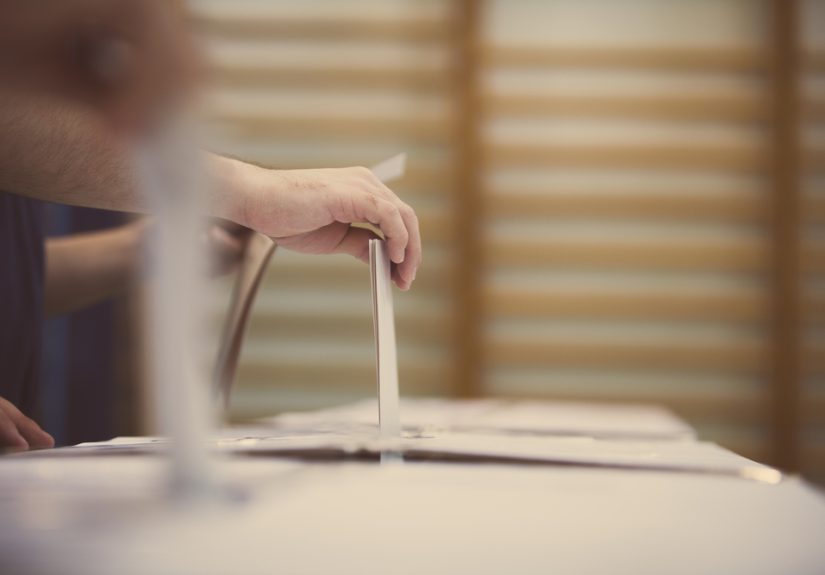
That is why this article has one big idea: the path to a healthy nation starts with you, the voter. Not “you, the person who follows every wellness trend on social media.” Not “you, the person who bought a treadmill and now uses it as a laundry shelf.” You, the voter. Your ballot does not just choose leaders. It helps decide the conditions in which families live, work, learn, and age.
In the United States, public health experts increasingly describe voting as connected to health outcomes because elections shape the laws, budgets, and local decisions that influence everyday life. When more people participateespecially in local and state electionscommunities are better positioned to demand safer neighborhoods, fairer access to care, and smarter investments in prevention. A healthy nation is not just a medical project. It is a civic project.
Why voting belongs in the health conversation
Health is not only about health care
One of the most important ideas in modern public health is that health is shaped by far more than clinics and hospitals. National health frameworks in the U.S. describe health outcomes as strongly influenced by the places where people are born, live, learn, work, and age. That includes economic stability, education, access to care, neighborhood conditions, and social connections. These factors explain why two people in the same city can have very different health outcomes even if they visit the same hospital.
Translation: if we only talk about medicine, we are showing up to the game in the fourth quarter. By the time someone is sick, many of the biggest risk factors have already been set by housing quality, food access, transportation options, pollution exposure, wages, school conditions, and insurance coverage. And those are all shaped by public decisions.
Your vote helps choose the rules, the budget, and the priorities
Voting is how communities influence which problems get attention and which ones get a shrug. Elected officials decide budget priorities, appoint agency leaders, and write or enforce policies that affect health every day. City councils can influence housing and water infrastructure. School boards affect meal policies and indoor air priorities. State legislatures decide Medicaid expansion and public health funding. Congress and federal agencies shape national standards for air, tobacco, and consumer safety.
Public health organizations in the U.S. have been increasingly direct about this: voting is not separate from health. It is one of the ways people shape the conditions that produce health. That does not mean every election is a single-issue referendum on hospitals. It means every election has health consequences, whether the campaign ads mention them or not.
What the data says about voters and national health
Turnout matters because policy is a numbers game
In the 2024 presidential election, the U.S. Census Bureau reported that 73.6% of the citizen voting-age population was registered and 65.3% voted. Those numbers represent a huge share of the countrybut they also mean millions of eligible citizens did not participate. When people sit out, public decisions still get made. The difference is that those decisions reflect a smaller, less representative slice of the public.
Census voting data also tracks participation patterns across age, sex, race, ethnicity, and other demographic characteristics. That matters for health equity. If some groups consistently face more barriers to voting, then the communities most affected by health disparities may have less influence over the policies meant to address them. That is one reason many health and civic groups focus not only on turnout, but also on access to the ballot.
Access to voting is part of a healthy democracy
Voting is not just about motivation; it is also about logistics. In the U.S., registration rules and deadlines vary by state and territory. Official government resources remind voters that they may need to register, update an address or party, check registration status, and review state-specific rules before Election Day. If the system is confusing, busy people fall through the cracksespecially people juggling jobs, caregiving, disability, or transportation challenges.
Accessibility is also a health issue. Federal protections require accommodations and accessible voting options for voters with disabilities. Laws such as the Help America Vote Act (HAVA) and disability protections are meant to improve voter access and privacy. When communities take voting accessibility seriously, they are not just improving democracy in theorythey are making sure more people can influence the policies that affect their care, mobility, and independence.
How your vote becomes a health outcome
Let’s make this concrete. Below are six everyday policy lanes where voting choices can shape public health. These are not abstract debates. They affect what comes out of your tap, what your kids eat at school, and whether your neighbors can afford a doctor visit before a medical problem turns into an emergency.
1) Health care access and Medicaid expansion
State elections often decide what happens with Medicaid, one of the biggest health coverage programs in the country. The Affordable Care Act’s Medicaid expansion created a pathway for coverage for many lower-income adults, and states have made different choices about whether to adopt it. As of early 2026, most states (including D.C.) had adopted expansion, while a smaller group still had not.
Why does that matter? Because coverage is not just an insurance card in a wallet. It affects whether people can afford preventive care, primary care visits, and ongoing treatment. Research on Medicaid expansion has found improvements in coverage and greater use of preventive and primary care, along with lower out-of-pocket spending in some populations. That means state-level voting decisions can influence whether people get care earlierwhen it is cheaper, less stressful, and more effective.
Put differently: if a state election changes who controls the governor’s office or legislature, it can change access to care for hundreds of thousands of people. That is not a small “policy detail.” That is a community health decision with a ballot attached.
2) Safe drinking water and lead exposure
Clean water is one of the least glamorous public health topicsright up until it is your water. Federal agencies emphasize that lead is harmful even at low levels, and public health guidance is especially strict for children. In fact, U.S. guidance notes there is no safe blood lead level for young children, and the national drinking water health goal for lead is zero.
Here is the key civic point: reducing lead exposure is not just about personal choices. You cannot “wellness routine” your way out of an aging service line. Lead risk is tied to infrastructure, local utility decisions, enforcement, and funding. Those decisions depend on elected officials at multiple levels of government. Voters help determine whether water systems get investment, whether replacement projects move faster, and whether public communication is transparent when problems are found.
So yes, buying a cute water bottle is fine. But voting for leaders who prioritize infrastructure and prevention? That is the grown-up version of hydration.
3) Clean air, asthma, and environmental health
Air quality policy is another example of health hiding in plain sight. Federal environmental agencies list major health risks linked to air pollution, including aggravated asthma, reduced lung function, and serious cardiovascular impacts. Communities also experience these issues differently depending on where people live, traffic patterns, industrial exposures, and building conditions.
This shows up in schools, too. U.S. environmental health resources note that asthma is common among school-age children and that indoor and outdoor exposures can worsen symptoms. Anyone who has watched a child miss school because of breathing problems knows this is not a “maybe someday” issue. It is a this-week issue.
Voting affects air quality through federal standards, state enforcement, transportation planning, zoning, school facility upgrades, and local environmental priorities. Even county and city races can influence bus fleet decisions, road design, and building ventilation investments. If you care about children being able to breathe easily in classrooms and on playgrounds, elections belong on your health checklist.
4) Injury prevention, road safety, and seat belt policy
Public health is not only about disease. It is also about preventing injuriesand roads are a huge part of that story. National highway safety campaigns continue to report strong evidence that seat belts save lives, and national data still shows too many people killed in crashes were not wearing one.
But road safety is broader than “buckle up.” It includes traffic enforcement strategy, street design, safe routes to school, pedestrian protections, and public awareness campaigns. These are policy and budget choices. Voters influence who runs transportation departments, who funds safety upgrades, and who treats traffic deaths as a preventable public health issue instead of “just the cost of driving.”
In healthy communities, safety is designed into the system. In unhealthy ones, families are told to be more careful after the fact. Voting helps decide which kind of community you get.
5) School meals, nutrition standards, and child health
If you want to see public health in action, look at a school cafeteria. U.S. school nutrition agencies have highlighted research showing school meals are often the most nutritious food source many American children receive. That is a major public health reality, not a side note.
Federal nutrition updates for school meals continue to focus on areas like added sugars, sodium, whole grains, and milk standards. These changes may sound technical, but they affect millions of breakfasts and lunches across the country. Better nutrition standards can support energy, growth, concentration, and long-term health habits.
Voting matters here because school nutrition is shaped by a mix of federal rules, state implementation, and local school district decisions. The people elected to school boards, county offices, and state leadership roles can influence whether nutrition improvements are funded, supported, or quietly undermined. Parents often think of school health as a household problem. It is also a ballot-box problem.
6) Tobacco policy and preventable deaths
Tobacco remains one of the clearest examples of how policy affects health at scale. U.S. public health agencies continue to identify cigarette smoking as the leading preventable cause of disease, death, and disability in the country, with hundreds of thousands of deaths each year tied to smoking and secondhand smoke exposure.
Why has smoking declined compared with past decades? Not because the nation suddenly developed superhuman self-control. It happened through layers of policy: taxes, warning labels, clean indoor air laws, youth access restrictions, education campaigns, and cessation support. Those policies did not appear magically. They were debated, funded, and enforced by governments chosen by voters.
This is the pattern worth remembering: when people vote, communities can build systems that make healthy choices easier and harmful exposures less common. That is public health at its bestnot blaming individuals, but improving the environment around them.
A practical voter’s guide to building a healthier nation
You do not need a public health degree to vote for better health outcomes. You just need a better filter for evaluating candidates and ballot measures. Here is a simple one:
Ask these questions before you vote
- What does this candidate say about prevention? Look for positions on clean water, clean air, road safety, vaccinations, mental health, housing, and food accessnot just hospital talk.
- What are their budget priorities? Health outcomes follow funding. If a candidate talks about “healthy communities” but wants to cut every local service, that is a red flag with a campaign logo.
- Do they support voting access? A healthier nation needs broader participation, including accessible voting options for people with disabilities and clear election information.
- How do they approach local infrastructure? Lead pipes, sidewalks, parks, transit, school facilities, and emergency preparedness all affect health.
- Do they treat data seriously? Good leaders use evidence. Great leaders use evidence and still speak like humans.
Do the boring stuff (it works)
Yes, voting is inspiring. It is also paperwork. Register. Check your registration. Confirm your address. Learn your deadlines. Make a voting plan. If you are helping a family member, help them do the same. Official government resources make this easier than people think, and a five-minute check can prevent an Election Day disaster.
Also: do not skip local elections. If national elections are the blockbuster movie, local elections are the sequel where all the actual plot happens. School boards, mayors, county commissions, and state legislatures often have the most direct impact on daily health conditions.
Conclusion
A healthy nation does not start in a hospital corridor. It starts in neighborhoods, schools, transit systems, water lines, and polling places. It starts when people understand that voting is not just a political actit is a public health act. Your ballot helps shape whether communities invest in prevention, protect clean air and water, improve access to care, support safer roads, and build systems that help people thrive instead of merely survive.
The path to a healthy nation starts with you, the voter, because health is built through shared choices. Every election is a chance to choose priorities, not just personalities. So register, show up, and vote like your community’s health depends on itbecause, in more ways than most campaign slogans admit, it does.
Experiences from communities and voters
The stories below are composite experiences based on real public health patterns in the United States. They are not dramatic TV scenes with background music and a slow zoom. They are the kind of ordinary civic moments that quietly shape a healthier country.
In one neighborhood, a parent kept a running log of her son’s asthma symptoms. She noticed a pattern: flare-ups were worse on days when traffic backed up near the school and idling buses filled the pickup lane with exhaust. She started by talking to the school nurse. Then she went to a school board meeting. Then she learned which local offices influenced school facilities and transportation decisions. The next election cycle, she voted differentlynot because of party labels, but because she now understood that ventilation, traffic planning, and clean-air enforcement were health issues. Within a couple of years, the district improved traffic flow and indoor air practices. Her son still had asthma, but he missed fewer days of school.
In a small town, a retired couple learned their block was part of an aging water service area. They were not policy experts, but they did know two things: their grandkids visited often, and lead exposure was not something you “wait and see” about. They attended a city utility meeting, asked awkward questions in a polite tone, and discovered that replacement timelines depended on funding decisions and public pressure. They began paying attention to city and county races for the first time in years. Their big lesson was simple: local government may seem boring until your plumbing becomes a public health topic.
A young warehouse worker had never voted in a midterm election. He assumed politics was mostly noise and expensive signs. After losing insurance and delaying care for a chronic condition, he started reading about how state policies affect coverage. He realized that what sounded like “budget policy” on the news directly affected whether he could afford a doctor visit before things got worse. He registered, voted, and later helped two coworkers check their registration status. None of them suddenly became political junkies. They just connected the dots between policy and real life.
Another example came from a voter with a mobility disability who used to dread Election Day. Long lines, unclear polling layouts, and limited accessible equipment turned voting into a stress test. After learning more about voting rights protections and local election resources, she began requesting the accommodations she was entitled to. She also started contacting election officials when something was not accessible. Over time, she noticed improvements. Her experience is a reminder that access is not a “nice extra.” When voting systems are accessible, more people can participate in decisions about health care, transportation, housing, and community services.
These stories share one theme: health improved when people treated voting as part of prevention. No single ballot fixed everything. That is not how democracy works, and honestly, it would be suspicious if it did. But when people vote, ask questions, and follow through, communities become more likely to invest in the basics that keep people healthy. The path to a healthy nation is not built in one election. It is built one informed voter, one local meeting, one policy choice, and one community at a time.