Table of Contents >> Show >> Hide
- What Makes a Puerto Rican Pantry Unique?
- The Holy Trinity: Rice, Beans, and Plantains
- Flavor Makers: Sofrito, Recaito, Adobo, and Sazón
- Jars, Cans, and Bottles You’ll Almost Always See
- Herbs, Spices, and Aromatics: The Supporting Cast
- From Pantry to Plate: Classic Dishes Built from Staples
- How to Stock a Puerto Rican Pantry Anywhere
- Tips for Cooking from a Puerto Rican Pantry
- Living With a Puerto Rican Pantry: Everyday Experiences
Open the door to a Puerto Rican pantry and you won’t just find foodyou’ll find
history, family stories, and enough flavor to wake up a whole neighborhood.
Jars of sazón, tubs of homemade sofrito, bags of rice taller than small children,
and more cans of beans than any reasonable person “needs.” It’s beautiful. It’s
a little chaotic. And it’s the secret behind some of the most comforting dishes
in the Caribbean.
Whether you grew up eating arroz con habichuelas every day or you’re just
discovering Puerto Rican food from afar, building a Puerto Rican-style pantry
will completely change the way you cook. Let’s walk through the essentials,
why they matter, and how to use themwithout needing your tía’s handwritten
recipe collection (although that never hurts).
What Makes a Puerto Rican Pantry Unique?
Puerto Rican cuisineoften called cocina criollais the result of
centuries of blending Indigenous Taíno, Spanish, African, and later American
influences. You can see that story right on the pantry shelves: tropical
root vegetables and plantains, European olives and olive oil, African
frying techniques, Spanish spices, and a few 20th-century canned shortcuts
that stuck around because, honestly, they taste great.
Instead of building flavor with lots of last-minute spices, Puerto Rican
cooking leans on flavor “bases” you prep ahead of timeespecially sofrito,
recaito, adobo, and sazón. Once those are in your pantry or freezer,
weeknight dinners come together fast. That’s why stocking a Puerto Rican
pantry is less about individual recipes and more about making sure you
always have the building blocks.
The Holy Trinity: Rice, Beans, and Plantains
Rice: The Daily Baseline
If the Puerto Rican pantry had a ruler, it would be a 20-pound bag of rice.
White long-grain rice is the everyday standard. It becomes fluffy white rice
served next to stewed beans, richly seasoned yellow rice, or party dishes
like arroz con gandules (rice with pigeon peas).
Pantry tips:
- Keep a large bag of long-grain white rice for daily use.
- Optional extras: medium-grain rice (great for slightly stickier textures) and yellow rice mixes for shortcuts.
- Store rice in sealed containers to keep out moisture and pantry pests.
Beans: Affordable, Filling, and Flavor-Soaking
Puerto Rican rice and beans are not a backup planthey’re the main event.
Canned or dried beans are always present: pink beans, kidney beans, black beans,
pigeon peas (gandules), and chickpeas all show up regularly.
Simmered with sofrito, tomato sauce, olives, and spices, simple beans turn
into something you’d happily eat on repeat.
Pantry tips:
- Stock a mix of canned beans for weeknights and dried beans for deeper flavor.
- Pigeon peas (gandules) are essential for arroz con gandules.
- Keep tomato sauce, bouillon, and olives nearbythey often go into the same pot.
Plantains: The Not-Quite-Banana MVP
Plantains are to Puerto Rican cooking what potatoes are to many Western kitchens:
always useful, never boring. Green plantains get smashed and fried into
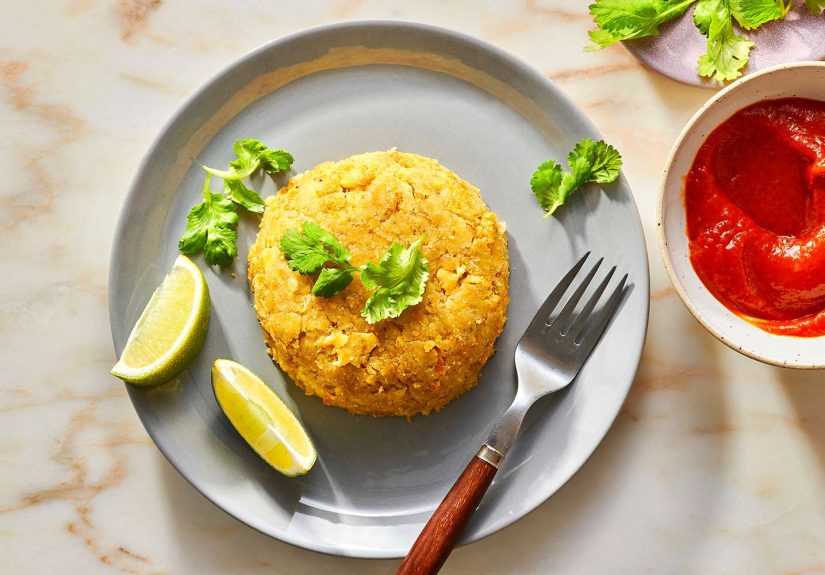
tostones or pounded with garlic and pork cracklings into mofongo.
Ripe, sweet plantains are sliced and fried into amarillos or layered
into a lasagna-style dish called pastelón.
Pantry-ish tips (since plantains are technically produce):
- Buy them green and let some ripen on the counter for sweet dishes.
- Fry in neutral oil, but serve with plenty of garlicky or tangy sauces from your pantry.
- In a pinch, frozen tostones and maduros are busy-cook lifesavers.
Flavor Makers: Sofrito, Recaito, Adobo, and Sazón
Sofrito and Recaito: The Aromatic Heartbeat
If you smell onions, peppers, garlic, and herbs sizzling in oil, congratulations
someone is about to feed you well. That smell is usually sofrito or its greener
cousin, recaito.
Recaito is a green, herb-heavy puree made with culantro
(recao), cilantro, onions, garlic, green peppers, and small sweet
peppers like ají dulce. It’s intensely herbal and aromatic.
Sofrito often builds on recaito, adding more onions, bell
peppers, garlic, and sometimes tomato. Think of it as a deeper, slightly
saucier version used to start stews, rice dishes, beans, and sauces.
Practical tips:
- Make big batches of sofrito and freeze it in ice cube trays or small containers.
- Keep store-bought jars on hand for backup; homemade is ideal, but life is busy.
- Drop a spoonful into hot oil before almost any savory dishit’s the “on” switch for flavor.
Adobo: The Everyday Seasoning
Adobo in Puerto Rico is more than a single recipe; it’s a style of seasoning.
In its dry form (adobo seco), it’s usually a blend of salt, garlic
powder, onion powder, black pepper, and oregano. Wet adobo (adobo mojado)
can include fresh garlic, citrus juice, vinegar, oil, and herbs.
How it works in your pantry:
- Use dry adobo as an all-purpose seasoning for chicken, pork, seafood, and veggies.
- Think of it as “salt with personality”you season and flavor in one step.
- If using store-bought mix, taste before adding extra salt; many blends are salty.
Sazón: Color, Aroma, and Instant “Puerto Rican Vibes”
Sazón is the small packet with big personality. It usually combines salt, cumin,
coriander, garlic, and annatto (achiote) for its signature orange hue. Add it to
rice, stews, beans, or marinades when you want that unmistakable Puerto Rican
look and flavor.
Pantry tips:
- Keep boxed packets or make a homemade blend if you want to control sodium and additives.
- Add sazón to the oil or sofrito at the beginning so the spices bloom.
- Use sparingly at first; a little can go a long way in color and flavor.
Jars, Cans, and Bottles You’ll Almost Always See
The Puerto Rican pantry is a masterclass in using shelf-stable ingredients
creatively. A few “non-negotiables” show up again and again:
- Tomato sauce and paste for beans, stews, and rice dishes.
- Olives and capers, often combined into alcaparrado, to add salty, briny depth.
- Canned coconut milk for desserts and savory dishes like coconut rice.
- Evaporated and sweetened condensed milk for flans, puddings, and creamy drinks.
- Canned corned beef (carne bif) for quick skillet meals with rice.
- Chicken or beef bouillon cubes or powder for boosting broths, beans, and rice.
These shelf-stable helpers mean you can throw together something comforting
even when the fridge looks tragic. With sofrito, tomato sauce, olives, and
canned beans, you’re about 30 minutes away from a seriously good meal.
Herbs, Spices, and Aromatics: The Supporting Cast
Puerto Rican food is not scorching-hot spicy; it’s deeply seasoned and aromatic.
That nuance comes from a tight crew of herbs and spices:
- Culantro (recao): similar to cilantro but stronger and more robust; central to recaito.
- Cilantro: bright, fresh, and used generously in sofrito and garnishes.
- Oregano (often orégano brujo): more pungent than typical Mediterranean oregano.
- Garlic: fresh cloves are non-negotiable; garlic powder shows up in adobo blends.
- Onions: yellow or white onions form the base of many dishes.
- Ají dulce: small, sweet peppers that add fruity flavor without much heat.
- Annatto (achiote): often infused into oil to add warm color and mild, earthy flavor.
- Bay leaves: dropped into pots of beans, stews, and soups.
A lot of these flavors end up pre-blended into sofrito, sazón, and adobo, but
keeping the individual herbs and spices on hand lets you adjust any recipe
to your own taste.
From Pantry to Plate: Classic Dishes Built from Staples
Arroz con Habichuelas (Rice with Beans)
The most iconic everyday combo is a plate of white rice topped with saucy beans.
You’ll typically sauté sofrito in oil, add tomato sauce, beans, bouillon or stock,
olives or alcaparrado, and simmer everything until it’s thick and flavorful.
Serve it with a side of fried sweet plantains and suddenly a very simple pantry
meal feels like comfort food royalty.
Arroz con Gandules (Rice with Pigeon Peas)
This is the party riceholidays, birthdays, Sundays when everyone shows up
unannounced. It combines rice, pigeon peas, sofrito, sazón, and often
annatto oil and bits of pork. The result is golden, fluffy, studded with peas,
and incredibly aromatic. If you have rice, pigeon peas, sofrito, sazón, and
olives in your pantry, you’re already halfway there.
Mofongo, Tostones, and Amarillos
Green plantains, garlic, and some kind of fat (traditionally pork cracklings
or bacon) are your pantry-plus-produce ticket to mofongo. Shape it into
mounds and serve with broth, shrimp, or stewed meats.
Tostones (twice-fried smashed plantain slices) and amarillos (fried ripe
plantains) don’t need much beyond oil, salt, and a good dipping sauce.
But when you add garlicky mojo, homemade adobo, or a bean stew from your
pantry, they become part of a complete meal.
Pastelón, Pasteles, and Beyond
With ripe plantains, ground meat, tomato sauce, olives, and cheese, you can
make pastelón, a layered, lasagna-like casserole. For holidays,
families gather to make pastelesbanana-leaf-wrapped bundles made
from a masa of grated root vegetables and plantains, filled with seasoned
meat and olives, colored with annatto oil. They are labor-intensive, but
your pantry still does heavy lifting with olives, capers, spices, and oils.
How to Stock a Puerto Rican Pantry Anywhere
Don’t live near a Latin market? No problem. You can build a solid Puerto Rican
pantry in stages and use smart substitutions when certain ingredients are hard
to find.
Step 1: Get the Core Staples
- Long-grain white rice
- Canned beans (pink, kidney, black, chickpeas) and pigeon peas if available
- Tomato sauce and tomato paste
- Olives, capers, or jarred alcaparrado
- Dry adobo seasoning (or garlic powder, onion powder, oregano, salt, pepper)
- Sazón packets or a homemade blend
- Garlic, onions, and bell peppers
Step 2: Level Up with Sofrito and Recaito
If you can find culantro and ají dulce, fantastic. If not, use cilantro and
sweet mini peppers as stand-ins. Blend herbs, onions, peppers, and garlic
with a little oil or water to make your own sofrito. Freeze it in small
amounts and treat it like gold.
Step 3: Add the “Nice-to-Haves”
- Annatto seeds or annatto-infused oil for color and mild flavor.
- Evaporated and condensed milk for desserts.
- Coconut milk for rice, stews, and sweets.
- Vinegars and citrus (especially lime and sour orange) for marinades.
- Different types of rice or specialty beans as you experiment.
Over time, you’ll notice you stop asking, “What can I make for dinner?”
and instead start asking, “What do I feel like turning these staples into?”
That’s when you know your Puerto Rican pantry is truly working.
Tips for Cooking from a Puerto Rican Pantry
- Start every savory dish with aromatics. Heat oil, add sofrito, let it sizzle until fragrant. Then add rice, beans, or meat.
- Taste as you go. Store-bought mixes can be salty. Add adobo and sazón gradually.
- Freeze smart. Sofrito, stock, cooked beans, and even leftover stews freeze well, turning your future self into a very happy person.
- Balance richness with acidity. A splash of vinegar or a squeeze of lime can brighten slow-cooked, hearty dishes.
- Mix tradition with flexibility. No ají dulce? Use a mild sweet pepper. No culantro? Use extra cilantro. Flavor first, perfection later.
Living With a Puerto Rican Pantry: Everyday Experiences
Once your kitchen is stocked like a Puerto Rican pantry, normal grocery
shopping starts to feel different. Suddenly, the question isn’t “Do I have
anything to eat?” It’s “Which version of delicious do I want tonight?”
Maybe it’s a Tuesday, you’re tired, and you’ve just remembered you have
people to feed. You open the pantry and see: rice, beans, tomato sauce,
olives, sazón, and that container of sofrito you froze two weeks ago.
You don’t even need a recipe anymore. Oil, sofrito, tomato sauce, sazón,
beans, water, simmer. Rice in another pot. In under an hour, you’ve turned
what looked like “just cans” into a full meal that smells like someone’s
grandmother has moved in.
On the weekends, the pantry becomes a gathering point. Someone shows up with
plantains, someone else brings chicken, and suddenly a casual visit turns into
a feast. You pull out the annatto oil, season the chicken with adobo, throw
together a pot of arroz con gandules, and fry tostones while everyone talks
around the stove. The pantry ingredients are familiar enough to be comforting,
but flexible enough that every get-together feels a little different.
You also start to notice how these staples quietly support special occasions.
A holiday spread built on pantry ingredients plus fresh produce might include
pasteles, pernil (slow-roasted pork shoulder), arroz con gandules, and trays
of flan or tembleque (coconut pudding). Many of the flavorsolive
brine, annatto oil, sazón, adobo, sofritowere pulled straight from jars and
bags you keep on hand year-round. It’s the same pantry, just turned up to
“celebration” level.
Even leftovers become a kind of creative playground. Leftover beans? Mash
them slightly and turn them into a thicker stew, or spoon them over tostones.
Extra rice? Transform it into fried rice with sofrito and any vegetables you
have, or serve it alongside eggs and plantains for breakfast. The pantry
encourages you to think in components and flavors rather than rigid recipes.
And then there’s the emotional side. The sound of a spoon scraping the bottom
of a sofrito jar. The smell of garlic hitting hot oil. The bright orange
color that appears when annatto oil hits rice. These little sensory details
become routines you look forward toespecially if Puerto Rican food connects
you to family, childhood, or home. Even if you’re new to the cuisine, those
rituals quickly start to feel comforting, like you’ve joined a long-running,
very delicious story.
In the end, “The Puerto Rican Pantry” isn’t just a shopping list. It’s a way
of cooking that values depth of flavor, resourcefulness, and feeding people
generously. Once you’ve got rice, beans, plantains, sofrito, adobo, and sazón
in your kitchen, you’re not just prepared for dinneryou’re prepared for
community.