Table of Contents >> Show >> Hide
- First, what grief isand what it isn’t
- About those “five stages” (and why they’re not a checklist)
- Modern grief science: more than stages
- Prolonged Grief Disorder: when grief stays stuck
- Grief vs. depression: a quick guide
- Practical ways to cope (evidence-informed and doable)
- How grief shows up across different kinds of loss
- Frequently asked (and honest) questions
- Gentle scripts for tough moments
- Resources (U.S.)
- Conclusion
- SEO Summary
- Experiences: 7 snapshots from the journey
Grief isn’t a tidy to-do list. It’s more like a roller coaster you didn’t agree to ridecomplete with surprise drops, loop-de-loops, and the occasional “Why is this happening in the produce aisle?” moment. If you’re navigating loss right now (a loved one, a relationship, your health, a job, a dream), this guide translates the classic “stages of grief” into real-world language, explains what modern psychology actually says about grieving, and gives you practical ways to cope without pretending everything is fine.
First, what grief isand what it isn’t
Grief is your internal response to loss. Mourning is how that grief shows up on the outside (rituals, tears, tributes). Bereavement is the period after a death when grief and mourning naturally happen. Most people find their emotional sea levels shift over time with support, routine, and healthy habits. That doesn’t mean you “get over it”; it means you gradually learn to live with it.
About those “five stages” (and why they’re not a checklist)
You’ve heard of the five: denial, anger, bargaining, depression, and acceptance. They’re helpful themes, not mandatory stops. Many people move back and forth, skip a stage, or experience several in a single afternoon. The model began as observations of how some people approach dying and was eventually applied to grief. Today, clinicians emphasize flexibility: stages are descriptions, not directions.
Denial: “This can’t be real.”
Denial is emotional bubble wrap. It blunts the sharpest edges so you can keep breathing, sign paperwork, and answer texts. You might feel oddly numb or hyper-competent. When the mind is ready, denial loosens its gripnot because you tried harder, but because your nervous system found a little more capacity.
Anger: “Why did this happen?”
Anger gives your body fuel when energy is low. It can aim itself anywhere: at fate, a diagnosis, a driver, a doctor, even at the person who died. If anger shows up, it’s not a moral failureit’s a human stress response. Channel it into motion (walks, pushups, pacing calls), words (journaling, therapy), or meaning (advocacy, memorial projects).
Bargaining: “If I do X, maybe Y will change.”
We negotiate with our memories (“If only I…”) or with the universe. Bargaining is the brain trying to regain control in a situation that feels uncontrollable. When you notice “if only” loops, gently label them as anxious problem-solving and bring attention back to one grounded action: a meal, a shower, a text to a friend.
Depression (low mood): “Everything feels heavy.”
Persistently low mood, slowed thoughts, and loss of interest are common during grief. What distinguishes grief-related sadness from clinical depression is the pattern: with grief, pain often comes in waves and typically remains tied to the loss; moments of respite still occur. If hopelessness is constant, you can’t function, or you have thoughts of death or self-harm, that’s a signal to seek professional support now (call or text 988 in the U.S.).
Acceptance: “This is my realityand I’m living with it.”
Acceptance isn’t approval. It’s the gradual, often uneven process of recognizing: “This happened, and my life still has chapters to write.” You can miss someone fiercely and still laugh again, plan again, hope again.
Modern grief science: more than stages
Contemporary research widened the lens beyond the five stages. Three ideas are especially useful:
1) Grief oscillates (the Dual Process Model)
Healthy grieving naturally moves between loss-oriented activities (crying, remembering, storytelling) and restoration-oriented activities (doing the dishes, tackling paperwork, learning new roles). This back-and-forthcall it “emotional interval training”protects you from overwhelm and helps you rebuild daily life.
2) Continuing bonds (connection doesn’t vanish)
Many people maintain an ongoing inner relationship with the person who diedtalking to them, cooking their favorite recipe, visiting places you shared, carrying a value they taught you. These bonds often soothe rather than stall healing. Love can change form without disappearing.
3) Meaning reconstruction (why this chapter matters)
Loss disrupts your story about who you are and how the world works. Part of grieving is rewriting that storyfinding meaning, purpose, and identity that include the loss without being defined only by it. Meaning can look like raising funds for research, mentoring someone through a similar storm, or simply honoring your person by living a value you shared.
Prolonged Grief Disorder: when grief stays stuck
Most grief softens with time. For a smaller group of adultsroughly a tenth of the bereavedintense yearning and preoccupation persist beyond a year and make daily life extremely hard. This is called Prolonged Grief Disorder (PGD). People with PGD may feel as if time stopped at the loss; accepting the reality feels impossible, and functioning (work, relationships, self-care) suffers. The good news: targeted therapies help, including approaches that address avoidance, restoration tasks, and meaning-making. If you recognize yourself here, that’s not a personal failureit’s a sign to get specialized support.
Grief vs. depression: a quick guide
- Grief: Emotions fluctuate; waves are usually tied to reminders; self-worth is generally intact.
- Depression: Low mood is pervasive and persistent; loss of interest in nearly everything; self-critical or hopeless thoughts dominate.
You can experience both at once. If you’re unsure, talk with a clinician. Any thoughts of wanting to die or not wanting to wake up deserve immediate care (dial/text 988 in the U.S.).
Practical ways to cope (evidence-informed and doable)
Lean into people
Even if you’re the “handle it alone” type, grief is heavy; share the load. Accept specific offers (“Tuesday dinner? yes”), set gentle boundaries (“I can do 20 minutes”), and consider peer support or bereavement groups.
Keep one small routine
When the big things feel impossible, shrink the goalposts: same breakfast, same short walk, same journaling prompt. A tiny predictable ritual calms an overtaxed nervous system.
Choose a “grounding” practice
Try a 4-7-8 breath cycle, a body scan, or naming five things you see/hear/feel. Grounding buys you a few clearer seconds to make the next choice.
Move your body
Gentle movement (walking, stretching, yoga) helps metabolize stress chemistry. Treat it like dosing, not training. Ten minutes counts.
Write to your person
A letter, a notes app, a voice memo. Say what’s unsaid; ask what you’d ask; tell today’s small story. Continuing bonds aren’t “dwelling”they’re part of adapting.
Create a memory practice
Light a candle on key dates, compile a playlist, curate photos, plant something, establish a scholarship jar for acts of kindness. Invite others to share memories; borrow their eyes and hearts when yours are tired.
Tend the basics
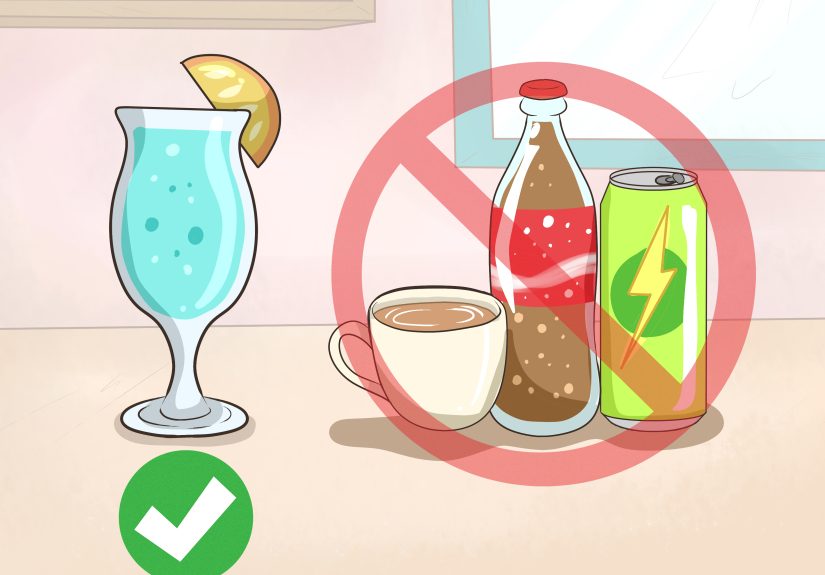
Grief burns calories. Feed your body, hydrate, sleep in regular windows if you can. If sleep is rough, try a wind-down routine (dim lights, warm shower, screens off) and limit caffeine after lunchtime.
Know when to bring in a pro
Reach out if you’re stuck in guilt/self-blame loops, avoiding reminders so intensely that life shrinks, feeling persistently numb or hopeless, or using alcohol/substances to get through most days. Therapists trained in grief, trauma-informed care, and PGD-focused treatments can tailor support.
How grief shows up across different kinds of loss
- Death of a loved one: Big anniversaries and ordinary Tuesdays can both sting. Expect ambushesscents, songs, street corners.
- Divorce/breakup: You’re grieving both the person and the future you planned. Boundaries and “grieving rituals” (returning items, redefining spaces) help.
- Health changes: Chronic illness or a life-altering diagnosis can trigger anticipatory grief. Gather information, build your support team, and plan for quality-of-life wins.
- Job loss or identity shifts: You’re not just losing tasksyou’re renegotiating who you are. Meaning reconstruction is central here.
- Ambiguous loss: When there’s no clear closure (estrangement, dementia, missing persons), ritual and community become extra important.
Frequently asked (and honest) questions
How long will this last?
Grief doesn’t run on a clock. In general, intensity lessens and your capacity grows over months. Waves still arriveoften on special dates or when life makes a sharp turnbut they become more survivable.
What if I don’t cry?
Then you don’t cry. Some people feel grief first in the body (tension, fatigue), in behavior (restlessness), or in thoughts (rumination). There’s no “correct” look for grief.
Is it okay to laugh?
Yes. Joy is not betrayal; it’s a sign your nervous system is finding pockets of safety again. Humor is a valid coping toolinvite it when it shows up.
Gentle scripts for tough moments
- When people say the wrong thing: “I appreciate you checking on me. I don’t have words today, but your presence helps.”
- When guilt barges in: “I made the best choices I could with what I knew then.”
- When a wave hits in public: “Body, you’re safe. Feet on floor, hand on heart. Breathe.”
Resources (U.S.)
- 988 Suicide & Crisis Lifeline: Dial/text 988 or chat at 988lifeline.org
- Grief groups & counseling: Local hospices, community health centers, faith communities, and national organizations often run free/low-cost programs.
Conclusion
Grief is love in motionmessy, stubborn, and strangely wise. The five stages can give words to the weather, but healing is more like a dance: some steps forward, some back, lots of pauses, and plenty of improvisation. Stay close to the people who help you breathe, keep a few small rituals, and let meaning grow slowly in the cracks. You’re not doing it wrong; you’re doing something profoundly human.
SEO Summary
sapo: Grief doesn’t follow neat steps. This in-depth guide explains the five classic stagesdenial, anger, bargaining, depression, acceptancewhile showing how modern grief science expands the picture with oscillation, continuing bonds, and meaning-making. You’ll learn the difference between grief and depression, what Prolonged Grief Disorder is, and practical strategies for coping day to day. Compassionate, clear, and usable, it’s a roadmap for understanding big feelings and finding steady ground again.
Experiences: 7 snapshots from the journey
1) The grocery-store ambush
Three weeks after the funeral, Jacob spots his dad’s favorite salsa on the top shelf. It’s a small, silly thingand he’s doubled over the cart, crying into a sleeve. A stranger taps his shoulder and says, “Same thing happened to me in the cereal aisle.” They laugh through tears for thirty seconds. Jacob buys the salsa. At home, he eats it with a spoon. The wave recedes.
2) The quiet car
Mina used to call her sister during commutes. Now the drive is a hollow tunnel. She fills it with a new ritual: voice-memo letters. Some are mundane (“I finally fixed the porch light”), some brave (“I’m mad you left me with the taxes”), some tender (“I wore your red scarf today”). The habit becomes a lifelinecontinuing bonds in practice. When the scar tightens, she presses record and breathes easier.
3) The paperwork mountain
After his spouse’s death, Chris faces a fortress of forms: pensions, insurance, titles. Every envelope whispers, “You’re alone now.” He texts a friend: “Bring a highlighter and snacks?” They set a timer for 20 minutes on, 10 off. Loss-oriented and restoration-oriented tasks alternate like windshield wiperstears, signatures, memories, phone calls. Two hours later, the mountain looks like hills.
4) The birthday problem
Jia’s mom loved carrot cake with way too much frosting. On the first birthday without her, Jia announces a “Frosting Party.” Friends show up with spoons and stories. They cry; they also argue about the best spice ratios. No one pretends the day is normal, but it’s not only pain either. Ritual turns a landmine into a gathering place.
5) The “if only” loop
“If only I’d told him to see the doctor sooner.” The sentence stalks Alejandra at 2 a.m. She writes it down as a script and answers it as a compassionate friend might: “You made the best call with the info you had.” She repeats the response out loud, once a night for a week. The loop still visits, but it has less power. The kindness-practice sticks around.
6) The first laugh
At the memorial, a toddler farts at precisely the most somber moment. Everyone gasps; then they melt into laughter. Later, someone says, “I feel guilty for laughing.” Another replies, “He would’ve loved that part.” Joy and sorrow can coexist without canceling each other out. That’s not disrespectit’s biology giving you a micro-vacation from pain so you can keep going.
7) The long tail
Two years after her best friend’s overdose, Kyra thinks she’s “past” ituntil a random barista song detonates a memory. She steps outside, breathes, and texts a group chat the friend created years ago: “Miss him today.” Hearts and stories flood back. The wave is still a wave, but she’s become a surferbetter balance, stronger legs, the right people on the shore. Grief didn’t vanish; it integrated. Her life expanded to hold it.
Wherever you are on this roadday one or year tenyour experience is valid. Keep people close, keep going gently, and let meaning grow on its own timeline.