Table of Contents >> Show >> Hide
- Meet the Sweetheart Hoya: The Heart Leaf That Launched a Thousand Gifts
- Why It Looks Too Perfect: The “One Leaf, One Heart” Illusion
- Hoya Kerrii Care: How to Keep Your Heart Plant Happy (Without Hovering)
- Light: Bright, Indirect Is the Sweet Spot
- Watering: The “Soil Is Dry, Then Water” Rule
- Soil: Drainage, Drainage, Drainage (Yes, Three Times)
- Pot: Always Use Drainage Holes
- Temperature and Humidity: Warm, Steady, and Not Freezing
- Fertilizer: Small Snacks, Not a Buffet
- Support and Training: Give It a Trellis (Eventually)
- Repotting: Rarely, and Only When It’s Ready
- Propagation: How to Make More Plant Hearts (The Legit Way)
- Blooming: Yes, It Can FlowerBut Patience Is Part of the Deal
- Troubleshooting: Common Problems and Quick Fixes
- Is Hoya Kerrii Safe for Pets?
- Styling Ideas: How to Show Off the Cutest Leaf in Your House
- Conclusion: Cute Is RealAnd So Is the Care
- of Real-World Experiences (What Owning This Plant Often Feels Like)
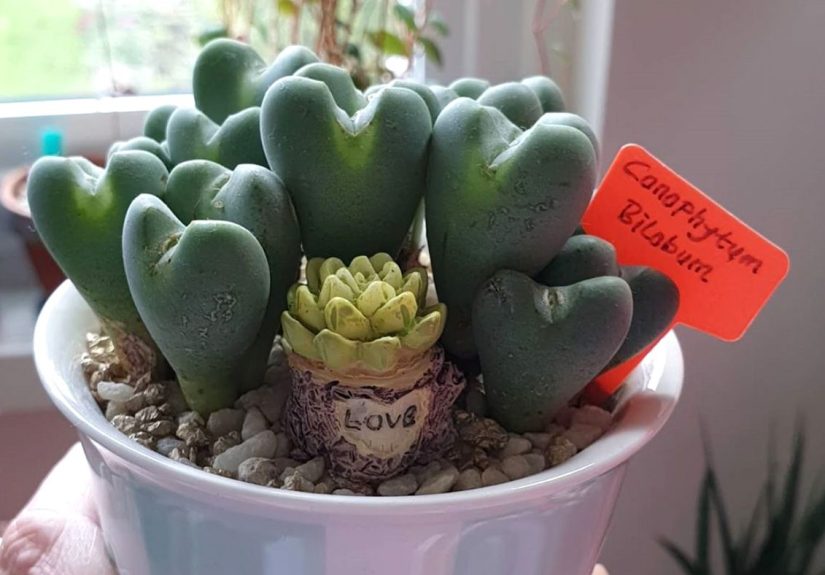
Some plants look like they were designed by a cartoon artist who got paid in glitter. Enter the heart-shaped “succulent” that keeps going viral: Hoya kerrii, also called the Sweetheart Hoya, wax hearts, or Valentine hoya. It’s the one that shows up around February looking like a single green heart stuck in a tiny potbasically the botanical equivalent of a love note you can’t accidentally leave on “read.”
But here’s the twist: this plant isn’t just cute. It’s also surprisingly tough, slow-growing, and full of houseplant plot twists (including the infamous “zombie leaf” situation). If you want a heart-shaped plant that thrives on a little neglect and rewards patience, you’re in the right place.
Meet the Sweetheart Hoya: The Heart Leaf That Launched a Thousand Gifts
Hoya kerrii is often marketed as a heart-shaped succulent because its leaves are thick and water-storing. Technically, it’s a vining hoya (often described as succulent-like) that can grow as a climber andwhen matureproduce clusters of waxy star-shaped blooms. Many hoyas are epiphytes in nature, meaning they often grow on other plants rather than in deep soil, which explains why they’re obsessed with drainage and allergic to soggy roots.
So why does it feel “rare”? A few reasons:
- It grows slowly, so nurseries can’t crank out big plants overnight.
- Variegated forms (those with creamy edges or marbling) grow even slower and can be pricier.
- It’s frequently sold as a novelty (especially as a single leaf), which creates demand spikes at certain times of year.
Why It Looks Too Perfect: The “One Leaf, One Heart” Illusion
The classic store version is a single heart-shaped leaf planted upright in soil. It’s adorable. It’s giftable. It’s photogenic. It’s also sometimes a little… misleading.
Here’s the deal: If that single leaf cutting doesn’t include a stem node (the growth point on the stem), it may never turn into a vining plant. It can still live for years as a single leafjust vibing, staying cute, and refusing to grow like a tiny green rebelbut it won’t produce new leaves or vines without the right plant tissue.
How to tell if yours can actually grow into a full plant
- Single-leaf “heart” in a pot: Often stays a single leaf unless a node is present.
- Small plant with multiple leaves and a bit of vine: Much more likely to grow, climb, and eventually bloom.
If you’re buying online or in-store and you want the “real deal” vining version, look for visible stem material and at least a couple of leaves connected to a vine segmentnot just a leaf stuck into soil.
Hoya Kerrii Care: How to Keep Your Heart Plant Happy (Without Hovering)
Think of this plant as a minimalist roommate. It wants good light, a breathable potting mix, and a watering schedule that doesn’t scream “stage-five clinger.” When cared for like a succulent-ish epiphyte, it’s famously low drama.
Light: Bright, Indirect Is the Sweet Spot
Bright, indirect light is ideal. A few feet back from a sunny window is often perfect. It can handle some gentle morning sun, but harsh direct afternoon sun can scorch the leaf surfaceespecially on variegated plants.
Real-life examples:
- East-facing window: Usually a home run.
- South-facing window: Works well if filtered by a sheer curtain or set back from the glass.
- Low light corner: The plant may survive, but growth can become even slower and blooming unlikely.
Watering: The “Soil Is Dry, Then Water” Rule
This is where most heartbreak happens. Overwatering is the #1 reason hoyas decline indoors. Let the potting mix dry out between waterings. In warmer months, that might mean watering roughly every couple of weeks depending on your home; in cooler months, stretching to every 3–4 weeks is common.
How to check properly: Stick a finger into the mixif the top inch or two feels dry, water. If it feels cool and moist, wait. If you’re the cautious type, use the “tap the pot” trick: dry soil in a clay pot often sounds more hollow than moist soil.
Soil: Drainage, Drainage, Drainage (Yes, Three Times)
Because many hoyas grow in airy conditions in nature, they do best in a fast-draining, chunky mix. Regular potting soil alone can hold too much moisture. A practical, beginner-friendly blend looks like this:
- 50% potting mix
- 25% orchid bark
- 25% perlite or pumice
The goal: moisture doesn’t linger around the roots like an awkward party guest who won’t take the hint.
Pot: Always Use Drainage Holes
Choose a pot with drainage holes. If your plant came in a decorative container with no hole, treat it like a “cachepot” and keep the plant in a nursery pot inside itthen dump any excess water after watering.
Temperature and Humidity: Warm, Steady, and Not Freezing
Hoya kerrii likes typical indoor temperatures and doesn’t appreciate cold drafts. Keep it away from frosty windows in winter and blasting AC vents in summer. If you put it outdoors, protect it from cold snaps and intense direct sun.
Humidity helps, but you don’t need a rainforest. If your home is very dry, a pebble tray or a small humidifier nearby can support better growth.
Fertilizer: Small Snacks, Not a Buffet
Feed lightly during spring and summer when the plant is actively growing. A balanced fertilizer at half strength monthly is plenty for many indoor setups. Skip feeding in winter when growth slowsyour plant is basically in “cozy mode,” not “gym transformation.”
Support and Training: Give It a Trellis (Eventually)
If you have a vining plant, a small hoop trellis or stake keeps growth tidy and encourages healthier structure. If you only have a single leaf, no worriessupport becomes relevant only when there’s vine to support.
Repotting: Rarely, and Only When It’s Ready
Hoyas often tolerate being slightly root-bound. Repot every couple of years mainly to refresh the soil (especially if it’s compacted), not necessarily to jump to a much bigger pot. When you do repot, go only 1–2 inches wider to avoid excess wet soil sitting around unused roots.
Propagation: How to Make More Plant Hearts (The Legit Way)
If you want a new plant that grows into a vine, you need a cutting with a node. The node is where roots and new growth originate. A single leaf without stem tissue may root and live, but it won’t reliably produce a full plant.
Simple propagation options
- Water propagation: Place a node-bearing cutting in water, keep it in bright indirect light, and pot it up once roots are established.
- Soil propagation: Root the cutting in an airy, well-draining mix and keep slightly moist (not wet) until roots form.
- Layering: Pin a vine’s node into soil while still attached to the mother plant; once rooted, cut and pot separately.
Blooming: Yes, It Can FlowerBut Patience Is Part of the Deal
A mature, healthy hoya can produce clusters of waxy blooms, but it may take a couple of years (or more) to reach blooming maturityespecially indoors. Consistent bright light, an appropriate pot size, and not overwatering are the usual “bloom résumé” requirements.
Important tip: When a hoya blooms, don’t remove the little spur/peduncle where flowers formmany hoyas rebloom from the same spot.
Troubleshooting: Common Problems and Quick Fixes
Yellowing leaf
- Most common cause: Overwatering or poor drainage.
- Fix: Let soil dry, improve mix, check for root rot, and ensure drainage holes are doing their job.
Wrinkled leaf
- Most common cause: Underwatering or roots not taking up water.
- Fix: Water thoroughly, then reassess frequency; confirm roots are healthy.
No growth for months
- Reality check: This plant is slow. Really slow.
- Fix: Increase light, keep warm, and don’t overwater. Growth often arrives on its own schedule.
Sticky residue
- Possible causes: Natural nectar from blooms (if flowering) or pests like mealybugs/scale.
- Fix: Inspect stems and leaf undersides; treat pests with alcohol swabs or insecticidal soap as needed.
Is Hoya Kerrii Safe for Pets?
According to the ASPCA, Sweetheart Hoya (Hoya kerrii) is listed as non-toxic to cats, dogs, and horses. That said, “non-toxic” doesn’t mean “snack-approved.” Pets that chew any plant may still get mild stomach upset, so it’s best to keep nibbling to a minimum.
Styling Ideas: How to Show Off the Cutest Leaf in Your House
- Desk plant with personality: A single heart leaf in a tiny pot is perfect for a workspacelow watering, high charm.
- Gift upgrade: Pair it with a small note: “Low maintenance, high commitment.”
- Minimalist shelf moment: Put it in a simple ceramic pot and let the leaf be the main character.
- Plant staircase: If you have a vining form, train it on a hoop trellis for a heart-themed sculpture vibe.
Conclusion: Cute Is RealAnd So Is the Care
The heart-shaped hoya isn’t a myth, a toy, or an AI-generated plant fantasy. It’s real, it’s resilient, and it’s a little quirkyin the best way. Give it bright light, fast drainage, and a watering schedule that respects its slow-and-steady personality. Whether you’re raising a single “heart leaf” or training a vining sweetheart up a trellis, Hoya kerrii is proof that houseplants can be both charming and surprisingly practical.
of Real-World Experiences (What Owning This Plant Often Feels Like)
Owning a heart-shaped hoya is a lot like adopting a tiny green introvert: it’s not going to perform tricks on day one, but it will quietly become part of your daily life in a way that sneaks up on you.
The first experience most people have is the “Is it even alive?” phase. You bring home a single leaf in a pot (usually near Valentine’s Day), set it on your desk, and spend the next few weeks staring at it like it owes you a progress report. It doesn’t grow. It doesn’t change. It just sits there, looking adorable and slightly smug. Then, one day, you notice the leaf is still firm and glossyand you realize that survival is, in fact, a form of success. For busy people, students, and anyone who forgets watering schedules, that’s oddly comforting.
Then comes the “I watered it because I love it” mistake. New plant parents often treat affection like a fertilizer: more attention, more water, more everything. But the sweetheart hoya teaches a different lesson. When you water too often, it may respond with a yellowing leaf or a sulky pause in growth. The experience becomes a gentle nudge toward better habits: checking the soil first, choosing drainage over decoration, and letting the plant tell you what it needs instead of guessing.
If you’re lucky enough to own a vining plant, the experience turns into a slow-burn story. You might wait months for a new leaf, then suddenly see a tiny nub of growth appear near a node. That moment feels disproportionally excitinglike your plant just texted you back after a long silence. Over time, you learn to celebrate small wins: a new leaf, a longer vine, a healthier color, fewer wrinkles. It’s a plant that makes patience feel rewarding instead of boring.
And yes, there’s the “zombie leaf” reality too. Some single-leaf plants remain single leaves for years. People often describe them as living décorstill alive, still cute, just not interested in becoming a full vine. That can be frustrating if you expected a climbing plant, but it can also be oddly charming. Not every plant needs to become a jungle. Sometimes it’s okay to have a tiny green heart that simply exists and looks like a Valentine forever.
In the end, the most common experience is this: you stop trying to force it, you learn its rhythm, and it becomes one of the easiest plants you ownquiet, cute, and perfectly content being a little weird.