Table of Contents >> Show >> Hide
- Why the microbiome matters in IBD
- The best microbiome-friendly foods to prioritize with IBD
- Foods that may work against your microbiome or trigger symptoms
- How to eat for your microbiome during an IBD flare
- A simple day of microbiome-friendly eating with IBD
- What people often experience when they start eating this way
- Final thoughts
- SEO Tags
If you have IBD, you already know your digestive system can behave like a very dramatic group chat: one questionable snack enters the conversation, and suddenly everyone is overreacting. Crohn’s disease and ulcerative colitis are complex inflammatory conditions, and food does not “cause” them in the simple way a bad burrito causes regret. But food can absolutely affect symptoms, comfort, and the environment inside your gut. That environment includes your microbiome, the enormous community of bacteria and other microbes living in your digestive tract.
When your microbiome is better supported, your gut may be more likely to produce helpful compounds, maintain a stronger barrier, and stay a little less chaotic. That does not mean food replaces medication. It means the right foods can work with your treatment plan instead of picking a fight with it. And for many people with IBD, that can mean fewer symptom-triggering meals, better energy, and a much happier relationship with dinner.
The trick is to think less like a food police officer and more like a microbiome gardener. Your goal is not perfection. Your goal is to feed helpful microbes, reduce dietary patterns linked with inflammation, and choose textures your gut can actually tolerate. Sometimes that means a colorful grain bowl. Sometimes it means mashed sweet potatoes and a banana because your colon has requested a quiet evening. Both can be smart choices.
Why the microbiome matters in IBD
The microbiome helps break down food, influences immune activity, and affects how the gut lining behaves. In IBD, researchers consistently see a disrupted microbial balance, often called dysbiosis. In plain English, that means the gut ecosystem looks less diverse and less stable than it should. Scientists are still sorting out whether microbiome changes are the cause, the effect, or part of an unhelpful feedback loop, but the connection is strong enough that diet has become a major focus in IBD care.
Here is the important part: your microbiome responds to what you eat. Diets built around heavily processed foods, excess saturated fat, refined sugar, and lots of red or processed meat are often associated with a less favorable gut environment. On the other hand, eating patterns centered on fruits, vegetables, whole or minimally processed foods, olive oil, seafood, and fiber-rich foods tend to support a more diverse microbiome. For people with IBD, the best version of that idea is usually personalized. A raw kale mountain may sound healthy on paper, but during a flare it can feel like you swallowed a Brillo pad. Context matters.
The best microbiome-friendly foods to prioritize with IBD
1. Soluble-fiber foods that are gentle on the gut
Not all fiber behaves the same way. Soluble fiber absorbs water and forms a softer, gel-like texture in the digestive tract. That can make it easier to tolerate than rougher insoluble fiber, especially when urgency and diarrhea are part of the picture. Soluble fiber also acts as a kind of prebiotic food for beneficial gut bacteria.
Good starting choices include oatmeal, bananas, applesauce, peeled ripe pears, avocado, and soft sweet potatoes. These foods are often gentler than raw salads or bran-heavy cereals, and they can help support a more balanced microbiome without turning breakfast into an endurance sport. Oats are especially useful because they bring beta-glucan, a fermentable fiber your gut bacteria can use. Bananas are another IBD favorite because they are bland, portable, and usually less likely to start drama than a plate of raw broccoli.
If you are reintroducing fiber after a rough stretch, start small. Half a bowl of oatmeal is a strategy. A giant “healthy” fiber bomb smoothie with flax, chia, kale, frozen berries, almond skins, and heroic optimism is not.
2. Soft-cooked vegetables and blended fruits
People with IBD are often told to eat more produce, then immediately discover that their gut did not receive the memo. The solution is often not avoiding produce forever. It is changing the texture. Peeled, steamed, roasted, pureed, or blended fruits and vegetables can be much easier to handle than raw, fibrous versions.
Great options include fork-tender carrots, squash, green beans, peeled potatoes, cooked beets, pumpkin, ripe melon, papaya, applesauce, and blended fruit smoothies that are not overloaded with seeds and skins. If your symptoms are active, think “soft enough to mash with a fork” as a useful rule of thumb. Soup, purees, mashed vegetables, and smoothies can help you get plant nutrients and microbiome-supporting compounds without making your intestine do CrossFit.
This is especially important because fruits and vegetables can help promote the growth of less inflammatory microbial species when they are tolerated. So if raw produce feels impossible, do not assume the category is banned. Often the issue is form, not food.
3. Omega-3-rich foods
Fatty fish deserves a standing ovation here. Salmon, sardines, trout, herring, and mackerel provide omega-3 fatty acids, which are linked with anti-inflammatory effects and may also influence the gut microbiome in helpful ways. For people with IBD, that makes fish one of the most practical “target your microbiome” foods on the menu.
If fish is not your thing, or your budget says “nice try,” other options include flaxseed oil, chia seeds, and walnut butter. Just be honest about what your gut can handle. Ground chia in a smoothie may go better than a bowl of seedy pudding. Walnut butter may sit more kindly than a handful of whole nuts during a sensitive period.
4. Fermented foods, but with realistic expectations
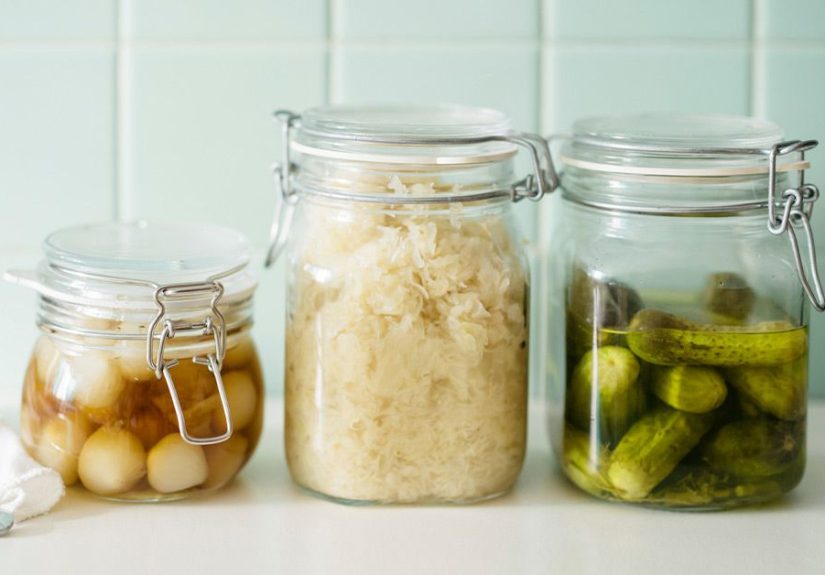
Fermented foods get a lot of hype, and some of it is deserved. Yogurt with live and active cultures, kefir, miso, tempeh, sauerkraut, kimchi, and some pickled foods can introduce beneficial microbes or helpful fermentation byproducts. That can support microbial diversity and digestion.
But let us keep one foot on the ground. Fermented foods are not magic, and they are not equally tolerated. In IBD, evidence on probiotics and probiotic-rich foods is mixed. Some people with ulcerative colitis or pouchitis may benefit more than people with Crohn’s disease. Some people feel better with yogurt or kefir. Others try kombucha and immediately regret their ambition. The wise move is to start with small, lower-risk options such as plain yogurt or kefir if dairy is tolerated, or mild miso and tempeh if you prefer nondairy choices.
Also, remember that not every fermented food still contains live microbes by the time you eat it. Some are pasteurized or shelf-stable in ways that reduce probiotic content. So if your goal is microbiome support, labels matter.
5. Resistant starches and cooked-then-cooled carbs
This category is underappreciated and kind of brilliant. When foods like potatoes, rice, and oats are cooked and then cooled, some of their starch becomes resistant starch. That means it is less readily digested in the small intestine and more available for gut microbes farther down the line. Those microbes can then produce short-chain fatty acids, including butyrate, which is often described as a favorite fuel source for colon cells.
Practical examples include cooled oatmeal, potato salad made simply and gently, rice that has been cooked and cooled before reheating, and chilled sweet potatoes worked into a tolerable meal. If cold foods are not appealing, reheating is fine. The starch structure still changes enough to be useful. For many people with IBD, this can be a sneaky-smart way to support the microbiome without forcing down foods that feel too rough.
6. Olive oil and other less-inflammatory fats
Fat is not the enemy. The type of fat matters. Olive oil fits well into Mediterranean-style eating patterns that are often associated with better gut and inflammatory outcomes. It is flavorful, practical, and far less likely to start a rebellion than a deep-fried mystery basket. Avocado can also be useful when tolerated, especially if weight maintenance is a concern.
Meanwhile, diets built around large amounts of fried foods, greasy takeout, and heavy saturated fats may aggravate symptoms in some people and may also work against a healthier microbial balance. Your gut usually knows the difference between “drizzled with olive oil” and “submerged in fryer oil and life choices.”
7. Lean, easy-to-digest proteins
Protein matters because IBD can make it harder to maintain weight and muscle, especially during flares. Lean poultry, eggs, tofu, soft fish, smooth nut butters, and lactose-free or tolerated dairy foods can help you meet protein needs without overloading the gut. Red and processed meats are worth limiting, especially if they show up alongside lots of additives, grease, and refined carbs.
Think simple: scrambled eggs, baked salmon, turkey meatballs, tofu soup, or Greek yogurt if tolerated. Your microbiome may enjoy more plants, but your body still needs enough protein to repair and recover.
Foods that may work against your microbiome or trigger symptoms
There is no universal blacklist, but some patterns are worth watching closely. Ultra-processed foods, heavily fried meals, added sugars, processed meats, excess alcohol, and large amounts of saturated fat are common troublemakers. Some people also react to caffeine, carbonation, lactose, spicy foods, or large servings of raw vegetables.
This does not mean you must swear eternal loyalty to boiled chicken and beige carbs. It means you should be strategic. A food diary can help you spot personal triggers. If dairy worsens bloating and diarrhea, you may be dealing with lactose intolerance rather than “IBD hates all dairy forever.” If raw salads feel awful but blended soups go well, that is a texture clue. If you have a known stricture, bulky insoluble fiber may be particularly risky and should be discussed with your care team.
How to eat for your microbiome during an IBD flare
During a flare, symptom relief often becomes the immediate goal. This is when even very healthy foods may need a temporary makeover. Instead of pushing rough fiber, focus on soft textures, smaller meals, hydration, and foods you already know are reasonably safe for you.
Good flare-friendly approaches include oatmeal instead of bran cereal, applesauce instead of raw apples, smooth nut butter instead of whole nuts, peeled or mashed potatoes instead of potato skins, and pureed vegetable soups instead of giant salads. You are not “failing” at healthy eating by doing this. You are adjusting the delivery system so your gut has less work to do.
As symptoms settle, slowly expand variety. That is when the microbiome-supporting part of the plan can grow again: more cooked vegetables, more tolerated fruits, more legumes if you do well with them, and a wider range of plant foods over time. The word here is slowly. Your gut likes confidence, not chaos.
A simple day of microbiome-friendly eating with IBD
Breakfast: Oatmeal cooked until soft, topped with sliced banana and a spoonful of walnut butter.
Snack: Plain yogurt or kefir with a few soft berries, if tolerated.
Lunch: Baked salmon, reheated rice, and well-cooked carrots with olive oil.
Snack: Applesauce and a rice cake with smooth peanut butter.
Dinner: Turkey meatballs, mashed sweet potatoes, and pureed squash soup.
Optional add-on: A small serving of miso soup or a little sauerkraut only if fermented foods have gone well for you before.
This is not the only correct menu. It is simply an example of how microbiome support and symptom management can live on the same plate without requiring you to chew raw cabbage through tears.
What people often experience when they start eating this way
One of the most common experiences people describe is surprise. They expect the answer to be a dramatic elimination diet with twenty-seven forbidden foods and a level of discipline normally reserved for Olympic training. Instead, they often discover that the biggest changes are more practical than extreme. Texture matters. Portion size matters. Timing matters. And the difference between “healthy for someone” and “tolerable for me right now” matters a lot.
For example, many people with IBD realize they do not actually need to give up fruits and vegetables altogether. They just need to stop eating them in their toughest form. A raw kale salad with sunflower seeds may be a disaster, while blended squash soup or steamed carrots goes down peacefully. That shift alone can feel like getting part of life back. Food becomes less frightening when it stops feeling like a minefield and starts feeling like a puzzle you can actually solve.
Another common experience is that a gentler, more microbiome-aware way of eating improves consistency rather than creating overnight miracles. A person might not wake up after two bowls of oatmeal and declare, “I have achieved intestinal enlightenment.” What often happens instead is more subtle. There may be fewer days with urgent bathroom sprints. Less bloating after meals. Better energy in the afternoon. More confidence leaving the house. These changes can feel small on paper and huge in real life.
People also learn that fermented foods are not one-size-fits-all heroes. Some do well with yogurt or kefir and notice smoother digestion. Others find that kombucha, spicy kimchi, or large servings of sauerkraut are simply too much. That does not mean the microbiome idea is wrong. It means the gut is personal. A food can be biologically interesting and still be a terrible date for your digestive system.
There is often an emotional side to this process too. Many people with IBD get tired of being told to “just eat healthy,” as if that were simple. They know that on some days a banana is a victory, not a compromise. When they begin working with their body instead of against it, eating can feel less like a morality test and more like self-respect. Choosing soft oatmeal over a high-fiber cereal is not boring. It is smart. Reheating rice and pairing it with salmon is not glamorous, but it may help someone feel steady enough to work, travel, or sleep through the night. That counts.
Over time, experience teaches patience. A symptom flare after one meal does not always mean that food is permanently banned. Sometimes the gut is already irritated, stressed, under-medicated, or recovering from antibiotics. Many people find they can reintroduce foods later in a different form and do just fine. That is why the most successful long-term eaters with IBD tend to be flexible, observant, and a little humble. They keep notes. They change texture before they change hope. They build variety slowly. And they stop expecting one miracle food to save the day, because real progress usually looks more like a series of decent meals that their gut does not hate.
Final thoughts
If you want to help IBD symptoms by targeting your microbiome, the smartest move is not chasing trendy superfoods. It is building a diet that is less processed, more diverse, and tailored to what your gut can tolerate right now. Start with gentle soluble-fiber foods, soft-cooked produce, omega-3-rich fish, tolerated fermented foods, resistant starches, olive oil, and simple proteins. Reduce the ultra-processed, greasy, and personally triggering foods that leave your gut muttering dark threats.
Most of all, remember this: the best IBD diet is rarely the most dramatic one. It is the one you can tolerate, repeat, and adjust over time. Support your microbes, respect your symptoms, and let your meals work as part of the care team. Your colon may never send a thank-you card, but it might finally stop sending emergency alerts.