Table of Contents >> Show >> Hide
- Guinea corn vs. sorghum: Are we talking about the same thing?
- Sorghum nutrition snapshot (so you know what you’re getting)
- Benefit #1: Fiber that actually does things (gut, heart, and “snack control”)
- Benefit #2: Steadier energy and blood sugar support (no dramatic spikes)
- Benefit #3: Plant protein that helps meals feel complete
- Benefit #4: Mineral support (bones, muscles, nerves, and the “basic human operations” department)
- Benefit #5: B vitamins for “turning food into energy” (aka metabolism’s behind-the-scenes crew)
- Benefit #6: Antioxidants and phytochemicals (especially in darker sorghum)
- Benefit #7: Naturally gluten-free (with a big asterisk: cross-contact)
- Benefit #8: A sustainability bonus (nutrition that’s easier on the planet)
- How to eat sorghum without getting bored (or overwhelmed)
- Don’t get tricked by “sorghum” on a label
- Potential downsides (and how to handle them like a pro)
- Conclusion: Why sorghum deserves a spot in your pantry
- Real-Life Experiences With Sorghum (500+ Words of “What It’s Actually Like”)
Guinea corn (better known in the U.S. as sorghum) is the kind of grain that looks humble, cooks chewy, and quietly
shows up with a résumé packed with fiber, minerals, and plant compounds. It’s also naturally gluten-free, drought-tough, and versatile enough
to go from “grain bowl hero” to “popcorn’s wholesome cousin” without breaking a sweat.
In this guide, we’ll dig into the nutritional benefits of sorghum, what the science actually suggests, and how to eat it in real life
(without feeling like you’ve joined a niche grain cult). Spoiler: you can keep your personality and still enjoy sorghum.
Guinea corn vs. sorghum: Are we talking about the same thing?
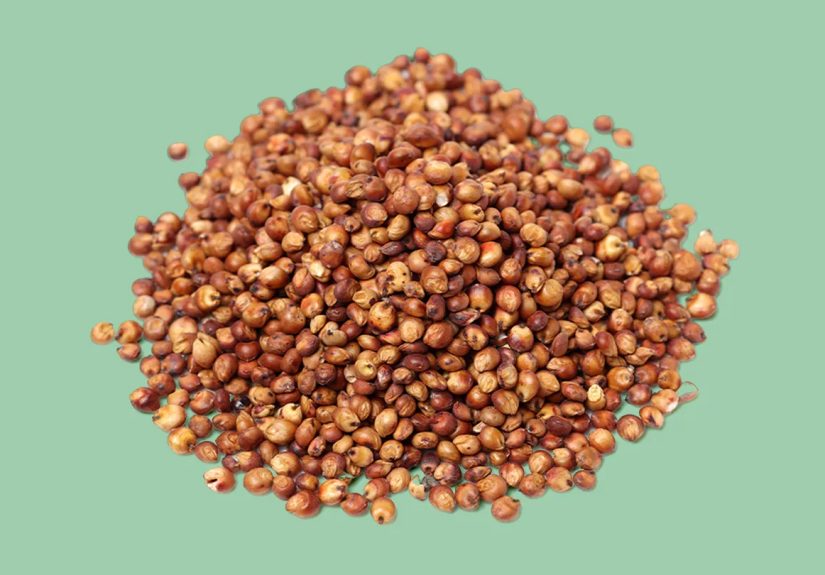
Yep. “Guinea corn” is a common name used in parts of West Africa for sorghum, a cereal grain from the species Sorghum bicolor.
In the U.S., you’ll usually see it labeled as sorghumsold as whole grain, flour, flakes, or popped kernels.
It’s also used in some syrups and packaged foods (more on that later).
Sorghum nutrition snapshot (so you know what you’re getting)
Sorghum is a whole grain, which means it can deliver a mix of complex carbohydrates, fiber, plant protein, and micronutrients.
Like other grains, the exact numbers depend on the form (whole grain vs. flour, cooked vs. dry).
If you’ve ever compared “uncooked rice nutrition” to “cooked rice nutrition,” you already understand the plot twist: water changes everything.
What it’s known for nutritionally
- Fiber (both soluble and insoluble), which supports digestion and satiety
- Plant protein, helpful for rounding out meals
- B vitamins, involved in converting food into usable energy
- Minerals like magnesium, phosphorus, potassium, iron, and zinc
- Antioxidant-rich plant compounds (especially in darker-colored varieties)
Benefit #1: Fiber that actually does things (gut, heart, and “snack control”)
Sorghum’s fiber is one of its biggest nutritional flexes. And fiber isn’t just about “bathroom regularity” (though yes, it helps there).
It supports multiple systemsespecially when you’re choosing whole grains more often than refined grains.
How sorghum’s fiber can help
- Digestive support: Insoluble fiber adds bulk and helps keep things moving, while other fibers can help feed beneficial gut microbes.
- Cholesterol-friendly eating pattern: Diets higher in fiberespecially from whole grainsare associated with better blood lipid profiles and heart health outcomes.
- Fullness and weight support: Fiber can help you feel full longer, which can make it easier to stop “accidentally” eating half a bag of chips at 9:47 p.m.
Translation: building meals around whole grains like sorghum can support a healthier overall dietary patternparticularly when it replaces refined grains
(think: swapping a white-flour side for a chewy whole-grain base).
Benefit #2: Steadier energy and blood sugar support (no dramatic spikes)
Carbs aren’t the villainunpredictable carbs are. Sorghum is a complex carbohydrate, and whole grains generally digest more slowly than refined grains
thanks to their intact structure and fiber.
Why that matters
- More gradual digestion: Slower digestion can mean a gentler rise in blood sugar compared to highly refined grain products.
- Helpful for balanced meals: Pairing sorghum with protein and fat (like chicken + olive oil, or beans + avocado) can support steadier post-meal energy.
- Potential role of resistant starch: Some sorghum foods contain starch that resists digestion and can act more like fiber in the gutuseful for glycemic response and microbiome support.
Important nuance: “blood sugar-friendly” doesn’t mean “eat infinite bowls.” Portion size, preparation, and what you eat with it still matter.
But sorghum can be a smart choice in a whole-foods-forward routine.
Benefit #3: Plant protein that helps meals feel complete
Sorghum isn’t a protein supplement, but it’s not nutritionally “empty carbs,” either. It contributes meaningful plant proteinespecially useful if you’re building
more plant-forward meals or simply trying to get beyond the “salad = sadness” era.
Easy ways to leverage sorghum’s protein
- Grain + legumes: Sorghum with lentils, chickpeas, or black beans makes a more protein-rich, satisfying bowl.
- Breakfast upgrade: Cooked sorghum porridge with Greek yogurt or nut butter boosts protein and staying power.
- Better baking combos: Sorghum flour mixed with other gluten-free flours can add structure and a mild, wheat-like flavor.
Think of sorghum as the “supporting actor” protein: not the star, but it makes the whole cast stronger.
Benefit #4: Mineral support (bones, muscles, nerves, and the “basic human operations” department)
Sorghum contains several minerals people often under-consume, especially if their diet leans heavily toward refined grains or ultra-processed snacks.
Minerals don’t get the hype of protein powders, but they do a lot of unglamorous, essential work.
Notable minerals in sorghum
- Magnesium: Supports muscle and nerve function and participates in hundreds of enzymatic reactions.
- Phosphorus: Important for bones, teeth, and cellular energy (ATP).
- Potassium: Helps with fluid balance and healthy blood pressure patterns.
- Iron: Supports oxygen transport in the bloodespecially relevant for menstruating people and those who eat less red meat.
- Zinc: Supports immune function and wound healing.
Practical example: If your lunch is a sorghum bowl with roasted veggies, olive oil, and beans, you’re stacking fiber + minerals + plant compounds in one go.
That’s the kind of meal your future self high-fives you for.
Benefit #5: B vitamins for “turning food into energy” (aka metabolism’s behind-the-scenes crew)
Sorghum provides B vitamins that play roles in energy metabolismhelping your body convert carbohydrates, fats, and proteins into fuel.
These vitamins are water-soluble, meaning your body doesn’t store large amounts of many of them, so regular intake matters.
No, B vitamins won’t make you feel like you drank a rocket smoothie. But they’re foundational for normal function, and whole grains are a common way people get them.
Benefit #6: Antioxidants and phytochemicals (especially in darker sorghum)
Here’s where sorghum gets interesting: it’s known for a diverse set of phytochemicalssuch as phenolic acids, flavonoids, anthocyanins, and tannins
which can contribute antioxidant activity. Some sorghum varieties (often red, brown, or black) contain higher levels of these compounds than lighter varieties.
What that means in real terms
- Oxidative stress support: Antioxidants help counter oxidative processes in the body (one piece of the chronic disease puzzle).
- Food-first strategy: Getting antioxidants through whole foods often comes bundled with fiber and nutrientsunlike many “miracle antioxidant” supplements.
- Variety matters: Different colors and forms of sorghum can vary in phytochemical content, so rotating types can be helpful.
Responsible takeaway: The research is promising, but it’s not a license to claim sorghum “prevents cancer” or “detoxes your mitochondria.”
It’s one more nutrient-dense tool in a pattern of eating that supports long-term health.
Benefit #7: Naturally gluten-free (with a big asterisk: cross-contact)
Sorghum is naturally gluten-free, which makes it valuable for people with celiac disease or non-celiac gluten sensitivity.
That said, gluten-free safety also depends on processing and packaging.
Gluten-free best practices
- Look for “certified gluten-free” if you need strict avoidance.
- Avoid bulk bins where scoops and bins can cross-contact with wheat-containing foods.
- Check flour blendssome blends include wheat starch or are processed on shared equipment.
If you don’t require gluten-free eating, sorghum is still a great way to diversify grains and reduce “wheat-everything fatigue.”
Benefit #8: A sustainability bonus (nutrition that’s easier on the planet)
Sorghum is widely recognized as a drought- and heat-tolerant crop. From a food-system perspective, that matters:
resilient crops can be part of building more stable, climate-adaptive agriculture.
You don’t have to eat sorghum solely to “save the planet,” but it’s nice when your dinner has both fiber and resilience.
How to eat sorghum without getting bored (or overwhelmed)
Sorghum has a mild, slightly nutty flavor and a pleasantly chewy texture. Think “somewhere between brown rice and barley,” but gluten-free and a little more adventurous.
Simple ways to use whole-grain sorghum
- Grain bowls: Sorghum + roasted vegetables + feta (or tofu) + lemony dressing.
- Soup booster: Stir cooked sorghum into chili or vegetable soup for a hearty upgrade.
- Breakfast porridge: Cook until tender; add cinnamon, berries, and yogurt.
- “Pop” it: Popped sorghum is like mini popcorngreat with seasoning blends.
Sorghum flour ideas
- Pancakes and muffins: Combine with other gluten-free flours for structure and tenderness.
- Crackers and flatbreads: Works well in savory applications.
- Thickening: Some people use it to thicken soups or sauces, depending on the blend.
Don’t get tricked by “sorghum” on a label
Not all sorghum products are nutritionally equal. Whole-grain sorghum and minimally processed sorghum flour are the main attraction.
But “sorghum syrup” is still a sweetenertasty, yes, but it behaves like other added sugars in the body when used heavily.
If your goal is better nutrition, prioritize whole grain sorghum and whole-grain sorghum flour in less-processed foods.
Potential downsides (and how to handle them like a pro)
1) Antinutrients: the phytate/tannin plot twist
Like many plant foods, sorghum can contain compounds (such as phytates and tannins) that may reduce absorption of some minerals.
The good news: common preparation methodssoaking, fermenting, sprouting, and cookingcan reduce these effects.
2) Fiber adjustment period
If your current diet is low in fiber, jumping straight to “two giant sorghum bowls a day” may lead to… let’s call it unexpected digestive enthusiasm.
Start with moderate portions, drink water, and build up gradually.
3) Texture expectations
Sorghum is chewy. If you expect fluffy white rice vibes, you may feel betrayed. If you expect hearty whole-grain vibes, you’ll be delighted.
Season well, use sauces, and let it shine in bowls and soups where chew is a feature, not a bug.
Conclusion: Why sorghum deserves a spot in your pantry
Guinea corn (sorghum) offers a rare combo: fiber + minerals + plant protein + antioxidant compounds in a naturally gluten-free whole grain.
It fits into heart-smart eating patterns, supports digestive health, can help with fullness, and adds variety to grain-based meals without being fussy.
If you want one practical takeaway: use sorghum as a “base grain” the way you’d use brown rice or quinoa, then build meals with vegetables,
protein, and healthy fats. That’s where the nutritional benefits really compound.
Real-Life Experiences With Sorghum (500+ Words of “What It’s Actually Like”)
Let’s talk about the part nutrition labels never mention: the lived experience of eating sorghum in a normal human schedule that includes meetings,
errands, and the occasional “I forgot lunch exists until 3 p.m.” moment.
The first cook: “Why is it taking so long?”
Most people’s first experience with whole-grain sorghum is realizing it’s not an instant grain. It takes time to get tender, and it stays pleasantly chewy
even when fully cooked. The key is to treat it like a meal-prep staple. Cook a batch once, then use it all week. When it’s already in the fridge,
it goes from “ancient grain project” to “Tuesday lunch.”
The grain-bowl era: where sorghum shines
In bowls, sorghum is a star because it holds up. It doesn’t collapse into mush when you add dressing. It doesn’t get sad and watery after a night in the fridge.
It keeps a toothsome bite that makes leftovers feel intentional. People often notice they stay full longer when the base is a hearty whole grain plus fiber-rich toppings
like beans, roasted vegetables, and a little fat (olive oil, tahini, avocado). It’s the difference between “I ate lunch” and “I ate lunch and now I’m good until dinner.”
The snack surprise: popped sorghum
If you’ve never tried popped sorghum, imagine popcornbut smaller, crunchier, and less likely to stab your gums with a rogue hull.
It’s one of those foods that makes people say, “Wait, this is sorghum?” because it feels more like a fun snack than a nutrition strategy.
The real win is seasoning: smoky spices, nutritional yeast, cinnamon, or a light drizzle of honey. You get a crunchy snack that’s still rooted in a whole grain.
Gluten-free baking reality check (and a win)
Sorghum flour is popular in gluten-free baking because it has a mild flavor that doesn’t scream “alternative flour.”
The experience many home bakers report is that sorghum flour works best in blends rather than solo. Pair it with starches or other GF flours for better lift and tenderness,
and use binders (like eggs, psyllium, or xanthan gum) when needed. The payoff is baked goods that taste closer to classic wheat-based versionsespecially pancakes,
muffins, and quick breadswithout the gritty aftertaste that some GF flours can bring.
The “I’m trying to eat healthier” moment
One of the most common real-world benefits people notice isn’t dramaticit’s steady. When sorghum replaces refined grains a few times a week,
meals tend to have more fiber and a more satisfying texture. That makes it easier to stick with nutrient-dense eating without feeling deprived.
It’s not “diet food.” It’s “this meal has structure and keeps me going” food.
Bottom line: sorghum’s best experience is the one where it becomes easybatch-cooked, tossed into bowls and soups, occasionally popped for snacks,
and used as a quiet upgrade to your normal routine. That’s how the nutrition benefits actually show up in real life: repeatedly, not perfectly.