Table of Contents >> Show >> Hide
- What Makes a Great Tuna Noodle Casserole?
- Classic Tuna Noodle Casserole Recipe (Creamy + Crunchy)
- Flavor Upgrades (Still Easy, Just Slightly More Impressive)
- Common Mistakes and How to Fix Them
- Variations for Different Diets and Moods
- Make-Ahead, Storage, and Reheating
- Serving Ideas (So It Feels Like a Real Meal)
- Conclusion
- Experiences and Real-Life Moments with Tuna Noodle Casserole (Extra)
- SEO Tags
Tuna noodle casserole is proof that comfort food doesn’t need a trust fund. It’s cozy, creamy, and reliably shows up
when your pantry looks like a sad indie film. The best part? You can make it “classic cafeteria nostalgia” or “I
actually chopped an onion, please applaud,” and it still tastes like a warm blanket with a crunchy topping.
Below is an in-depth, foolproof tuna noodle casserole recipe with smart options (canned soup shortcut and
from-scratch upgrades), plus troubleshooting, make-ahead tips, and variations for picky eaters and adventurous
eaters alike. If you’re feeding a family, meal-prepping, or bribing your future self with leftoversthis one’s got you.
What Makes a Great Tuna Noodle Casserole?
A truly great tuna noodle casserole walks a tightrope: tender noodles (not mush), a sauce that’s creamy (not gluey),
tuna that tastes savory (not fishy), and a topping that crunches (not sogs). That’s basically the casserole
equivalent of balancing a spoon on your nose while wearing oven mittspossible, if you know a few tricks.
The “Creamy Without Regret” Principles
- Cook noodles just to al dente: they keep cooking in the oven.
- Don’t skimp on sauce: dry casserole is the #1 heartbreak in this genre.
- Use a crunchy topping: breadcrumbs, panko, crushed chips, or fried onionschoose your fighter.
- Add a little brightness: a squeeze of lemon or a pinch of mustard powder helps “wake up” the flavors.
Classic Tuna Noodle Casserole Recipe (Creamy + Crunchy)
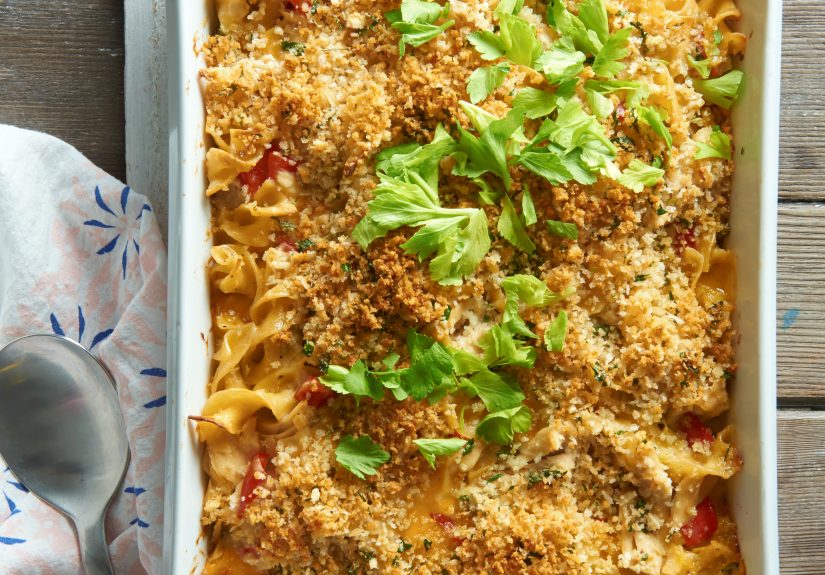
This version nails the nostalgic flavor profilecreamy sauce, peas, tuna, and a buttery crumb toppingwhile still
tasting like you cooked on purpose.
Ingredients (Serves 6–8)
- Egg noodles: 12 oz wide egg noodles
- Tuna: 2 cans (5–6 oz each) tuna in water, drained well and flaked
- Frozen peas: 1 to 1 1/2 cups (no need to thaw)
- Creamy base (choose one):
- Shortcut: 1 can (10.5 oz) condensed cream of mushroom soup + 1/2 cup milk
- Richer shortcut: cream of mushroom soup + 1/3 cup milk + 1/2 cup sour cream
- Cheese (optional but beloved): 1 1/2 cups shredded cheddar, divided
- Flavor boosters: 1/2 tsp garlic powder, 1/2 tsp onion powder, black pepper to taste
- Optional classic add-ins: 2 Tbsp chopped pimientos, 1/2 cup sautéed onions/celery, 1/2 tsp dried thyme
- Topping: 1/2 cup breadcrumbs or panko + 2 Tbsp melted butter
- Optional topping glow-up: 2–3 Tbsp grated Parmesan, or a handful of crushed potato chips
Equipment
- 9×13-inch baking dish (or similar 3-quart casserole dish)
- Large pot for noodles
- Mixing bowl
Step-by-Step Instructions
- Heat the oven: Preheat to 350°F. Lightly grease your baking dish.
- Cook the noodles: Boil egg noodles in salted water until just al dente.
Drain well. (If you’re a “save the pasta water” person, keep 1/2 cupfuture you might high-five you.) - Mix the sauce: In a large bowl, stir together the condensed soup and milk (and sour cream if using).
Add garlic powder, onion powder, and a few grinds of pepper. - Build the casserole: Add cooked noodles, tuna, peas, and 1 cup of cheddar (if using).
Mix gently so the noodles don’t break into emotional fragments.
If it looks dry, splash in 2–4 Tbsp reserved pasta water or a bit more milk. - Top it: Spread mixture into the baking dish. Sprinkle remaining cheddar over the top (optional).
Toss breadcrumbs/panko with melted butter (and Parmesan if using) and scatter evenly. - Bake: Bake for 25–30 minutes, until bubbly around the edges and golden on top.
Rest 5–10 minutes before serving so it sets instead of sliding around like a lasagna impersonator.
Flavor Upgrades (Still Easy, Just Slightly More Impressive)
1) The “From Scratch” Creamy Sauce Option
If you want the same comfort with a fresher taste, swap the canned soup for a quick stovetop sauce. This is also
the move if someone in your house has declared mushrooms “the enemy.”
Quick Homemade Sauce (Replace the Soup + Milk)
- 3 Tbsp butter
- 3 Tbsp flour
- 2 1/2 cups milk
- 1/2 tsp salt + pepper
- Optional: 1/2 tsp dried thyme, a pinch of Dijon or mustard powder
- Optional: 1 cup sautéed mushrooms + onion/celery (adds serious casserole credibility)
- Melt butter, whisk in flour, cook 1 minute.
- Slowly whisk in milk; simmer until thickened (3–5 minutes).
- Season, then mix with noodles, tuna, peas, and cheese as directed above.
2) Brighten the Whole Thing in 10 Seconds
- 1–2 tsp lemon juice (or a squeeze at the table)
- 1 tsp Dijon mustard (stir into sauce)
- Fresh parsley or dill for serving
3) Topping Ideas (Because Texture Is Everything)
- Buttery panko: extra crunchy, less “sand-like” than fine crumbs.
- Crushed potato chips: salty, nostalgic, and aggressively satisfying.
- French-fried onions: big “holiday casserole” energy.
- Parmesan + breadcrumbs: adds savory depth without making it too heavy.
Common Mistakes and How to Fix Them
“My casserole is dry.”
This usually means not enough sauce or noodles that drank it all up while baking. Fix it by stirring in a few
tablespoons of milk or reserved pasta water before baking. If it’s already baked, serve with a little warmed milk
or a spoonful of sour cream on the side (yes, really).
“My noodles turned mushy.”
Overcooked noodles + baking = casserole paste. Next time, boil noodles until barely al dente and bake just
until bubbling. Also, let it resthot casseroles keep cooking from residual heat.
“It tastes flat.”
Add salt (if your soup base is low-sodium), black pepper, a tiny pinch of garlic powder, and a brightness boost
like lemon or Dijon. You can also add a pinch of paprika to the topping for a gentle smoky vibe.
“It tastes too fishy.”
Drain tuna well and choose a brand you like. Some folks prefer chunk light for a milder flavor; others love
albacore for a meatier bite. A little acid (lemon) and herbs (dill/parsley) help a lot.
Variations for Different Diets and Moods
Gluten-Free Tuna Noodle Casserole
- Use gluten-free pasta (cook very al dente).
- Use gluten-free condensed soup or the from-scratch sauce thickened with cornstarch slurry.
- Top with gluten-free panko or crushed gluten-free crackers.
No-Mushroom Version
- Use cream of chicken (if available) or make the from-scratch sauce.
- Add sautéed onions and celery for classic casserole flavor without the fungi.
Extra-Veggie Version
- Add 1 cup diced cooked carrots, broccoli florets, or green beans.
- Stir in a handful of spinach at the end (it wilts fast and feels virtuous).
Spicy “Grown-Up” Version
- Add 1/4 tsp crushed red pepper or a few shakes of hot sauce.
- Use pepper jack or sharp cheddar.
- Try a pinch of smoked paprika in the topping.
Make-Ahead, Storage, and Reheating
Make Ahead
Assemble the casserole (without the topping), cover tightly, and refrigerate up to 24 hours. When ready to bake,
add topping and bake as directedplan to add 5–10 minutes since it’s starting cold.
Storage
Cool leftovers, then refrigerate in an airtight container for 3–4 days.
For best food safety, don’t leave the casserole out longer than 2 hours at room temperature.
Reheating
- Oven: 350°F until warmed through (best for keeping topping crisp).
- Microwave: Fast and fine, but the topping will softenstill delicious, just less crunchy.
- Tip: If it seems dry, add a small splash of milk before reheating.
Serving Ideas (So It Feels Like a Real Meal)
- Crisp green salad with a tangy vinaigrette (cuts the richness nicely).
- Roasted broccoli or green beans for an easy veggie side.
- Pickles or something briny on the side (trust the contrast).
Conclusion
A solid tuna noodle casserole recipe is like a good hoodie: not fancy, always reliable, and somehow even better the
next day. Keep the noodles al dente, don’t be stingy with sauce, and give yourself permission to use pantry
shortcuts when life is lifing. Whether you stick to the classic cream-of-mushroom comfort zone or go full
homemade-sauce hero, you’ll end up with a bubbly, cozy casserole that feeds a crowd and your future self.
Experiences and Real-Life Moments with Tuna Noodle Casserole (Extra)
Tuna noodle casserole has a special talent: it shows up exactly when you need an uncomplicated win. For a lot of
home cooks, it’s the “Tuesday night truce”the meal that ends the debate of “What’s for dinner?” before it becomes
a full family courtroom drama. You can hear the unspoken relief as the noodles boil: nobody asked for artisanal
foam, nobody demanded a thirty-step sauce, and somehow everyone still ends up happy.
It’s also one of those dishes that quietly teaches kitchen confidence. Maybe you start with the classic pantry
methodno shame, no judgment, just soup + milk + tuna + noodles. The next time, you add cheddar because you’re
feeling bold. Then you toss in peas because you remembered vegetables exist. Before you know it, you’re sautéing
onions and celery and saying things like “this needs a touch more pepper” as if you run a tiny bistro out of your
oven. That’s casserole growth.
And let’s talk about the topping, because the topping is where personalities come out. Breadcrumb people tend to be
classicists: neat, buttery, reliable. Panko people want crunch with ambition. Potato chip toppers are the fun
anarchistssalty, nostalgic, and proud of it. French-fried onion fans are usually the same folks who bring
the best dishes to potlucks and somehow always have extra serving spoons in their bag. No matter your style, that
first forkful with a little crunchy top and creamy center feels like the edible version of finding a $20 bill in
a coat pocket.
Leftovers have their own storyline. Day-one casserole is bubbly and dramatic; day-two casserole is mellow and
confident. The flavors settle down, the sauce hugs the noodles a little tighter, and you get that “this tastes
better than I remember” moment that makes you suspiciousin a good way. If the topping softened overnight, a quick
reheat in the oven brings back some crunch, and suddenly lunch feels like you planned your life.
Tuna noodle casserole is also surprisingly adaptable to different seasons of life. When money is tight, it’s a
pantry-staple MVP. When time is tight, it’s a one-dish meal with minimal cleanup. When you’re feeding kids, it’s a
gentle, familiar flavor profile that doesn’t start arguments. When you’re feeding adults, a little Dijon, lemon,
herbs, and sharp cheddar make it feel upgraded without turning it into “tuna noodle casserole, but make it a
dissertation.”
Even the small “oops” moments become part of the experience. If you overbake it once and it comes out dry, you
learn the magic of reserved pasta water or an extra splash of milk. If you overcook the noodles and it gets too
soft, you learn why al dente matters in baked pasta dishes. If it tastes bland, you discover how a pinch of salt,
pepper, and a squeeze of lemon can rescue a whole casserole. These are low-stakes lessons with high comfort-food
rewardsexactly the kind of kitchen education most of us actually use.
In the end, tuna noodle casserole isn’t trying to be trendy. It’s trying to be there. It’s the dish you can make
for a neighbor, bring to a gathering, feed to your family, or stash in the fridge for tomorrow’s youwho will
absolutely appreciate past you’s good decision-making. If a recipe can do all that and still taste like cozy
nostalgia with a crunchy top, it deserves a permanent spot in the rotation.