Table of Contents >> Show >> Hide
- Why Turmeric Belongs in More Than Just “Golden Milk”
- 1. Cozy Turmeric Drinks That Do Not Taste Like Punishment
- 2. Soups and Stews Where Turmeric Feels Right at Home
- 3. Rice, Grains, and Pilafs That Wear Turmeric Beautifully
- 4. Easy Weeknight Dinners Built Around Turmeric
- 5. Vegetables, Bowls, and Sides That Benefit From a Golden Upgrade
- 6. Smart Tips for Cooking With Turmeric
- How to Build Your Own Turmeric Recipe Rotation
- Final Thoughts
- Kitchen Experiences: What Happened When Turmeric Became a Regular Ingredient
Turmeric is the kitchen overachiever that somehow manages to be earthy, warm, bright, and dramatic at the same time. One teaspoon can turn a sleepy pot of rice into something sunshine-colored, give soup a cozy depth, or make a weeknight chicken skillet look like it actually has its life together. And while turmeric often gets shoved into the “healthy superfood” corner with all the subtlety of a neon yoga mat, it is first and foremost a flavor ingredient. A beautiful, versatile, golden flavor ingredient.
This turmeric recipe roundup is for cooks who want more than one lonely jar of spice collecting dust between paprika and regret. Below, you will find the best ways to use turmeric across drinks, soups, rice dishes, easy dinners, vegetables, sauces, and comfort-food classics. Think of it as a practical, flavorful tour of what turmeric can do when it is treated like a real cooking staple instead of a once-a-year wellness dare.
Why Turmeric Belongs in More Than Just “Golden Milk”
Turmeric has a warm, earthy flavor with hints of ginger, pepper, and a gentle bitterness that keeps rich foods from feeling heavy. It also brings instant visual drama. Add it to broth, rice, or yogurt sauces and suddenly dinner looks like it got better lighting. That bright golden color is part of the charm, but the real reason cooks keep coming back to turmeric is how well it plays with other ingredients.
It loves ginger, garlic, black pepper, cumin, coriander, coconut milk, lemon, honey, yogurt, onions, lentils, and rice. In other words, turmeric is not a diva. It is a team player. A slightly messy team player, sure, because it can stain cutting boards, wooden spoons, dish towels, and apparently your soul. But flavor-wise, it is incredibly easy to work with.
Fresh vs. Ground Turmeric
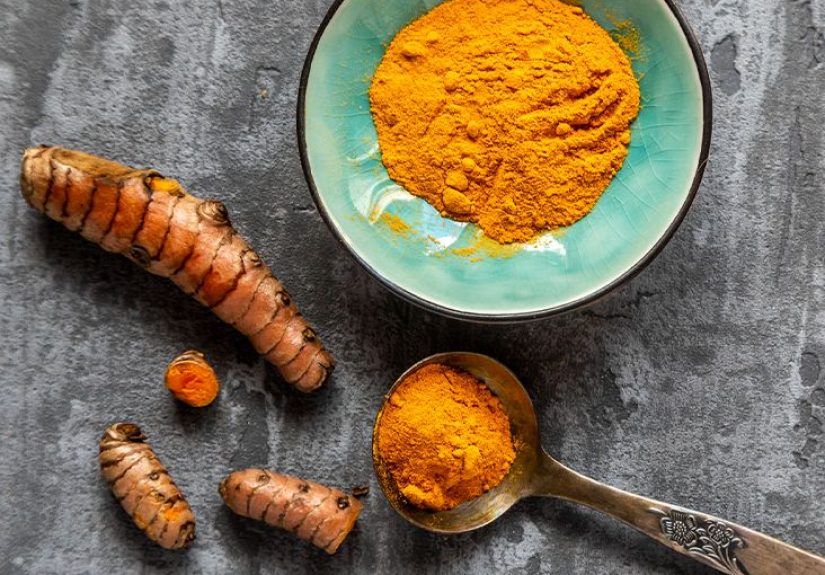
You can cook with fresh turmeric root or ground turmeric. Fresh turmeric has a lively, almost juicy punch that feels especially good in soups, broths, tonics, and marinades. Ground turmeric is what most home cooks keep in the pantry, and it is perfect for rice, spice rubs, curries, dressings, and quick skillet meals. Both are useful. Fresh is brighter. Ground is easier. Neither one is wrong.
1. Cozy Turmeric Drinks That Do Not Taste Like Punishment
Let us start with the obvious category: drinks. Turmeric beverages are popular for a reason. When combined with warming spices and something creamy, turmeric becomes comforting rather than bossy.
Golden Milk
The classic turmeric drink is golden milk, usually made with milk or a dairy-free alternative plus turmeric, ginger, black pepper, cinnamon, and a little sweetness. This is the turmeric gateway recipe for many people, and it still deserves the hype. It is soothing, easy to customize, and forgiving enough for weekday evenings when you want something cozy but not caffeinated.
For the best version, do not dump in a mountain of turmeric and hope for the best. Start small. A modest amount, balanced by ginger and cinnamon, gives the drink warmth without making it taste like a spice cabinet mugged your almond milk.
Smoothies, Shakes, and Wellness Shots
Turmeric also works beautifully in smoothies and blended drinks, especially with banana, mango, pineapple, citrus, carrot, or coconut. The trick is to pair it with fruit or creamy ingredients that soften its earthy edge. If you like bold flavors, turmeric-ginger shots or jamu-inspired drinks bring a brighter, punchier style. They are not subtle, but that is part of the fun.
2. Soups and Stews Where Turmeric Feels Right at Home
If turmeric had a comfort zone, it would probably be soup. It melts into broth, deepens slow-cooked flavors, and turns simple ingredients into something that tastes layered and thoughtful.
Chicken Soup With Ginger and Turmeric
This combination is practically a weeknight legend at this point. Chicken, garlic, ginger, onions, broth, and turmeric create a soup that feels familiar and a little more exciting than standard chicken noodle. Add rice noodles, barley, or plain rice depending on your mood. A squeeze of lemon at the end wakes everything up.
This style of soup works because turmeric does not need to dominate the bowl. It just gives the broth a backbone and a golden hue that makes the whole thing look richer than it really is.
Lentil Soups, Kadhi, and Coconut Broths
Turmeric is also excellent in lentil soups and yogurt-based soups like kadhi, where it brings both color and warmth. In coconut-based noodle soups or broths, turmeric pairs especially well with chiles, lime, garlic, and herbs. The result is comforting but not sleepy. It is cozy with a passport.
3. Rice, Grains, and Pilafs That Wear Turmeric Beautifully
If you only make one turmeric recipe after reading this article, make golden rice. It is one of the easiest, highest-reward ways to use the spice.
Golden Rice
Turmeric rice can be buttery, brothy, coconut-rich, or lean and simple. It works with white rice, brown rice, basmati, jasmine, or even quinoa. Add sautéed onions or shallots for sweetness, ginger for fragrance, and a little black pepper or cayenne for lift. Suddenly your side dish is no longer the boring relative at the table.
Golden rice pairs well with roasted vegetables, grilled chicken, beans, curry, fish, and fried eggs. Leftovers also reheat nicely, which means turmeric can keep doing its job long after dinner is over. Respect.
Pilafs and One-Pot Rice Dinners
Turmeric shines in one-pot chicken-and-rice meals, biryani-inspired dinners, and pilafs with raisins, almonds, chickpeas, or herbs. In these dishes, turmeric acts like a bridge between savory and aromatic ingredients. It ties everything together without being loud about it.
4. Easy Weeknight Dinners Built Around Turmeric
Turmeric is not just for side dishes and beverages. It holds its own in hearty mains, especially when paired with chicken, fish, tofu, chickpeas, or cauliflower.
Creamy Turmeric Chicken
A creamy turmeric chicken skillet is one of the smartest ways to introduce the spice into a regular dinner rotation. The sauce can be built from yogurt, cream, coconut milk, or even a quick pan sauce with stock and butter. Add garlic, onion, and ginger, and the turmeric gives the whole dish a warm, savory depth.
Serve it over rice or with flatbread, and suddenly Tuesday feels less like survival and more like dinner.
Turmeric Fish and Coconut Chicken
Turmeric also loves seafood, especially mild fish that benefits from a marinade or spice rub. In fish dishes with herbs, rice noodles, or citrus, turmeric brings both color and a subtle earthiness. Coconut chicken and rice dishes are another natural match, since coconut milk softens turmeric’s edge while making the entire meal feel deeply comforting.
Plant-Based Turmeric Meals
For vegetarian cooks, turmeric is a star in chickpea stews, lentil curries, cauliflower roasts, sheet-pan vegetables, grain bowls, and sautéed greens. A little turmeric in a tahini sauce or yogurt dressing can make a grain bowl feel restaurant-worthy without requiring restaurant-level emotional damage.
5. Vegetables, Bowls, and Sides That Benefit From a Golden Upgrade
Turmeric is especially useful when vegetables need help becoming more interesting. It adds warmth without relying on too much heat, which makes it a great fit for family-friendly meals.
Roasted Cauliflower, Sweet Potatoes, and Carrots
Roasted vegetables love turmeric, especially when paired with olive oil, cumin, coriander, paprika, garlic, or garam masala. Cauliflower is a standout because it absorbs flavor well and looks incredible with golden edges. Sweet potatoes and carrots also work beautifully, since their natural sweetness balances turmeric’s earthy bitterness.
Bowls and Dressings
Turmeric can move from the base of a bowl to the sauce on top of it. Add it to vinaigrettes, yogurt dressings, tahini sauces, or simple lemon-honey dressings for a subtle golden color and warm spice note. A bowl with roasted vegetables, rice, lentils, greens, and turmeric dressing feels both practical and slightly superior, which is honestly what a good lunch should do.
6. Smart Tips for Cooking With Turmeric
Do Not Overdo It
Turmeric is powerful. Too much can make food taste bitter, dusty, or aggressively earthy. Start with a small amount and build from there. This is not one of those ingredients where doubling it automatically doubles the joy.
Bloom It in Fat
Cooking turmeric briefly in oil, butter, or ghee helps wake up its aroma and distribute its flavor more evenly. This is especially useful in rice dishes, soups, and sautés.
Pair It With Other Warm Flavors
Ginger, black pepper, garlic, cumin, coriander, cinnamon, coconut milk, onions, and citrus all help turmeric taste more rounded and balanced. Left alone, turmeric can be a little blunt. In good company, it becomes elegant.
Use the Color Strategically
Turmeric makes beige foods look alive. Rice, soups, scrambled eggs, sauces, and even mashed vegetables benefit from its color. It is the edible version of opening the curtains.
How to Build Your Own Turmeric Recipe Rotation
If you want turmeric to become a regular ingredient instead of a seasonal fling, keep a simple rotation. Pick one drink, one soup, one rice dish, one weeknight main, and one vegetable side. That gives you five reliable ways to use turmeric without turning every meal into the same yellow echo.
For example, you might rotate golden milk for evenings, turmeric-ginger chicken soup for lunch, coconut turmeric rice as a side, creamy turmeric chicken for dinner, and roasted cauliflower with turmeric for meal prep. Suddenly that little jar in your pantry is earning its shelf space.
Final Thoughts
The best turmeric recipes do not treat the spice like a gimmick. They use it where it actually works: in dishes that welcome warmth, color, and depth. That includes cozy drinks, brothy soups, golden rice, coconut-rich dinners, vegetable roasts, and tangy sauces. Turmeric is not trying to be everything. It is just very good at making ordinary food look brighter and taste more complete.
So the next time you spot turmeric in the pantry, do not save it for a vague future smoothie. Put it in rice. Stir it into soup. Blend it into golden milk. Toss it with cauliflower. Whisk it into dressing. Let it show off a little. It has earned the spotlight, even if it still owes your cutting board an apology.
Kitchen Experiences: What Happened When Turmeric Became a Regular Ingredient
The funniest thing about cooking with turmeric is that it almost always begins with good intentions and ends with a faint yellow fingerprint somewhere on your kitchen. That was definitely my experience. At first, turmeric was the spice I bought for one specific recipe, used once, and then forgot about for months. It sat in the cabinet looking cheerful and judgmental. Then one rainy week, I started adding it to more meals just to see what would happen, and suddenly turmeric went from “special project ingredient” to “why is this not in everything?”
The first real success was golden rice. It was one of those accidental weeknight victories where dinner needed a personality transplant. Plain rice felt dull, the chicken was uninspiring, and the vegetables were clearly doing their best. A little onion, butter, turmeric, and black pepper changed the entire mood of the meal. The rice came out bright, fragrant, and oddly comforting, like it had been trying to become the main character all along. That was the moment turmeric stopped being theoretical.
Then came soup season, which is where turmeric really proved itself. Adding it to chicken soup with ginger and garlic made the broth taste deeper and look richer, even when the ingredient list was still very simple. The soup felt more intentional, like it had a point of view. It also reheated beautifully, which matters because the best soups should be able to survive a Tuesday lunch and still keep their dignity.
There were a few minor disasters, naturally. I once added too much turmeric to a smoothie and learned that there is a fine line between “earthy and vibrant” and “did I just liquefy a spice rack?” Another time, I used fresh turmeric without gloves and spent the rest of the day with fingers that looked artistically but suspiciously yellow. It was a humbling reminder that turmeric is generous with color and not especially concerned with boundaries.
Still, the more I cooked with it, the more useful it became. It rescued bland roasted cauliflower. It gave lentils more warmth. It made a yogurt sauce look expensive. It turned leftover rice into something worth eating on purpose. And because it pairs so well with ginger, garlic, lemon, coconut milk, and pepper, it was easy to make it fit different moods. Some days it felt cozy and creamy. Other days it was bright and punchy. That flexibility is what makes turmeric more than a trend ingredient.
The biggest lesson from cooking with turmeric regularly is that it works best when it is part of a conversation, not a monologue. It does not need to dominate the dish. It just needs the right supporting cast. Give it fat, acid, warmth, and a few aromatic friends, and it becomes much more balanced. That is true in soups, rice dishes, marinades, dressings, and even drinks.
So yes, turmeric can absolutely make a recipe feel fresher, cozier, brighter, and a little more interesting. But it is not magic. It is better than magic, honestly. It is practical. And in a home kitchen, practical flavor is the kind that sticks around.