Table of Contents >> Show >> Hide
- How This Ranking Works (So We’re Not Just Vibes-Shouting)
- The Saga at a Glance
- My Twilight Saga Ranking (Worst to Best)
- Why Rankings Differ So Much (And Why That’s the Fun Part)
- My Quick “Best Of” Superlatives (Because We Can’t Help Ourselves)
- Conclusion: The Real Best Twilight Movie Is the One You’ll Defend in Public
- Twilight Experiences: The Stuff That Makes Rankings So Personal (Extra )
The Twilight movies are a rare kind of pop-culture weather system: you don’t just “watch” themyou experience them. They arrive with rain-soaked Pacific Northwest vibes, a soundtrack that still hits like a dramatic hair flip, and enough romantic tension to power a small town’s electricity grid. And whether you were Team Edward, Team Jacob, or Team “Bella, please drink some water,” the franchise did one undeniable thing: it got people talkingloudly, lovingly, and for years.
From 2008 to 2012, five films adapted Stephenie Meyer’s novels into a mega-franchise, ultimately grossing over $3.3 billion worldwide (and proving that brooding is, in fact, bankable).
And if you think the internet has moved on, the recent wave of re-releases and streaming spotlights says otherwise: the saga keeps getting rediscovered, re-memed, and re-ranked by new audiences and seasoned fans alike.
How This Ranking Works (So We’re Not Just Vibes-Shouting)
Ranking the Twilight franchise is tricky because each movie is its own flavor of dramatic dessert. So instead of pretending there’s one “objective” list, I’m using a balanced scorecard:
- Story momentum: Does it move, or does it mope (affectionate)?
- Filmmaking & tone: Visual style, pacing, action clarity, and how well the mood matches the story.
- Character moments: The scenes fans quote, replay, and argue about forever.
- Rewatch value: Not “Is it perfect?” but “Would I watch it again when I should be folding laundry?”
- Peak Twilight-ness: The special ingredient that makes it unmistakably Twilight.
I’ll also compare how critics and audiences tend to see the filmsbecause sometimes the “best” movie is the one that’s the most fun, the most iconic, or the most likely to inspire group-text chaos.
The Saga at a Glance
Here’s the core theatrical lineup, in release order: Twilight (2008), New Moon (2009), Eclipse (2010), Breaking Dawn – Part 1 (2011), and Breaking Dawn – Part 2 (2012).
The directors rotate too, which matters because tone is basically the franchise’s secret sixth character.
| Film | Release date | Director | Domestic box office (approx.) |
|---|---|---|---|
| Twilight | Nov 21, 2008 | Catherine Hardwicke | $192.8M |
| The Twilight Saga: New Moon | Nov 20, 2009 | Chris Weitz | $296.6M |
| The Twilight Saga: Eclipse | Jun 30, 2010 | David Slade | $300.5M |
| Breaking Dawn – Part 1 | Nov 18, 2011 | Bill Condon | $281.3M |
| Breaking Dawn – Part 2 | Nov 16, 2012 | Bill Condon | $292.3M |
One fun wrinkle: the franchise’s popularity isn’t just “a 2008 thing.” In late 2025, the films popped up again through re-releases and event-style viewing, which says a lot about their lasting comfort-watch energy.
My Twilight Saga Ranking (Worst to Best)
5) The Twilight Saga: Breaking Dawn – Part 1 (2011)
This movie is the franchise’s boldest “split the finale into two parts” experimentand it shows. You can practically feel the film clearing its throat for the real ending. The wedding? Gorgeous. The honeymoon? Surprisingly spicy for a franchise that spent years flirting like it was a high school group project. But then the story narrows into a long, tense stretch that’s more anxious than adventurous.
What works best is the commitment to turning relationship milestones into big-screen events: the wedding sequence is a true “pause and stare at the dress” moment, and the emotional stakes finally feel adult rather than cafeteria-dramatic. But pacing-wise, it can feel like an entire movie built around waiting for the next movie.
Critics have often treated this entry as the roughest sit, and even Rotten Tomatoes’ franchise ranking by Tomatometer puts it at the bottom (with a notably low critic score).
That said, some fans defend it as the saga’s most intense relationship chapterespecially if you approach it like a gothic romance rather than an action fantasy.
Best for: viewers who love the “major life events” era and don’t mind a slow-burn tension arc.
4) The Twilight Saga: New Moon (2009)
New Moon is the saga’s emotional endurance test. It’s the one where the franchise says, “What if we made heartbreak the main character?” The film leans hard into grief, isolation, and that specific teenage experience of feeling like your soul got drop-kicked into a locker.
The upside: it deepens the world. The wolves become more than shirtless cardio; the stakes widen; and the story gives Jacob real narrative weight. The downside: if you’re not in the mood for a gloomy mood-board with occasional jump scares, it can feel long.
Rotten Tomatoes’ ranked list places it near the bottom by critic score, reflecting how divisive its tone and pacing can be.
And yet fan rankings frequently bump it up because it’s emotionally specific and aesthetically cohesive in its own way: earthy colors, melancholy, and a sense that Forks has seasonal depression as a zip code.
Best for: Team Jacob folks, soundtrack enjoyers, and anyone who likes their romance with a side of cathartic crying.
3) The Twilight Saga: Breaking Dawn – Part 2 (2012)
This is the grand finalebigger, flashier, and more openly committed to being entertainment. It has payoff energy. It also has “we’re finally letting the supernatural world do supernatural things” energy. Bella’s transformation brings a refreshing shift: she’s not just reacting anymore; she’s driving the story.
The film’s secret weapon is momentum. It gathers allies, builds toward confrontation, and keeps you moving. It’s also the franchise at its most rewatchable because it leans into spectacle and resolution rather than prolonged longing.
In Rotten Tomatoes’ franchise ranking by Tomatometer, Breaking Dawn – Part 2 comes out on top among the five filmsstill not universally beloved by critics, but “best of the bunch” in that specific scoreboard.
It’s also the movie that tends to convert casual viewers into “Okay fine, I get it” viewersespecially if they’re watching with friends and snacks.
Best for: viewers who want action, payoff, and Bella finally stepping into her power.
2) The Twilight Saga: Eclipse (2010)
Eclipse is the franchise’s “most improved blend.” It tries to balance romance, humor, backstory, and actionand often succeeds. The pacing is sharper, the threat feels more urgent, and the mythology becomes a real plot engine instead of decorative lore.
The love triangle hits peak intensity here, but it’s not just “who will she choose?” It’s also about identity: what Bella wants, what she fears, and how each relationship reflects a different version of her future. Plus, the alliance between vampires and wolves gives the movie a satisfying “enemies-to-temporary-co-workers” tension.
Critics still had mixed feelings overall, but Rotten Tomatoes’ franchise ranking places it in the upper middle (with a critic score close to the first film).
This is also the entry where many viewers say the franchise becomes easiest to recommend to newcomers because it plays like a more conventional blockbuster.
Best for: anyone who likes the saga best when it’s romantic and plot-forward.
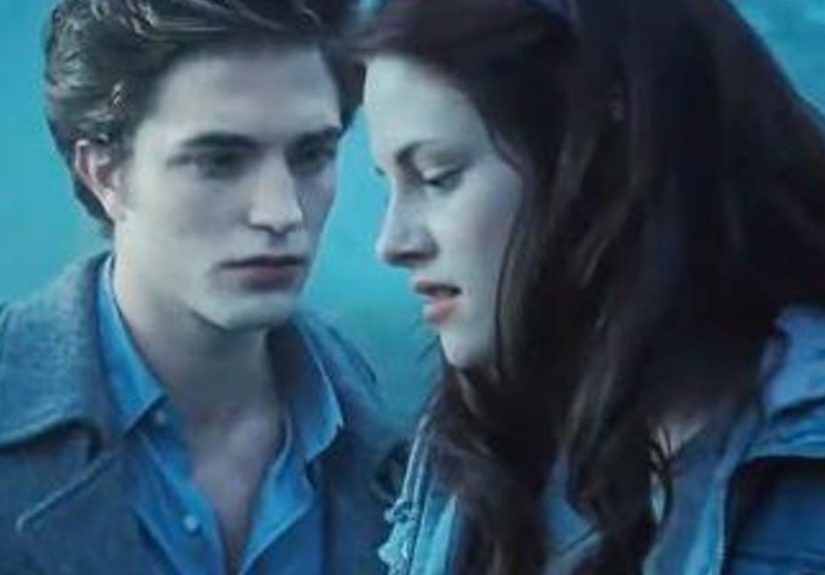
1) Twilight (2008)
The original takes the crownnot because it’s flawless, but because it’s the franchise’s most iconic mood capsule. It has an indie-ish intensity, a strange sincerity, and that unforgettable sense of “this is either going to be terrible or change your brain chemistry.” (Spoiler: it did a little of both.)
Catherine Hardwicke’s direction gives the film a distinct texture: rainy atmosphere, awkward realism, and a heightened romantic weirdness that later entries smooth into glossy franchise polish. The result is messy in the most memorable way. It’s the movie with the most quotable lines, the most instantly recognizable scenes, and the strongest sense of place in Forks.
Rotten Tomatoes’ franchise list puts Twilight near the top by critic score, just under Breaking Dawn – Part 2.
Meanwhile, popular media rankings varysome lists favor later entries for pacing and action, while others credit the first film’s unique vibe as the reason the franchise worked at all.
Best for: pure nostalgia, maximum Forks atmosphere, and the “origin story” magic that makes every sequel possible.
Why Rankings Differ So Much (And Why That’s the Fun Part)
If you’ve ever seen two Twilight fans rank the movies and felt like you were witnessing parallel universes, congratulationsyou were. Rankings vary because people come to the franchise for different reasons:
- Vibes-first viewers love Twilight because it’s a mood and a time machine.
- Drama-first viewers gravitate toward New Moon because it commits to heartbreak.
- Action-first viewers prefer Eclipse or Breaking Dawn – Part 2 because the supernatural stakes finally pop.
- Payoff-first viewers like the finale because it feels like a “big event” movie.
Even critics’ scorecards tell an interesting story. On Rotten Tomatoes’ Tomatometer ranking, the “best” film is still only around the high-40% range, which basically translates to: “Not everyone thinks these are good movies, but lots of people can’t stop watching them anyway.”
That gap between critical reception and audience devotion is part of what keeps the franchise culturally alivebecause it invites debate, irony, sincere love, and (most importantly) repeat viewing.
My Quick “Best Of” Superlatives (Because We Can’t Help Ourselves)
Most Iconic Overall
Twilight. If you know, you know. If you don’t, you will within ten minutes.
Best Action & Stakes
Eclipse, for bringing the threat forward and making the world feel bigger than one cafeteria table.
Best Payoff & Rewatch Momentum
Breaking Dawn – Part 2, for delivering the franchise’s most “movie-movie” energy and letting Bella finally run the show.
Conclusion: The Real Best Twilight Movie Is the One You’ll Defend in Public
Here’s my honest take: the Twilight franchise isn’t just a set of filmsit’s a shared language. You rank it the way you rank comfort foods, eras of your life, or playlists you refuse to delete. My list puts Twilight at #1 for iconic atmosphere, with Eclipse and Breaking Dawn – Part 2 close behind for momentum and payoff. But the “right” ranking depends on what you want: vibes, heartbreak, action, or closure.
And that’s why we’re still talking about it. A franchise doesn’t get re-released, re-streamed, and re-argued about unless it’s lodged somewhere in the cultureand in people’s group chats.
Twilight Experiences: The Stuff That Makes Rankings So Personal (Extra )
Ask ten people for their Twilight ranking, and you’ll get ten different listsand about thirty minutes of extremely passionate testimony. That’s because Twilight “experiences” aren’t just about plot points. They’re about when you watched, who you watched with, and what you needed from the story at that moment.
For a lot of fans, the first film is the ultimate comfort watch. You put it on when you want rainy-day atmosphere, a soundtrack that immediately yanks you into 2008 feelings, and a world where the biggest problem is whether your crush is a vampire… or just emotionally unavailable (spoiler: both). The experience is almost seasonal. Some people genuinely treat Twilight like a fall ritual: sweater weather, low light, and the vibe of a small town that looks like it sells candles made of longing.
Then there’s the “Team” era experienceTeam Edward versus Team Jacobwhich wasn’t just a preference; it was a personality quiz you took in public. The fun wasn’t always in picking a side. It was in defending it like you were in a courtroom drama. Edward fans often talk about the romance as a grand, doomed, operatic love story. Jacob fans talk about warmth, friendship, and the fantasy of a love interest who can actually join you for a daytime activity without bursting into glitter.
Rewatch parties are where the franchise becomes a communal sport. Someone inevitably quotes a line before it’s said. Someone else points out a background detail they’ve noticed after their fifteenth viewing. And every group has at least one person who starts out pretending they’re “just watching ironically” and ends the night emotionally invested. Rankings often change after these sessions because the “best” movie becomes the one that plays best with an audiencewhere the pacing keeps the room engaged, the set pieces land, and the jokes (intentional or not) don’t stop the fun.
What’s fascinating is how newer viewers often experience the saga differently than people who saw it during the original release run. Today, Twilight is frequently discovered through memes, TikTok-style clips, or “I finally watched it” marathons. That changes expectations: modern audiences may forgive awkwardness because it’s iconic, or they may love the later films because they feel more polished and blockbuster-ready. And once you’ve seen how much the tone shifts between directorsmore indie-textured in the first film, more melodramatic in the second, more action-driven in the third, and more event-movie in the finaleyou start ranking by “Which version of Twilight do I like best?” rather than “Which movie is technically superior?”
In the end, Twilight experiences are personal because the franchise is a mood buffet. Some nights you want aching romance. Some nights you want supernatural action. Some nights you want the kind of dramatic sincerity you can only get from characters who stare intensely for 45 seconds and call it conversation. Whatever your ranking is, it probably says less about the movies and more about what kind of story you were craving when you hit playand that’s the most Twilight thing of all.