Table of Contents >> Show >> Hide
- Why Type 2 Diabetes Treatment Looks Different Now
- The Foundation: Lifestyle Still Matters, Even in the Era of Fancy Meds
- Type 2 Diabetes Medications: The Main Players
- When Insulin Becomes Part of the Plan
- Weight-Loss Medications and Metabolic Surgery
- Technology and Support That Quietly Change Everything
- How Doctors Choose the Right Type 2 Diabetes Treatment
- What Success Really Looks Like
- Common Real-World Experiences With Type 2 Diabetes Treatment
- Conclusion
Type 2 diabetes treatment used to sound almost suspiciously simple: eat better, move more, take a pill, and try not to glare at your glucometer. Today, the picture is much more interesting, and honestly, much more hopeful. Modern treatment is no longer just about lowering blood sugar. It is also about protecting the heart, helping the kidneys, managing weight, reducing complications, and building a routine that a real human can actually live with.
That is good news, because type 2 diabetes is not a one-size-fits-all condition. One person may do well with healthy eating, regular walking, and metformin. Another may need a GLP-1 medicine, an SGLT2 inhibitor, or insulin. Someone else may lose enough weight to reduce medications dramatically, and a few may even reach remission. The best treatment plan depends on the whole picture: blood sugar levels, body weight, other health conditions, side effects, cost, and what fits into daily life without turning every meal into a math exam.
Here is the big idea: the best type 2 diabetes treatment is not the most dramatic one. It is the one that lowers risk, improves health, and is realistic enough to survive Mondays, birthdays, travel, and that one relative who still thinks dessert does not count if it is homemade.
Why Type 2 Diabetes Treatment Looks Different Now
Doctors still care about A1C, fasting glucose, and post-meal spikes. But treatment decisions now go beyond the sugar number on the page. Many newer medications help with weight loss, and some also protect the heart and kidneys. That means a treatment plan may be chosen not only because it lowers glucose, but because it also reduces the chance of future trouble.
In other words, type 2 diabetes care has become more strategic. Instead of asking only, “How do we lower blood sugar?” many clinicians now ask, “How do we lower blood sugar and help with weight, reduce hypoglycemia risk, protect organs, and make this plan livable?” That is a much smarter question.
The Foundation: Lifestyle Still Matters, Even in the Era of Fancy Meds
No medication works in a vacuum. Healthy eating, regular physical activity, sleep, stress management, and follow-up care still matter enormously. This is not because lifestyle changes are magical. It is because they change the day-to-day environment your body is working in.
For many people, modest weight loss improves blood sugar control. Bigger weight loss often brings bigger benefits. Better food quality, more fiber, fewer sugary drinks, and more movement can all help the body use insulin more effectively. Even short walks after meals can make a difference. Add in better sleep and a more predictable eating schedule, and the body often becomes easier to manage.
That said, lifestyle treatment should not be used as a guilt weapon. If healthy habits alone are not enough, that does not mean someone has “failed.” It means the condition needs more support. Diabetes is biology, not a personality test.
Weight Loss Is Not Cosmetic Here. It Is Clinical.
Weight loss in type 2 diabetes is not just about looking different in photos or finally buying the jeans that have been serving as “motivation decor.” It can directly improve insulin resistance, lower blood sugar, reduce fat in the liver, improve blood pressure, and in some cases reduce the need for medications.
For some people, losing 5% to 10% of body weight improves diabetes control. Losing 10% or more may deliver even larger metabolic benefits. In some cases, substantial weight loss can help people reach remission, meaning blood sugar returns to a non-diabetes range without glucose-lowering medication for a period of time. Remission is not guaranteed, and it is not forever for everyone, but it is a real and increasingly discussed treatment goal.
Type 2 Diabetes Medications: The Main Players
There are many medication classes for type 2 diabetes, and they work in different ways. Some help the body use insulin better. Some help the pancreas release more insulin when it is needed. Some reduce appetite. Some help the kidneys remove extra glucose through urine. Some are weight-neutral, some may cause weight gain, and some may help with weight loss.
Metformin: The Familiar First Move
Metformin remains one of the most common starting medications for type 2 diabetes, and for good reason. It is effective, widely used, and generally affordable. It mainly works by reducing the amount of glucose made by the liver and improving insulin sensitivity.
Metformin does not usually cause low blood sugar on its own, which is a major plus. It may also be weight-neutral or lead to mild weight loss in some people. The most common complaint is gastrointestinal upset, especially when starting it. That can include nausea, loose stools, or a stomach that suddenly becomes very opinionated. Extended-release versions and slower dose increases often make it easier to tolerate.
GLP-1 Receptor Agonists and Dual GIP/GLP-1 Medicines
This is the class that changed the conversation. GLP-1 receptor agonists, and the newer dual GIP/GLP-1 medicine tirzepatide, can lower blood sugar, reduce appetite, slow stomach emptying, and often help with meaningful weight loss. Some medicines in this family also have cardiovascular and kidney benefits in the right patients.
These medications are especially important for people who need both glucose control and weight management. They are also useful when avoiding low blood sugar is a priority. Some are injectable, and some forms of semaglutide are oral. Common side effects include nausea, vomiting, diarrhea, and abdominal discomfort, especially early on or when the dose increases. Many people find that eating smaller meals and slowing down helps.
Not everyone loves the idea of an injectable medicine, but a once-weekly shot can be less disruptive than people expect. For some patients, the bigger issue is not the needle. It is insurance coverage, prior authorization, and the emotional journey of discovering that modern medicine can be amazing and paperwork can still be medieval.
SGLT2 Inhibitors: Small Pills, Big Organ Protection
SGLT2 inhibitors help the kidneys remove extra glucose through urine. They can lower blood sugar, may support modest weight loss, and often lower blood pressure a bit as well. Their biggest calling card is that certain medicines in this class can help protect the heart and kidneys, which makes them especially valuable for people with cardiovascular disease, heart failure, or chronic kidney disease.
These drugs are often appealing because they are pills rather than injections. Still, they are not perfect. They can raise the risk of genital yeast infections and urinary tract issues in some people, and they require smart counseling about hydration and when to pause medication during illness or surgery.
DPP-4 Inhibitors: Gentle but Usually Less Powerful
DPP-4 inhibitors help the body maintain higher levels of its own incretin hormones. They tend to be easy to take and are usually weight-neutral. They also have a low risk of causing hypoglycemia when used alone. The trade-off is that they are generally less potent for blood sugar lowering than GLP-1 medicines or insulin.
These drugs can still make sense for some people, especially when a simple oral medication with a lower side-effect burden is the goal.
Sulfonylureas and TZDs: Older Options That Still Have a Role
Sulfonylureas stimulate the pancreas to release more insulin. They are effective and often inexpensive, which matters a lot in the real world. But they can cause low blood sugar and weight gain, so they are not always the first choice when newer options are available.
Thiazolidinediones, also called TZDs, improve insulin sensitivity. They can work well for some people, but they may cause fluid retention and weight gain, and they are not ideal for everyone, especially if heart failure is a concern. These older medications are not glamorous, but they still matter when cost, access, and individual response drive the plan.
When Insulin Becomes Part of the Plan
Insulin is sometimes treated like the scary final boss of type 2 diabetes. It is not. It is simply one of the most effective tools available. Some people need insulin early because their blood sugar is very high at diagnosis or because they have symptoms of severe hyperglycemia. Others may need it later, after years of diabetes, when the pancreas is producing less insulin than before.
Starting insulin does not mean someone “did not try hard enough.” It may mean the diabetes has progressed, the body is under stress, or other medicines are not enough. In fact, insulin can sometimes be temporary. People may use it during illness, hospitalization, pregnancy, or periods of extremely high blood sugar, then step back once things stabilize.
What Insulin Treatment Can Look Like
For many adults with type 2 diabetes, insulin begins with a once-daily basal insulin that works slowly in the background. If that is not enough, a clinician may add mealtime insulin or adjust the whole regimen. Pens, pumps, and newer glucose monitoring tools have made insulin use more manageable than it used to be.
The main concerns with insulin are low blood sugar and weight gain, although smart titration, education, and use of other medications can reduce these problems. Continuous glucose monitors, or CGMs, can also make insulin therapy safer and less stressful by showing patterns rather than relying on guesswork.
Weight-Loss Medications and Metabolic Surgery
Weight management is now treated as a central part of type 2 diabetes care, not a side project. For adults with overweight or obesity, anti-obesity medications may be considered alongside nutrition changes and physical activity. Medicines such as semaglutide and tirzepatide have drawn attention because they can lead to substantial weight loss in appropriate patients.
There is an important distinction here. Some drugs are approved specifically for diabetes, some for obesity, and some are used in carefully chosen patients who have both conditions. The right choice depends on diagnosis, medical history, benefits, risks, and insurance coverage. The conversation is no longer “Should weight loss matter?” It is “Which safe and evidence-based tools make sense for this person?”
For some people with obesity and type 2 diabetes, metabolic or bariatric surgery is also an option. Surgery is not the easy way out. It is major treatment with major follow-up requirements. But it can lead to substantial long-term weight loss, better blood sugar control, fewer diabetes medications, and remission in some patients. It also comes with responsibilities, including long-term nutrition monitoring.
Technology and Support That Quietly Change Everything
Not all diabetes treatment comes in a pill bottle or pen needle. A few of the most useful tools are educational and technological. Diabetes self-management education and support programs can teach people how to eat, monitor glucose, adjust routines, prevent complications, and solve real-life problems. That may sound basic, but it often changes outcomes more than another lecture about “being careful.”
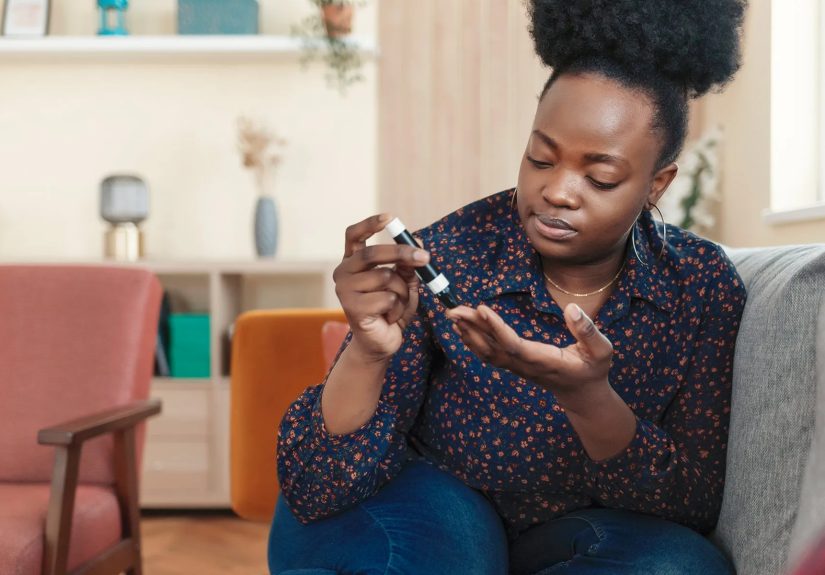
CGMs are another game-changer. These devices show glucose trends throughout the day and night and can help people understand how food, exercise, stress, sleep, and medication interact. They are especially valuable for people using insulin, but their role is expanding. A CGM can turn diabetes from a mystery novel into a spreadsheet. Not everybody likes spreadsheets, but most people prefer them to surprises.
How Doctors Choose the Right Type 2 Diabetes Treatment
A good treatment plan is individualized. Clinicians often weigh several questions at once:
- How high is the A1C, and how quickly does it need to come down?
- Is weight loss a major goal?
- Does the person have heart disease, heart failure, kidney disease, or liver disease?
- Is avoiding low blood sugar a major priority?
- Can the person manage injections, or would pills be easier?
- What can insurance actually cover without turning the pharmacy into a second full-time job?
- What side effects matter most to this patient?
That is why two people with the same A1C may leave the clinic with completely different plans. One might start metformin. Another may begin a GLP-1 medicine because weight loss and cardiovascular protection matter most. Another might need basal insulin right away. Treatment is no longer cookie-cutter, and frankly, that is an improvement.
What Success Really Looks Like
Successful type 2 diabetes treatment does not always mean zero medication. It may mean hitting an individualized A1C goal, losing enough weight to improve health, preventing lows, improving blood pressure and cholesterol, sleeping better, feeling less exhausted after meals, or cutting down the number of prescriptions needed. For some people, success means remission. For others, it means stability and fewer complications over time.
That broader definition matters, because diabetes care should improve life, not just lab reports. The goal is not to become a perfect patient. The goal is to become a safer, healthier, more informed person with a plan that still works when life gets messy.
Common Real-World Experiences With Type 2 Diabetes Treatment
People often imagine diabetes treatment as a neat flowchart, but real life is more like a flowchart that somebody spilled coffee on. Many patients start with metformin and feel relieved that they are finally doing something, then annoyed when their stomach rebels for a week or two. A common experience is learning that timing matters: taking medicine with food, switching to an extended-release version, and easing into dose increases can make a huge difference. Once the initial adjustment passes, many people describe the treatment as boring in the best possible way. It becomes routine, and routine is underrated.
Others start a GLP-1 or dual GIP/GLP-1 medicine and notice that their appetite changes before the scale does. They may feel full faster, lose interest in late-night snacking, or realize they can no longer eat a giant restaurant meal and “walk it off later.” Some people are thrilled. Others feel weirdly emotional about it, because food is not just fuel. It is comfort, celebration, habit, stress relief, and sometimes the only quiet part of a long day. In that sense, treatment can be psychological as much as physical. The experience is not just “I lost weight.” It is also “I had to rethink how I eat, why I eat, and what a normal portion even looks like.”
Insulin can bring another set of experiences. Many people fear it before they use it and then discover that the pen needle is much less dramatic than their imagination suggested. The harder part is often learning patterns. A person may realize their glucose is high every morning, or that a pasta-heavy dinner turns into a midnight plot twist. That is where glucose monitoring becomes more than data. It becomes feedback. For some, starting insulin feels discouraging at first. Later, it feels like relief because high sugars finally come down, energy improves, and symptoms such as constant thirst or frequent urination start backing off.
Weight-loss-focused treatment, whether through medication or surgery, also comes with a complicated real-world arc. Early wins can feel exciting, but plateaus often happen, and patients may discover that the hard part is not only losing weight. It is maintaining new routines when motivation becomes less dramatic and more ordinary. People frequently talk about practical changes: smaller grocery bills, different reactions to alcohol, needing new clothes, learning to prioritize protein and fiber, or noticing that walking no longer feels like a punishment designed by a gym shoe company. For those who achieve remission or major medication reduction, the experience can feel empowering but also fragile. Many describe it as something they are proud of, yet careful with. That is probably the most honest way to frame it: type 2 diabetes treatment is not one miracle moment. It is a series of adjustments that get easier, smarter, and more personal over time.
Conclusion
Type 2 diabetes treatments now include far more than “take a pill and avoid sugar.” Today’s options range from metformin and older oral drugs to GLP-1 medicines, SGLT2 inhibitors, insulin, CGMs, structured education, weight-loss medications, and metabolic surgery. The best plan is individualized, evidence-based, and built around the whole patient, not just the glucose reading.
That is the most encouraging shift of all. Modern type 2 diabetes care is not only about lowering blood sugar. It is about improving health, protecting organs, managing weight, and helping people build a routine they can actually keep. That may not sound flashy, but in medicine, practical usually beats dramatic. Every time.
Note: This article is for educational purposes and is not a substitute for personal medical advice, diagnosis, or treatment.