Table of Contents >> Show >> Hide
- Why This Headline Is Getting So Much Attention
- What Hemorrhoids Actually Are
- Why Toilet Scrolling May Be the Problem
- Symptoms That May Point to Hemorrhoids
- What to Do If Your Bathroom Habit Needs an Intervention
- When You Should Call a Doctor
- The Bottom Line
- Everyday Experiences Related to Toilet Scrolling and Hemorrhoids
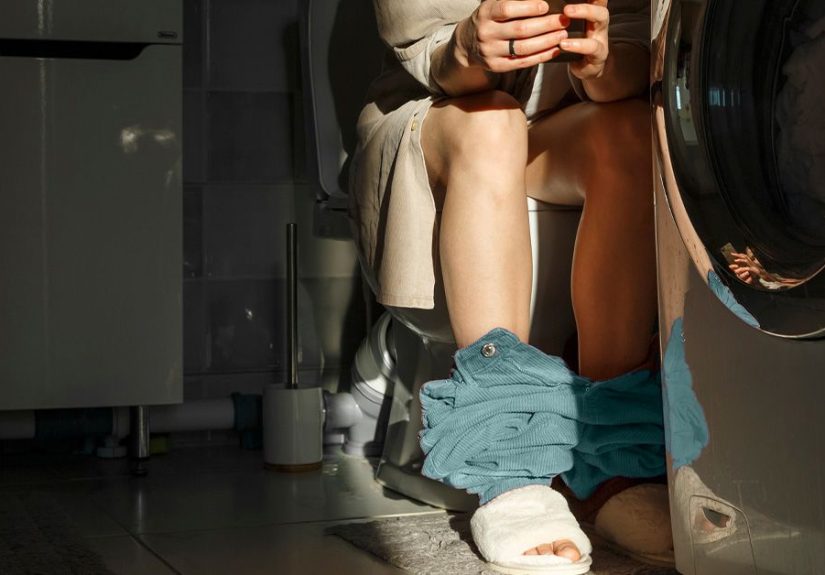
If your bathroom routine now includes pants down, elbows on knees, and a quick “I’ll just check one notification,” you are very much not alone. Unfortunately, your rectum may not be thrilled about this modern ritual. A growing body of medical guidance has long warned that sitting on the toilet for too long can increase pressure in the veins around the anus and rectum. Now, newer research suggests that smartphone use during bathroom visits may be linked with a higher risk of hemorrhoids, likely because phones keep people planted on the toilet longer than nature intended.
Before anyone panic-deletes every app on their home screen, here is the important nuance: the phone itself is not magically summoning hemorrhoids out of the digital void. The bigger issue appears to be prolonged toilet sitting, often mixed with constipation, straining, low fiber intake, and the kind of distracted “just five more minutes” behavior that somehow turns into a full episode of bathroom-based doomscrolling. In other words, your toilet is for business, not for building a second office.
This article breaks down what the latest findings mean, why hemorrhoids happen in the first place, what symptoms to watch for, and how to fix the bathroom habits that may be making things worse. Spoiler: your best move is not to become afraid of your phone. It is to stop treating the toilet like a recliner with plumbing.
Why This Headline Is Getting So Much Attention
The reason this topic exploded across health coverage is simple: the behavior is incredibly common, and the findings are uncomfortably relatable. In a 2025 study published in PLOS One, researchers looked at adults undergoing screening colonoscopy and found that people who used smartphones on the toilet were more likely to have hemorrhoids than people who did not. Phone users also tended to spend more time on the toilet, with a much higher share staying there for more than five minutes per visit.
That does not mean the study proved scrolling caused hemorrhoids. It was a cross-sectional study, which means it identified an association at one point in time. That design can spot patterns, but it cannot prove a direct cause-and-effect relationship. The study population was also relatively small and focused on adults 45 and older undergoing colonoscopy, so it does not automatically represent every teenager, every office worker, or every serial social-media scroller on Earth. Still, the study matters because it lines up with what gastroenterologists and colorectal specialists have been saying for years: prolonged toilet sitting is a bad habit if you want to avoid swollen, irritated veins in the anorectal area.
So yes, the headline is catchy. But the real takeaway is less “phones are evil” and more “extended bathroom lingering may be rough on your backside.” That is less dramatic, but also more medically useful.
What Hemorrhoids Actually Are
Hemorrhoids are swollen, inflamed veins in or around the anus and lower rectum. They are common, uncomfortable, and not exactly a favorite dinner-table topic. There are two main types:
Internal Hemorrhoids
These form inside the rectum. They often do not cause pain at first, but they can bleed, especially during bowel movements. Bright red blood on toilet paper or in the bowl is a classic sign. Some internal hemorrhoids can prolapse, meaning they bulge outside the anal opening.
External Hemorrhoids
These develop under the skin around the anus. They are more likely to itch, hurt, swell, or feel like a tender lump. If a blood clot forms inside one, it can become a thrombosed hemorrhoid, which tends to be especially painful and dramatic in the “well, this is a terrible surprise” sense.
Hemorrhoids can happen for several reasons, but the usual suspects are pretty consistent: constipation, straining, chronic diarrhea, low fiber intake, pregnancy, heavy lifting, aging, and sitting on the toilet for too long. That last one is where the phone comes in, because phones are experts at making short activities weirdly long.
Why Toilet Scrolling May Be the Problem
Time and Pressure Matter
When you sit on a standard toilet seat for an extended period, gravity and body position can increase pressure on the veins in the anal and rectal area. Over time, that pressure may contribute to swelling and irritation. Medical sources have long advised people not to sit on the toilet for long periods for exactly this reason.
Now think about what a smartphone does in that setting. It distracts you. It removes urgency. It turns a one-minute bathroom stop into a tiny content marathon featuring sports scores, texts, memes, headlines, and one suspiciously long video about cast-iron seasoning. The bowel movement may be over, but you are still parked there like you are waiting for boarding group B.
Phones Encourage “Passive Strain”
One interesting idea raised by experts is that you do not always need dramatic pushing to create trouble. Sometimes the issue is simply prolonged sitting and pressure. That is why people who say, “But I am not even straining,” do not necessarily get a free pass. Lingering on the toilet can still keep pressure where you do not want it.
Constipation Is Still a Major Player
Let’s not blame everything on your apps. Constipation remains one of the biggest hemorrhoid triggers. Hard stools can lead to straining, and straining increases pressure in the veins around the anus. Low fiber diets, poor hydration, delaying bathroom trips, and not moving enough during the day can all help create the kind of traffic jam that makes bathroom time longer and harder. Add a phone to that mix, and suddenly the problem has both a mechanical cause and a behavioral sidekick.
That is why experts consistently focus on bowel habits, not just bathroom entertainment choices. The phone may be the sparkly modern villain, but constipation is still the old-school troublemaker in this story.
Symptoms That May Point to Hemorrhoids
Hemorrhoids can show up in several not-so-charming ways. Common symptoms include:
- Bright red blood on toilet paper, in the bowl, or on the stool
- Anal itching or irritation
- Pain or discomfort during or after a bowel movement
- Swelling near the anus
- A tender lump near the anus
- A feeling of incomplete cleaning or lingering irritation
Internal hemorrhoids are more likely to bleed and may not hurt much unless they prolapse. External hemorrhoids are more likely to cause pain, itching, and a lump you can actually feel. Either way, the symptoms can overlap with other conditions, which is why self-diagnosing every drop of blood as “probably just hemorrhoids” is not a winning strategy.
What to Do If Your Bathroom Habit Needs an Intervention
1. Leave the Phone Outside
This is the least glamorous advice and probably the most effective. If your phone is what keeps you on the toilet longer than necessary, create friction. Leave it on the sink, the bed, the charger, or literally anywhere that is not in your hand while you are sitting on the toilet. Your social feed will survive the separation. Your hemorrhoidal veins may appreciate the break.
2. Keep Bathroom Visits Short
Think efficient, not scenic. Go when you feel the urge, do not force it, and get up when you are done. The goal is not to set a personal record for speed. It is to avoid turning the toilet into a waiting room. A good rule of thumb is simple: if nothing is happening, do not keep hanging around hoping inspiration will strike.
3. Eat More Fiber
Fiber helps soften stool and increase bulk, which makes bowel movements easier to pass. That means less straining and less drama. Fruits, vegetables, beans, lentils, oats, and whole grains are the all-stars here. If your diet is low in fiber, adding it gradually can help avoid a sudden bloating protest from your digestive tract.
4. Drink Enough Fluids
Fiber works better when you are hydrated. Water helps keep stool from becoming hard, dry, and difficult to pass. If your usual hydration plan is “coffee and optimism,” your colon may have notes.
5. Do Not Strain
Pushing hard and holding your breath during a bowel movement increases pressure in the lower rectum. If you are regularly straining, the answer is not “push better.” It is to figure out why the stool is hard, why you are constipated, or whether another bowel issue needs attention.
6. Move More
Regular physical activity supports bowel function and can help reduce constipation. You do not need to become a marathon runner because of one uncomfortable bathroom week. Even consistent walking can help keep things moving in a more civilized way.
7. Use Simple Symptom Relief
For mild hemorrhoid symptoms, doctors often recommend conservative measures first: warm sitz baths, gentle cleaning, over-the-counter creams or wipes, and fiber support. These can help reduce discomfort while the irritated tissue settles down. But if symptoms are persistent, worsening, or severe, it is time to talk to a clinician instead of launching a one-person pharmacy experiment.
When You Should Call a Doctor
This is the part where common sense needs to outrank embarrassment. You should get medical advice if you have rectal bleeding, significant pain, symptoms that do not improve after about a week of home care, or a lump that is very painful. You should also seek care if you notice changes in bowel habits, unexplained weight loss, black or maroon stools, dizziness, faintness, or heavy bleeding.
Why the caution? Because hemorrhoids are common, but they are not the only cause of rectal bleeding or anorectal discomfort. Anal fissures, inflammatory bowel disease, colorectal cancer, anal cancer, and other digestive conditions can also cause symptoms in this neighborhood. It is smart to be practical, not casual, with bleeding.
The Bottom Line
Using your phone while on the toilet may raise the risk of hemorrhoids, but the most likely culprit is not the screen itself. It is the extra time you spend sitting there because the screen makes it easy to linger. The newest study adds weight to that idea, while long-standing medical guidance already supports limiting toilet time, avoiding straining, improving fiber intake, drinking fluids, and treating constipation seriously.
So no, you do not need to stage a dramatic breakup with your phone. You just need better boundaries. The bathroom should be a pit stop, not a content platform. Your digestive system prefers short meetings, quick decisions, and absolutely no bonus scrolling.
Everyday Experiences Related to Toilet Scrolling and Hemorrhoids
A lot of people do not connect their bathroom habits with hemorrhoid symptoms right away because the routine feels harmless. It usually starts innocently. Someone brings their phone into the bathroom to check the weather, answer one message, or read a headline. Then a few minutes stretch into ten. Nothing seems urgent, and because sitting there feels passive, it does not register as a physical stressor. Later, when itching, irritation, or spotting appears, the first reaction is often confusion. “How did this happen? I was just sitting there.” Exactly. That is the problem.
Another common experience is the “morning scroll trap.” A person wakes up, heads to the bathroom with coffee already in the system, and turns the visit into a mini digital retreat. Email, sports, social media, a short video, another short video that somehow lasts seven minutes, and suddenly the whole routine has become part bowel movement, part content binge. Over time, that longer toilet session can become a daily pattern. People often do not notice how much longer they sit until they try leaving the phone outside and discover they are finished much faster.
Then there is the work-from-home version, which deserves its own award for accidental chaos. The bathroom becomes a hideout between meetings. Someone takes the phone in “just for a second,” reads Slack messages, replies to a text, and stays seated far longer than necessary because no one is watching and the house is quiet. Later, they notice anal discomfort when sitting in a chair, wiping, or going for a walk. Because the symptoms may be mild at first, they shrug them off. A week later, they are online searching “why is there bright red blood on the toilet paper” with the focus of a detective in a crime drama.
Some people also describe a cycle where constipation and phone use feed each other. Hard stool makes bowel movements take longer and encourages straining. The phone becomes a distraction from the discomfort, which keeps the person on the toilet even longer. That extra time can worsen irritation, making the next bathroom visit even more unpleasant. It becomes a loop: constipation, sitting, scrolling, irritation, repeat. The turning point often comes when they increase fiber, drink more water, stop delaying bathroom trips, and banish the phone from the room. Suddenly, the whole process gets easier and much less painful.
There are also people who only realize the habit matters after a flare-up. Maybe they develop a painful external hemorrhoid after a stretch of travel, dehydration, takeout meals, and too much sitting. Maybe pregnancy, lifting, or a bout of diarrhea makes things worse. Once symptoms become impossible to ignore, they start noticing patterns: long toilet sessions, delayed bathroom trips, too little water, too little movement, and too much “just one more minute” on the screen. In many cases, the fix is not glamorous, but it is effective: shorter visits, better hydration, more fiber, less straining, warmer baths, and a little less bathroom screen time.
The most relatable part of all this may be how ordinary the behavior feels. No one thinks of themselves as doing something risky while casually reading headlines on the toilet. But everyday habits add up. The experience many people report is not one dramatic event. It is a slow build of small choices that keep them seated too long and make bowel habits less healthy over time. The good news is that this also means the solution can be refreshingly ordinary. Better habits work. Sometimes the healthiest flex is simply standing up, washing your hands, and taking your phone drama somewhere else.