Table of Contents >> Show >> Hide
- What Is a Vintage Sterling and Horn Bar Set, Exactly?
- Why Sterling + Horn Is Such a Good Match
- How to Tell It’s Really Sterling (and Not Silverplate)
- Dating the Set: Clues Collectors Actually Use
- Caring for Sterling and Horn Without Ruining Either
- Using the Set Like a Pro (and Not Like a Movie Villain)
- Displaying a Vintage Bar Set Without Slowly Baking It
- Buying One Today: A Collector’s Checklist
- What Drives Value (Without Turning This Into a Price Spreadsheet)
- of Real-World Experiences You Can Have With One
- Conclusion
Some people collect art. Some people collect sneakers. And then there are the wonderfully unbothered legends who collect bar toolsthe tiny objects that quietly say, “Yes, I take my cocktails seriously… but I also know how to have fun.”
Enter the vintage sterling and horn bar set: equal parts home-bar upgrade, conversation starter, and time machine. It’s the kind of set you pull out and suddenly everyone’s talking like they’re in a black-and-white filmexcept now someone’s asking if you can make a spicy margarita.
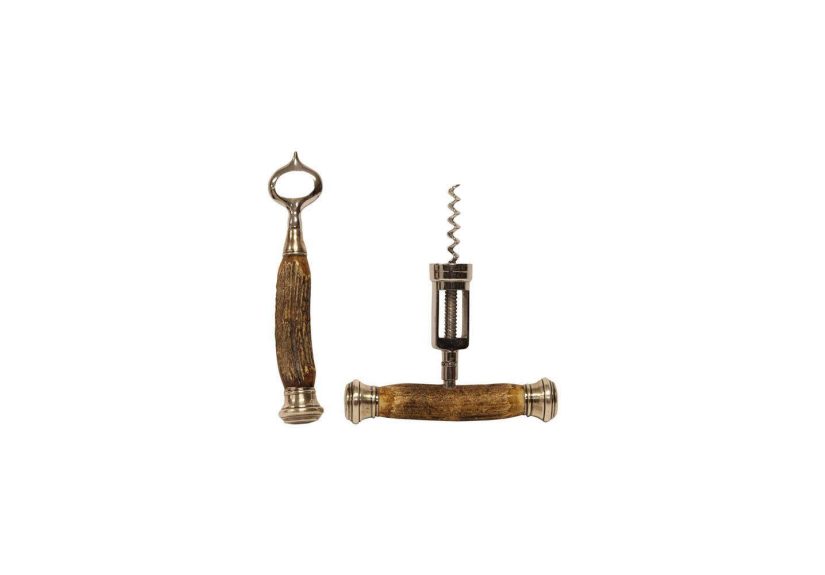
These sets often combine sterling silver (bright, precious, and a little dramatic about tarnish) with horn handles (warm, organic, and undeniably handsome). Together they create that “old-money bar cart” vibewithout requiring you to actually have old money.
What Is a Vintage Sterling and Horn Bar Set, Exactly?
A vintage sterling and horn bar set usually refers to a collection of bar toolsoften from the early-to-mid 20th centurymade with sterling silver components and horn (or horn-style) handles. The exact pieces vary, but classic sets commonly include:
- Jigger (sometimes double-sided) for measuring spirits
- Bottle opener and/or can piercer (yes, some sets are old enough to remember cans that fought back)
- Ice tongs or sugar tongs
- Bar knife or citrus tool (depending on the maker)
- Strainer or stirrer in higher-end sets
Many were made as gift sets (wedding, anniversary, corporate awards), which is why you’ll often see monogramsa detail that’s either charmingly personal or mildly inconvenient, depending on whether your initials match “R.E.B.”
Why Sterling + Horn Is Such a Good Match
Sterling silver: polished luxury with real utility
Sterling silver isn’t just “fancy silver.” It’s a durable alloy that’s prized for its luster and workability. In the U.S., the .925 sterling standard became a widely recognized benchmark, and it’s still the shorthand people use when they want “real silver, not a mystery coating.”
On bar tools, sterling gives you crisp edges, satisfying weight, and that unmistakable glow that makes even a simple bottle opener feel like it belongs in a velvet-lined case (because… it sometimes literally does).
Horn handles: warm, grippy, and naturally one-of-a-kind
Horn adds contrast: it’s darker, softer-looking, and visually rich. Natural horn has subtle variationbanding, warmth, depthso even matching sets have a slightly individual character. That organic feel also tends to sit comfortably in the hand, which matters when you’re juggling ice, citrus, and a friend who insists they can “totally eyeball the gin.”
How to Tell It’s Really Sterling (and Not Silverplate)
If you’re buying a vintage sterling bar set (especially online), verification is everything. “Silver” is a word that gets used… creatively. Here’s how collectors typically sort the real deal from the wishful thinking.
1) Look for the right markings
Common sterling indicators include:
- “STERLING”
- “.925” or “925”
- Maker’s marks (symbols or names tied to a manufacturer)
American pieces often feature a maker’s name or a distinct manufacturer stamp. A single mark can still be meaningfulespecially when cross-referenced against reputable identification resources.
2) Identify the maker (because names matter)
Once you spot a maker’s mark, you can compare it to established manufacturer-mark references. This step helps you confirm whether the item is sterling, silverplate, or stainless with a very confident marketing team.
3) Use wear patterns like a detective
Silverplate often reveals itself through wear: edges or high-contact points may show a different underlying metal tone where plating has thinned. Sterling, by contrast, is solid through-and-through, so it won’t “wear down” into a different base color the same way (though it can scratch and develop patina).
Pro tip: A magnet test can rule out some metals, but it won’t prove sterling. Many non-magnetic metals exist. If a seller tries to close the case with “It didn’t stick to a magnet,” consider that a cluenot a certificate.
Dating the Set: Clues Collectors Actually Use
Dating a vintage sterling and horn bar set is a bit like dating a classic car: part paperwork, part style, part “I’ve seen this silhouette before.” Collectors often consider:
- Construction style: clean modern lines often suggest mid-century; ornate scrollwork can lean earlier
- Tool types: older can openers/piercers can hint at early-to-mid 20th century usage
- Cases: fitted presentation boxes (leatherette, velvet, satin) can be era-specific
- Monograms and inscriptions: sometimes paired with dates or dedications
If your set includes a particularly elaborate strainer, jigger, or novelty tool, it may have been positioned as a luxury gift itemespecially in the pre-“everything is stainless steel” era.
Caring for Sterling and Horn Without Ruining Either
This is the big one. Mixed-material pieces are beautiful, but they demand a little strategy. Sterling likes gentle cleaning and protection from harsh chemicals. Horn is an organic material that can react badly to soaking, heat, and dramatic humidity swings. So the goal is simple: clean smart, store stable, and don’t overdo it.
Step-by-step: safer cleaning for the sterling parts
- Dust first using a soft brush or clean, soft clothgrit is the enemy of shine.
- Skip harsh commercial polishes if you don’t know what’s in them; many contain abrasives or chemicals that can damage delicate finishes.
- Avoid soaking (especially with handles): liquids can creep into seams, hollow areas, or joints and cause trouble later.
- For light tarnish, gentle wiping with an appropriate cloth can sometimes do the job without aggressive polishing.
One museum-style mindset that’s surprisingly useful at home: polish less, prevent more. Constant polishing removes material over time and can blur crisp detailsespecially on decorative edges.
Protect the horn: keep it dry-ish, cool-ish, and calm-ish
Horn is organic. Translation: it prefers a stable environment. Practical care looks like this:
- Never dishwasher (horn and high heat are not friends)
- Don’t soak; wipe with a barely damp cloth if needed, then dry immediately
- Avoid heat sources (direct sunlight, radiators, hot display lighting)
- Don’t experiment with oils or “conditioners” unless you truly know what you’re doingsome treatments can darken, soften, or complicate future conservation
Storage: the hidden superpower
If you want your sterling silver bar tools to stay gorgeous, storage matters more than hero-level polishing. In practical terms:
- Keep pieces dry and away from harsh chemicals (cleaners, bleach fumes, chlorine exposure)
- Use a lined case or soft pouches; avoid rubber bands and questionable papers that may accelerate tarnish
- Stabilize the environmentorganic materials (including horn) do best when humidity and temperature don’t swing wildly
Think of it like this: your bar set wants to live in a world where the weather is boring. Not tropical. Not desert. Just… politely consistent.
Using the Set Like a Pro (and Not Like a Movie Villain)
Vintage tools can absolutely be usedmany were made for real service, not just display. The trick is respecting their age while letting them do what they were born to do: help you make something delicious.
Start with the jigger: the peace treaty of cocktails
A jigger isn’t just a measuring cupit’s a relationship counselor. It stops you from pouring “a generous splash” that turns into “why is this martini tasting like a campfire?” Measure consistently and your drinks will taste the same every time (which is also how your friends start requesting your cocktails specifically).
Know your shaker and strainer basics
If your set includes a strainer, learn which type it is and how it wants to be used. Hawthorne strainers are common in modern use, while some vintage sets include unique strainers or rely on separate tools. The idea stays the same: chill, dilute, then strain cleanly so ice shards and mint confetti don’t stage a takeover in the glass.
Two easy classics that play nicely with vintage tools
1) The “Stir It, Don’t Shake It” Old Fashioned
- 2 oz whiskey
- 1 sugar cube (or 1 tsp simple syrup)
- 2–3 dashes bitters
- Orange peel
Use your bar tools to measure, stir gently, and serve over a large piece of ice. If you have vintage ice tongs, congratulations: you get to feel like you own a library with a secret door.
2) A clean, crisp Daiquiri (the good kind, not the blender situation)
- 2 oz rum
- 1 oz fresh lime juice
- 3/4 oz simple syrup
Measure with the jigger, shake hard with ice, then strain. A proper daiquiri is proof that three ingredients can still be a flex.
Displaying a Vintage Bar Set Without Slowly Baking It
Want to display your antique cocktail set? Great. Just don’t put it under a spotlight like it’s auditioning for a jewelry store window.
- Avoid direct sun: it can heat the horn and accelerate deterioration over time.
- Choose a stable spot: away from vents, radiators, and humidifiers that create micro-climates.
- Use supportive storage: a fitted case or padded drawer prevents scratches and reduces handling.
If you’re building a bar cart moment, consider rotating: display the set for a while, then store it. This keeps the “wow” factor without stressing the materials year-round.
Buying One Today: A Collector’s Checklist
Before you commit to a vintage sterling and horn bar set, run through these checksespecially if you’re buying online and can’t handle it in person.
Condition checks that matter
- Hallmarks and maker marks: clear photos, readable stamps
- Horn integrity: cracks, delamination, warping, or shrinking at seams
- Fit and tightness: loose ferrules (metal collars) can mean internal stress or past repairs
- Tool tips and edges: openers and knives can be bent or worn down
- Tarnish vs. damage: tarnish is normal; pitting or deep corrosion is more serious
- Monograms: decide whether you love the character or want a “blank canvas” set
Questions worth asking a seller
- Are all pieces original to the set (or were items mixed over time)?
- Are there repairs to the horn or sterling components?
- Does the case come with it, and is it structurally sound?
- Can they provide close-ups of every mark and joint?
What Drives Value (Without Turning This Into a Price Spreadsheet)
Prices for vintage barware can range widely, and “value” is usually a blend of:
- Maker (some manufacturers carry collector demand)
- Completeness (full sets with original case tend to be more desirable)
- Material quality (verified sterling, well-finished horn)
- Condition (especially horn stability and crisp tool function)
- Design (Art Deco, mid-century modern, ornate traditional)
- Provenance (inscriptions, documented history, notable gifting)
If you want a set to use, prioritize comfort, function, and structural integrity. If you want a set to collect, originality, maker marks, and case condition climb the rankings.
of Real-World Experiences You Can Have With One
Part of the charm of a sterling and horn bar set is that it doesn’t just sit there looking prettyit changes how a night feels. Here are a few experiences people tend to fall into (happily) once a set like this enters their life.
1) The “Treasure Hunt” moment. You spot a fitted case at an estate sale or in the back of a vintage shop. It looks like it should contain secret government documents, but it’s actually a jigger and ice tongs. You open it anywaybecause you have standardsand suddenly you’re learning to read hallmarks like you’re decoding a spy message. Even if you don’t buy it, the thrill is real: a vintage bar set turns shopping into a scavenger hunt with better lighting.
2) The first cocktail you measure correctly on purpose. The jigger is the gateway tool. The first time you use it, you realize your “two ounces” has been closer to “a heroic pour.” When you measure for realrum, lime, syrupand the drink tastes balanced, crisp, and repeatable, it’s oddly satisfying. It’s not about being fancy. It’s about knowing you can make the same great drink twice, which is basically sorcery in a home kitchen.
3) Hosting gets an instant upgrade. When you pull out horn-handled tools, guests notice. Someone will ask where you got them. Someone else will want to hold the ice tongs like they’re auditioning to be your bartender. The set becomes a centerpieceless “look at my stuff” and more “we’re making a little ritual out of this.” Even a simple whiskey-on-ice feels like an event when the tools have history and weight.
4) Learning the difference between patina and neglect. Vintage silver teaches patience. You begin to appreciate that not every dark spot is a crisis. A little tarnish can add character, especially in recessed details, and you stop chasing a blinding mirror finish like it’s a requirement for happiness. You also learn the practical side: keep it dry, keep it stable, and don’t attack it with mystery chemicals from under the sink. That shiftgentle care over aggressive “fixing”is a surprisingly calming mindset that applies to more than just bar tools.
5) The heirloom effect. Even if it wasn’t yours originally, a vintage bar set tends to become your story. It’s the tool you use when someone gets engaged. The set that comes out on birthdays. The thing you pack carefully when you move. Over time, it feels less like an object and more like a tradition you can hold in your handssterling on one end, horn on the other, and a hundred little memories in the middle.
Conclusion
A vintage sterling and horn bar set is one of those rare finds that hits three sweet spots at once: it’s functional, it’s collectible, and it’s ridiculously good-looking. The sterling brings luster and heritage. The horn brings warmth and character. Together, they turn everyday mixing into something that feels intentionallike you’re not just making a drink, you’re setting a scene.
If you’re shopping for one, prioritize authentic marks, structural integrity, and horn condition. If you already own one, treat it like a mixed-material classic: keep it dry, store it stable, clean it gently, and resist the urge to over-polish. With the right care, these sets don’t just survivethey keep showing up for the good nights.