Table of Contents >> Show >> Hide
- What Is a Welcome Wall Cabinet?
- Why a Welcome Wall Cabinet Works So Well
- Key Features to Look For
- Best Types of Welcome Wall Cabinets
- How to Choose the Right One for Your Home
- Design Ideas That Make a Welcome Wall Cabinet Look Better
- Common Mistakes to Avoid
- DIY, Ready-Made, or Custom?
- The Real Experience of Living With a Welcome Wall Cabinet
- Final Thoughts
A great entryway does two jobs at once: it says, “Welcome home,” and it quietly prevents your sneakers, keys, bags, umbrellas, and random mail from staging a hostile takeover. That is exactly why the welcome wall cabinet deserves more attention. Whether you are working with a narrow foyer, a busy mudroom, or one of those “technically an entryway, emotionally a hallway” spaces, a well-designed wall cabinet can bring order, style, and a little sanity to the front of the house.
The phrase “Welcome Wall Cabinet” has also been used as the name of a mirrored entry storage piece, which makes sense because the concept is spot-on: a wall-mounted cabinet that helps people arrive, unload, check the mirror, and head back out the door without playing hide-and-seek with their car keys. In modern homes, that idea has only gotten more useful. Today’s best entry storage blends closed cabinets, slim profiles, mirrors, hooks, cubbies, and sometimes even bench seating or charging space into one hardworking zone.
If you want an entryway that feels polished instead of panicked, this is one piece worth understanding. Let’s break down what a welcome wall cabinet is, why it works so well, and how to choose one that fits real life instead of fantasy-life where nobody owns muddy shoes.
What Is a Welcome Wall Cabinet?
A welcome wall cabinet is a storage unit placed near the front door or in a hallway, foyer, or mudroom. Unlike a bulky freestanding hutch, it is usually slimmer, more vertical, and designed specifically for arrival-and-departure tasks. Think of it as a command center for the front of your home.
Most welcome wall cabinets include some combination of the following:
- Closed storage for shoes, gloves, pet leashes, reusable bags, or seasonal accessories
- A mirror for last-minute checks before leaving the house
- A shelf or landing ledge for keys, sunglasses, mail, and wallets
- Hooks or hanging space for coats, scarves, and hats
- A narrow footprint that works in tight spaces
In other words, this cabinet is not just furniture. It is a peace treaty between your home’s style and your family’s habits.
Why a Welcome Wall Cabinet Works So Well
It turns clutter into a system
Entryways attract stuff with the force of a black hole. Shoes appear. Bags multiply. Mail lands wherever gravity allows. A welcome wall cabinet creates a designated drop zone, which is the first step to making the space look cleaner without having to fake minimalism.
It keeps small spaces from feeling messy
Open hooks and baskets are useful, but too much exposed storage can make a foyer look crowded fast. A cabinet with doors hides visual noise, which is especially helpful in small homes, apartments, and narrow hallways where every item is on display the second someone opens the door.
It makes the entryway more welcoming
A mirror, a lamp, a tray, and a tidy cabinet can transform a boring pass-through into an actual arrival experience. That sounds dramatic, but good entry design really does change how a home feels. You walk in, put your things down, breathe out, and stop stepping on one rogue sneaker like it is part of an obstacle course.
It supports everyday routines
The best storage is not just beautiful. It reduces friction. A cabinet near the door can hold school bags, dog-walking gear, hats, chargers, hand sanitizer, outgoing mail, or a basket for each family member. When everything has a home, mornings become less chaotic and late departures become slightly less theatrical.
Key Features to Look For
1. A slim depth
For most entryways, shallow storage is a major win. Cabinets that are too deep can choke a hallway and make traffic flow awkward. Slim shoe cabinets, wall-mounted cabinets, and narrow built-ins tend to work best in compact homes because they provide storage without making the entrance feel pinched.
2. A mirror that earns its keep
A mirrored cabinet door or mirror mounted above the cabinet does more than help you check your hair. It reflects light, makes a tight entryway feel larger, and gives the whole setup a finished, intentional look. Bonus: it can save you from leaving the house with sunglasses on your head and your actual glasses still on the shelf.
3. Closed and open storage together
The ideal combination is often a little of both. Closed doors conceal the unattractive essentials, while one open shelf, tray, or hook rail keeps daily-use items accessible. If everything is hidden, the cabinet may become annoying. If everything is exposed, the entryway may start to resemble a lost-and-found bin.
4. Durable, easy-clean materials
An entry cabinet deals with dirt, wet umbrellas, heavy bags, and constant contact. Painted wood, engineered wood with a durable finish, metal hardware, and wipeable surfaces tend to perform better than overly delicate materials. In a real household, “precious” is not usually the goal. “Survives March rain and soccer cleats” is more useful.
5. Smart internal organization
Adjustable shelves, bins, labeled baskets, pull-out trays, and divided drawers make cabinets much more functional. Internal organization matters because a cabinet can look great on day one and become a mystery cave by week three if the inside is not planned well.
Best Types of Welcome Wall Cabinets
Mirrored entry cabinet
This is the closest match to the classic “welcome wall cabinet” idea: a slim cabinet with a mirror integrated into the design. It is perfect for small foyers because it serves two jobs in one footprint.
Wall-mounted shoe cabinet
If your household’s biggest problem is footwear colonizing the floor, a wall-mounted or ultra-slim shoe cabinet is a smart choice. These are especially useful in narrow hallways and modern apartments where every inch counts.
Mudroom-style cabinet wall
For busy families, a larger built-in solution may be best. This could include tall cabinets, cubbies, hooks, upper storage, and a bench below. It is less “cute hallway accent” and more “logistics center,” which can be beautiful when done well.
Console-and-cabinet hybrid
This option blends decorative furniture with hidden storage. You get the visual appeal of a console table plus drawers or doors underneath. It works well when the entryway opens straight into a living room and needs to feel a little more polished.
How to Choose the Right One for Your Home
Match the cabinet to the way you actually live
If you live alone and mostly need a place for keys, mail, and a couple of pairs of shoes, a slim mirrored cabinet may be enough. If you have kids, pets, sports gear, and weather that changes its mind every four hours, you need more zones, more durability, and probably more doors.
Measure with traffic in mind
Do not just measure the wall. Measure the walking space in front of it. Open doors, nearby stair rails, adjacent closets, and the swing of the front door all matter. A cabinet that technically fits but makes everyone shuffle sideways is not a design victory.
Think vertically
When floor space is tight, go upward. Upper cabinets, wall shelves, and tall vertical storage can create a clean, efficient entry zone without crowding the walkway. This is especially helpful in homes where there is no separate mudroom.
Use style to support function
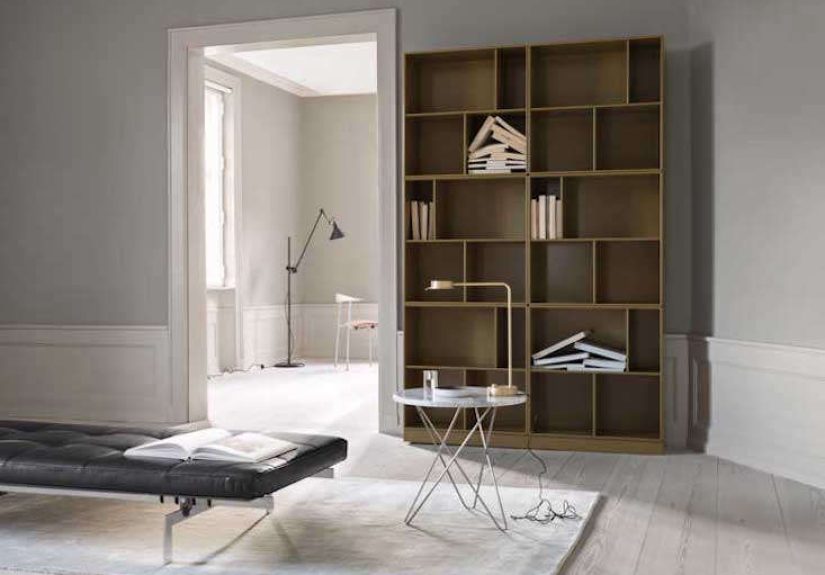
Modern entryways often look best with clean lines, simple hardware, and a mix of hidden storage and warm details. Traditional homes may suit paneled doors, wood finishes, and decorative hooks. Either way, the goal is the same: the cabinet should feel like part of the architecture, not like it crash-landed there during a sale weekend.
Design Ideas That Make a Welcome Wall Cabinet Look Better
Add a bench nearby
A bench next to or beneath the cabinet gives you a place to sit while taking off shoes. It also helps define the entry zone. Even a narrow bench can make the space feel more usable and more inviting.
Use baskets inside or below
Baskets help group small items like gloves, dog gear, or hats. They are also wonderful for hiding chaos in a way that still looks charming. It is basically decorative camouflage.
Layer in lighting
A small table lamp, wall sconce, or overhead light can completely change the mood of the entryway. Storage solves the mess, but lighting creates the welcome.
Anchor the area with a rug
A durable rug or runner adds warmth and signals that the entryway is a real room, not just the place where shoes go to argue. Choose something easy to clean and sturdy enough for heavy traffic.
Keep decor minimal but intentional
A tray, a small bowl, a framed print, or a vase with branches is enough. The cabinet itself is already doing a lot of work. You do not need to decorate it like a holiday mantel unless your front door opens directly into a gift shop.
Common Mistakes to Avoid
- Choosing all open storage: It looks good in styled photos, but too much open storage can quickly read as clutter.
- Ignoring shoe volume: Many entry systems fail because they underestimate how many shoes one household can generate. It is honestly impressive.
- Making it too decorative: If the cabinet looks lovely but cannot hold daily essentials, it will become another surface for clutter.
- Skipping categories: Separate zones for keys, shoes, bags, pet supplies, and seasonal items make a huge difference.
- Buying before measuring: The internet makes every cabinet look “perfect for small spaces.” The tape measure is less sentimental.
DIY, Ready-Made, or Custom?
Ready-made cabinets are the easiest starting point. They are ideal for renters, smaller budgets, and simple needs. Slim shoe cabinets, entry consoles, and mirrored wall units are widely available.
DIY solutions work well if you want a more tailored setup. A base cabinet topped with a shelf, mirror, and hooks can mimic a custom mudroom for less. This route is especially useful in awkward entryways where standard furniture never seems quite right.
Custom built-ins are the premium option. They can maximize wall height, incorporate family-specific storage, and make the entry feel seamless. For homes with heavy daily traffic, this can be worth the investment because custom cabinetry turns a chaotic landing zone into a long-term system.
The Real Experience of Living With a Welcome Wall Cabinet
On paper, a welcome wall cabinet sounds like a simple storage upgrade. In daily life, it feels more like a tiny lifestyle intervention. The first change most people notice is not visual. It is behavioral. Keys stop wandering. Bags stop being dropped wherever gravity happens to be available. Shoes no longer form a suspicious little village by the door. The cabinet quietly trains the household because it gives every routine object an obvious place to go.
There is also a strange emotional benefit to having a well-planned entry cabinet. Coming home feels easier. That might sound like interior-design poetry, but it is true. When the entryway is not chaotic, the whole house seems calmer. You walk in, set your stuff down, hang your coat, and move on with your life without first doing a dramatic cleanup montage.
Families tend to experience the biggest payoff. A cabinet with labeled baskets or dedicated compartments can reduce the daily scavenger hunt for mittens, permission slips, chargers, dog leashes, and that one hat somebody suddenly remembers two minutes before leaving. One section per person often works better than one shared “junk-but-make-it-organized” area. Kids can reach their own hooks, adults can hide less attractive gear behind doors, and everyone gets a clearer routine.
In small homes, the experience is different but equally valuable. The welcome wall cabinet becomes a visual buffer between the outside world and the rest of the home. This matters when the front door opens directly into the living room. Without some kind of storage piece, the entire home can feel like the foyer. With the right cabinet, the entrance becomes its own contained zone, even if it is only a few feet wide.
Many people also discover that a mirror on or above the cabinet ends up being more useful than expected. It reflects light, helps the entry feel bigger, and becomes the default “do I look like a functioning adult?” checkpoint before leaving the house. Add a small bowl for keys, a tray for mail, and a lamp, and the cabinet starts to feel less like storage and more like a daily ritual station.
That said, living with one teaches a few lessons fast. First, the inside matters as much as the outside. A gorgeous cabinet with no shelf dividers, no bins, and no categories can become a stylish black hole. Second, hidden storage is powerful, but only if it is convenient. If the cabinet doors are annoying to open or the shelves are too deep, people will still drop things on top instead. Third, the best welcome wall cabinets evolve with the seasons. Summer may need sandals and sun hats; winter may require gloves, scarves, pet towels, and enough boot storage to start a side business.
Ultimately, the best experience of all is that the cabinet earns its place every single day. It is not a trendy accent that looks nice for a month and then fades into decorative irrelevance. It works. It saves time. It reduces clutter. It makes a home feel more intentional from the moment the door opens. And for a piece of furniture that mostly stands there minding its business, that is a pretty impressive résumé.
Final Thoughts
A welcome wall cabinet is one of those rare home upgrades that checks nearly every box. It is practical, stylish, space-conscious, and genuinely useful in everyday life. It can make a tiny foyer feel more organized, help a busy family manage the front door chaos, and give the whole home a more thoughtful first impression.
The best version is not necessarily the biggest or the fanciest. It is the one that fits your space, supports your habits, and balances closed storage with easy access. Add a mirror, keep the profile slim, organize the interior well, and your entryway can go from clutter magnet to calm landing zone. That is the real magic of a welcome wall cabinet: it does not just store things. It helps your home greet you better.