Table of Contents >> Show >> Hide
- What You’ll Learn
- So What Counts as “West Coast Living”?
- Weather That Doesn’t Hate You Back
- Outdoor Access That Changes Your Calendar
- Food Culture: Fresh, Local, and Lightly Obsessed (In a Good Way)
- Culture, Work, and the “Let’s Build Something” Energy
- Casual Wellness: Movement as a Normal Part of Life
- The Trade-Offs Nobody Should Pretend Don’t Exist
- How to Make West Coast Living Work for You
- Is West Coast Living Really That Much Better?
- Extra: of West Coast Living Experiences (The “You Had to Be There” Edition)
Somewhere between the first sip of coffee and the first glimpse of a mountain range from the freeway, you start to
wonder: Why does this feel… easier? West Coast living has a reputation for being outdoorsy, creative, and just a
little bit smug. (Okay, sometimes a lot smug.) But underneath the stereotypessurfboards, flannel, oat-milk
everythingthere’s a real set of lifestyle ingredients that make day-to-day life on the Pacific side of the map feel
different.
This isn’t a “move here and your skin will clear” fantasy. It’s a practical, in-depth look at what West Coast living
actually offers: weather that’s friendlier than your group chat, nature that’s basically your neighborhood amenity,
food that tastes like it was picked on purpose, and a culture that rewards curiosity. We’ll also talk about the trade-offs
(hello, housing prices), and how to make the West Coast lifestyle work without needing a tech IPO and a trust fund.
So What Counts as “West Coast Living”?
In everyday conversation, “the West Coast” usually means the three Pacific statesCalifornia, Oregon, and Washington.
Each one has its own personality, and the differences matter. California is a patchwork of microclimates and megacities.
Oregon leans scenic, outdoorsy, and quietly artsy. Washington mixes tech-driven urban life with island towns, ferry routes,
and mountain views that feel almost unfair.
But when people say “West Coast lifestyle,” they’re usually talking about a few shared themes:
- Proximity to nature (not just “a park,” but beaches, forests, and mountains)
- Weather you can live around (often mild, sometimes moody, rarely boring)
- Food culture built on produce, seafood, and local pride
- Casual wellness (movement is normal, not a punishment)
- A culture of innovation (in tech, art, design, sustainability, and small business)
If that sounds like a lifestyle Pinterest board, don’t worrywe’re about to translate it into real life: errands, commutes,
weekends, and “what’s for dinner?” decisions.
Weather That Doesn’t Hate You Back
If you’ve lived somewhere that treats the outdoors like a seasonal attraction (“Come back in May”), the West Coast can feel
like someone turned the difficulty setting down. Coastal California is famous for mild conditionsoften shaped by ocean
influences that can bring cool air and fog near the water while staying warmer inland. That’s why you’ll hear locals say
things like, “It’s 64° at the beach, 82° at my house,” as if that’s normal conversation and not weather whiplash.
Microclimates: The West Coast’s Favorite Party Trick
The West Coast isn’t one weather story. It’s a whole streaming service of weather genres:
- Southern California: more sun-forward, with cooler coastal mornings and warmer inland afternoons.
- Bay Area/Northern California coast: foggy, breezy, and “bring a jacket” even when it’s technically summer.
- Oregon coast: dramatic, misty, and beautiful in a “novel with good lighting” way.
- Seattle and the Puget Sound region: mild temperatures, a long gray season, and summer that shows up like a VIP guest.
The Bonus (and Occasionally the Plot Twist)
Mild weather encourages you to actually use your city. You walk more, patio-dine more, and plan fewer weekends around “surviving the temperature.”
The plot twist is that “mild” isn’t always “easy”: coastal fog can chill a beach day, and the Pacific Northwest’s damp season can test your relationship
with daylight. But compared to places where the air hurts your face for months, it’s a trade many people happily make.
Outdoor Access That Changes Your Calendar
On the West Coast, nature isn’t a once-a-year road trip. It’s a recurring feature. When you’re within reasonable driving distance of coastline, mountain
trails, forests, and world-famous parks, your free time starts to look different. People plan weekends around hikes, beach walks, paddleboarding, snow days,
and scenic drivesnot because it’s trendy, but because it’s genuinely available.
National Parks and “Wait, This Is Only Two Hours Away?” Moments
The West Coast is stacked with iconic landscapes, from towering trees to volcanic peaks to rainforests that look like a movie set. Whether it’s a quick day trip
or a long weekend, access to protected public land makes “getting outside” feel less like a project and more like a habit.
State Parks, Local Trails, and the Joy of Low-Planning Adventures
It’s not all bucket-list parks. The real lifestyle magic is the everyday stuff: a bluff-top trail after work, a beach walk before dinner, a quiet campground
an hour away, or a Saturday morning hike that ends with a food truck. Many West Coast residents don’t need a “vacation” to feel refreshedthey need
two hours and decent shoes.
City-Nature Hybrids: The West Coast Specialty
A lot of West Coast cities are designed (or at least positioned) to keep nature close. You can run in a big park, kayak in a bay, or drive to a trailhead without
taking a full day off work. That accessibility is a quiet quality-of-life boost that’s hard to understand until you live it.
Food Culture: Fresh, Local, and Lightly Obsessed (In a Good Way)
West Coast food culture isn’t one cuisineit’s a mindset. The ingredients matter. Seasonality matters. And yes, someone will politely explain why the tomatoes
are better this week (and they will be correct).
Produce That Sets Your Standards Uncomfortably High
California’s agricultural output is a big reason West Coast groceries and farmers markets feel different. When a region produces massive amounts of fruits, nuts,
and vegetables, freshness becomes less of a luxury and more of an expectation. That shows up in everyday life: better salads, better snacks, better “I swear I’m just
making a simple dinner” meals.
Seafood and Coastal Comfort Food
From salmon culture in the Pacific Northwest to coastal seafood shacks up and down Highway 1, the ocean influences what ends up on the plate. You’ll see a lot of
grilled fish, bright flavors, simple preparations, and a steady stream of “today’s catch” specials that feel like a flex.
Wine Country, Coffee Culture, and the Art of the Casual Hang
The West Coast has a deep bench of wine regions, tasting rooms, and vineyard weekendsespecially in California, where wine production is a major part of the national
picture. Pair that with a strong coffee culture (yes, even outside Seattle), and you get a social life that’s less about formal plans and more about great places to
show up, sit down, and stay awhile.
Food as Culture, Not Just Fuel
Another West Coast signature is multicultural influenceespecially in big metros. In practical terms, that can mean world-class taco spots, incredible Vietnamese and
Korean food, farmers market bakeries, and neighborhood restaurants that turn “quick lunch” into a mini vacation. It’s hard to feel bored when your dinner options
look like a passport stamp collection.
Culture, Work, and the “Let’s Build Something” Energy
The West Coast is often associated with innovation for a reason. It’s home to major tech hubs, creative industries, research universities, and a thriving ecosystem
of small businesses. But the day-to-day impact isn’t just “jobs exist.” It’s that people are used to trying new thingsnew tools, new ideas, new ways of working.
Work-Life Balance (Not Perfect, But More Discussed)
West Coast work culture can be intense, especially in high-pressure sectors. At the same time, there’s a strong social permission to care about quality of life:
flexible schedules, outdoor time, and “I’m taking Friday afternoon off to hike” doesn’t automatically make you a villain. That mindset shows up in everything from
office norms to how communities schedule events.
Arts, Design, and Everyday Creativity
Beyond tech, the West Coast has a major arts and culture footprint: film, music, design, architecture, and local crafts. Even smaller towns often have a strong maker
scenemarkets, galleries, studios, and festivals that make a place feel alive. The result is a lifestyle that encourages you to participate, not just consume.
The “Third Place” Factor
West Coast cities and towns often have good “third places”cafés, parks, waterfront promenades, bookstores, food hallswhere you can exist without a formal plan.
That sounds small, but it’s huge for mental health and social connection. A life with more low-pressure gathering spaces tends to feel more spacious.
Casual Wellness: Movement as a Normal Part of Life
One of the most noticeable West Coast differences is how “being active” blends into routine. It’s not always gym culture. Often, it’s walking, biking, hiking,
surfing, paddling, and “I’ll meet you after my trail run” energy. When the weather is workable and nature is close, movement becomes the default.
There’s also a strong thread of wellness culturesometimes helpful, sometimes a little extra. (If someone tries to sell you moon-charged water, you’re allowed to
back away slowly.) The best version of West Coast wellness is practical: good sleep, good food, time outside, and communities that make it easier to do those things.
The Trade-Offs Nobody Should Pretend Don’t Exist
If West Coast living were perfect, everyone would already be hereand traffic would be even worse. The lifestyle perks come with real challenges. It’s important to
name them, because “better” doesn’t mean “effortless.”
Higher Costs (Especially Housing)
Many West Coast metros are expensive, and housing is the headline. Rent and home prices can be dramatically higher than in much of the countryespecially in coastal
California and major job centers. That affects everything: where you live, how much space you get, how long you commute, and how quickly you can build savings.
Traffic, Crowds, and the Price of Popularity
Great weather and great geography attract people. That can mean congested freeways, crowded trailheads, and “I should have left 20 minutes earlier” becoming your
spiritual practice.
Environmental Realities: Fire Season, Storms, and Earthquake Country
Depending on where you live, you may deal with wildfire smoke, drought restrictions, heavy winter storms, or earthquake preparedness. The Pacific Northwest also sits
near a major subduction zone that scientists monitor closely. You don’t need to live in fear, but you do need a grown-up relationship with emergency kits, alerts,
and planning.
PNW Gray Season: Not a Dealbreaker, But a Vibe
If you’re eyeing Oregon or Washington, be honest about light and mood. Many people love the cozy, misty atmosphere; others discover they need a daylight lamp, a
winter hobby, and a personal pact with themselves to keep moving. The good news is that when the sun returns, the region absolutely shows off.
How to Make West Coast Living Work for You
The West Coast lifestyle isn’t one purchaseit’s a set of choices. Here’s how people make it sustainable (financially and emotionally), without needing a lottery win.
1) Pick the Lifestyle First, Then the ZIP Code
Want daily ocean access? Prioritize coastal towns (and accept smaller space). Want trails and quiet? Consider foothill communities or smaller cities near public land.
Want city energy with outdoor escapes? Look for metros with strong parks, waterfront access, and weekend proximity to mountains.
2) Learn the Microclimates (and Dress Like a Local)
On the West Coast, layers are not fashionthey’re survival. A light jacket in the car saves lives (social lives, mostly). If you move here, learn the patterns:
coastal mornings, inland heat, mountain evenings. Your comfort level will skyrocket with one extra hoodie.
3) Budget for Housing, Then Protect the Lifestyle
If you stretch for rent and have nothing left for experiences, you’ll miss the point. Many people choose smaller homes, roommates, or slightly longer commutes so they
can still afford weekend trips, outdoor gear, good food, and the occasional “yes” to fun plans.
4) Build Community on Purpose
West Coast cities can be friendly, but not always automatically intimate. Join the hiking group, volunteer, take the pottery class, become a regular at the local café,
talk to your neighbors at the dog park. This is how “living somewhere nice” becomes “feeling like you belong.”
5) Treat Nature Like the Point, Not the Background
The West Coast is best when you actually use it. Put beach days, trail walks, and park visits on the calendar. You’re not “wasting time.” You’re doing the thing you
moved here for.
Is West Coast Living Really That Much Better?
For a lot of people, yesbecause the lifestyle rewards the kind of life they want to live. The West Coast offers a rare blend: access to nature, a strong food culture,
creative energy, and weather that makes daily life feel less like a battle. The trade-off is cost and complexity: housing, traffic, and environmental realities require
planning and flexibility.
The honest answer is this: West Coast living is “better” when you value experiences, outdoor time, and cultural variety enough to prioritize themand when you’re willing
to design your budget and routine around those priorities. If that’s you, welcome. Your hoodie is on the chair. Your weekend is already booked.
Extra: of West Coast Living Experiences (The “You Had to Be There” Edition)
Picture a Saturday morning that starts without negotiation. No scraping ice off the windshield. No weather alert that reads like a threat. You step outside and it’s
cool, not coldone of those “I can breathe normally” mornings. In Southern California, that might mean a coastal walk where the sky is soft and gray at first, then
slowly opens up like it remembered you had plans. People are jogging, walking dogs, riding bikes, and pretending they’re not showing off. You stop for coffee and the
barista asks how your day is going with the calm confidence of someone who knows your day is going to be fine.
Up the coast, a different version of the same weekend plays out. In the Bay Area, you might run errands in the morning fog, then drive 25 minutes and land in
sunshinemicroclimate magic doing its thing again. Someone invites you to “a quick hike,” which is West Coast code for “we will gain elevation and then eat burritos
like we earned them.” Later, you end up at a farmers market where the strawberries smell like actual strawberries (wild concept), and you realize you’ve started judging
produce with the seriousness of a wine critic. “Notes of sunshine. Slight breeze. Emotionally supportive citrus.”
Oregon weekends lean cinematic. You can drive from evergreen forest to coast in a way that makes your brain reset. There’s a particular joy to a moody shoreline:
dramatic waves, rugged cliffs, and that clean, salty air that feels like it’s deleting clutter from your mind. You grab chowder, wander into a bookstore that somehow
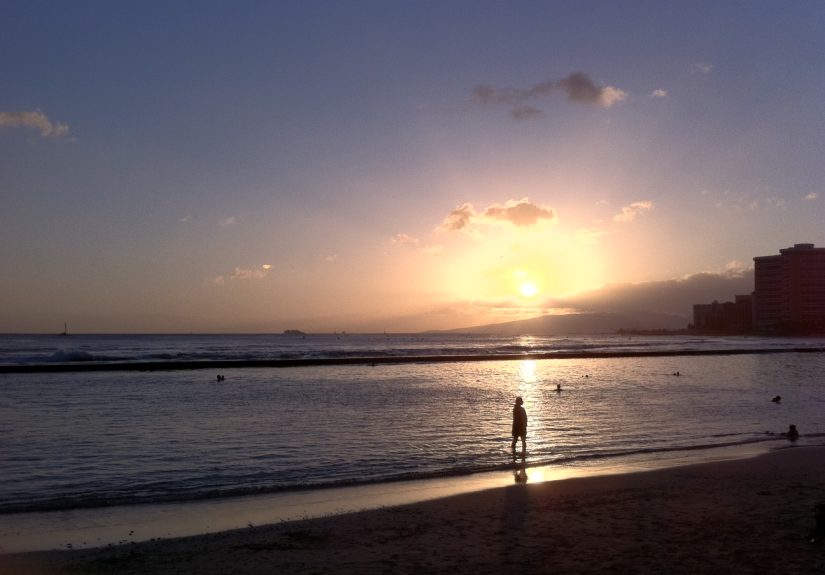
exists exactly where you need it, and then end the day by watching the sky do a pastel sunset routine like it’s paid per performance.
Washington brings the “water plus mountains” combo that turns normal commutes into casual postcards. One day you’re on a ferrystanding on the deck with a hot drink,
watching the shoreline slide past while seagulls run their own chaotic startup. Another day you’re in a city park with views of the Sound, and you realize the outdoors
here isn’t a destination; it’s the default backdrop. Even the quick weeknight version is good: a short walk, a waterfront bench, a few deep breaths, and suddenly your
brain remembers it isn’t just an email machine.
And then there are the small cultural moments that add up: a neighborhood food truck that becomes your “we had a long week” ritual, a community festival where you
discover a band you actually like, a beach bonfire where someone brings the world’s most aggressively artisanal s’mores ingredients. West Coast living is often a series
of tiny upgradesmore time outside, more fresh food, more room for curiosity. It doesn’t solve your problems. But it does make it easier to step back, look around,
and think, “Okay. I get it now.”