Table of Contents >> Show >> Hide
- What you’ll learn (without needing a food science degree)
- So… what exactly are lentils?
- Why lentils are a nutrition powerhouse (without being a “health food” cliché)
- Types of lentils (and what each one is good at)
- Where lentils “count” on a healthy plate
- Health benefits of lentils (what the science-friendly sources generally agree on)
- How to cook lentils (the “please don’t overthink it” guide)
- Dried vs. canned lentils: which should you buy?
- Buying and storing lentils (so they’re still good when you remember you bought them)
- Common lentil questions (and friendly reality checks)
- Easy ways to use lentils (with specific examples)
- Sustainability and budget: lentils quietly win again
- Real-world experiences: what people notice when they start eating lentils (about )
- Conclusion
Lentils are the tiny, humble, “how is this so filling?” members of the legume family. They look like little
edible coins, cook faster than most beans, and somehow manage to be cheap, nutritious, and versatile
without making a big fuss about it. If your pantry had a “most likely to save dinner” award, lentils would
be nominated every year.
In plain English: lentils are edible seeds from a legume plant (a “pulse”), usually sold dried or sometimes
canned, and used in everything from soups and stews to salads, tacos, and veggie burgers. They’re
popular around the world for one simple reason: they work. They soak up flavor, add hearty texture, and
bring protein and fiber to the party like they were hired for it.
So… what exactly are lentils?
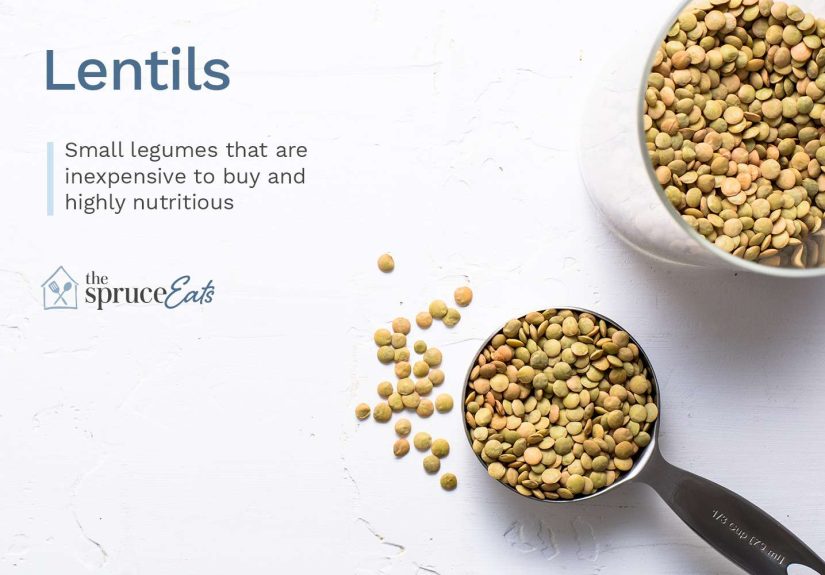
Lentils are legumeslike beans, peas, chickpeas, and peanutsbut they’re typically smaller and faster
to cook. In nutrition and agriculture, lentils are also called pulses, a category of dried edible seeds
from legume plants. (Think of “pulses” as the umbrella, and lentils as one of the star performers under it.)
They’re usually sold as dried lentils in bags. Unlike many dried beans, lentils often don’t require soaking
and can be dinner-ready in about the time it takes to argue with your group chat about where to eat.
They come in multiple colors and sizes, each with slightly different texturessome stay firm, some turn
creamy, and some basically volunteer to become soup.
Why lentils are a nutrition powerhouse (without being a “health food” cliché)
Lentils check a lot of boxes: they’re high in plant-based protein, loaded with fiber, naturally low in saturated
fat, and packed with important micronutrients. They also tend to be budget-friendly, shelf-stable, and easy
to season. That’s a rare triple-threat in the modern grocery aisle.
Lentil nutrition snapshot
A common reference serving is 1 cup of cooked lentils. Nutritionally, that serving lands around
the low-to-mid 200 calorie range and delivers a big hit of protein and fiberplus minerals like iron and
potassium and B vitamins like folate. Translation: lentils are “stick to your ribs” food that can fit into many
eating styles, from omnivore to vegetarian to vegan.
Protein + fiber: the duo that makes meals feel satisfying
Protein helps support muscle and keeps you satisfied after eating. Fiber supports digestive health and
helps slow digestion, which can make energy feel steadier. Lentils bring both, which is why a lentil-based
meal often feels surprisingly substantialeven if it’s mostly plants and spices doing the heavy lifting.
Micronutrients that matter
Lentils commonly contribute:
- Folate (vitamin B9), important for cell growth and especially relevant for pregnancy planning
- Iron, a mineral involved in oxygen transport (plant sources pair well with vitamin C foods)
- Potassium, which supports normal muscle function and plays a role in blood pressure balance
- Magnesium and phosphorus, involved in energy metabolism and bone health
- Polyphenols (plant compounds) that have antioxidant activity
Types of lentils (and what each one is good at)
Lentils aren’t one-size-fits-all. Different types behave differently in the pot, which is great news because
it means you can pick the right lentil for the job instead of accidentally making lentil paste when you wanted
a salad topping.
| Type | Texture when cooked | Typical cook time | Best uses |
|---|---|---|---|
| Brown lentils | Soft but can hold shape if not overcooked | ~20–25 minutes | Soups, stews, chili, “meaty” crumbles |
| Green lentils | More firm, earthy flavor | ~15–20 minutes | Salads, bowls, sides, meal prep |
| French green (Puy-style) | Firm and peppery; holds shape well | ~15–25 minutes | Salads, fancy-ish sides, warm vinaigrette dishes |
| Red (often split/decorticated) | Breaks down fast and turns creamy | ~5–7 minutes | Dals, purees, thick soups, quick weeknight dinners |
| Black (Beluga) | Very firm; holds shape | ~20–25 minutes | Salads, grain bowls, “caviar-like” garnish energy |
Practical takeaway: if you want lentils that stay distinct (for salads), choose green, French green, or black.
If you want creamy comfort (for curry, dal, or thick soup), red lentils are your best friend.
Where lentils “count” on a healthy plate
Lentils are a bit of a category-benderin a good way. Depending on how you’re tracking your eating pattern,
lentils can be counted with vegetables or with protein foods. Nutritionally they share qualities of both:
fiber and potassium like vegetables, and protein plus iron and zinc like protein foods.
Health benefits of lentils (what the science-friendly sources generally agree on)
Lentils are not magic. They won’t fix your inbox. But they do support a lot of the big “boring but important”
health goals: heart health, digestive health, steady energy, and overall diet quality.
1) Steadier blood sugar (thanks, fiber + slow-digesting carbs)
Lentils contain fiber and slow-digesting starches, which can help reduce rapid blood sugar spikes compared
with refined carbs. This is one reason lentils show up often in guidance around balanced meals: pair lentils
with vegetables and a healthy fat, and you’ve got a meal that tends to “hold” well.
2) Heart-friendly nutrition
Lentils are naturally low in saturated fat and sodium (when cooked without salty add-ins). They also provide
fiber and potassiumnutrients commonly associated with cardiovascular support. Many heart-healthy eating
patterns emphasize legumes, including lentils, because they can replace higher saturated-fat proteins while
still feeling satisfying.
3) Gut support (yes, the “fiber talk,” but actually useful)
Lentils contain multiple types of fiber and resistant starch. Those carbohydrates reach the large intestine
where gut bacteria can ferment themsupporting a healthy microbiome. The same process can cause gas for
some people, which is not a lentil flaw so much as a “welcome to fiber” adjustment period.
4) Weight management support (the “fullness factor”)
Meals built around lentils tend to be high-volume, high-fiber, and protein-containingthree traits linked to
satiety. That doesn’t mean lentils cause weight loss by themselves, but they can make it easier to build meals
that keep you satisfied without relying on ultra-processed snacks two hours later.
How to cook lentils (the “please don’t overthink it” guide)
Do you need to soak lentils?
Usually, no. Lentils are smaller than most beans and cook relatively quickly, so soaking isn’t required. That said,
some people choose to soak lentils for a few hours or overnight to reduce cooking time and potentially improve
digestibility. If you soak, drain and rinse before cooking.
Basic stovetop method (works for most lentils)
- Sort and rinse: Pour lentils into a bowl, look for tiny stones or debris, then rinse well.
- Add water: Use about 3 cups water for 1 cup dried lentils (more for soupier results).
- Simmer: Bring to a boil, then reduce to a gentle simmer.
- Cook until tender: Time depends on the type (see table above).
- Salt timing tip: Add salt near the end if you want the skins to stay intact and the texture firm.
- Drain if needed: For salads, drain extra water. For soups, keep it and call it “flavor broth.”
Fast flavor upgrades (because plain lentils can taste like a polite handshake)
- Cook in broth instead of water (or do half-and-half).
- Add aromatics: onion, garlic, celery, carrots, ginger.
- Use spices early: cumin, smoked paprika, curry powder, bay leaf.
- Finish bright: lemon juice, vinegar, chopped herbs.
- Make it rich: a drizzle of olive oil or a spoon of yogurt (if your style allows it).
Dried vs. canned lentils: which should you buy?
Dried lentils are the best value and give you the most control over texture. They’re pantry-friendly
and generally simple to cook. Canned lentils are a convenience MVP: rinse them and they’re ready for
salads, wraps, and quick sautés.
If you use canned lentils, rinsing can help reduce sodium. If you cook dried lentils, you control the salt from
the start. Both options can be part of a healthy eating patternchoose based on time, budget, and how likely
you are to cook on a Tuesday at 8:30 p.m.
Buying and storing lentils (so they’re still good when you remember you bought them)
- Storage: Keep dried lentils in an airtight container in a cool, dry place.
- Shelf life: They last a long time, but older lentils may take longer to soften.
- Cooked lentils: Refrigerate promptly and use within several days; freeze for longer storage.
Common lentil questions (and friendly reality checks)
Are lentils a “complete protein”?
Lentils are a great protein source, but like many plant foods they’re lower in certain amino acids compared with
animal proteins. The practical fix is easy: eat lentils as part of a varied diet. Pair them with whole grains
(brown rice, quinoa, whole wheat), nuts/seeds, or dairy/eggs if you eat those. You don’t need to combine foods
perfectly in one biteyour overall day matters more than one meal.
Will lentils make me gassy?
They can, especially if your diet is currently low in fiber. Lentils contain fermentable carbs and lots of fiber,
so your gut bacteria may throw a small celebration (with balloons made of… gas). The fix is also simple:
start with smaller portions, increase gradually, rinse canned lentils, cook dried lentils until tender, and drink
enough water. Many people notice symptoms decrease as their body adapts.
What about “anti-nutrients” like lectins and phytates?
Some legumes contain compounds like lectins that are more active in raw forms. The good news: lentils are
typically eaten cooked, and cookingespecially boiling or stewinggreatly reduces active lectins. Soaking and
cooking are traditional prep methods for a reason: they improve texture, digestibility, and overall eating
experience. If you have a medical condition that requires specific mineral management or a low-potassium diet,
talk with a clinician or dietitian before making big changes.
Easy ways to use lentils (with specific examples)
- Taco filling: Cook brown lentils with taco seasoning and sautéed onions. Use like ground meat.
- Soup shortcut: Add red lentils to vegetable soup to thicken it without cream.
- Salad upgrade: Toss green or black lentils with cucumbers, tomatoes, feta, and vinaigrette.
- Pasta sauce boost: Stir cooked lentils into marinara for more protein and texture.
- Breakfast-ish: Warm lentils with olive oil, lemon, and an egg on top (if you eat eggs).
- Meal prep bowls: Lentils + roasted veggies + a grain + a sauce = lunch that doesn’t feel sad.
Sustainability and budget: lentils quietly win again
Lentils are often highlighted as a sustainable protein choice because legumes generally have a lower
environmental footprint than many animal proteins and can fit into plant-forward diets. On the wallet side,
they’re one of the most cost-effective ways to get protein and fiber together. In other words: lentils are
practical in the way a good pair of sneakers is practicalunflashy, reliable, and suddenly you wonder how you
lived without them.
Real-world experiences: what people notice when they start eating lentils (about )
When someone tries lentils for the first time, the most common surprise is how “real meal” they feel. There’s
a stereotype that plant-based proteins are either rabbit food or mystery patties. Lentils are neither. They’re
hearty, warm, and (when seasoned properly) genuinely craveable. Many people describe their first successful
lentil dish as a small kitchen victorylike discovering a cheat code that’s legal.
Another frequent experience: the texture lesson. People who grab the wrong type of lentil for the job might
learn, the hard way, that red lentils don’t want to be a salad topping. Red lentils cook quickly and break down
into a creamy, stew-thickening consistency. That’s perfect for dal or soup, but if you were aiming for distinct
little lentil “beads,” green or black lentils are the move. Once people match the lentil to the recipe, success
rates go way upand so does enthusiasm.
Meal preppers often become lentil fans because cooked lentils behave well in the fridge. A batch of green or
brown lentils can turn into multiple meals: a grain bowl on Monday, taco filling on Wednesday, and a soup
add-in on Friday. People also notice lentils soak up sauces like they were designed for it. Toss them in
vinaigrette, curry, or tomato sauce, and they start tasting less like “ingredients” and more like “dinner.”
Then there’s the “I didn’t expect to feel that full” moment. Many people report that a lentil-based lunch keeps
them satisfied longer than a refined-carb lunch. It’s not magic; it’s the protein-and-fiber combo doing its job.
This often shows up in practical ways: fewer random snack attacks, steadier energy, and less of the 3 p.m.
slump that makes you consider drinking coffee as a personality trait.
A very real beginner experience is digestive adjustment. If someone goes from “some fiber” to “a cup of lentils
and a side salad” overnight, the gut may respond loudly. The people who stick with it usually learn a simple
rhythm: start with smaller portions (like half a cup cooked), increase slowly, cook lentils until tender, and
drink enough water. Many also find that rinsing canned lentils or soaking dried lentils helps. Over time, the
body adapts, and lentils become an easy staple rather than a digestive gamble.
Finally, a surprisingly common story: lentils win over skeptical eaters when they’re used as an ingredient, not
a lecture. Add lentils to chili, taco filling, bolognese, or a smoky stew, and people often enjoy the result
without even realizing they’re eating something that’s “good for them.” The best lentil experience isn’t
perfectionit’s practicality: a meal that tastes great, costs less, and makes you feel like you’ve got your life
together (at least for one evening).
Conclusion
Lentils are small, fast-cooking legumes that deliver big benefits: protein, fiber, and key nutrients in an
affordable, flexible package. Whether you’re building a more plant-forward routine or just want dependable
weeknight meals, lentils are worth knowing. Start with one type (brown or green is the easiest), cook a batch,
and use it in two or three different meals. Your future selfthe one who’s hungry and tiredwill be grateful.