Table of Contents >> Show >> Hide
You flip on the bathroom light at midnight, and there it is: a tiny silver bug doing a panic sprint across the floor like it just remembered it left the oven on. Congratulations, you may have met a silverfish. The good news is that silverfish are not dangerous in the dramatic, horror-movie sense. They do not bite, sting, or spread chaos by chasing you down the hallway. The bad news is that they are weirdly talented at turning damp, neglected corners of a home into their personal snack bar.
If you have been wondering what causes silverfish in houses and how to get rid of them, the answer is not one magic spray or one heroic afternoon of cleaning. Silverfish show up for a combination of reasons: moisture, darkness, food sources, clutter, and little hiding places you forgot existed. In other words, they are less “random invader” and more “tiny auditor of your home’s humidity problems.”
This guide breaks down why silverfish appear, what attracts them, where they hide, and the smartest ways to get rid of them without turning your house into a chemistry experiment. Let’s deal with the shiny little freeloaders.
What Are Silverfish, Exactly?
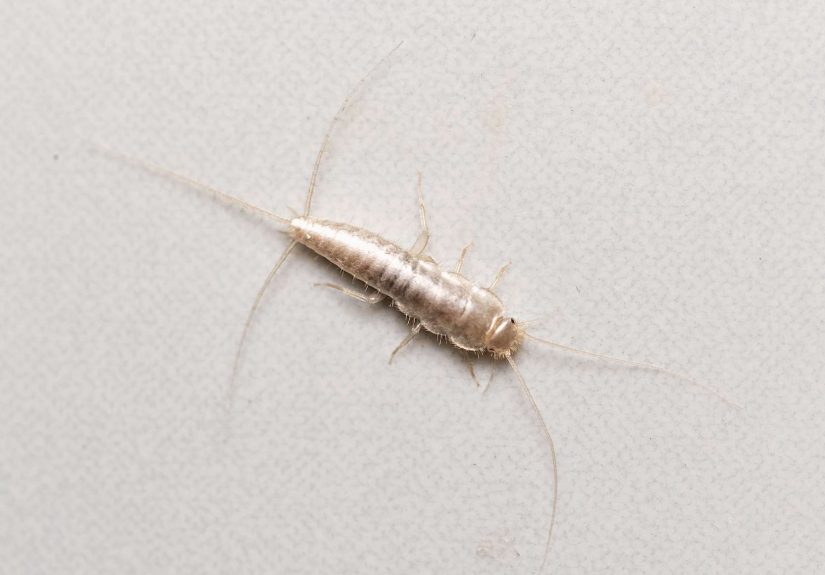
Silverfish are small, wingless, fast-moving insects with silvery scales and a fish-like wiggle, which explains the name. They are nocturnal, meaning they prefer to come out at night when the house is quiet and your dignity is lowest because you are holding a paper towel and whispering, “Absolutely not.”
These pests are more nuisance than threat, but they can damage household items over time. They feed on materials rich in starches, sugars, carbohydrates, proteins, and cellulose-like ingredients. That includes paper, book bindings, wallpaper paste, cardboard, fabrics, crumbs, dry pantry goods, and even dust and debris in overlooked corners. So while they are not dangerous to people, they can be rude to your books, boxes, and stored belongings.
What Causes Silverfish in Houses?
If silverfish keep showing up, your home is offering them one or more of the following things: moisture, shelter, food, and easy access. Usually, it is a package deal.
1. High Humidity and Moisture
The number one reason silverfish move indoors is moisture. They thrive in damp, humid conditions, which is why they love bathrooms, basements, laundry rooms, crawl spaces, attics, garages, and under-sink cabinets. If a room feels muggy, stale, or permanently one shower away from becoming a rainforest, silverfish may consider it premium real estate.
Leaky pipes, poor ventilation, condensation, damp cardboard, wet towels, and even humid air from daily showers or cooking can make a home much more attractive to them. This is why silverfish problems often get worse in older homes, poorly ventilated apartments, and storage-heavy houses where air does not move well.
Think of silverfish as moisture detectives with antennae. If they are hanging around, your home may be holding onto more humidity than you realize.
2. Dark, Quiet Hiding Spots
Silverfish are shy. They are not interested in your bright kitchen island, your sunny breakfast nook, or your perfectly curated living room shelf. They want dark, still places where nobody bothers them. That means behind baseboards, inside wall voids, beneath sinks, behind bookcases, inside closets, under stored papers, and in the mysterious zone behind the washing machine where socks and common sense disappear.
If a space stays undisturbed for long stretches, silverfish are more likely to settle in and reproduce. Homes with packed storage rooms, old magazines, cardboard boxes, stacks of paper, or overloaded linen closets often give them plenty of cover.
3. Food Sources You Did Not Realize Count as Food
Silverfish are not fussy eaters. They are drawn to many common household materials, especially anything starchy or protein-rich. Their menu can include:
- Paper and book pages
- Wallpaper paste and glue
- Cardboard boxes
- Cereal, flour, pasta, oats, and dry pantry goods
- Pet food and pet treats
- Fabrics, especially starched items
- Dust, dead insects, and organic debris
That is why silverfish often show up in libraries, storage rooms, pantry corners, and near paper-heavy clutter. A stack of old magazines in a damp basement? To you, nostalgic chaos. To silverfish, all-inclusive dining.
4. Clutter Gives Them Shelter and Snacks
Clutter does two things silverfish love: it creates hiding places, and it traps moisture. Piles of cardboard, newspapers, craft supplies, old receipts, forgotten clothing, or packed storage bins create the kind of sheltered environment where silverfish can hang out undisturbed.
Paper clutter is especially appealing because it gives them both cover and food. The more packed and dusty an area becomes, the easier it is for a silverfish problem to grow unnoticed.
5. Cracks, Crevices, and Sneaky Entry Points
Sometimes silverfish do not start inside the house. They come in through gaps around baseboards, windows, doors, plumbing penetrations, vents, and foundation cracks. They may also hitchhike indoors on cardboard boxes, furniture, storage bins, or building materials.
In newer homes, construction materials and leftover moisture can briefly create a welcoming environment. In older homes, worn seals and hidden cracks make entry easier. Either way, once silverfish find moisture and food, they are not in a hurry to leave.
Signs You May Have a Silverfish Problem
Silverfish are masters of the vanishing act, so you may notice the evidence before you see the bugs themselves. Common signs include:
- Seeing silverfish at night in bathrooms, basements, or closets
- Small irregular holes in paper, wallpaper, or fabric
- Yellowish stains on books, paper, or clothing
- Tiny pepper-like droppings
- Shed scales or skins near damaged items
One silverfish does not always mean a full infestation, but repeated sightings usually mean conditions are good enough for more to be hiding nearby.
How to Get Rid of Silverfish
If you want to get rid of silverfish for good, the winning strategy is environmental control first, treatment second. Translation: fix what is attracting them, then remove the ones already there.
Step 1: Lower the Humidity
If silverfish had a dating profile, “loves humidity” would be in the first sentence. Reducing moisture is the most important thing you can do. Use a dehumidifier in damp rooms, run bathroom exhaust fans during and after showers, open windows when practical, and improve airflow with fans where air tends to sit still.
Fix leaking pipes, sweating plumbing, slow drips under sinks, and any water intrusion around windows or foundations. Dry out wet cardboard, damp laundry piles, and areas where condensation collects. If your basement smells like a sponge wearing a sweater, start there.
Step 2: Declutter and Deep Clean
Silverfish love messy, quiet corners because those areas protect them from light and human interruption. Remove stacks of old paper, flatten your cardboard situation, and get rid of anything damp or unnecessary. Vacuum along baseboards, under furniture, inside closets, and behind appliances.
Do not skip dusting. Dust may not seem like a buffet, but for silverfish it can contain food particles, fibers, and organic matter. A clean room is less delicious to them.
Step 3: Protect Pantry and Paper Goods
Store dry foods like cereal, flour, rice, oats, pet food, and pasta in airtight containers. Move valuable paper items, keepsakes, and important documents out of humid spaces. Books, photos, tax papers, and craft supplies should not live in damp basements or garages unless they are sealed and protected.
Replacing cardboard storage with plastic bins can make a surprisingly big difference. Cardboard is basically a silverfish starter apartment.
Step 4: Seal Their Hiding Places
Use caulk to seal cracks and crevices around baseboards, trim, pipes, cabinets, wall openings, and where wiring enters the home. Repair weatherstripping around doors and windows. The goal is to reduce both entry points and the tight little shelters where silverfish hide and lay eggs.
This step matters because even if you kill the silverfish you see, more can keep appearing if the house still offers endless harborage.
Step 5: Use Traps for Monitoring and Control
Sticky traps are helpful because they do two jobs at once: they catch silverfish and tell you where the activity is happening. Place traps near baseboards, under sinks, behind toilets, inside closets, and in storage areas. You can also use simple jar traps or rolled damp newspaper traps, then dispose of them once silverfish gather inside.
Traps are especially useful in early infestations or after cleaning, because they help you track whether the problem is shrinking.
Step 6: Use Dust Treatments Carefully
If moisture control and cleaning are not enough, some homeowners use products like diatomaceous earth, silica-based dusts, or boric acid in cracks and crevices. These are typically used in dry, low-traffic areas where children and pets will not contact them.
The key word here is carefully. More is not better. Follow the product label exactly, avoid open surfaces where dust can spread, and never treat food-contact areas casually. A targeted crack-and-crevice approach is smarter than dumping powder around like you are seasoning the house.
Step 7: Call a Pest Professional if the Problem Persists
If you keep seeing silverfish after drying the area, cleaning thoroughly, sealing gaps, and trapping, it may be time to call a licensed pest control professional. This is especially true if the infestation is widespread, hidden inside walls, or tied to a bigger moisture issue that needs expert diagnosis.
A professional can help identify the source, confirm whether silverfish are the only pest involved, and apply treatments more precisely.
What Not to Do
When people panic over silverfish, they sometimes jump straight to the loudest solution instead of the smartest one. Here is what not to do:
- Do not ignore the humidity problem and rely only on sprays
- Do not leave paper clutter and cardboard in damp rooms
- Do not scatter pest-control dusts where kids or pets can reach them
- Do not assume they will disappear on their own
- Do not store pantry foods in flimsy bags once you know silverfish are around
If the environment stays damp and cluttered, silverfish will keep treating your efforts like a mild inconvenience.
How Long Does It Take to Get Rid of Silverfish?
That depends on how bad the problem is and whether you fix the root causes. If you catch the issue early and dry out the area fast, you may notice improvement in a couple of weeks. If your home has long-term humidity problems, deep clutter, or hidden access points, it can take longer.
Silverfish are frustrating because they can survive a long time with very little food. That means simply “starving them out” is not usually enough. Moisture reduction is the real power move. Once the environment stops favoring them, the population usually becomes easier to control.
How to Prevent Silverfish from Coming Back
Prevention is mostly about making your house boring to silverfish. And honestly, boring is underrated when it comes to pest control.
- Keep bathrooms, basements, and laundry rooms dry
- Use dehumidifiers where needed
- Fix plumbing leaks quickly
- Vacuum regularly, especially along edges and under furniture
- Store dry foods in airtight containers
- Reduce cardboard and paper clutter
- Seal cracks, crevices, and utility openings
- Check stored items before bringing them indoors
If you keep the home dry, clean, and well-sealed, silverfish have a much harder time settling in.
Experiences from Homeowners Dealing with Silverfish
One of the most common silverfish stories starts in a bathroom. A homeowner notices one darting behind the toilet, shrugs it off, and then sees another a few nights later. The real breakthrough usually does not come from a random spray. It comes from realizing the bathroom fan barely works, the caulk around the tub is aging, and the cabinet under the sink smells damp. Once those issues are fixed, the silverfish sightings often drop dramatically. That experience shows why these bugs are often a symptom of a moisture-friendly environment rather than a simple one-time invasion.
Another very relatable experience happens in basements and storage rooms. Someone finally decides to reorganize after months or years of postponing it and discovers old magazines, flattened shipping boxes, dusty books, and fabric bins tucked into corners. That kind of setup is basically luxury housing for silverfish. People often report that the biggest improvement came after switching from cardboard boxes to sealed plastic bins, vacuuming behind everything, and running a dehumidifier consistently. In other words, the silverfish problem did not disappear because of one dramatic product. It improved because the environment stopped helping them.
Then there are the “I thought it was just one bug” stories. A person sees a silverfish in the laundry room, brushes it off, and does nothing. A few weeks later, there are sightings in a closet, then in the hallway, then in a box of holiday decorations. What many people learn the hard way is that repeated sightings usually mean the insects are not wandering in from nowhere. They are finding enough moisture and shelter to stay. Once homeowners begin using sticky traps, they often realize where the activity is concentrated, which makes the cleanup much more strategic.
Book lovers and paper collectors have their own version of silverfish frustration. People who store books in humid rooms sometimes notice tiny feeding damage, yellow stains, or shedding scales long before they understand what is causing it. Their experiences often lead to the same lesson: paper and damp air are a terrible combination. Moving books and keepsakes to drier rooms, improving airflow, and cleaning shelves thoroughly can make a major difference. It is not the most glamorous home project in the world, but neither is discovering your favorite paperback has become a midnight snack.
Renters often describe a slightly different challenge. They may be diligent about cleaning, yet still see silverfish because the building has plumbing issues, poor ventilation, or hidden gaps around pipes and baseboards. In those cases, people often say the most useful step was documenting where and when the bugs appeared, then reporting both the pest issue and the likely moisture issue to management. The key experience here is that silverfish are not always about housekeeping. Sometimes they are a clue that the building itself needs attention.
Across all these experiences, the pattern is remarkably consistent. The people who get the best results usually combine several small actions: dry the room, clean deeply, remove paper clutter, store food properly, seal cracks, and use traps to track progress. The people who struggle most are often the ones who treat only the visible bugs while leaving the dampness and hiding places untouched. Silverfish are annoying, yes, but they are also predictable. Once you understand what is feeding the problem, your plan becomes much more effective.
Final Thoughts
So, what causes silverfish in houses? Usually the answer is a mix of humidity, darkness, clutter, food sources, and easy access. They show up where air is damp, shelves are crowded, paper piles are ignored, and plumbing leaks quietly do their thing.
And how do you get rid of them? Start by drying the space out. Then clean, declutter, seal gaps, protect pantry goods and paper items, and use traps to monitor activity. If needed, move to careful, targeted treatment or professional help. The trick is not just killing a few silverfish. It is making your house a place where silverfish would leave a one-star review.