Table of Contents >> Show >> Hide
- Pumpkin Spice, Explained in One Sentence
- What’s in Pumpkin Spice (and Why Each Spice Matters)
- Where Pumpkin Spice Came From: Older Than the Latte Hype
- The Pumpkin Spice Latte Effect: How a Drink Became a Season
- The Science of Why Pumpkin Spice Is So Addictive
- Pumpkin Spice vs. Similar Flavors
- How to Use Pumpkin Spice Without Turning Your Kitchen Into a Candle Store
- Buying vs. Making Your Own Pumpkin Spice
- Common Myths About Pumpkin Spice
- Conclusion: Pumpkin Spice Is a Flavor Shortcut to Fall
Every fall, “pumpkin spice” shows up like that friend who only texts when hoodie weather hits: suddenly everywhere, wildly confident, and somehow in your coffee, your candles, andif the internet is to be believedyour dog’s shampoo. But what is pumpkin spice, really? Is it pumpkin? Is it spice? Is it… a lifestyle choice?
Let’s demystify the blend behind the madnesswhere it came from, what’s actually in it, why it tastes like a warm hug, and how it became the unofficial flavor of American autumn.
Pumpkin Spice, Explained in One Sentence
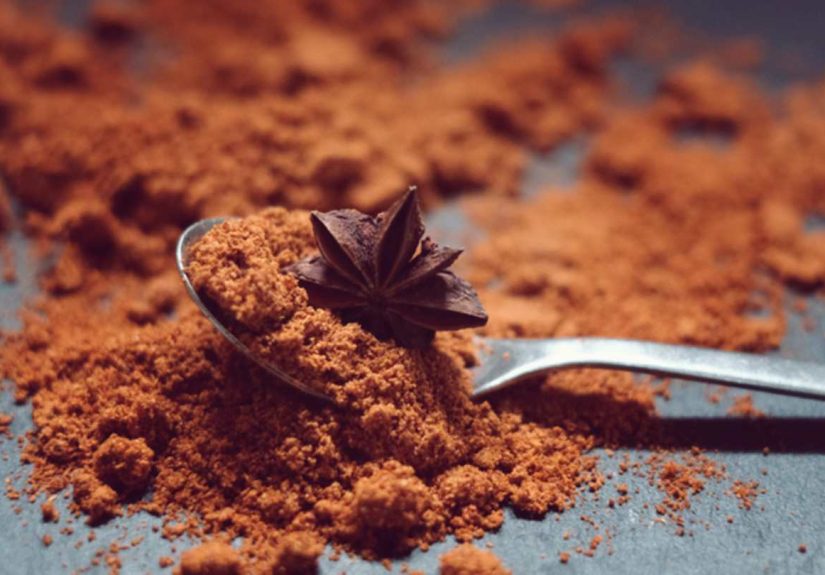
Pumpkin spice (often sold as pumpkin pie spice) is a pre-mixed blend of warm baking spicesusually cinnamon, nutmeg, ginger, cloves, and sometimes allspicedesigned to taste like classic pumpkin pie without necessarily containing any pumpkin.
Think of it like a movie soundtrack: it’s not the pumpkin itself, it’s the set of flavors that make your brain go, “Ah yes, leaves are falling, my calendar is suddenly full, and I should probably buy a sweater.”
So… Does Pumpkin Spice Contain Pumpkin?
In the spice jar? Usually no. The traditional “pumpkin pie spice” concept is the seasoning you add to pumpkin filling. In other words, it’s “spices for pumpkin,” not “spices made from pumpkin.”
In pumpkin-spice-flavored foods and drinks? Sometimes. Many products rely on the spice profile alone, while others include real pumpkin or pumpkin purée for body, color, or flavor. This is why two “pumpkin spice” items can taste surprisingly differentone is mostly aroma-driven, the other has actual squash-like depth.
What’s in Pumpkin Spice (and Why Each Spice Matters)
Pumpkin spice is basically the Avengers of cozy spiceseach one brings a specific superpower, and together they make a flavor that’s bigger than the sum of its parts.
The Usual Lineup
- Cinnamon: sweet warmth and that instantly recognizable “baked dessert” aroma.
- Nutmeg: nutty, woody richness (a little goes a long waynutmeg is the drama queen of the rack).
- Ginger: bright zing that keeps the blend from tasting flat or overly sweet.
- Cloves: deep, perfumey intensitypowerful enough to be detected from three counties away.
- Allspice (optional but common): peppery-sweet complexity that bridges cinnamon and clove notes.
Why It Tastes Like “Fall” Even Without Pumpkin
Pumpkin itself is mildslightly sweet, earthy, and squashy. The big “pumpkin pie” flavor you recognize is mostly the spice blend, plus sugar, dairy, vanilla, and browned/baked notes. That’s why pumpkin spice can show up in coffee, cookies, cereal, and candles and still feel “right,” even when no pumpkin is invited to the party.
Is There an Official Recipe?
There isn’t one single governing body of Pumpkin Spice (although that would be a very on-brand committee meeting). Most commercial blends follow the same core spice family but vary in proportions. Cinnamon typically leads, with nutmeg and ginger in the middle, and clove/allspice in smaller amounts for punch.
If you’ve ever tried two pumpkin spice lattes and thought, “Why does this one taste like a candle store and that one tastes like pie?” congratulationsyou’ve discovered the power of ratios.
Where Pumpkin Spice Came From: Older Than the Latte Hype
Pumpkin spice didn’t start as a marketing slogan. It grew out of American baking traditionsspecifically pumpkin pie, which has roots going back to early American cookbooks. Long before anyone hashtagged a drink, cooks were seasoning squash custards with warming spices like nutmeg and ginger.
The Convenience Era: Pre-Mixed “Pumpkin Pie Spice”
By the early 20th century, U.S. companies began selling pre-mixed spice blends to make home baking simpler. A jar that combined the key pie spices was cheaper and easier than buying multiple bottles and playing “Guess Which One Is Stale.” One of the most cited milestones is commercial “Pumpkin Pie Spice” appearing in the 1930s.
The Name Shift: From “Pumpkin Pie Spice” to “Pumpkin Spice”
Over time, people shortened the phrase the way humans shorten everything (see: “refrigerator” to “fridge,” “pumpkin pie spice latte” to “PSL,” and “I’m fine” to “I’m absolutely not fine”). “Pumpkin spice” became the casual umbrella term for the flavor profile, even when the product wasn’t pie-related.
The Pumpkin Spice Latte Effect: How a Drink Became a Season
If pumpkin spice already existed, why did it suddenly turn into a cultural event? Because one very specific beverage showed up at exactly the right moment: the Pumpkin Spice Latte.
How the PSL Turned a Spice Blend Into a Ritual
When Starbucks introduced the Pumpkin Spice Latte in the early 2000s, it wasn’t just adding another flavored coffee. It was selling a seasonal ritual: a limited-time treat that signals the start of fall. Scarcity (it won’t be here forever), nostalgia (it smells like holidays), and social proof (everyone else is holding one) are a powerful trio.
“Wait, Did It Always Have Real Pumpkin?”
Not in the way people imagine. Many pumpkin-spice products lean heavily on spices and sweet flavors to create the “pumpkin pie” vibe. Starbucks later updated its pumpkin sauce to include real pumpkin puréepartly because customers wanted to see “pumpkin” on the ingredient list, and partly because ingredient transparency became a bigger deal over time.
From Coffee to… Everything
After the PSL took off, pumpkin spice became a “platform flavor”meaning it could be applied almost anywhere. You got pumpkin spice cookies, yogurt, cereal, ice cream, creamers, and the annual wave of “Is this too far?” products. (If you’ve ever seen pumpkin-spice-flavored something and felt personally challenged by its existence, you’re not alone.)
The Science of Why Pumpkin Spice Is So Addictive
Pumpkin spice isn’t just tasteit’s aroma, sensation, and memory. Food scientists and sensory researchers point out that the brain processes smell in a way that’s tightly linked to emotion and nostalgia. So when you smell cinnamon and nutmeg in early fall, you’re not just detecting moleculesyou’re time traveling.
Aroma Chemistry (The “Why It Smells Like Comfort” Part)
The signature notes come from naturally occurring aromatic compounds in spices: cinnamon’s recognizable warmth, clove’s bold intensity, ginger’s zing, and nutmeg’s woodsy sweetness. In many pumpkin-spice-flavored products, developers may also add vanilla-like, caramel-like, or buttery-maple notes to round out the profile, because your brain associates those with baked desserts.
It’s Not Just FlavorIt’s a Physical Sensation
Some spices lightly stimulate the trigeminal nerve (the same system that registers “cool” from menthol or “heat” from chili). That’s why pumpkin spice can feel “tingly,” “warming,” or “bright,” not just sweet. For some people, this is the best part. For others, it’s why they think pumpkin spice tastes like it’s trying too hard.
Why It’s Polarizing
Pumpkin spice has strong aromaticsespecially clove and nutmegwhich can tip from “cozy” to “perfumey” fast if the balance is off. Add the cultural hype, and you have a flavor people either eagerly await or love to roast as a seasonal cliché. (Both reactions can be true. Humans contain multitudes. And occasionally cinnamon.)
Pumpkin Spice vs. Similar Flavors
Pumpkin spice has cousins. Delicious cousins. Here’s how to tell them apart without starting a family feud at brunch.
Pumpkin Spice vs. Apple Pie Spice
Apple pie spice often overlaps but tends to lean more heavily on cinnamon and may include cardamom. Pumpkin spice typically brings more nutmeg/clove depth to match the richer, custard-like context of pumpkin pie. If you swap one for the other, your dessert won’t explodebut the vibe will shift.
Pumpkin Spice vs. Chai
Chai blends vary widely but often include cardamom, black pepper, and sometimes fennelmore “spiced tea” than “baking aisle.” Pumpkin spice is usually sweeter-leaning and dessert-coded. If chai is a wool coat, pumpkin spice is a fuzzy blanket.
Pumpkin Spice vs. “Mixed Spice”
Some regions have their own traditional mixed spice blends for baking. Pumpkin spice sits in that same broad category: a sweet-warm blend used for pies, custards, and autumnal treatsvery American in its modern fame, but connected to a wider global history of sweet spice blends.
How to Use Pumpkin Spice Without Turning Your Kitchen Into a Candle Store
Pumpkin spice works because it’s flexible. Use it like a supporting actor: enough to elevate the scene, not so much that it hijacks the plot.
Classic Uses (You Can’t Go Wrong)
- Baking: pumpkin pie, muffins, quick breads, cookies, pancakes, waffles.
- Breakfast: oatmeal, yogurt, granola, French toast, chia pudding.
- Drinks: coffee, lattes, hot chocolate, smoothies, milkshakes, even simple steamed milk.
Unexpected (But Legit) Uses
- Roasted vegetables: sweet potatoes, butternut squash, carrotsespecially with a little brown sugar or maple.
- Whipped cream: one pinch turns basic into “I host holidays now.”
- Spiced nuts: toss pecans or almonds with pumpkin spice, sugar, and salt.
- Savory sauces: a tiny dash can add warmth to BBQ rubs or chilijust keep it subtle.
Pro Tip: Add Salt
If pumpkin spice tastes “flat,” it may need a pinch of salt, not more spice. Salt sharpens sweetness and makes the warm notes pop. It’s the behind-the-scenes stage manager of flavor.
Buying vs. Making Your Own Pumpkin Spice
Store-bought pumpkin pie spice is convenient, consistent, and widely availableperfect if you bake occasionally or just want your latte to taste like fall without running a personal spice lab.
When Store-Bought Makes Sense
- You want one jar that does the job (and you don’t want five separate jars judging you from the pantry).
- You use it seasonally, not daily.
- You value consistency across batches of baking.
When DIY Is Worth It
- You want control: more ginger, less clove, extra nutmegyour blend, your rules.
- Your spices are fresher when bought individually in smaller amounts.
- You like experimenting (and you enjoy feeling like a wizard, which is valid).
A Sensible DIY Ratio (No Stress, No Perfectionism)
A common home approach is: mostly cinnamon, then smaller amounts of ginger and nutmeg, and just a touch of clove and/or allspice. Start mild, taste, and adjust. If you overshoot clove, don’t panicjust blend in more cinnamon to rebalance. Pumpkin spice should feel warm and rounded, not like it’s shouting.
Common Myths About Pumpkin Spice
Myth #1: “It’s Basically Just Cinnamon.”
Cinnamon is often the lead, but the blend’s character comes from nutmeg’s richness, ginger’s brightness, and clove/allspice depth. Remove those and you don’t get pumpkin spiceyou get cinnamon toast energy. Different vibe.
Myth #2: “Pumpkin Spice Is Fake.”
The spices themselves are real. Some products use actual ground spices; others use flavor extracts or “natural flavors” to replicate the profile more consistently in drinks and packaged foods. The concept is real either way: it’s a flavor profile built around recognizable warm spice notes.
Myth #3: “Pumpkin Spice Is Only for Sweet Things.”
It’s mostly used in sweet foods because it pairs well with sugar, dairy, and vanilla. But in small amounts, it can add warmth to savory dishesespecially with roasted squash, sweet potatoes, and spice rubs. The key word is “small.” This is not a “free-pour cloves” situation.
Conclusion: Pumpkin Spice Is a Flavor Shortcut to Fall
Pumpkin spice is less “pumpkin” and more “the memory of pumpkin pie”a warm blend of cinnamon, nutmeg, ginger, clove, and sometimes allspice that’s been part of American baking traditions for generations. Its modern fame exploded when the Pumpkin Spice Latte turned a cozy spice profile into a seasonal ritual, and now it’s a full-on cultural signal: fall is here, and we’re allowed to be a little extra.
Whether you love it, hate it, or pretend you hate it while secretly buying pumpkin spice creamer, you now know the truth: pumpkin spice is a spice blend, a sensory time machine, and a reminder that joy can be as simple as cinnamon plus nostalgia.
Pumpkin Spice in Real Life: of Cozy Experiences
Picture the first cool morning after a brutal summer. The air feels crisp, your phone suddenly starts suggesting “fall playlists,” and someone in your neighborhood has decided it’s time to decorate their porch like a pumpkin patch with a mortgage. You walk into a coffee shop and the smell hits you before the menu doeswarm spices, steamed milk, espresso, and a vague promise that your inbox can’t hurt you here. You order a pumpkin spice latte “just to see,” as if you haven’t been seeing it every year since the early 2000s. The first sip tastes like dessert disguised as productivity. You immediately understand why people line up for it, and why other people roll their eyes at the line while still taking a photo “ironically.”
Or maybe your pumpkin spice moment happens at home. You open the cabinet, find a jar of pumpkin pie spice that only appears between September and November (like a seasonal groundhog), and decide today is the day you become a person who bakes. You stir it into pancake batter and, suddenly, your kitchen smells like you’ve got your life together. The pancakes are goodsoft, warm, vaguely heroicand the spice gives them that bakery aroma that makes everyone wander in and ask, “What smells amazing?” You feel powerful. Domestic. Slightly unstoppable.
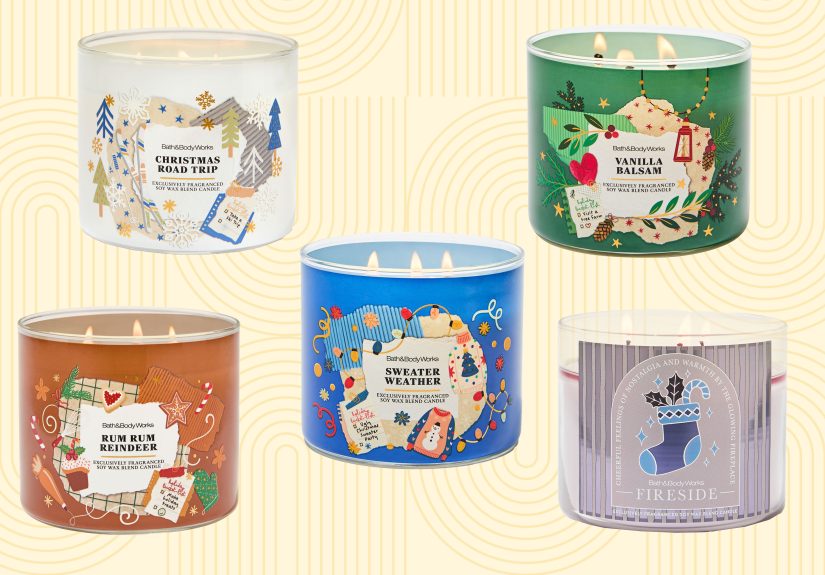
Then there’s the grocery store experience: an endcap piled with pumpkin spice everything. Cookies. Cereal. Cream cheese. Protein bars. A candle that promises “Autumn Hayride” but smells suspiciously like cinnamon plus optimism. You pick up a pumpkin spice product you didn’t know existed, not because you need it, but because you’re curious how far society has gone this year. Sometimes you try it and think, “Okay, that’s actually delicious.” Other times you realize it tastes like someone waved a clove near the factory line and called it a day. Either way, you’ve participated in the national tradition of seasonal experimentation, and that’s kind of beautiful.
Pumpkin spice also shows up in the smallest rituals: a sprinkle on oatmeal that makes Tuesday feel less Tuesday-ish; a pinch in whipped cream on hot chocolate that turns “warming up” into “holiday preview.” You might even try it on roasted sweet potatoes with a little salt and maple and discover it’s not just a dessert thingit’s a “cozy seasoning” thing. These are the moments where pumpkin spice earns its reputation: not as a trend, but as a shortcut to comfort. Love it or mock it, the blend does what it was built to domake everyday food feel like a season.