Table of Contents >> Show >> Hide
- A quick gallbladder refresher (because it’s small but dramatic)
- What exactly is acute cholecystitis?
- Causes of acute cholecystitis
- Risk factors: who’s more likely to get acute cholecystitis?
- Symptoms of acute cholecystitis
- How acute cholecystitis is diagnosed
- Treatment: what happens after you’re diagnosed?
- Potential complications (aka why doctors don’t want to “watch and wait” too long)
- When to seek care (and when to seek it fast)
- Prevention: can you lower your risk?
- Conclusion
- Experiences people commonly describe (real-life, relatable, and worth knowing)
- 1) “It started after dinner… and then it wouldn’t quit.”
- 2) “I thought it was the fluuntil the pain showed up.”
- 3) “I’d had ‘gallbladder attacks’ before, but this one was different.”
- 4) The hospital experience: “Everything moved quickly.”
- 5) Recovery stories: “I was nervous about surgery, but life got simpler afterward.”
- Helpful questions people often wish they asked sooner
Acute cholecystitis is one of those problems that can start as “huh, my stomach feels weird” and escalate into “okay, why does breathing hurt?” in a hurry. It’s an acute (sudden) inflammation of the gallbladder, and in most cases it happens because a gallstone blocks the cystic ductthe tiny “exit ramp” bile uses to leave the gallbladder. When that exit is blocked, bile backs up, pressure rises, the gallbladder wall gets irritated and swollen, and things can turn painful fast.
If your gallbladder had a customer service line, acute cholecystitis is basically it calling you back with a recorded message: “Your request cannot be processed. Please stop eating greasy food and seek medical care.” Jokes aside, this condition can be serious and needs prompt evaluation.
A quick gallbladder refresher (because it’s small but dramatic)
Your gallbladder is a small pouch under your liver. Its job is to store bile (a digestive fluid made by the liver) and squeeze it into your small intestine when you eatespecially when you eat fats. The gallbladder isn’t essential for survival, but it is excellent at getting your attention when something goes wrong.
What exactly is acute cholecystitis?
Acute cholecystitis means the gallbladder becomes inflamed over hours to days, usually due to blockage of bile flow. The classic scenario is a gallstone stuck in the cystic duct, leading to bile buildup and gallbladder wall inflammation. Over time, the swollen gallbladder can become infected, lose blood supply, or even develop tissue damageso it’s not a “walk it off” kind of problem.
Acute calculous vs. acalculous cholecystitis
- Acute calculous cholecystitis: The most common type; caused by gallstones (“calculi”).
- Acalculous cholecystitis: Less common; happens without gallstones and is more likely in people who are critically ill (ICU, severe infection, trauma, major surgery, burns, or prolonged fasting).
Why it can become an emergency
When the gallbladder stays blocked and inflamed, complications can developlike tissue death (gangrene), perforation (a tear), abscess formation, or widespread infection (sepsis). That’s why persistent right upper abdominal pain with fever or vomiting should be checked urgently.
Causes of acute cholecystitis
Acute cholecystitis has one main “headline cause,” plus a handful of less common (but important) supporting characters.
1) Gallstones blocking the cystic duct (most common)
This is the classic cause. A gallstone can lodge at the gallbladder neck or in the cystic duct. The gallbladder keeps trying to squeeze, bile can’t exit, pressure increases, and inflammation kicks in. Sometimes bacteria join the party later, but inflammation can begin even without infection.
2) Bile flow problems not caused by stones
Less commonly, the cystic duct can be blocked or affected by:
- Tumors or growths pressing on ducts
- Scarring or duct abnormalities
- Severe illness that disrupts normal gallbladder emptying
3) Acalculous cholecystitis (often in critically ill patients)
In acalculous cholecystitis, inflammation is often linked to poor gallbladder blood flow (ischemia), bile stasis (bile sitting too long), and systemic inflammation from serious illness. It’s seen more often in situations like:
- Sepsis or severe infection
- Major trauma, burns, or major surgery
- Prolonged fasting or total parenteral nutrition (IV nutrition)
- Extended ICU stays
Risk factors: who’s more likely to get acute cholecystitis?
Most risk factors come down to developing gallstones in the first placebecause gallstones are the usual trigger.
Risk factors for gallstones (and therefore acute cholecystitis)
- Sex and hormones: Women have a higher risk of gallstones, especially with higher estrogen states (pregnancy, hormone therapy, or certain birth control).
- Age: Risk increases as you get older.
- Family history: Gallstones can run in families.
- Obesity: Higher body weight is linked to higher cholesterol in bile, which can promote stone formation.
- Rapid weight loss: “Crash dieting” and very fast weight loss can increase gallstone risk.
- Diabetes and metabolic syndrome: These can raise the risk of gallstones.
- Diet patterns: Diets high in refined carbs and low in fiber may contribute (while a balanced diet supports healthier bile chemistry).
Risk factors for acalculous cholecystitis
Acalculous cholecystitis tends to show up in different circumstances:
- Critical illness (ICU stay, severe infection)
- Major surgery or trauma
- Prolonged fasting/poor nutrition
- Severe dehydration or low blood flow states
Symptoms of acute cholecystitis
Symptoms can vary, but acute cholecystitis has a pretty recognizable “signature.”
The most common symptom: right upper abdominal pain
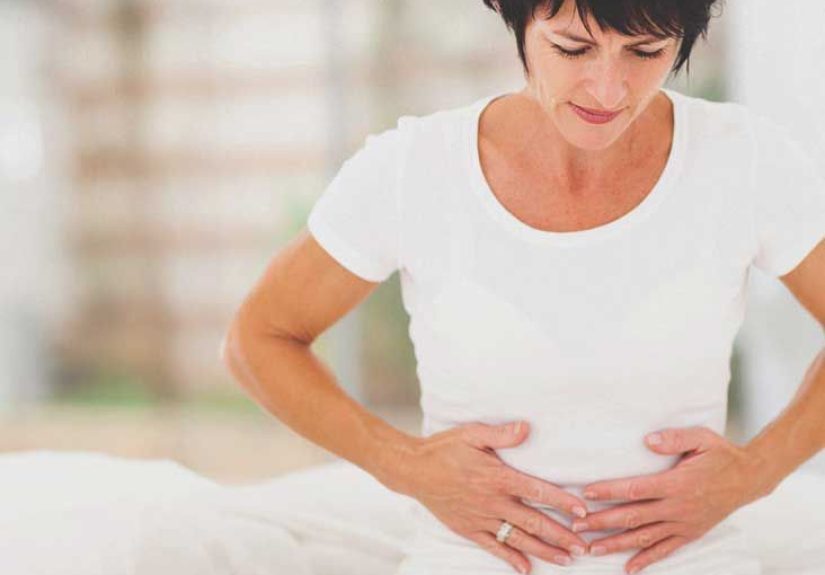
The hallmark is steady pain in the right upper quadrant (RUQ) or upper middle abdomen that often lasts longer than 30 minutesand it can persist for hours. People commonly describe it as intense, constant, and hard to ignore.
Other common pain clues:
- Pain may radiate to the right shoulder or back (near the shoulder blade).
- It may get worse after eating, especially after a fatty meal.
- Deep breaths, movement, or pressing on the RUQ can make it worse.
Classic accompanying symptoms
- Nausea and vomiting
- Fever (often low-grade, but can be higher)
- Loss of appetite
- Abdominal tenderness
Murphy sign (the exam clue doctors look for)
Clinicians often check for a Murphy sign. During an exam, they press gently under the right rib cage while you inhale. If you suddenly stop breathing in due to pain, that can suggest gallbladder inflammation.
Red-flag symptoms that need urgent care
Some symptoms can suggest complications or a related bile-duct problem:
- Yellow skin or eyes (jaundice)
- High fever or chills
- Confusion, severe weakness, fainting
- Persistent vomiting or inability to keep fluids down
- Severe pain that doesn’t improve
Acute cholecystitis vs. biliary colic: why the difference matters
Biliary colic is pain from a gallstone temporarily blocking bile flow, then moving. It often happens after a heavy meal and can last from minutes to a few hours, then improve.
Acute cholecystitis is more like the stone “parks” and refuses to leavepain tends to be longer-lasting, more constant, and more likely to come with fever and significant tenderness.
How acute cholecystitis is diagnosed
Doctors diagnose acute cholecystitis using a combination of symptoms, physical exam, labs, and imaging. There’s no single “one-size-fits-all” test, but there is a common, practical approach.
1) Medical history and physical exam
Your clinician will ask about pain location, timing, triggers (like fatty meals), nausea/vomiting, fever, and prior episodes. They’ll also check abdominal tenderness and signs like Murphy sign.
2) Blood tests
Blood work can support the diagnosis and help rule out other emergencies. Common findings may include:
- Elevated white blood cell count (suggesting inflammation/infection)
- Inflammation markers (depending on what’s ordered)
- Liver tests that may rise if there’s bile duct involvement
- Pancreatic enzymes if pancreatitis is suspected
3) Ultrasound (usually the first imaging test)
Right upper quadrant ultrasound is often the first choice because it’s fast, safe, and excellent at spotting gallstones. It can also show signs of gallbladder inflammation such as wall thickening, fluid around the gallbladder, or tenderness when the probe presses over the gallbladder (“sonographic Murphy sign”).
4) HIDA scan (if ultrasound isn’t clear)
If the diagnosis is still uncertain, a HIDA scan (hepatobiliary scan) can check whether bile is flowing into the gallbladder. If the gallbladder doesn’t fill, that strongly suggests cystic duct obstruction.
5) CT scan or MRI/MRCP (in selected cases)
CT can help identify complications (like perforation or abscess) or alternative diagnoses. MRCP may be used when doctors need a clearer look at bile ducts and possible stones in the common bile duct.
Treatment: what happens after you’re diagnosed?
Because acute cholecystitis can worsen or cause complications, treatment often happens in the hospitalat least initially.
Initial hospital care (the “calm the storm” phase)
- NPO: No food by mouth to rest the gallbladder.
- IV fluids: To prevent dehydration and support circulation.
- Pain control: Pain meds tailored to your needs and safety.
- Anti-nausea meds: If vomiting is an issue.
- Antibiotics: Often used when infection is suspected or to reduce infectious complications, especially in moderate to severe cases.
Definitive treatment: cholecystectomy (gallbladder removal)
For many people, the long-term fix is surgical removal of the gallbladder (cholecystectomy), most commonly done laparoscopically. When patients can tolerate surgery, many guidelines and surgical groups support early laparoscopic cholecystectomyoften within about 24–72 hours of diagnosisbecause it can reduce symptom relapse and shorten overall hospital time.
In real life, timing depends on severity, overall health, operating room availability, and whether complications are present.
When surgery isn’t immediately safe: percutaneous cholecystostomy
If someone is too sick for surgery (for example, critically ill patients), doctors may place a drainage tube into the gallbladder through the skincalled a percutaneous cholecystostomy. This can relieve pressure and infection risk as a temporary measure until surgery becomes safer.
Living without a gallbladder (yes, it’s possible)
You can live a healthy life without a gallbladder. Bile will still reach your intestines, just in a more continuous drip rather than stored “squirts.” Some people notice temporary digestive changes, especially with very fatty meals, but many adjust well over time.
Potential complications (aka why doctors don’t want to “watch and wait” too long)
Untreated or severe acute cholecystitis can lead to complications such as:
- Gangrenous cholecystitis: Tissue damage from poor blood flow
- Perforation: A tear in the gallbladder wall
- Abscess: A pocket of infection
- Sepsis: Body-wide inflammatory response to infection
- Cholangitis or pancreatitis: If stones or inflammation affect nearby ducts/organs
When to seek care (and when to seek it fast)
If you have RUQ abdominal pain that is severe, lasts more than a short while, or keeps returningespecially if it comes with fever, vomiting, or yellowing of the eyesget medical evaluation promptly. If symptoms are intense or worsening, urgent care or the ER is the right call.
Prevention: can you lower your risk?
You can’t prevent every gallstone, but you can reduce risk:
- Aim for gradual weight loss if you’re losing weight (avoid extreme crash diets).
- Eat a balanced, fiber-rich diet with healthy fats in moderation.
- Stay active (movement helps metabolism in general).
- Manage diabetes and cholesterol with your healthcare team.
- Know your personal risk factors (family history, pregnancy-related risks, certain medications).
Conclusion
Acute cholecystitis is sudden gallbladder inflammation most often caused by gallstones blocking the cystic duct. The classic symptomssteady right upper abdominal pain (often after eating), tenderness, nausea/vomiting, and feverare your body’s way of saying the gallbladder is not having a good day. Diagnosis usually relies on clinical findings plus imaging (often ultrasound), and treatment often includes hospital care and frequently early gallbladder removal when appropriate. Prompt care matters because complications can be serious.
Experiences people commonly describe (real-life, relatable, and worth knowing)
Medical definitions are helpful, but many people first recognize acute cholecystitis through the lived experience: it feels different from a typical stomachache. Here are patterns people commonly report, written as composite examples (not individual medical advice) to help you understand what the experience can be like.
1) “It started after dinner… and then it wouldn’t quit.”
A very common story begins after a heavier mealpizza, fried food, a holiday plate that didn’t come with a warning label. Someone notices a dull ache high on the right side of the abdomen. They assume it’s indigestion, try water, antacids, or lying down. But instead of fading, the pain becomes steady and intense. What surprises many people is the duration: it can last for hours, making it hard to get comfortable, and deep breaths may sting. Some describe it as a “tight band” under the ribs or a pain that creeps into the right shoulder blade.
2) “I thought it was the fluuntil the pain showed up.”
Others notice nausea first. They feel wiped out, lose their appetite, maybe vomit once or twiceand then the RUQ pain arrives and becomes the main event. A low-grade fever can make it feel like a virus, but the localized tenderness is a clue that something more specific is happening. People often say the pain makes them walk slightly bent over or hold their right side without thinking. That “protective posture” is your body’s way of guarding an inflamed area.
3) “I’d had ‘gallbladder attacks’ before, but this one was different.”
Some people have a history of biliary colicshorter episodes that come and go. When acute cholecystitis hits, they often describe it as more constant and more severe, with less relief from waiting it out. This is a valuable detail for clinicians because it suggests the obstruction may be persistent, not temporary. People also frequently mention that the pain doesn’t fully disappear between waves, and the tenderness becomes sharper when someone presses under the right ribs.
4) The hospital experience: “Everything moved quickly.”
In the ER, many patients describe a predictable sequence: pain control, blood tests, and then an ultrasound. They’re often surprised how quickly clinicians connect RUQ pain plus fever/nausea to gallbladder disease. If admitted, the “NPO” instruction (no food) can feel strange at first, but it’s meant to rest the gallbladder. People frequently say the most reassuring moment is when the pain finally becomes manageablebecause once the pain is controlled, it’s easier to think clearly and ask questions.
5) Recovery stories: “I was nervous about surgery, but life got simpler afterward.”
For those who undergo laparoscopic cholecystectomy, many report being surprised by the pace of recoverywalking the same day, gradually resuming normal eating, and realizing they can live without a gallbladder just fine. Some people notice temporary digestive sensitivity to very fatty meals, especially early on, so they learn to reintroduce foods gradually. A common “lesson learned” is that smaller, balanced meals tend to be kinder during recovery than testing the system with a double cheeseburger as a science experiment.
Helpful questions people often wish they asked sooner
- “Do my symptoms fit biliary colic or acute cholecystitis?”
- “Do you see signs of complications on imaging?”
- “Is surgery recommended now, or after the inflammation improves?”
- “Do my labs suggest bile duct involvement or pancreatitis?”
- “What should I eat (and avoid) during recovery?”
Bottom line: People’s experiences often share the same themessteady RUQ pain, nausea, and feeling “not right” in a way that doesn’t match routine indigestion. If your body is throwing those signals, it’s worth getting checked promptly.