Table of Contents >> Show >> Hide
- Bread Flour, Defined (Without the Snooze)
- Why Protein Matters: The Gluten “Network Effect”
- What Bread Flour Does Best
- When Bread Flour Is Not the Best Choice
- Bread Flour vs. All-Purpose Flour
- Is Bread Flour Bleached or Unbleached?
- Is Bread Flour “Enriched”?
- How to Substitute Bread Flour (Without Summoning Chaos)
- How to Store Bread Flour So It Stays Fresh
- How to Measure Bread Flour Accurately
- FAQ: Bread Flour Questions People Google at 2 a.m.
- Conclusion: Bread Flour Is Your “Structure & Chew” Specialist
- Real-World Baking Experiences With Bread Flour (About )
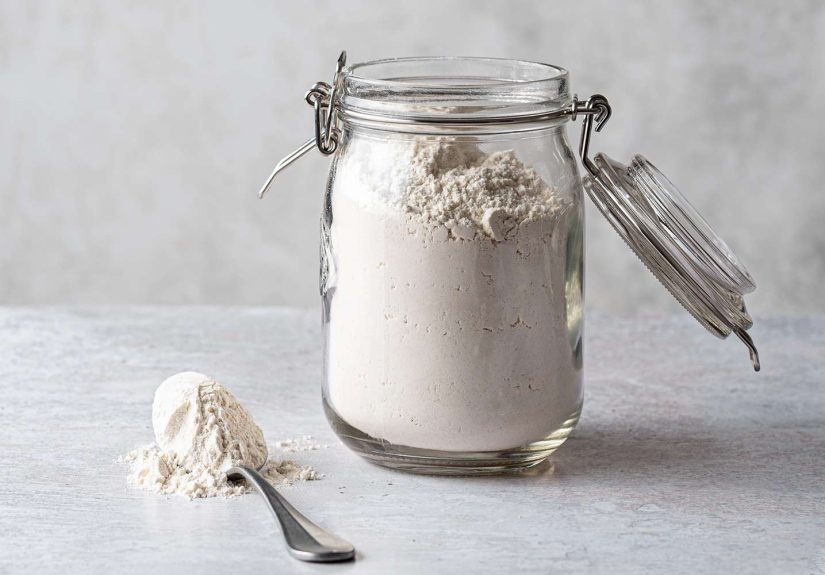
Bread flour is the “gym membership” of the flour aisle: it’s built for strength, endurance, and that satisfying
chew that makes you tear off “just one more piece” of bread until the loaf mysteriously disappears.
If you’ve ever wondered why some doughs feel springy and confident while others slump like they hit snooze
too many times, bread flour is usually part of the plot.
In simple terms, bread flour is a wheat flour with a higher protein content than all-purpose flour.
That extra protein helps form more glutenan elastic network that traps gas, supports rise, and gives bread its structure.
But the real story is more interesting than “protein = good.” Let’s break down what bread flour is, how it behaves,
when to use it, and how to fake it when your pantry refuses to cooperate.
Bread Flour, Defined (Without the Snooze)
Bread flour is a high-protein flour made primarily from hard wheat (often hard red spring wheat or similar varieties).
Compared with all-purpose flour, it generally contains more gluten-forming proteins (mainly glutenin and gliadin).
When you add water and mix or knead, those proteins link up into glutenthink of it as scaffolding for your dough.
Typical Protein Range
Most bread flours land around 12%–14% protein, though the exact number depends on the brand and how it’s milled.
That might sound like a tiny difference compared to all-purpose flour, but in baking, small percentages have big personalities.
Why Protein Matters: The Gluten “Network Effect”
Flour protein is like the potential energy of dough. The more gluten-forming protein you have,
the more structure your dough can developespecially with enough mixing, kneading, and fermentation time.
Glutenin vs. Gliadin: The Power Duo
Gluten is mainly built from two wheat proteins:
- Glutenin: adds elasticity (the dough springs back).
- Gliadin: adds extensibility (the dough stretches without tearing).
You want both. Too much snap-back and shaping feels like wrestling a rubber band. Too much stretch and your dough
turns into a sleepy puddle. Bread flour tends to give you a sturdier, more cooperative balance for yeast breads.
What Bread Flour Does Best
Bread flour shines in doughs that need strength, good rise, and chew. It’s especially helpful when:
the dough is wet, the fermentation is long, the loaf needs height, or the final texture should be springy.
Great Uses for Bread Flour
- Sandwich bread: reliable structure and a slice that doesn’t crumble like a cookie in disguise.
- Artisan loaves (boules, batards): better oven spring and a pleasantly chewy interior.
- Bagels: the classic chew is basically bread flour’s love language.
- Pizza dough: stretchier dough and a crust with more bite (especially for New York–style).
- Focaccia and baguettes: often a more open crumb and better shape retention.
- Cinnamon rolls and enriched doughs: helpful if you want a taller, sturdier roll that still stays soft.
When Bread Flour Is Not the Best Choice
Bread flour isn’t “better,” it’s “stronger.” Strength can be a downside when you want tenderness.
If your goal is delicate, crumbly, or melt-in-your-mouth, bread flour can push you toward chewy.
Recipes That Usually Prefer Lower-Protein Flour
- Cakes: you generally want cake flour or a lower-protein option for a fine crumb.
- Shortbread and tender cookies: too much gluten can make them tougher.
- Biscuits and scones: over-structure can reduce that flaky, tender bite.
- Pancakes and muffins: bread flour can make them a bit bready (and not in a cute way).
Bread Flour vs. All-Purpose Flour
All-purpose flour is the Swiss Army knifebuilt to do most things reasonably well. Bread flour is the dedicated tool.
Here’s what typically changes when you swap one for the other.
Texture Differences You Can Actually Notice
- Chew: bread flour usually gives a chewier bite and more “pull.”
- Rise: dough may hold shape better and rise taller, especially in free-form loaves.
- Crumb: often slightly more open and springy with bread flour (depending on technique).
- Handling: bread-flour dough can feel stronger and less slack at the same hydration.
Hydration: The Sneaky Difference
Bread flour can absorb a bit more water than all-purpose flour. That means if you substitute bread flour
into a recipe written for all-purpose, your dough might feel drier. On the flip side, substituting all-purpose for bread flour
can make dough feel looser or stickier than expected.
The practical takeaway: watch the dough, not just the measuring cup.
If it feels stiff and dry, add water a teaspoon at a time. If it’s soupy and spreading, dust in a little flour
(or improve dough strength with folds and time).
Is Bread Flour Bleached or Unbleached?
It can be either. Unbleached flour naturally lightens over time as it oxidizes after milling.
Bleached flour is treated to speed up that process, often resulting in a whiter color and softer behavior.
For many yeast breads, bakers prefer unbleached bread flour because it tends to retain strong gluten performance.
But plenty of people bake great bread with what they havebecause the best flour is the one in your kitchen right now.
Is Bread Flour “Enriched”?
In the U.S., many white flours are sold as enriched, meaning certain vitamins and minerals are added back
after milling. If your bag says “enriched,” you’ll often see nutrients like thiamin, riboflavin, niacin, iron,
and folic acid listed on the label. Not every flour is enriched, but it’s common for standard supermarket bread flour.
How to Substitute Bread Flour (Without Summoning Chaos)
Can You Swap Bread Flour and All-Purpose 1:1?
Usually, yesespecially for everyday home baking. The difference might be subtle in some recipes and more obvious in others.
If you swap bread flour for all-purpose, expect slightly more chew and potentially a tighter, stronger dough.
If you swap all-purpose for bread flour, expect a softer bite and sometimes a bit less structure.
Quick Adjustment Tips
-
Using bread flour instead of all-purpose?
Start by adding a tiny bit more water (think: a teaspoon or so per cup of flour), then adjust based on feel. -
Using all-purpose instead of bread flour?
Hold back a splash of water at first, or build strength through kneading/folds and enough fermentation time. - For high-hydration doughs (like some artisan loaves): bread flour may be easier to handle and shape.
- For tender baked goods: all-purpose is often the safer bet.
DIY “Bread Flour” Hack (If You Only Have All-Purpose)
If you’re determined to increase strength, some bakers blend a small amount of vital wheat gluten
into all-purpose flour. This can boost protein and structure, but it’s easy to overdo and end up with bread that chews like a resistance band.
If you try it, use a light hand and follow guidance from reputable baking sources.
How to Store Bread Flour So It Stays Fresh
Flour’s biggest enemies are moisture, heat, light, odors, and pests.
Keep bread flour in an airtight container in a cool, dry place. If you bake occasionally or live somewhere hot/humid,
storing flour in the refrigerator or freezer can extend freshness (just let it come to room temp before baking to avoid condensation surprises).
How to Measure Bread Flour Accurately
Measuring flour by volume can vary a lot depending on how you scoop. If you want consistent results,
use a kitchen scale. If you don’t have one, use the spoon-and-level method:
fluff the flour, spoon it into the cup, and level it off.
Also: “1 cup of flour” isn’t always the same weight across brands and recipes. Some baking authorities treat a cup as about 120 grams,
others around 125 grams. The best approach is to follow the measurement standard used by the recipe source when possible.
FAQ: Bread Flour Questions People Google at 2 a.m.
Is bread flour the same as high-gluten flour?
Not exactly. High-gluten flour is typically even higher in protein than standard bread flour
and is often used for bagels or very chewy applications. Bread flour is high-protein, but usually a step below “high-gluten.”
Does bread flour make bread rise more?
It can help dough hold gas better and keep structure during fermentation, which may improve height and shape.
But rise also depends on yeast activity, hydration, kneading/mixing, fermentation time, shaping, and baking technique.
Flour isn’t a magic wandmore like a reliable teammate.
Can I use bread flour for cookies?
You can, but it often makes cookies chewier and sometimes tougher. If that’s what you want (chewy cookie fans, unite),
it can be a fun experiment. If you’re after tender and delicate, stick with all-purpose or a lower-protein flour.
Why does my bread-flour dough feel so tight?
Higher protein can mean stronger gluten development, and bread flour can absorb more water.
If dough feels tight or dry, it may need a bit more hydration or more rest time.
Resting (autolyse or just a short pause) lets flour hydrate and gluten relaxlike a spa day for dough.
Conclusion: Bread Flour Is Your “Structure & Chew” Specialist
Bread flour is a high-protein wheat flour designed to build strong gluten and support yeast-baked goods.
It’s ideal for breads that need height, structure, and a satisfying chewthink sandwich loaves, artisan breads, bagels, and pizza dough.
It’s not automatically the best flour for everything, but when your baking goals involve strength and stretch,
bread flour is the shortcut to better texture and easier handling.
Use it when you want dough that holds its shape, traps gas well, and bakes up springy instead of fragile.
And if you don’t have it? Don’t panic. Plenty of great bread has been made with all-purpose flour
sometimes with just a small hydration tweak and a little extra patience.
Real-World Baking Experiences With Bread Flour (About )
If you’ve never baked with bread flour before, the first “experience” usually happens the moment you mix dough.
Many home bakers notice that a bread-flour dough feels more elasticlike it’s politely resisting your hands.
You go to stretch it, and it springs back a bit, as if it’s saying, “Great idea, but let’s negotiate.”
That’s the higher-protein, stronger-gluten effect showing up early.
The second experience is hydration-related. If you make a recipe you’ve done a dozen times with all-purpose flour,
then swap in bread flour without changing anything, you might think, “Why does this feel drier than usual?”
It’s common to add a small splash of water, wait a minute, then decide the dough suddenly feels normal.
That short wait matters: bread flour can take a little time to absorb water fully, and dough often relaxes after a rest.
A lot of bakers learn (the happy way) that patience is an ingredient.
The third experience is shaping. With bread flour, dough often feels sturdier and easier to form into a tight loaf.
When you shape a boule or batard, it may hold tension better instead of spreading out like it’s trying to become a focaccia.
If you’re chasing that proud, tall, bakery-style loaf, bread flour can feel like training wheelsin the best way.
Then comes the baked result, where bread flour really shows off. Slice into a sandwich loaf and you may get cleaner slices
and a slightly springier crumb. Make pizza dough and you might notice the dough stretches into a round more easily
without tearing (though it can also snap back if it’s cold or under-rested). Bite the crust and there’s often more chew
and a more structured “pull,” especially if the dough had time to ferment slowly.
Another common experience: bread flour can be the difference between “nice bread” and “oh wow, I made bread bread”
for long-fermented doughs. When dough sits overnight in the fridge, it needs enough strength to hold onto the gases
produced during fermentation. Many bakers find bread flour helps dough stay confident during that long rest,
leading to better oven spring and a more open interior.
Finally, there’s the “I used it for everything” phasefollowed by the “wait, why are my muffins chewy?” moment.
Bread flour can be fun in cookies if you like extra chew, but it may make cakes, biscuits, and delicate pastries
less tender. A very normal bread-flour journey is discovering it’s a specialist, not a replacement for every flour you own.
The best experience is learning what it does bestand then keeping it on standby for the day you want your dough to level up.