Table of Contents >> Show >> Hide
- Butter Lettuce at a Glance
- What Does Butter Lettuce Taste Like?
- Butter Lettuce vs. Other Types of Lettuce
- Is Butter Lettuce Healthy?
- How to Use Butter Lettuce
- How to Buy Butter Lettuce
- How to Wash Butter Lettuce Safely
- How to Store Butter Lettuce
- Can You Grow Butter Lettuce at Home?
- Common Questions About Butter Lettuce
- Real-Life Experiences With Butter Lettuce
- Conclusion
Some lettuces arrive at the party wearing armor. Iceberg crunches loudly. Romaine stands up straight like it has somewhere important to be. Butter lettuce, meanwhile, glides in looking soft, elegant, and just a little fancy without actually trying. If you have ever seen a loose, round head of silky green leaves and thought, “Well, that looks like the spa version of lettuce,” you were probably looking at butter lettuce.
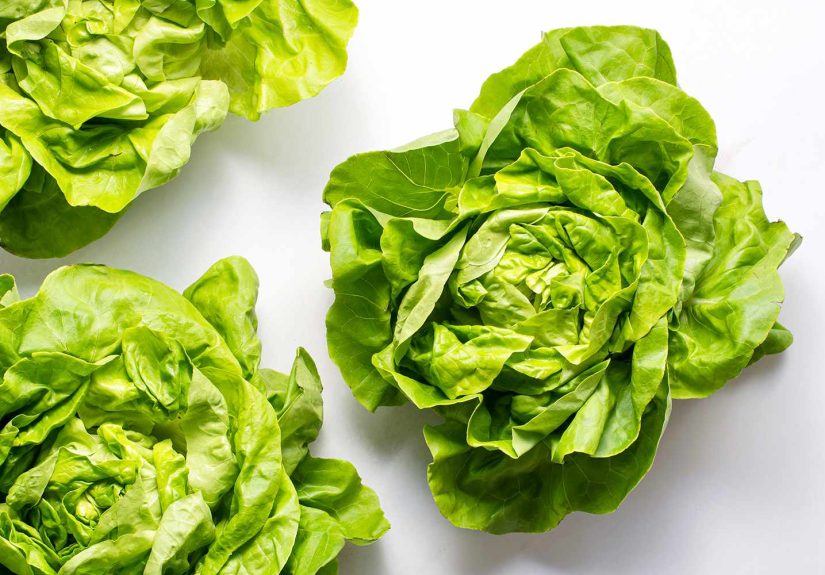
So, what is butter lettuce exactly? Butter lettuce is a tender type of butterhead lettuce, most commonly sold as Bibb lettuce or Boston lettuce. It is known for its loose head, delicate texture, mild flavor, and soft, cupped leaves. The “butter” part of the name refers to the texture, not the taste. It does not taste like a stick of salted butter had a baby with a salad. It simply feels velvety, tender, and almost creamy compared with crisp, watery lettuces.
If you are curious about butter lettuce nutrition, how to use it, how it compares with romaine or iceberg, or whether it deserves a permanent spot in your produce drawer, this guide has you covered. In short: yes, butter lettuce is more than just a pretty leaf.
Butter Lettuce at a Glance
Butter lettuce is part of the larger lettuce family, but it belongs to the butterhead category. Butterhead lettuces form round, loose heads instead of dense, tightly packed ones. The leaves are broad, flexible, and often slightly cupped, which is one reason they work beautifully for wraps, sandwiches, and composed salads.
The two names you will hear most often are Bibb and Boston. Both are butterhead types. Bibb lettuce is usually a little smaller and more delicate, while Boston lettuce tends to have larger heads and broader leaves. In the grocery store, many people use the terms interchangeably, and many packages simply say “butter lettuce.” That is not wrong. It is just the umbrella term doing its job.
Color-wise, butter lettuce usually ranges from light to medium green, though some varieties have reddish tips. Its center is often paler, softer, and almost golden-green, which gives it that signature buttery look. Basically, it is the cashmere sweater of salad greens.
What Does Butter Lettuce Taste Like?
The flavor of butter lettuce is mild, slightly sweet, and gentle. It does not have the bold pepperiness of arugula or the grassy bite that some romaine can bring. Instead, it offers a subtle freshness that makes it easy to pair with everything from lemon vinaigrette to creamy dressings, herbs, fruit, eggs, seafood, or roasted chicken.
Texture is where butter lettuce really earns its fan club. The leaves are soft and tender, but not flimsy in a sad, wilted way. They have a smooth, silky feel with just enough structure to hold dressing and fillings. This balance is why butter lettuce shows up so often in elegant restaurant salads and weeknight lettuce wraps alike.
If you dislike lettuce that feels watery, boring, or suspiciously squeaky, butter lettuce may be your redemption arc.
Butter Lettuce vs. Other Types of Lettuce
Butter Lettuce vs. Romaine
Romaine grows upright and has firmer ribs, sturdier leaves, and more crunch. It is a great choice for Caesar salad, grilling, and anything that needs serious structure. Butter lettuce is softer, rounder, and more delicate. Romaine says, “I can handle heavy dressing.” Butter lettuce says, “Please be gentle, but yes, I do look fabulous.”
Butter Lettuce vs. Iceberg
Iceberg forms a dense, tight head and brings maximum crunch with a very mild flavor. Butter lettuce is much more tender, less crisp, and generally more supple. Iceberg is ideal when you want crunch in wedges, burgers, or tacos. Butter lettuce is better when you want elegance, wrap-friendly leaves, or a salad that feels lighter and more refined.
Butter Lettuce vs. Leaf Lettuce
Leaf lettuces grow in looser clusters and are often harvested leaf by leaf. They can be frilly, colorful, and easygoing. Butter lettuce, by contrast, usually forms a more distinct head and has thicker, softer leaves with a smoother finish. Think of leaf lettuce as casual and cheerful, while butter lettuce is the one who somehow makes “simple green salad” sound expensive.
Is Butter Lettuce Healthy?
Yes. Butter lettuce is a low-calorie leafy green that contributes hydration, a bit of fiber, and helpful vitamins and minerals. Like other leafy greens, it can add nutrients without adding much heaviness to a meal. Butterhead lettuce is commonly noted as a source of vitamins A and K, and it also contributes folate. That makes it a smart base for meals when you want something fresh, light, and nutrient-friendly without feeling like you are chewing on a hedge.
No, butter lettuce is not a magical wellness cape. It will not solve your entire life because you added it to lunch. But as part of a varied diet, it is an easy win: refreshing, versatile, and genuinely useful for building meals around vegetables.
One more practical point: because butter lettuce is so delicate, people often eat it raw. That means you keep its fresh texture intact and avoid turning it into sad green confetti in a skillet. More on cooking it in a minute.
How to Use Butter Lettuce
This is where butter lettuce really shines. Because the leaves are large, tender, and naturally cup-shaped, they work in more ways than many people realize.
1. Simple Salads
Butter lettuce is excellent in a basic green salad with vinaigrette, herbs, sliced radishes, avocado, toasted nuts, citrus, or shaved cheese. Its mild flavor means it does not compete with other ingredients. Instead, it plays the role of supportive, attractive friend who knows how to share the spotlight.
2. Lettuce Wraps
If you have ever made chicken lettuce wraps, shrimp wraps, tofu wraps, or taco-style lettuce cups, butter lettuce is one of the best options. The leaves are flexible enough to fold but soft enough to bite through easily. They do not fight back like tougher greens can.
3. Sandwiches and Burgers
Butter lettuce is fantastic in sandwiches because it adds freshness without dominating the bite. Its leaves drape neatly instead of snapping awkwardly out the sides. On burgers, it offers a cool, soft contrast to hot fillings, especially if you want something a little more polished than iceberg.
4. Fancy-Looking Starters
Because the leaves are beautiful and cup-shaped, butter lettuce makes a lovely base for plated salads, appetizers, and edible cups filled with tuna salad, chicken salad, grain mixtures, or chilled vegetables. It is one of the easiest ways to make dinner look like you had a plan all along.
5. Light Cooking
Butter lettuce is mostly used raw, but it can be lightly braised or gently sautéed. When cooked briefly, it softens quickly and takes on a mellow character. That said, this is not the lettuce you bully with high heat for ten minutes. Treat it kindly. A quick wilt is charming; a long simmer is a tiny tragedy.
How to Buy Butter Lettuce
When shopping for butter lettuce, look for heads that seem fresh, plump, and vibrant. The leaves should be tender but not slimy, torn, or heavily bruised. Avoid heads with lots of browning, mushiness, or a wet, tired look that says, “I have seen things.”
You may find butter lettuce sold in a few forms:
Whole heads: These are common in produce sections and farmers markets. They often give you the best texture and flavor.
Living lettuce: Some butter lettuce is sold hydroponically with roots still attached. This can help it stay fresh longer.
Packaged leaves: Convenient, but more delicate. Always check the label for washing instructions.
How to Wash Butter Lettuce Safely
Because butter lettuce is usually eaten raw, proper handling matters. If the lettuce is unpackaged or the package does not say “washed,” “triple washed,” or “ready to eat,” wash it before eating. Rinse leaves under cool running water or swish them gently in clean water, then dry them with a salad spinner, clean towel, or paper towels.
If the package says it is ready to eat or triple washed, extra washing is generally not necessary. In fact, re-washing can sometimes increase the chance of cross-contamination if your sink, bowl, spinner, or hands are not perfectly clean.
And please skip the soap. Lettuce is not a frying pan.
How to Store Butter Lettuce
Butter lettuce is more delicate than sturdier greens, so storage matters. The goal is to keep it cool, dry, and protected without crushing it. If you bought a whole head, wrap it loosely in paper towels and place it in a bag or container in the crisper drawer. If the leaves are already washed, make sure they are dry before storing. Moisture is not your friend here.
In general, butter lettuce is best eaten sooner rather than later. Some sources say it can last about a week under good conditions, while others note that butterhead lettuce keeps for only a few days at peak quality. Translation: do not buy it with the same confidence you buy onions.
Once it starts getting slimy or browned, it is time to say goodbye with dignity.
Can You Grow Butter Lettuce at Home?
Absolutely. Butter lettuce is a cool-season crop and is often considered a good choice for home gardens. It tends to do best in spring or fall, and many butterhead types mature fairly quickly. Garden sources often note that butterhead lettuce forms a loose round head and can be harvested during development, which is handy if your patience level is somewhere between “home gardener” and “hungry raccoon.”
Because hot weather can make lettuce bitter and encourage bolting, butter lettuce usually appreciates cooler temperatures and consistent moisture. In warmer weather, a little afternoon shade can help. It can also do well in containers, raised beds, and small gardens, which makes it appealing for people who want fresh salad greens without launching a full farm operation.
Popular butterhead varieties include Bibb, Boston, and Buttercrunch. If you grow it at home, harvest in the morning for the best texture, and try not to wait until the head gets old and stressed. Lettuce has a very dramatic relationship with heat.
Common Questions About Butter Lettuce
Is butter lettuce the same as butterhead lettuce?
Usually, yes in everyday food talk. “Butter lettuce” is the common market name, while “butterhead lettuce” is the broader category. Bibb and Boston are the best-known butterhead types.
Why is it called butter lettuce?
Because of its soft, buttery texture. The name describes the mouthfeel, not an actual butter flavor.
Is butter lettuce good for wraps?
Very. Its leaves are naturally cupped, tender, and flexible, which makes them ideal for wraps and lettuce cups.
Can you cook butter lettuce?
Yes, but lightly. It is best known for raw dishes, but quick braising or sautéing can work.
Is butter lettuce better than iceberg?
Not universally better, just different. Butter lettuce is softer and more delicate; iceberg is crisper and sturdier. The “best” one depends on the dish.
Real-Life Experiences With Butter Lettuce
If you have never bought butter lettuce before, the first experience is usually visual. It looks gentle. Neat. Slightly upscale. You pick up the head expecting something fragile enough to need emotional support, and then you get it home and realize it is actually one of the friendliest greens to work with. The leaves separate easily, the texture is pleasant, and it does not need much to taste good. A little lemon, olive oil, salt, and pepper can make it feel like a proper side dish instead of a last-minute vegetable apology.
In real kitchens, butter lettuce tends to win people over because it is flexible. One night, it can be a simple dinner salad with roasted chicken and herbs. The next day, the same head can become lettuce wraps stuffed with ground turkey, tofu, shrimp, or leftover stir-fry. It also works surprisingly well in sandwiches because the leaves fold neatly instead of shattering like more rigid lettuce. Anyone who has ever had a slice of romaine spring out of a sandwich like a booby trap will appreciate that.
For people trying to eat more vegetables, butter lettuce can be a gateway green. It is milder than peppery or bitter greens, so it feels approachable. Kids and picky eaters often tolerate it better because the leaves are tender and not aggressively vegetal. It is also one of those ingredients that can make a plate feel fresher without requiring a recipe, a spreadsheet, or a full identity change.
Home gardeners often enjoy butter lettuce because it feels rewarding quickly. You can grow it in a small space, harvest it young, and actually use it before you forget what you planted. There is also something oddly luxurious about walking outside, clipping a few soft leaves, and coming back in with salad that feels restaurant-level fresh. Even a modest container garden can make you feel like the kind of person who casually says things like, “This was harvested twenty minutes ago,” which is admittedly fun.
At gatherings, butter lettuce has another advantage: it looks elegant with very little effort. A platter of separated leaves with citrus slices, herbs, avocado, shaved vegetables, or a light vinaigrette can look polished without being complicated. That matters when you want food that appears thoughtful but does not require six burners and an identity crisis. Butter lettuce is a low-drama, high-payoff ingredient.
There are, of course, a few real-world lessons. First, use it sooner rather than later. Butter lettuce is not built for a month-long refrigerator journey. Second, dry it well after washing because wet leaves go downhill fast. Third, do not bury it under a gallon of heavy dressing. Its charm is subtle. Let it be soft, fresh, and slightly sweet. In everyday cooking, that is really the appeal of butter lettuce: it makes meals feel lighter, prettier, and more intentional without demanding much in return.
Conclusion
So, what is butter lettuce? It is a tender, mild, buttery-textured type of butterhead lettuce, usually sold as Bibb or Boston lettuce. It forms loose, round heads with soft, flexible leaves that are excellent for salads, wraps, sandwiches, and light composed dishes. Compared with romaine or iceberg, it is less crunchy but more delicate, elegant, and easy to eat.
If your usual salad routine feels like a parade of watery crunch and obligation, butter lettuce is worth trying. It is easy to love, easy to use, and just fancy enough to make lunch feel a little less like paperwork. Not bad for a leaf.