Table of Contents >> Show >> Hide
- Quick Jump
- So, What Is Dungeness Crab?
- Where Does Dungeness Crab Live?
- Life Cycle: From Tiny Drifter to Dinner-Table Legend
- Dungeness Crab Fishing, Seasons, and the “Rules of the Road”
- Is Dungeness Crab Sustainable?
- Nutrition and Health Notes
- Buying, Storing, and Cooking Dungeness Crab
- Food Safety and Domoic Acid: What You Should Know
- FAQ: Quick Answers About Dungeness Crab
- Conclusion
- Extra: of Dungeness Crab Experiences (Because Crab Deserves a Story)
Dungeness crab is the West Coast’s celebrity crustacean: sweet, meaty, and just fancy enough to make a Tuesday feel like a holiday. If you’ve ever seen someone wearing a plastic bib with the confidence of a Roman emperor, chances are Dungeness crab was involved. But what is it exactlybesides a highly effective butter-delivery system with legs?
In this guide, we’ll break down what Dungeness crab is, where it lives, why it tastes so good, how it’s managed on the U.S. Pacific coast, how to buy and cook it without turning dinner into a suspense thriller, and what safety notes matter (yes, including the “don’t eat the guts during certain toxin events” part). Then we’ll end with a bonus section of real-world, been-there vibes to make the whole thing feel less like a textbook and more like a friend who actually answers your questions.
So, What Is Dungeness Crab?
Dungeness crab is a large, hard-shelled crab native to the Pacific coast of North America and one of the most prized edible crabs in the United States. You’ll see it on menus as “Dungeness crab,” “West Coast crab,” or simply “the thing everyone fights over at the table.”
Scientific name (and the tiny identity crisis)
You may see it listed as Metacarcinus magister and, in older materials, as Cancer magister. Same crab, different labellike when your favorite band “goes by their government name” on streaming platforms.
How to recognize a Dungeness crab
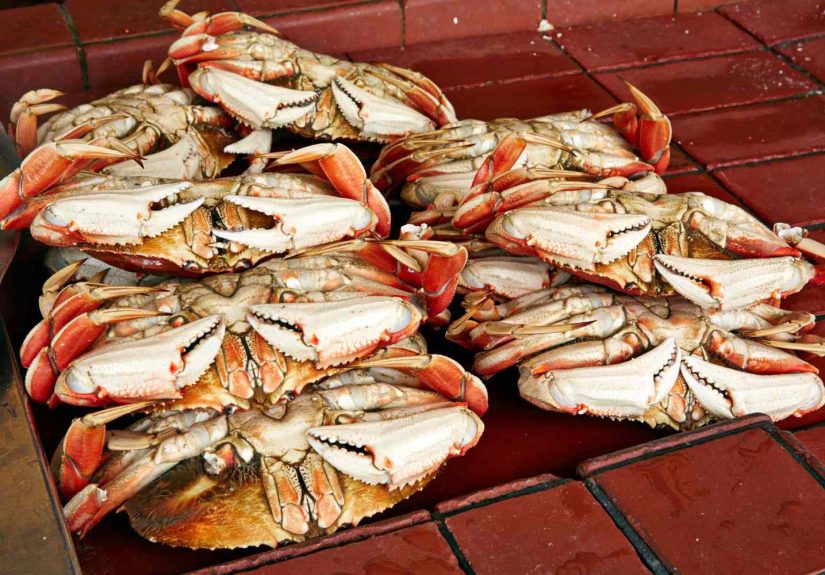
If you’re crabbing (or shopping live), identification matters. In Oregon guidance, Dungeness crab is commonly described as reddish-brown to purple, with distinctive white-tipped clawsan easy visual cue when you’re trying not to confuse it with other crab species. Also, it’s not shy about being a unit of an animal. Depending on age and timing, they can be impressively hefty.
Where Does Dungeness Crab Live?
Dungeness crab ranges broadly along the Pacific coast. Washington’s fish and wildlife agency describes it as fished from the Aleutian Islands down toward Mexico, and notes it likes sandy or muddy substrates and is often found in eelgrass beds. That preference for “soft-bottom real estate” is a big reason you’ll find it in bays, estuaries, and nearshore areasplaces that are both productive ecosystems and popular human playgrounds.
Oregon’s species guidance adds that adults show up across sandy and muddy areas from lower estuaries into deeper water, and that salinity can affect how many you’ll see in bays and estuaries. Translation: sometimes the crabs are everywhere, and sometimes they’re practicing social distancing.
Habitat summary (plain English)
- Bottom type: sand, mud, and other soft substrates
- Common hangouts: coastal bays, estuaries, eelgrass areas, nearshore ocean bottoms
- Why it matters: where they live affects how they feed, how they’re fished, and how rules are set
Life Cycle: From Tiny Drifter to Dinner-Table Legend
Dungeness crab doesn’t start life as a miniature crab. It starts as a planktonic larvaessentially a microscopic drifter in the ocean, riding currents like it’s on a gap year.
Over time, it develops through multiple larval stages and eventually settles into nearshore habitats, where it begins life as a juvenile crab. As it grows, it moltsmeaning it sheds its old shell and forms a new one. This is why timing matters so much in fisheries: “hard-shell” crabs have better meat quality, while freshly molted “soft” crabs are more vulnerable and less meaty.
Molting (the crab glow-up)
Molting is normal and necessary, but it also means there are windows where crabs are “full” and firm, and windows where they’re not. That’s one reason many West Coast seasons are designed around meat quality and shell hardness.
Dungeness Crab Fishing, Seasons, and the “Rules of the Road”
Dungeness crab supports one of the most important fisheries on the U.S. West Coast, and management is serious businessbecause the goal is to keep crabbing available without turning the population into a sad coastal legend.
The “3 S’s”: size, sex, season
Oregon’s commercial fishery overview explains that seasons are built around the “3 S’s”: size, sex, and season. In Oregon, only crabs above a minimum carapace width can be harvested commercially, and harvest focuses on malesfemales must be released. The season is timed around hardened shells and meat quality testing, with benchmarks for average meat content before opening. This approach helps protect reproduction and supports quality product for consumers (a win for crabs, fishers, and your dinner plans).
Recreational crabbing: licenses, catch cards, and checking the latest
Recreational rules vary by state and even by marine area. Washington’s guidance spells out that many crabbers need a current license, and in Puget Sound, specific reporting (catch record cards/online reporting) is used so managers can estimate recreational harvest and set future opportunities. The simplest best practice: always check the current regulations for the specific area you plan to crabbecause “I saw a TikTok” is not a legal defense.
Modern pressures: gear, whales, and changing requirements
California’s crab management pages highlight a wide ecosystem of rules, FAQs, trap programs, and updates, including gear requirements and season changes. On the West Coast, one recurring theme in recent years has been reducing risk to marine lifeespecially large whalesthrough timing, area rules, and gear practices. Translation: the crab fishery is no longer just about crabs and people; it’s about the whole neighborhood.
Is Dungeness Crab Sustainable?
Sustainability depends on where and how it’s caught, plus how the fishery is managed in that region. Consumer guides like Monterey Bay Aquarium’s Seafood Watch evaluate fisheries using criteria such as stock status, bycatch, and habitat impacts. Those ratings can vary (and can change as scoring criteria and data change), so if sustainability is a priority for you, check the latest regional recommendation and look for transparent sourcing from sellers.
Nutrition and Health Notes
Dungeness crab meat is known for being lean and protein-forward, with a naturally sweet flavor that doesn’t need heavy sauces to shine. Like many shellfish, it can also contribute key micronutrients (think B vitamins and minerals), though exact values vary by preparation and portion. If you’re watching sodium, note that crab can be naturally salty and often gets paired with seasoned cooking liquids, butter, or dipsdelicious, yes, but easy to overdo.
And the obvious-but-worth-saying reminder: shellfish allergies are real and can be serious. If you’re unsure, don’t “test it” at a crab boil. That’s not adventurous; that’s a medical subplot.
Buying, Storing, and Cooking Dungeness Crab
Buying: live, whole cooked, or picked meat?
You’ve got three common options:
- Live crab: peak freshness and best flavor control, but you’ll need to cook it safely and clean it yourself.
- Whole cooked crab: convenience with strong flavor, still requires cracking and picking.
- Picked crab meat: easiest to use for crab cakes, salads, dips, pasta, and tacosusually the priciest per pound, but you’re paying for labor and convenience.
Storing: keep it cold, keep it quick
For cooked crab and crab meat, treat it like any highly perishable seafood: keep it refrigerated and don’t let it hang out at room temp. FoodSafety.gov emphasizes not leaving seafood out longer than two hours (or one hour in hot conditions), because bacteria love warm temperatures as much as crabs hate them.
Cooking methods (with realistic expectations)
Dungeness crab shines with simple cooking: steaming, boiling, roasting, or tossing the meat into a dish right at the end so it stays tender. A common home approach is steaming or boiling whole crab, then shocking it briefly in cold water to stop the cooking. For timing, consumer cooking guidance often uses rough rules of thumb tied to weight and whether you’re steaming or boiling. The real doneness cue: the meat should be hot, firm, and opaquenot translucent.
Want a restaurant-style move? Roast pieces with aromatics and butter, then serve with lemon and bread for soaking up the good stuff. Bon Appétit’s Dungeness crab recipe universe leans into that “big flavor, minimal fuss” vibeexactly what you want when the main event is already dramatic.
A few high-payoff ways to eat it
- Classic: cracked crab + drawn butter + lemon
- Fresh: crab Louie-style salad (crab + crisp greens + tangy dressing)
- Comfort: crab mac, crab melt, or crab bisque
- Show-off: crab tossed into pasta at the last minute with garlic, chili, and parsley
Food Safety and Domoic Acid: What You Should Know
Basic seafood safety (the non-negotiables)
U.S. food safety guidance recommends cooking seafood thoroughly; FoodSafety.gov notes a target internal temperature of 145°F (63°C) for seafood, and practical cues like crab meat becoming firm and clear/opaque when done. The FDA similarly stresses safe handling and thorough cooking to reduce foodborne illness risk.
Domoic acid and “don’t eat the guts” season
On parts of the West Coast, harmful algal blooms can produce domoic acid, a neurotoxin that can accumulate in shellfish and crabs. California’s Department of Public Health explains that domoic acid can temporarily build up in crab and other seafood and can cause illness; symptoms may appear from 30 minutes to 24 hours after eating toxic seafood, ranging from gastrointestinal distress to severe neurological effects in high exposures.
Practical takeaway: in areas/times with advisories, follow official guidance and be cautious with crab visceraoften called “crab butter.” If a region is under advisory, the safest move is to avoid consuming the internal organs and follow state recommendations about cleaning/evisceration and harvest openings.
FAQ: Quick Answers About Dungeness Crab
Why is Dungeness crab so popular?
Flavor and texture. It’s sweet, mild, and delicate, with plenty of meat for the effort you put into cracking. It also plays well with simple ingredientslemon, butter, garlic, herbsso it tastes “fancy” without needing a culinary degree.
When is Dungeness crab season?
It depends on the state, the region, and whether there are delays for meat quality, marine life protection, or biotoxin concerns. For example, Oregon’s commercial season often starts around early December when shells have hardened and meat quality testing is met, while Washington and California seasons vary by marine area and current-year management updates. Always check the latest local rules before planning a trip or a purchase.
What’s the easiest way to cook it at home?
For most people: steam or boil whole crab, then clean, crack, and serve with butter and lemon. If you’re using picked meat, add it at the end of cookingsoups, pasta, eggsso it warms through without turning rubbery.
Is Dungeness crab the same as “snow crab” or “king crab”?
Nope. Different species, different texture, different flavor. King crab is rich and dramatic (like a steakhouse), snow crab is lighter and leg-focused, and Dungeness is the West Coast classic with sweet, abundant body meat and a slightly firmer leg bite.
Conclusion
Dungeness crab is a Pacific-coast icon: a big, meaty crab that thrives on sandy and muddy bottoms, moves through a life cycle shaped by molting and nearshore habitats, and supports major West Coast fisheries managed with rules designed to protect reproduction and maintain quality. For cooks, it’s one of the most rewarding seafood splurgesespecially when you keep it simple and handle it safely. And for anyone buying or catching it, the golden rule is boring but undefeated: check local regulations and health advisories, because they can change with conditions.
Now grab a mallet (or a sturdy crab cracker), a roll of paper towels, and the confidence of someone who knows exactly what “carapace width” means. Dungeness awaits.
Extra: of Dungeness Crab Experiences (Because Crab Deserves a Story)
If you’ve never eaten Dungeness crab at a table that looks like it’s been “papered” for a kindergarten art project, you’re missing a particular kind of joy. The best crab meals rarely start with elegance. They start with logistics: “Who has the crackers?” “Do we have enough lemon?” “Why is there butter in three different cups?” And, inevitably, “Is this shirt… still wearable?”
The first-time Dungeness experience is usually a two-part movie. Part one is optimism. Everyone thinks they’ll extract perfect, Instagram-ready chunks of meat with calm precision. Part two is reality: shells everywhere, someone discovering that crab legs are basically armored tubes, and a cousin quietly using a rolling pin like they’re tenderizing a vendetta. There’s always one person who becomes the unofficial crab coach, walking everyone through the anatomy like a friendly marine biologist: “Okay, twist here. Pull that. Those feathery things are gillsno thank you. Yes, the body has the good stuff. No, don’t eat that part unless you’re sure it’s safe.”
Then something magical happens: everyone stops caring about looking normal. Conversation gets better when hands are busy. The meal slows down in a good way. You’re not shoveling; you’re earning. A crab dinner has built-in pacing because you can’t rush a creature that shows up wearing its own hard hat. You take a bite, you pause, you go back in for another piece like you’re panning for goldexcept the gold is sweet, briny, and suspiciously perfect with melted butter.
People also learn fast that Dungeness crab is not just “leg meat.” The body holds a lot of the payoff, and once someone at the table figures out how to open it cleanly, they instantly gain status. It’s like cracking a safe, except the treasure is dinner. And once you’ve had truly fresh crabsteamed until just done, still tasting like the ocean in the nicest wayyou start to understand why West Coast folks get a little intense about season openings and delays. It’s not just hype; it’s timing, quality, and the difference between “good” and “are we ordering more?”
Finally, there’s the afterglow: the satisfied silence, the pile of shells that looks like a tiny battlefield, and the quiet pride of having pulled off a seafood feast at home. Even if your kitchen looks like a butter crime scene, you’ll be grinningbecause Dungeness crab isn’t just food. It’s an event. And honestly, we could all use more events that come with lemon wedges.