Table of Contents >> Show >> Hide
- What Is Hanger Steak?
- Why Hanger Steak Is So Popular With Steak Lovers
- What Does Hanger Steak Taste Like?
- Hanger Steak vs. Skirt Steak vs. Flank Steak
- How to Buy Hanger Steak
- How to Cook Hanger Steak
- How to Slice Hanger Steak the Right Way
- Common Mistakes to Avoid
- Best Ways to Serve Hanger Steak
- Is Hanger Steak Worth Buying?
- Experiences Related to “What Is Hanger Steak?”
- Conclusion
- SEO Tags
If ribeye is the flashy celebrity of the steak world, hanger steak is the talented character actor who quietly steals every scene. It does not always get the spotlight at the grocery store, but among chefs, butchers, and serious steak fans, hanger steak has a reputation that borders on legend. It is deeply beefy, surprisingly tender when cooked right, and just rustic enough to make you feel like you know a delicious secret.
So what exactly is hanger steak? Why do some people call it butcher’s steak? And why does one slightly overenthusiastic minute on the grill turn it from dinner-party hero into jaw workout? Let’s break it all down in plain English, with plenty of practical tips for buying, cooking, slicing, and serving this underrated cut.
What Is Hanger Steak?
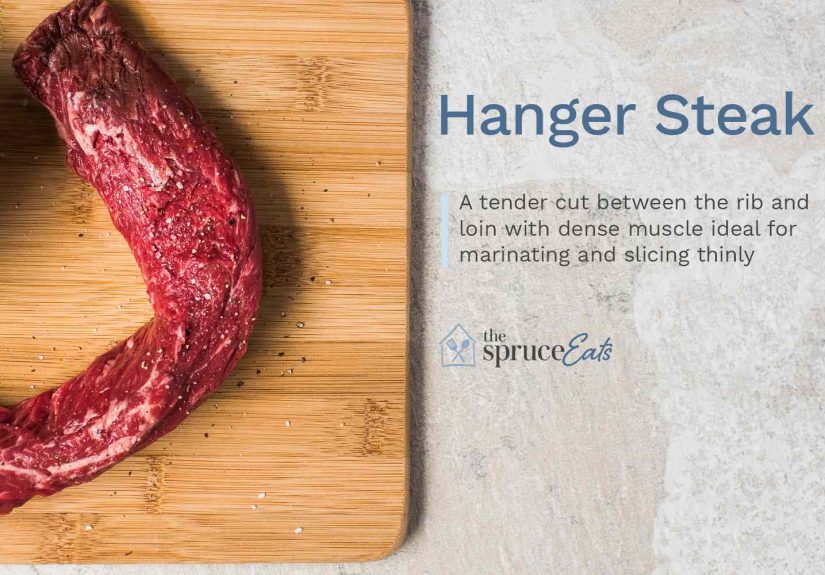
Hanger steak is a long, flat cut of beef that comes from the lower part of the cow near the diaphragm. It “hangs” between the rib and loin area, which is how it got its name. You may also hear it called butcher’s steak, hanging tender, or onglet, especially on French-inspired menus.
Unlike tenderloin or strip steak, hanger steak is not one of those cuts people instantly recognize from a supermarket label. It is a specialty cut with a strong identity: bold flavor, open grain, and a texture that lands somewhere between tender and pleasantly chewy. In other words, it tastes like beef turned up to full volume.
Another reason it feels a little exclusive is that there is usually only one hanger steak per animal. That limited supply helps explain why it became famous as a butcher’s favorite. The old story goes that butchers often kept it for themselves instead of putting it in the display case. Whether that happened every single time is debatable, but the nickname stuck because it makes perfect sense. If you had first dibs on a cut this flavorful, you might “forget” to mention it too.
Why Hanger Steak Is So Popular With Steak Lovers
Hanger steak has what many home cooks and restaurant chefs want most: intense flavor without luxury-steak pricing. While prices can vary by market, hanger steak is often seen as a smart middle ground. It gives you a rich, steakhouse-style bite without requiring tenderloin money or ribeye-level indulgence.
Its flavor is often described as beefy, robust, and slightly mineral-forward. That last description sounds a little dramatic, but in a good way. It means hanger steak has a savory depth that stands out from milder cuts. If filet mignon is smooth jazz, hanger steak is a garage band with excellent timing.
It is also incredibly versatile. Hanger steak works beautifully in:
- Steak frites
- Tacos and fajitas
- Steak salads
- Grain bowls
- Sandwiches
- Simple sliced-steak platters with chimichurri or compound butter
Because it is relatively thin and cooks quickly, it is ideal for weeknight meals that still feel special. You can go from raw steak to sliced dinner centerpiece in less time than it takes some people to choose a streaming show.
What Does Hanger Steak Taste Like?
If you have never tried it, imagine a cut with more personality than sirloin and more edge than filet. Hanger steak is prized less for buttery softness and more for its concentrated, unmistakable beef flavor. It has enough marbling to stay juicy, but not so much that richness overwhelms everything else on the plate.
The texture matters too. Hanger steak has a visible grain and a looser structure than premium center-cut steaks. That grain helps it absorb marinades well and creates a satisfying chew when sliced properly. The keyword here is properly. Slice it wrong and you will wonder what all the fuss is about. Slice it against the grain and suddenly you understand why people get poetic about this cut.
Hanger Steak vs. Skirt Steak vs. Flank Steak
These three cuts are often lumped together because they are all flavorful, relatively thin, and excellent for high-heat cooking. But they are not interchangeable twins.
Hanger Steak
Usually thicker than skirt steak, more tender than flank when cooked correctly, and especially rich in flavor. It has a coarse grain and often a central membrane that needs trimming.
Skirt Steak
Thinner, longer, and more dramatic in appearance. It cooks extremely fast and is famous in fajitas. Skirt steak is delicious but can be even more unforgiving if overcooked.
Flank Steak
Leaner and broader, with a tighter grain. Flank steak is excellent for marinades, grilling, and slicing thin for salads, sandwiches, and stir-fries, but it tends to be a bit less tender than hanger steak.
If your recipe calls for hanger steak and the store only has flank or skirt, you can substitute in a pinch. But if you can get the real thing, do it. The flavor payoff is worth the hunt.
How to Buy Hanger Steak
Hanger steak is not always sitting in a neat little supermarket package next to ribeyes and New York strips. Sometimes you will find it at a butcher shop, a higher-end grocery store, or an online meat retailer. If you do not see it, ask. This is one of those cuts that rewards a little curiosity.
When buying hanger steak, look for:
- A deep red color
- Good marbling without excessive exterior fat
- A fresh, clean appearance
- Trimming information, since some hanger steaks are sold with the tough center membrane removed and others are not
If you are buying from a butcher, ask whether it is fully trimmed. A hanger steak often has a thick strip of connective tissue running down the middle. Removing it is not impossible, but it is definitely easier when someone else with sharper knives has already done the work.
How to Cook Hanger Steak
Here is the big rule: cook hanger steak hot and fast. This is not a low-and-slow braising cut, and it is not a “leave it on the grill while chatting for 20 minutes” cut either. Hanger steak shines with high heat, a good sear, and careful timing.
Best Cooking Methods
- Grilling
- Cast-iron pan searing
- Broiling
- Quick sous vide followed by a hot sear
Ideal Doneness
Medium-rare to medium is the sweet spot. Aim for a warm red or pink center and let the steak rest before slicing. If you cook it to well-done, the texture can become noticeably tougher, and that magical juicy-beefy balance starts to disappear.
Should You Marinate It?
Often, yes. Hanger steak takes well to marinades because of its loose grain and bold flavor. Garlic, olive oil, herbs, soy sauce, citrus, vinegar, Worcestershire, shallots, and pepper all play nicely here. That said, a good hanger steak does not need a long marinade to be delicious. Salt, pepper, and a screaming-hot pan can absolutely be enough.
For a quick, reliable approach, season generously, sear over high heat, check the internal temperature early, and do not wander off “for just a second.” Hanger steak cooks quickly enough that “just a second” can become “why is this suddenly medium-well?”
How to Slice Hanger Steak the Right Way
This deserves its own section because slicing is where many good steaks go to suffer.
Always let hanger steak rest for several minutes after cooking. Then slice it against the grain. That means cutting across the muscle fibers, not along them. This shortens the fibers and makes each bite more tender.
If the steak has been separated into two lobes from the center membrane, pay attention to the grain in each piece. It may not run in exactly the same direction. Adjust your slicing angle as needed. This is the difference between “Wow, this is fantastic” and “Why does this taste like delicious rope?”
Common Mistakes to Avoid
1. Overcooking It
This is the fastest route to disappointment. Hanger steak has great flavor, but it is not a cut that benefits from being cooked into submission.
2. Forgetting the Rest Time
Resting helps redistribute juices. Slice too early and your cutting board gets dinner while your plate gets the leftovers.
3. Slicing With the Grain
Even a perfectly cooked hanger steak can seem tough if you slice it the wrong way.
4. Using Low Heat
Hanger steak wants a hard sear. High heat gives you the browned crust that contrasts beautifully with the juicy interior.
5. Ignoring Food Safety
For safety, beef steaks should reach the USDA-recommended minimum internal temperature of 145°F with a rest time of at least 3 minutes. Many cooks prefer serving hanger steak at medium-rare for texture and flavor, but a thermometer is still your best friend when balancing doneness and safety.
Best Ways to Serve Hanger Steak
Because hanger steak is so flavorful, it does not need much to feel complete. A few excellent pairings include:
- Chimichurri
- Garlic butter
- Roasted potatoes or fries
- Charred vegetables
- Crisp salad greens with vinaigrette
- Warm tortillas with onions, cilantro, and lime
It also works well in bistro-style preparations, especially with shallots, red wine sauce, or herb-forward finishes. In casual meals, it is perfect sliced over rice bowls, tucked into sandwiches, or layered into tacos. It is flexible enough to go upscale or weeknight-simple without losing its identity.
Is Hanger Steak Worth Buying?
Absolutely. If you love cuts with real beef flavor and do not mind paying attention for a few minutes at the stove or grill, hanger steak is one of the most rewarding steaks you can buy. It offers a strong mix of flavor, versatility, and relative value, especially for cooks who want something a little more interesting than the usual supermarket default.
It is not the prettiest steak in the butcher case, and it is not the most famous. But it might be one of the most satisfying. Hanger steak is the kind of cut that makes people feel like they discovered something wonderful slightly before everyone else did.
Experiences Related to “What Is Hanger Steak?”
One of the most common experiences people have with hanger steak is confusion at first sight and devotion after the first bite. It is not always a visually glamorous cut. It can look irregular, a little rough around the edges, and less polished than the classic steakhouse stars. For many home cooks, the first reaction is, “This is the cut everyone keeps talking about?” Then it hits a hot grill, develops a deep crust, gets sliced against the grain, and suddenly the skepticism disappears.
Another familiar experience is discovering hanger steak in a restaurant before ever cooking it at home. It often shows up in places that care about flavor more than flash: bistros, gastropubs, neighborhood steakhouses, and chef-driven spots where steak frites is taken very seriously. Diners order it out of curiosity, expecting something modest, and get a steak that tastes bigger than its reputation. That first restaurant experience often sends people straight to the butcher the next weekend.
Home cooks also tend to remember their first mistake with hanger steak very clearly. Usually, it is one of two things: they overcook it, or they slice it the wrong way. Both errors are humbling. Overcooked hanger steak is still edible, but it loses its juicy charm fast. And slicing with the grain turns a beautifully cooked steak into something much chewier than expected. The good news is that hanger steak teaches quickly. After one less-than-perfect attempt, most people never forget the lesson again.
There is also the experience of realizing how adaptable this cut is. Someone buys it for a simple grilled dinner with potatoes, then uses leftovers in tacos the next day. Another person starts with a soy-garlic marinade, then tries chimichurri, then goes with just salt and pepper and decides that simpler is actually better. Hanger steak has a way of rewarding experimentation without becoming fussy. It feels impressive without demanding a culinary degree.
For many steak lovers, hanger steak becomes the cut they recommend to friends who are tired of paying premium prices for the usual suspects. It creates that fun food-person moment where someone says, “Trust me, ask the butcher for hanger steak,” and suddenly they sound like the most interesting person at the cookout. And honestly, they kind of are.
There is also something satisfying about serving hanger steak to people who think they already know beef. It starts conversations. Guests compare it to skirt, flank, sirloin, even filet, and usually end up agreeing that hanger steak has a personality all its own. It feels familiar enough to please a crowd, but distinctive enough to be memorable. That is a rare combination in any ingredient.
In the end, the experience of hanger steak is not just about flavor. It is about discovery. It is the pleasure of finding a cut that feels a little insider, a little old-school, and a lot delicious. Once people understand what hanger steak is and how to cook it well, it often stops being a one-time experiment and becomes part of their regular steak rotation. That is probably the strongest compliment any cut of beef can get.
Conclusion
Hanger steak is a flavorful, tender-when-treated-right cut that deserves far more attention than it usually gets. It comes from the diaphragm area, carries nicknames like butcher’s steak and onglet, and offers a deep, savory character that many famous cuts cannot match. Cook it hot and fast, avoid overdoing it, let it rest, and always slice against the grain. Follow those rules, and hanger steak goes from “mystery cut” to “Why have I not been making this all along?”
For home cooks who want restaurant-level flavor without steakhouse drama, hanger steak is one of the smartest cuts to learn. It is approachable, versatile, and just a little bit cool. And yes, that matters.