Table of Contents >> Show >> Hide
- First Things First: Identify the Type of Birth Control Pill You Use
- Step-by-Step: What to Do If You Lose a Combination Birth Control Pill
- What to Do If You Lose a Progestin-Only (Mini) Pill
- When Should You Use Emergency Contraception?
- How a Lost Pill Affects Your Pregnancy Risk
- Practical Tips to Avoid Losing Pills in the Future
- When to Call a Healthcare Professional
- Emotional Side: It’s Okay to Feel Anxious
- Real-Life Experiences: You’re Definitely Not Alone
- Key Takeaways if You Lose a Birth Control Pill
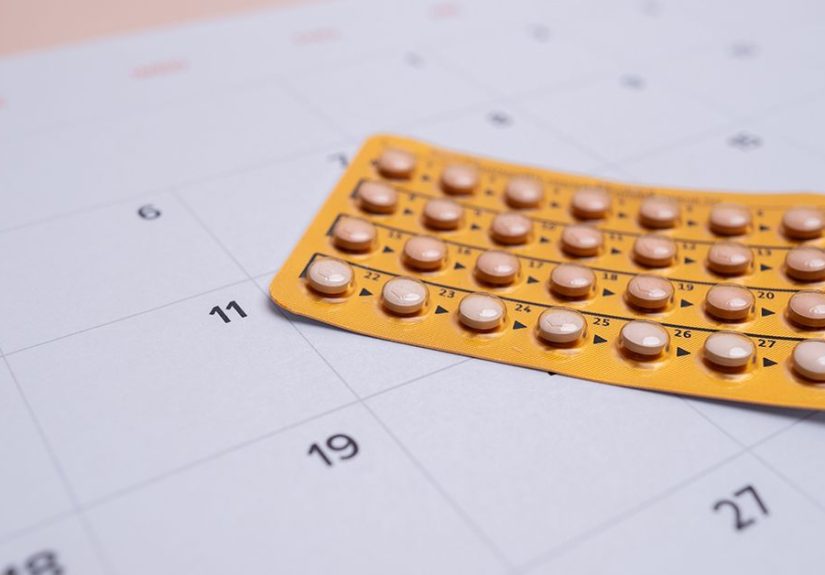
You’re digging through your bag, minding your own business, when suddenly your pill pack looks…
suspiciously uneven. One blister is empty, but you don’t remember actually taking that pill.
Did it fall out? Did your cat bat it under the couch? Did it vanish into another dimension?
Whatever happened, don’t panic. A lost birth control pill is commonand there are
clear steps you can take to stay protected.
In this guide, we’ll walk through exactly what to do if you lose a birth control pill, how it affects
your pregnancy protection, and when to use backup contraception or emergency contraception. We’ll also
cover special cases for different pill types and share real-world experiences so you don’t feel like
you’re the only one who’s ever had a pill go missing.
First Things First: Identify the Type of Birth Control Pill You Use
Before you do anything, check what kind of pill you’re on. The advice is slightly different depending
on whether you use:
- Combination pills (contain estrogen + progestin) – most common type.
- Progestin-only pills (POPs or “mini-pills”) – often used if you’re breastfeeding
or can’t take estrogen.
You can find this information on:
- The front of the pack or the box.
- The patient information leaflet that came with your prescription.
- Your pharmacy label or your patient portal.
Why it matters: Combination pills are a bit more forgiving if you’re late or miss a pill.
Progestin-only pills are stricter and can lose effectiveness with a delay of just a few hours,
depending on the formulation.
Step-by-Step: What to Do If You Lose a Combination Birth Control Pill
Step 1: Figure Out Which Pill You Lost
Look at your pill pack and ask:
- Was it an active pill (contains hormones)?
- Or a placebo / reminder pill (often a different color, no hormones)?
If you lost a placebo pill, good news: your pregnancy protection is not affected. You can:
- Skip it and continue with the next pill as scheduled, or
- Use another non-hormonal reminder like a phone alarm to stay on track.
If you lost an active pill, the next steps depend on where you are in the pack and how many pills
you’ve missed.
Step 2: If You Lose One Active Combination Pill
For most combination pills, if you lose or miss just one active pill and it’s been
less than 24 hours since you should have taken it:
- Take the most recent missed pill as soon as you remember. In this case, that usually means:
take the next active pill in the pack right away. - Take your next pill at the usual time (which might mean you take two pills in one day).
- You do not usually need emergency contraception for a single missed active pill, and
your pregnancy protection is generally maintained when you correct it quickly.
Example: You lose Tuesday’s pill and notice on Wednesday afternoon. You can:
- Take Wednesday’s pill immediately.
- Continue Thursday, Friday, and so on as normal.
You may finish the pack one pill short, which is typically okay because your protection comes from consistent
levels of hormones over the cycle. Still, check your specific instructions: some brands give tailored advice
for missing a pill near the start or end of the pack.
Step 3: If You Lose Two or More Active Combination Pills
If two or more active pills in a row are missed or lost (or you realize the pack got out of order and
you’re not sure how many you missed), your risk of pregnancy is higher, especially if this happens during
the first week of the pack or after a pill-free interval.
General guidance for multiple missed combination pills:
- Take the most recent missed pill as soon as possible.
- Continue the rest of the pack as normal, one pill per day.
- Use backup contraception (like condoms) for the next 7 days.
- If you had unprotected sex in the last few days, talk with a healthcare provider or pharmacist about
emergency contraception.
Some pill brands may suggest skipping the placebo week and going straight into a new pack
to maintain hormone levels. This is especially common if the lost or missed pills happened during the third
week of active pills.
Step 4: Call Your Pharmacist or Provider If You’re Unsure
Pill instructions can vary by brand and dose. If:
- You’re not sure which pill you lost.
- You lost more than one pill at different points in the pack.
- You’ve had unprotected sex and are worried about pregnancy.
it’s absolutely fine (and smart) to call your pharmacist, clinic, or OB-GYN. They can look up your exact
prescription and give personalized guidance.
What to Do If You Lose a Progestin-Only (Mini) Pill
Progestin-only pills (POPs) are more time-sensitive. Many formulations expect you to take the pill at roughly
the same time every day, and a delay of even a few hours may count as “late” or “missed” depending
on the brand.
If You Lose One Progestin-Only Pill
If you realize you’ve lost a pill and it’s outside your usual time window:
- Take the next pill in the pack as soon as you remember.
- Continue taking one pill daily at your regular time.
- Use backup contraception (such as condoms) for at least the next 48 hours
or as specified in the instructions for your specific pill brand.
Because progestin-only pills rely heavily on consistent timing to thicken cervical mucus and prevent ovulation,
a lost pill can lower your protection more quickly than with combination pills. If you’ve had unprotected sex
around the time of the missed pill, ask a healthcare professional if emergency contraception
might be appropriate.
If You Lose Multiple Progestin-Only Pills
If you’ve lost more than one mini-pill or you realize several days went by without a dose:
- Your protection is more likely to be reduced.
- Use backup contraception until you’ve taken the pill correctly for several days in a row (check your
brand’s instructions; many advise at least 2–7 days of backup). - Consider reaching out to your provider to confirm the best next step.
When Should You Use Emergency Contraception?
Emergency contraception (EC) is a safety net, not a judgement. You might consider EC if:
- You lost one or more active pills and had unprotected sex in the previous few days.
- You’re on a progestin-only pill and missed your regular dose window by more than the allowed
number of hours (depending on the brand) and had unprotected sex. - Multiple pills were lost early in the pack or right after a hormone-free break.
Common types of emergency contraception include:
- Levonorgestrel pills (often sold as “morning-after pills”) – generally most effective
within 72 hours after unprotected sex. - Ulipristal acetate pills – can be effective up to 5 days after unprotected sex.
- Emergency copper IUD – can be placed by a provider up to 5 days after unprotected sex and
then used as ongoing contraception.
Not everyone is a candidate for every type of EC, especially if you’re already on hormonal birth control or
have certain medical conditions. That’s why it’s helpful to consult a healthcare professional or pharmacist
if you’re unsure which option is best for you.
How a Lost Pill Affects Your Pregnancy Risk
The big question everyone has is: “Am I going to get pregnant from this?”
The reality is that a single lost combination pill, especially if it’s corrected quickly, usually does
not dramatically change your pregnancy risk. Your body has been getting a steady stream
of hormones, and one hiccup isn’t typically enough to undo that.
However, your risk increases when:
- You lose or miss multiple pills in a row.
- You’re on a progestin-only pill and miss your pill window.
- You lose pills during the first week of a new pack or right after a hormone-free interval.
Even then, it doesn’t mean pregnancy is guaranteedit just means protection is lower. Using backup contraception
and considering emergency contraception (when appropriate) can dramatically reduce the risk.
Practical Tips to Avoid Losing Pills in the Future
No judgmentlife is busy, bags are chaotic, and pill packs are small. But a few practical habits can help:
- Keep your pills in the same spot. A specific pocket, drawer, or bedside table is less risky
than tossing them loose into a giant tote bag. - Use a pill case or sleeve. Some brands offer sturdy cases. You can also buy a small travel
case to keep your pack from bending or popping open. - Set daily alarms or app reminders. Even if you misplace a pill occasionally, reminders
help you catch the problem faster. - Consider a backup pack. If your insurance allows it and your provider is on board, having a
spare pack at home can be helpful when a pill suddenly vanishes. - Take your pill at home when possible. Swallowing your pill before you leave the house
means fewer chances for it to escape into the wild.
When to Call a Healthcare Professional
A quick call or message to a healthcare provider, clinic, or pharmacy can give you peace of mind. Reach out if:
- You’re not sure what type of pill you’re on.
- You’ve lost multiple pills or are very off-schedule.
- You have medical conditions or medications that complicate hormone use.
- You think you might be pregnant (missed period, unusual symptoms, or unprotected sex after multiple missed pills).
Many clinics also have nurses who answer phone questions during business hours, and some telehealth services can
provide guidance or prescriptions for emergency contraception if needed.
Emotional Side: It’s Okay to Feel Anxious
Losing a birth control pill can trigger a surprising amount of stress. You might find yourself replaying every
recent sexual encounter, Googling at 2 a.m., or staring at your calendar like it’s a math exam. That anxiety is
completely understandablebut remember:
- Mistakes happen to almost everyone who uses pills long-term.
- You have toolsbackup methods, emergency contraception, professional helpto manage the situation.
- Taking action now is more important than beating yourself up for what already happened.
If anxiety stays high or you find yourself constantly worrying about missed pills, that might be a sign it’s
worth exploring other birth control options like an IUD, implant, ring, or patch that don’t rely on a daily dose.
Real-Life Experiences: You’re Definitely Not Alone
To make this more relatable, let’s look at a few common scenarios and how people often handle them in real life.
These are composite, generalized “experiences” based on how people typically describe lost-pill situations and
what health professionals commonly recommend.
Experience 1: The Work-Bag Disaster
Jenna kept her pill pack in the front pocket of her backpack. One afternoon, she reached in and realized the
foil over Wednesday’s pill was puncturedbut there was no pill in sight. Between her laptop, lunch, and random
receipts, it could have fallen out anywhere.
Here’s what she did:
- She checked the pack and confirmed it was an active combination pill.
- She took the pill for the next day as soon as she noticed the problem.
- She continued the rest of the pack as scheduled.
- Because it was just one lost pill and she corrected it quickly, she didn’t need emergency contraception,
but she used condoms for the next few days anyway for peace of mind.
The result: No pregnancy, but a new ruleno more loose pill packs in the “black hole” front pocket of her bag.
Experience 2: The Mini-Pill Timing Slip
Taylor used a progestin-only pill and usually took it at 7:00 a.m. every day. One particularly hectic morning,
she grabbed her pack and realized one pill was missing, and she couldn’t remember whether she’d actually swallowed
it earlier or knocked it out of the pack while half-asleep.
Since she couldn’t confirm that she’d taken it, she treated it as a missed pill:
- She took the next pill in the pack as soon as she realized the issue.
- She used backup contraception for the next few days, based on the instructions that came
with her mini-pill. - Because she’d had unprotected sex the night before and was nervous, she spoke with a pharmacist about
emergency contraception and chose an option that worked with her health history.
The experience convinced her to set a louder phone alarm and keep the pack on the nightstand instead of buried
in a drawer.
Experience 3: The End-of-Pack Panic
Maya was at the end of a combination pill pack and noticed one active pill in the last week had somehow gone missing.
She’d taken almost every pill on time the whole month.
After checking guidelines and talking with a nurse hotline, she:
- Took the remaining active pills as scheduled.
- Skipped the placebo week and started the next pack immediately.
- Used condoms for a week for extra reassurance, even though the risk was considered low.
Doing this kept her hormone levels steady and helped her feel more in control, even though the initial
“What if?” moment felt scary.
Experience 4: Realizing Pills Aren’t the Best Fit
After losing or missing pills several months in a row and constantly worrying about pregnancy, Alex eventually
talked to an OB-GYN about switching to a non-daily method. They decided on a hormonal IUD, which provides long-term
protection without needing to remember a pill every day.
This experience is common: sometimes, the stress around daily pills is a sign that another form of contraception
might be a better match for your lifestyle and personality. There’s no “one-size-fits-all” method, and changing
your plan is absolutely normal.
Key Takeaways if You Lose a Birth Control Pill
- Don’t panic. One lost combination pill usually doesn’t destroy your protection if you correct it quickly.
- Identify your pill type. Combination vs. progestin-only matters for what you do next.
- For combination pills: Take the next active pill as soon as you remember; you may take two in one day.
- For mini-pills: Timing is strictuse backup and consider emergency contraception if you’re outside the allowed window.
- Use backup contraception (like condoms) whenever recommended or if you’re uncertain.
- Talk to a professional if you’re confused, anxious, or suspect you may be pregnant.
- Consider other contraceptive methods if losing or missing pills is a frequent source of stress.
Losing a pill doesn’t make you irresponsibleit makes you human. With the right information and a simple action plan,
you can handle it calmly, protect yourself, and maybe even upgrade your overall birth control strategy.